
Reviewed · SALTA TOURS
From Salta: 2-Day Guided Trip to Cafayate and Cachi
The best part of this two-day trip is the sharp change in scenery. One day takes you through tobacco country and the red-rock walls of La Quebrada de las Conchas; the next climbs toward condor country, cactus plains, and the colonial town of Cachi. I like the contrast, and I like that the trip includes both a winery visit and a proper mountain route rather than repeating the same road twice.
I also like the low price, $56 per person, and the fact that hotel pickup, transport, a bilingual guide, and the winery ticket are included. Guides such as Julio and Montserrat have been praised for clear explanations in English. The main caution is comfort: one day may be packed into a full minivan, the audio system may be weak at the back, and the tour includes about two hours on rough dirt roads.
In This Review
- Key points to know before booking
- Two days, two sides of Salta Province
- Day one: tobacco fields and the red road to Cafayate
- Alemania and the start of the red-rock country
- Cafayate wine and the Torrontés tradition
- Day two: from the Lerma Valley into the mountains
- Cuesta del Obispo at 3,348 meters
- El Valle Encantado and the Inca straight road
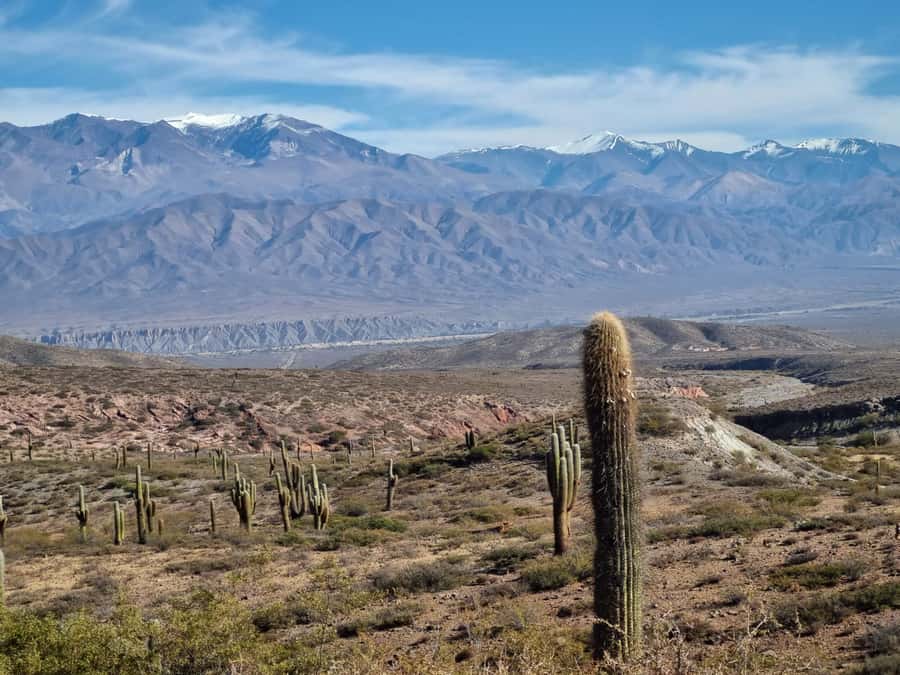
- Los Cardones National Park and the cardon cactus
- Cachi: colonial streets and local history
- The minivan question: comfort, sound, and space
- Guides, language, and the pickup routine
- What the $56 price really buys
- Who should choose this two-day trip
- Should you book it?
- FAQ
- How long is the tour?
- Where is pickup provided?
- What time does pickup start?
- Which languages are available?
- Is lunch included?
- Is accommodation included?
- Is the winery entrance included?
- How much time is spent on rough roads?
Key points to know before booking
- Two very different day trips: Cafayate brings red cliffs and wine, while Cachi brings mountain roads, cactus country, and colonial buildings.
- The red-rock stops are the stars: Garganta del Diablo and the Casa de los Loros area provide the most dramatic photo stops.
- A Torrontés winery visit is included: You learn about Salta’s wine trade, but lunch and drinks are your responsibility.
- Cuesta del Obispo reaches 3,348 meters: The road is winding, scenic, and not a good match for serious back problems.
- Expect changing vehicle comfort: One departure may use a newer Mercedes-Benz minivan, while another may involve an older or crowded vehicle.
- Pickup times need attention: Collection is listed between 7:00 and 7:40 a.m., but the exact time can shift, so wait in your hotel lobby.
Two days, two sides of Salta Province
This is not one long sightseeing loop. It is two separate full-day drives from Salta, with the order set by the operator’s schedule. That matters because each day has its own character, pace, and road conditions.
Day one heads south on Provincial Route 68 to Cafayate. Day two follows Route 33 toward Cachi, crossing the Gorge of Escoipe and the Cuesta del Obispo. You return to Salta after each outing, and accommodation is not included.
At $56, the price is unusually friendly for two guided day trips with transport and hotel pickup. You still need to budget for meals, drinks, personal purchases, and any other entrance charges not covered by the winery ticket. The value is strongest if you want to see both regions but do not want to rent a car or handle the mountain roads yourself.
A few more Salta trips to weigh up
- From Salta: 2 Day Guided Trip to Cafayate & Salinas Grandes
★ 4.4 · 17 reviews - From Salta: Humahuaca & Salinas Grandes 2-Day Tour
★ 4.0 · 8 reviews - From Salta: Cafayate and Hornocal 2-Day Tour with Transfer
★ 4.5 · 6 reviews
Day one: tobacco fields and the red road to Cafayate
Your first morning begins in the Lerma Valley, where Provincial Route 68 passes farms and tobacco plantations. The early part of the drive is less dramatic than the red-rock section, but it gives you useful local context.
Look for the old and new tobacco chimneys made from adobe and clay. Tobacco leaves are dried in the sun, and the chimneys are a reminder that this is working agricultural country, not simply scenery arranged for a sightseeing bus. A bilingual guide can help you notice details you might miss from the window.
The route passes through Cerrillos, La Merced, and El Carril on the way south, although the exact sequence of stops may vary. The small towns help break up the drive, but you should expect plenty of time in the vehicle. Bring water and wear clothes that are comfortable for sitting.
Alemania and the start of the red-rock country
The town of Alemania marks a change in the scenery. The greens and farm fields give way to dry red hills, exposed rock, and narrow formations shaped by erosion.
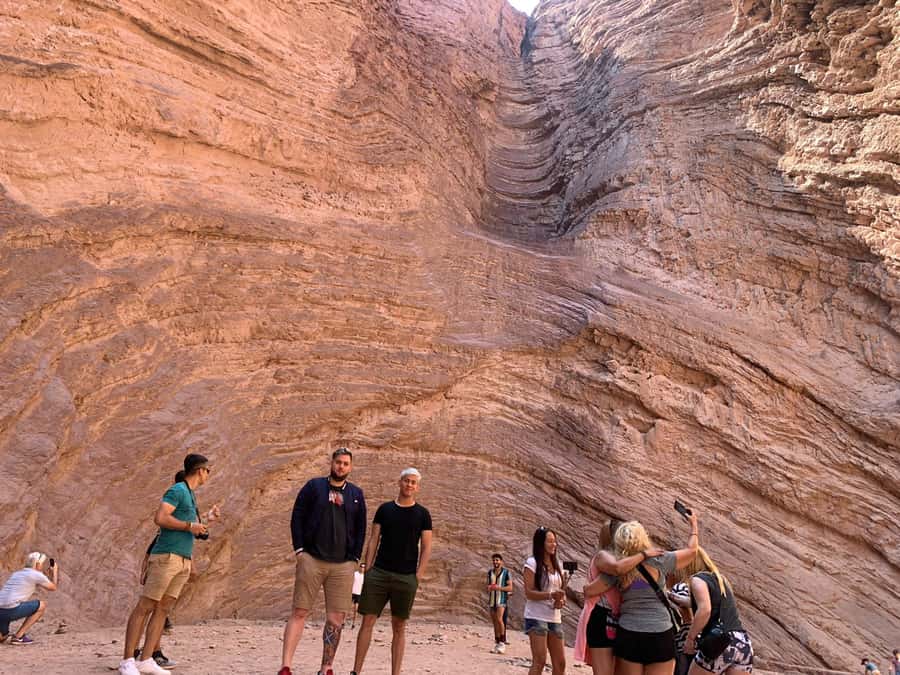
This is where the trip begins to feel special. The road through La Quebrada de las Conchas presents a series of natural formations, including Garganta del Diablo, or Devil’s Throat, and the Casa de los Loros area, known in English as the House of the Parrots. Their names are memorable, but the real appeal is the scale and color of the stone.
Garganta del Diablo is the essential stop. Tall red walls close around a narrow opening, giving the formation a theatrical feel without needing much interpretation. You may have only a short time at each stop, so listen for the guide’s instructions and keep your camera ready.
The Casa de los Loros formation offers another view of how wind and water cut through the rock. The stops are close enough to combine into a strong half-day of scenery, but they are not the same kind of attraction as a museum. You come for the shapes, light, and changing colors.
Cafayate wine and the Torrontés tradition
In Cafayate, the tour visits one winery. The entry ticket is included, and the visit explains the local wine industry and the area’s famous Torrontés wines.
Torrontés is the regional wine most closely associated with this part of Argentina, so the winery stop adds a sense of place to the red-rock drive. You are not simply passing vineyards on the roadside. You get a direct introduction to why wine matters here.
Food and drinks are not included. Plan to pay for lunch and any tasting or additional purchase not covered by the winery entry. The provided information confirms the winery visit, but it does not promise a full meal or a particular number of tastings, so do not book this day expecting a long food-and-wine program.
Cafayate itself is the main town on this route, but the schedule gives more attention to the road and the winery than to extended independent time in town. If your priority is wine tasting, this is a useful introduction. If you want several wineries, a leisurely lunch, and hours in Cafayate, a dedicated wine day would suit you better.
After lunch, you return to Salta by a different route. That is a smart design choice. The return drive gives you another set of views instead of making you retrace the exact morning journey, though it also means the day involves substantial time on the road.
Same city, a completely different kind of day:
- From Salta: Full-Day Trip to Salinas Grandes and Purmamarca
★ 4.6 · 914 reviews - From Salta: Full-Day Tour to Cafayate with Wine Tasting
★ 4.5 · 478 reviews - From Salta: Salinas Grandes, Purmamarca & Los Colorados Hike
★ 4.3 · 356 reviews - From Salta: Cafayate, land of wines and imposing ravines
★ 4.4 · 347 reviews
Day two: from the Lerma Valley into the mountains
The second day starts again in the direction of Cerrillos, La Merced, and El Carril, then turns onto Provincial Route 33. The road enters the Gorge of Escoipe and the area known as Los Laureles.
This section feels tighter and more mountainous than the Cafayate route. You will see natural walls and rock formations close to the road, with the minivan handling a route that would demand more attention from a self-driver. The attraction is not one single monument. It is the steady change in elevation and the way the valley closes around you.
If you have back problems, take the warning seriously. The trip includes about two hours on low-quality dirt roads, plus roughly two hours on the highway during the return. Even a high-quality minivan cannot make a winding, uneven road feel smooth.
Cuesta del Obispo at 3,348 meters
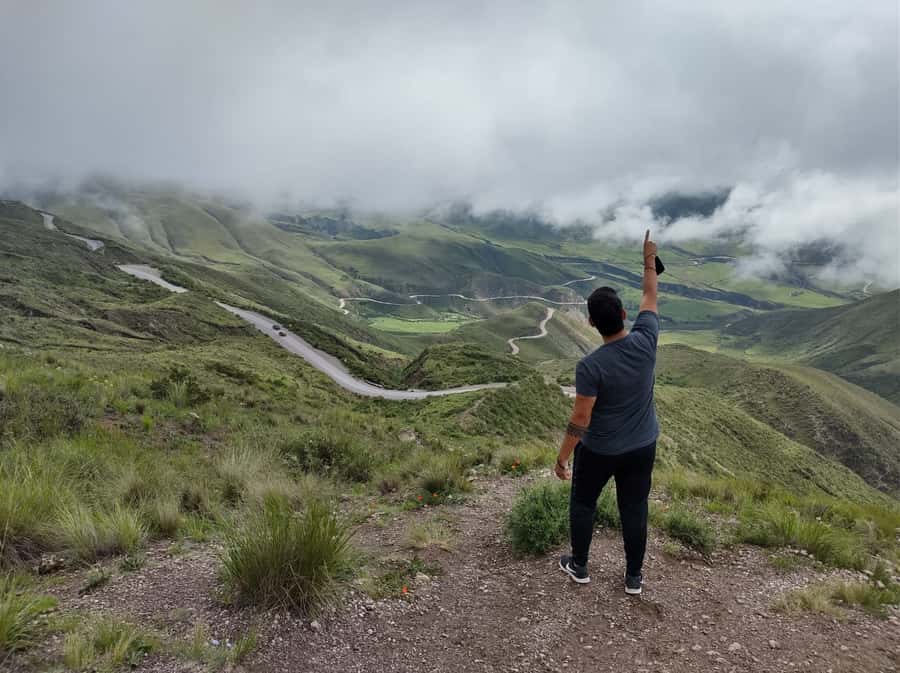
The Cuesta del Obispo is the grand centerpiece of the Cachi day. This famous winding road climbs toward a summit at 3,348 meters above sea level, passing rock formations and natural walls along the way.
The road is part of the attraction. Each turn opens another view, and the change from subtropical valley to high mountain country is easy to see. You may also spot condors overhead. These large birds are known locally as the King of the Sky, and a sighting gives the climb an extra jolt of drama.
Bring layers. The trip begins in warmer valley conditions and reaches a much higher, cooler area. Comfortable shoes are listed as essential, and they make sense for uneven stopping points and short walks.
The altitude is worth noting even though no special medical procedure is described. You are reaching more than 3,300 meters, and the road is long. If you know you react badly to mountain roads or altitude, this day deserves more caution than the easier Cafayate route.
El Valle Encantado and the Inca straight road
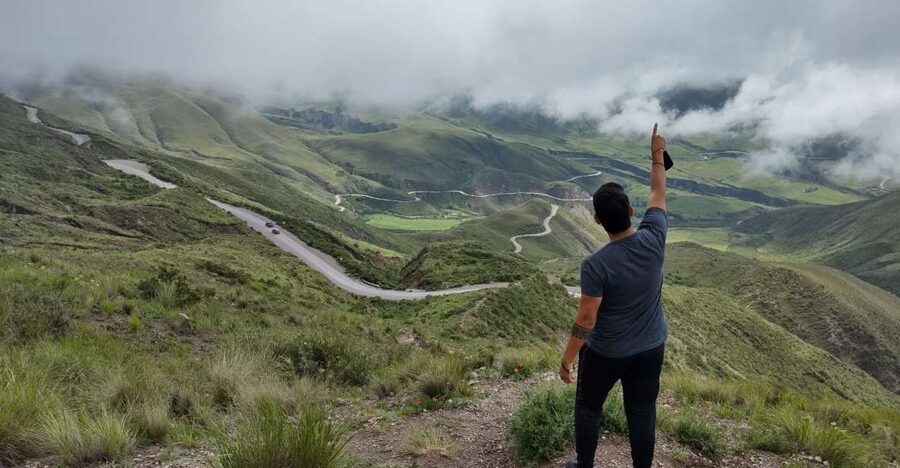
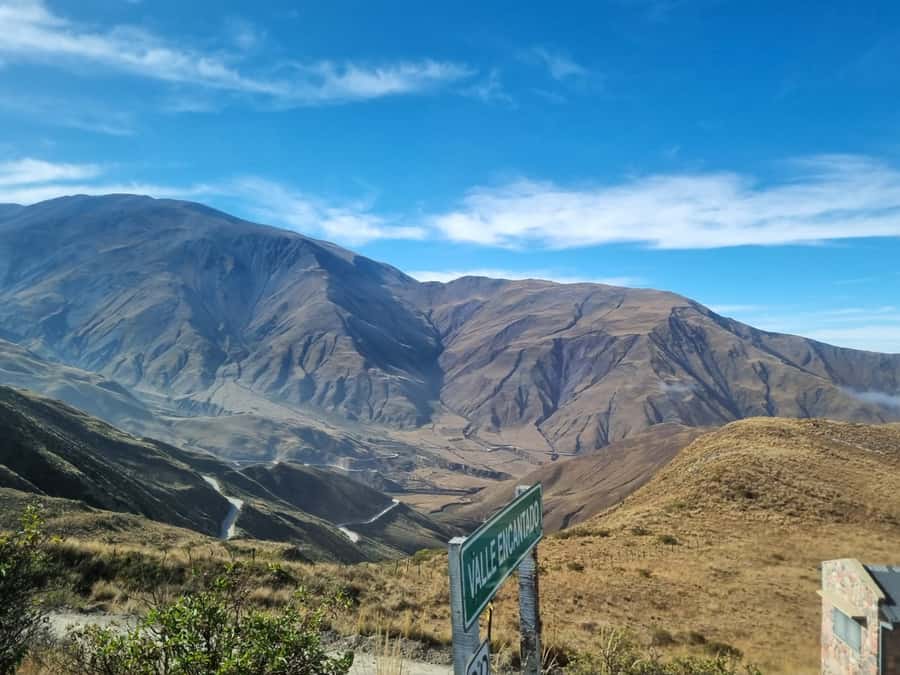
At El Valle Encantado, or the Enchanted Valley, the scenery takes on a softer, almost storybook quality. Rock formations and open mountain views replace the tight bends of the climb.
The route then reaches the Recta del Tin Tin, a notably straight stretch associated with the time of the Incas. It is an interesting contrast to the Cuesta del Obispo. One part of the day is defined by steep bends, while the next is defined by a long, direct line across the high country.
You do not need to be a history specialist to appreciate the sequence. The road itself tells the story: lower valleys, mountain passes, high plains, cactus country, then the settlement at Cachi. A good guide helps connect those changes without turning the day into a string of disconnected photo stops.
Los Cardones National Park and the cardon cactus
Los Cardones National Park is named for the cardon grande cactus, which appears in large numbers across the high, dry country. These tall cactus forms give the area a distinctive character and make a clear break from the greener valley near Salta.
The park is valuable as a visual pause between the high road and Cachi. The cactus fields are not a quick replacement for a formal attraction. They are part of the broader setting, and you will get the most from them by watching how the plants spread across the open ground and how small they look beside the mountains.
The route through the park also reinforces the variety packed into this day. In a few hours, you move from humid valley vegetation to bare rock and then to cactus plains. That range is the strongest reason to choose the Cachi excursion.
Cachi: colonial streets and local history
The tour aims to reach Cachi in time for lunch. Food is not included, so you can choose how to spend that break within the available schedule. Since this is a long road day, do not linger over lunch if the guide gives a firm departure time.
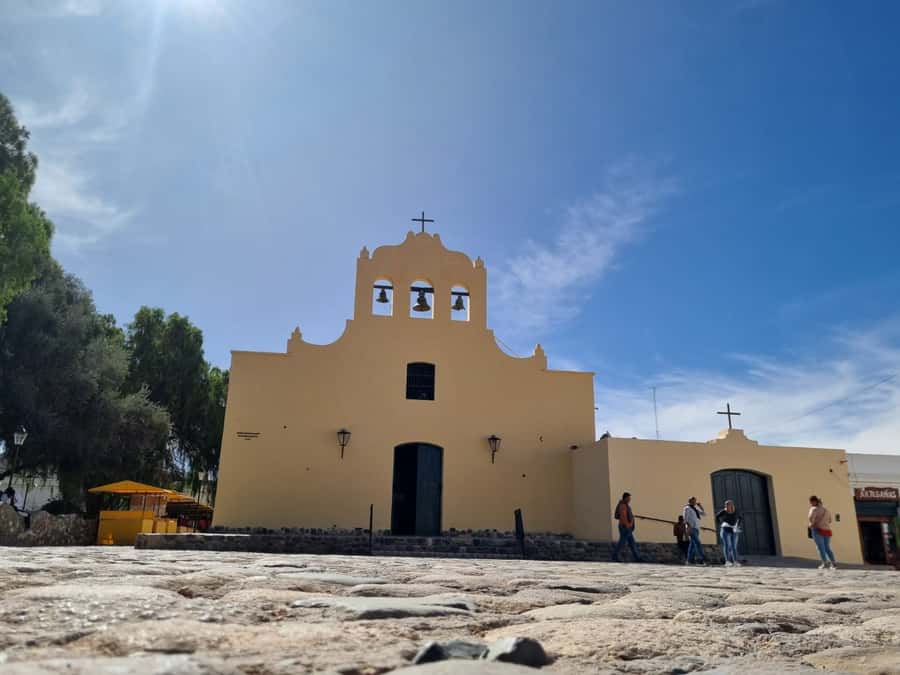
After eating, you stroll through Cachi’s well-preserved colonial streets. The town church on the Central Plaza is one of the clear stops, and the setting provides a welcome change from hours of mountain scenery.
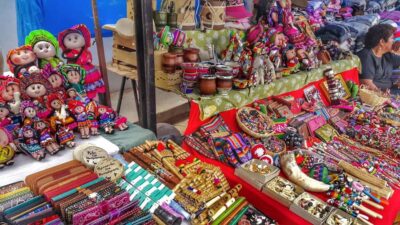
The historical museum covers the history of Aboriginal communities. That visit adds human context to a day otherwise dominated by roads, rock, cactus, and altitude. You also have time for the craft market and souvenir shopping.
Cachi is not presented as a large, fast-moving attraction. Its appeal is its scale and preserved buildings. You can walk, look around the plaza, visit the church, and browse local crafts before beginning the return journey. The time may feel short if you want a relaxed town visit, but it is enough to break up the drive.
The minivan question: comfort, sound, and space
Transport is provided in an air-conditioned Mercedes-Benz minivan, with pickup and drop-off at downtown hotels. That is convenient, especially for an early start, and it removes the need to find a meeting point across Salta.
Vehicle quality and seating deserve a realistic note. One day may be nearly full, and a seat in the last row can feel cramped on a long drive. The speaker is positioned toward the front, so explanations may be harder to hear from the back.
The vehicle can also vary by departure. The stated transport is a high-quality minivan, but one day may use an older vehicle that feels less clean or modern than expected. This is not a reason to reject the trip outright, but it is a reason to keep expectations modest at this price.
If you care about space, arrive promptly for pickup and ask the guide about seating if possible. You cannot count on an empty row. A small group and a larger minivan can make the second day feel far more comfortable than a full first-day departure.
Guides, language, and the pickup routine
The guide service is offered in Spanish and English. Julio has provided detailed explanations on the route, and Montserrat has also guided this two-day program. Clear bilingual interpretation can make a major difference here because the best parts of the trip are spread across a long drive rather than concentrated in one attraction.
Audio quality is a practical issue. The microphone may not work well, and the front-mounted speaker can make commentary difficult to follow from the rear seats. If you cannot hear, tell the guide early rather than waiting until the road becomes noisy.
Pickup is scheduled between 7:00 and 7:40 a.m. from the lobby or reception of a downtown Salta hotel. The exact arrival may not match the original schedule. A vehicle has arrived early in some cases, while other pickups have shifted from the expected time.
Wait in the lobby before 7:00 a.m., keep your phone available, and confirm the pickup window when you book. The return drop-off should be at your downtown hotel, but stay alert at the end of the day and make sure the driver knows your stop. That simple check avoids confusion after a long ride.
What the $56 price really buys
At $56 per person, this is a strong transport-and-sightseeing deal. You receive two guided routes, air-conditioned transport, downtown hotel pickup and drop-off, bilingual service, and the winery entry ticket.
You do not receive accommodation, meals, drinks, personal expenses, or unspecified entrance fees. Those exclusions are normal for a low-cost day-trip package, but they mean you should carry money for two lunches and drinks, plus souvenirs in Cachi.
The real tradeoff is comfort and independence. You pay little, but you follow a group timetable, spend many hours in a minivan, and may share a full vehicle. A private trip would offer more control and space, but at a much higher price.
For a visitor using Salta as a base, the value is easy to see. You cover the region’s two most memorable road routes without arranging a rental car, navigating dirt roads, or finding the winery and Cachi stops yourself.
Who should choose this two-day trip
I would recommend it to you if you want maximum scenery for a modest price and are happy with long guided drives. It suits first-time visitors to Salta who want a broad look at the province rather than a slow stay in one town.
It is especially good for people who enjoy changing scenery: tobacco fields, adobe chimneys, red-rock formations, vineyards, high mountain roads, condors, cactus plains, and colonial streets all appear within two days.
You should think twice if you need generous legroom, quiet transport, or a flexible schedule. It is also a poor fit for anyone with back problems, given the rough dirt-road sections and the length of the drives.
Choose Cafayate as the priority if wine and red-rock formations are your main interests. Choose Cachi as the priority if you want mountain views, high altitude, cactus country, and colonial architecture. If you can spare two days, taking both gives you a much better sense of Salta Province.
Should you book it?
Book this trip if you want an affordable, guided introduction to Cafayate and Cachi, and if dramatic scenery matters more to you than vehicle luxury. The red-rock stops, Torrontés winery, Cuesta del Obispo, Los Cardones National Park, and Cachi’s plaza make a varied pair of days.
Before paying, accept the likely compromises: early pickup, long hours in the vehicle, possible crowding, rough roads, and meals paid separately. Confirm your pickup time, ask where the vehicle will meet you, and try to sit near the front if hearing the commentary is important.
At $56, I see this as a practical regional sampler. It is not a leisurely private tour, but it puts Salta’s biggest views and two very different towns within reach.
FAQ
How long is the tour?
The experience lasts two days. Each day is a separate guided excursion departing from and returning to Salta.
Where is pickup provided?
Pickup and drop-off are provided at the lobby or reception of downtown Salta hotels.
What time does pickup start?
Pickup is scheduled between 7:00 and 7:40 a.m. The exact arrival time may change, so wait in your hotel lobby and confirm the details.
Which languages are available?
The live guide service is available in Spanish and English.
Is lunch included?
No. Food and drinks are not included, so you need to pay for lunch and beverages yourself.
Is accommodation included?
No. You return to Salta after each day, and accommodation is not included.
Is the winery entrance included?
Yes. The entry ticket to one winery in Cafayate is included.
How much time is spent on rough roads?
The tour involves about two hours on low-quality dirt roads and another two hours on the highway during the return. People with back problems are advised not to take this trip.
Just added around Salta
- Trekking Purmamarca★ 5.0 · 52 reviews
- Salinas Grandes and Purmamarca Full Day Tour★ 4.5 · 34 reviews
- Tilcara: 2 hours cycling tour trough the rural area★ 5.0 · 5 reviews
- Salta: Tour to the Salinas Grandes and Purmamarca★ 3.7 · 3 reviews
- From Salta: Cafayate, Humahuaca, Cachi, & Salinas Grandes★ 4.3 · 13 reviews
- Salta or Jujuy: Iruya and Salinas Grandes 2-Day Tour★ 4.3 · 3 reviews
- From Salta: Cafayate, Cachi and Salinas Grandes in 3 days★ 3.3 · 6 reviews
- Salta en un Bocado – Cultural Tour & Empanada Tasting★ 5.0 · 3 reviews
Salta Tours, compared.
Full-Day Trip to Salinas Grandes and Purmamarca
Read our review →
Salinas Grandes, Purmamarca & Los Colorados Hike
Read our review →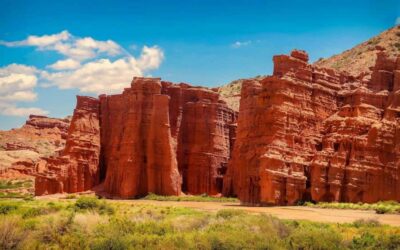
Full-Day Tour Cafayate Calchaqui Valleys with Wine
Read our review →
Serranías del Hornocal & Hill of 14 Colors Tour
Read our review →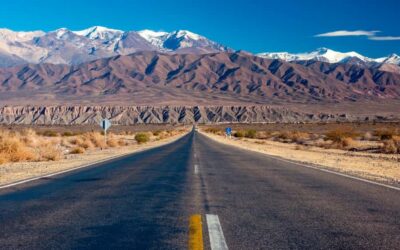
Browse the lists this tour appears in