
Reviewed · QUEBRADA DE HUMAHUACA TOURS
From Salta: 3-Day Cafayate, Cachi, and Humahuaca Guided Trip
The best part of this trip is the sheer change of scenery packed into three days. You move from the red rock walls of Quebrada de las Conchas to Cachi’s cactus country, then north into Jujuy for the striped hills and old towns around Purmamarca and Humahuaca.
I like the way the tour combines wine and small-town culture with big natural sights. I also like that you return to your hotel in Salta each night, so you see a lot without packing and unpacking.
The trade-off is time on the road. The route includes about two hours over dirt roads, and each day is full. If back problems make long rides difficult, this is not the right outing.
In This Review
- Five things to know before you book
- Why this three-day route works
- Day one: red rock and Cafayate wine
- Day two: Cuesta del Obispo and Los Cardones
- Day three: Purmamarca and the Seven Colors Hill
- What the guiding adds
- Transport, comfort, and the pace
- Who gets the best value
- Booking details that matter
- Should you book this Salta tour?
- FAQ
- How long does the experience last?
- Is accommodation included?
- Does the tour include hotel pickup and drop-off?
- Which languages are available?
- Is the winery visit included?
- Are food and drinks included?
- Which places do you visit?
- How much travel is on dirt roads?
- Can you cancel for a refund?
Five things to know before you book
- Three very different day trips: Cafayate, Cachi, and the Quebrada de Humahuaca each offer a distinct setting rather than three similar sightseeing days.
- A real winery visit: Your Cafayate day includes entry to a traditional winery, a look at its process, and a complimentary tasting.
- No overnight stays away from Salta: You return to your Salta hotel at the end of every day.
- Two guides may lead the trip: The English explanations can vary between guides, so tell your guide early how much detail you want.
- Bring sturdy, comfortable shoes: You will walk through towns, viewpoints, parks, and markets, while the minivan handles the long distances.
Why this three-day route works
Salta is a useful base for exploring the northwest of Argentina, but the best sights lie far beyond the city. This trip links two major routes: the road south toward Cafayate and Cachi, and the road north through Jujuy’s Quebrada de Humahuaca.
I like this format for a first visit because you do not have to arrange separate transport, winery visits, and regional excursions. You also get a guide who can provide context in English or Spanish, rather than simply being dropped at a viewpoint with a time to return.
The price is $94 per person, which gives the trip strong value if you want three full days of transport, hotel pickup and drop-off, guiding, and the winery entry. It is not an all-inclusive holiday. Meals, drinks, and other entry tickets come out of your pocket, so keep some Argentine pesos or another practical payment option available for the day.
The order of the three excursions can change according to the agency’s availability. That matters mainly if you have a favorite day you want first. The sights remain the same, but you should keep your schedule flexible.
More quebrada de humahuaca tours in Salta:
- From Salta: Full-Day Trip to Salinas Grandes and Purmamarca
★ 4.6 · 914 reviews - From Salta: Salinas Grandes, Purmamarca & Los Colorados Hike
★ 4.3 · 356 reviews - From Salta: Serranías del Hornocal & Hill of 14 Colors Tour
★ 4.4 · 339 reviews
Day one: red rock and Cafayate wine
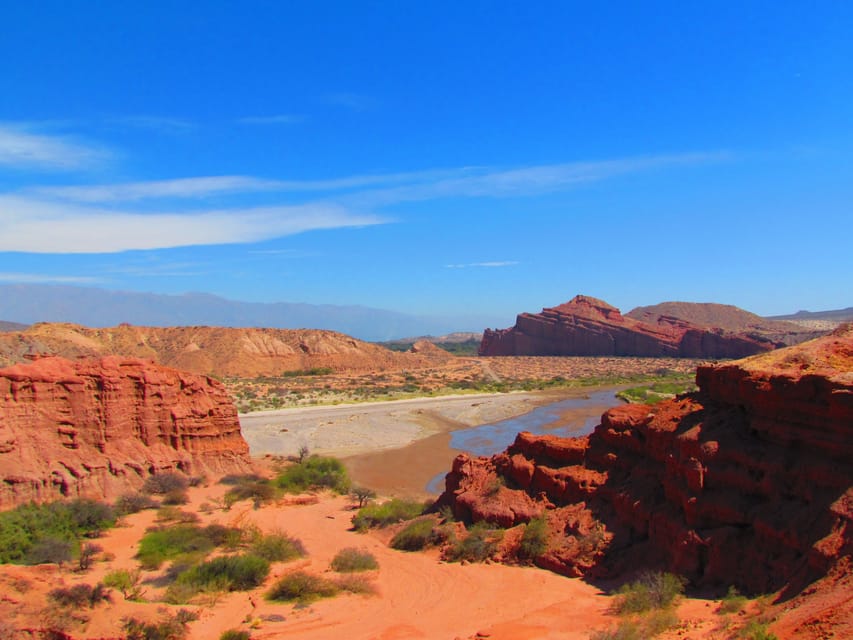
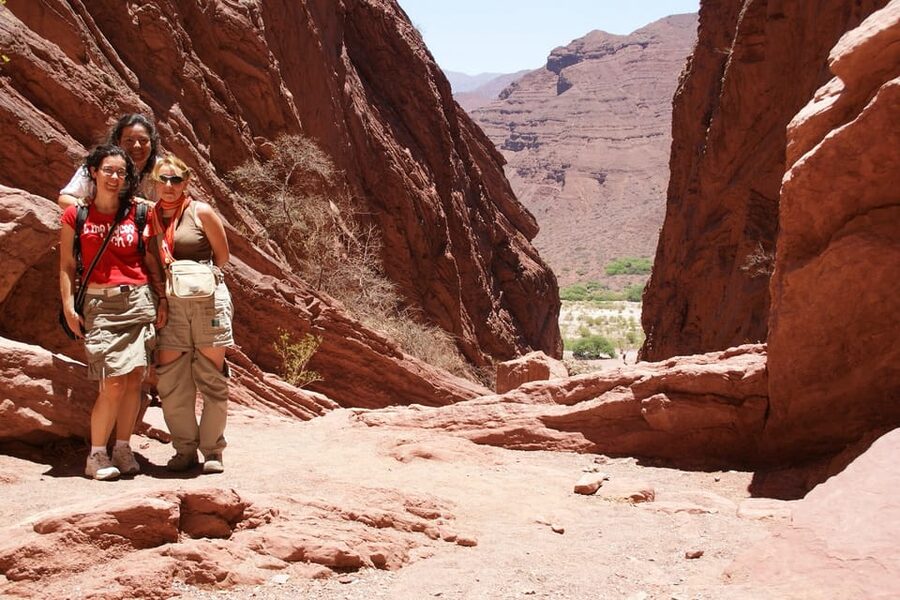
Your first outing heads south from Salta toward Quebrada de las Conchas. The name refers to a dramatic gorge marked by red rock formations, and the road itself is a major part of the experience. You will see unusual shapes and walls carved into the dry terrain, with stops to take in the formations.
This is not a soft introduction to the region. The colors and rock shapes are bold, and the open setting gives you a quick sense of why the Salta area is famous for its scenery. Wear shoes you can walk in, since the outing includes more than a view from the minivan window.
The route continues into the Calchaquies Valley, where you visit a local winery. Entry to the winery is included, as is a complimentary tasting. You can expect an explanation of how the wine is made and a look at a traditional operation, though the supplied details do not specify the winery’s name or the exact wines served.
That lack of fixed detail is worth noting. This is not presented as a private wine course or a long series of tastings. It is a useful regional stop that connects the valley’s agriculture with the town of Cafayate. If wine is your main reason for booking, keep your expectations focused on one winery visit rather than a full wine tour.
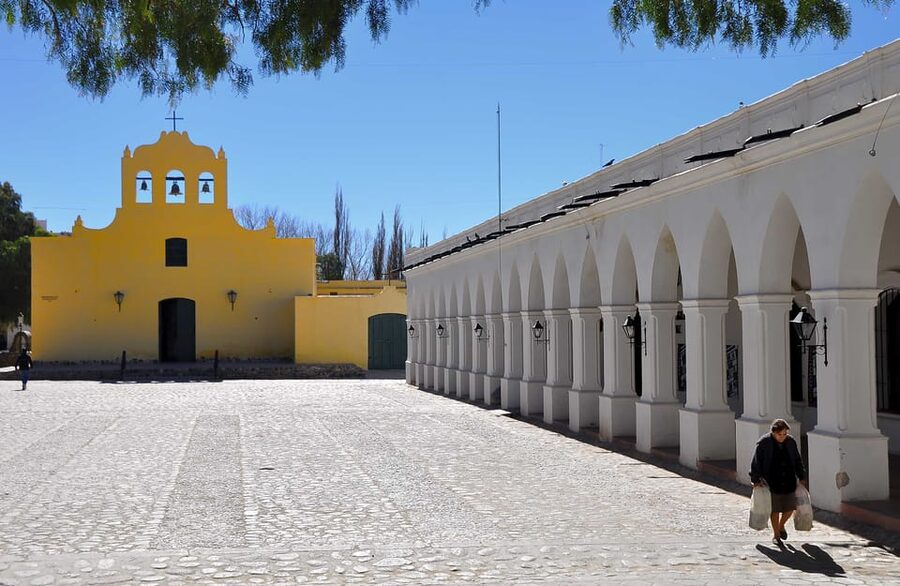
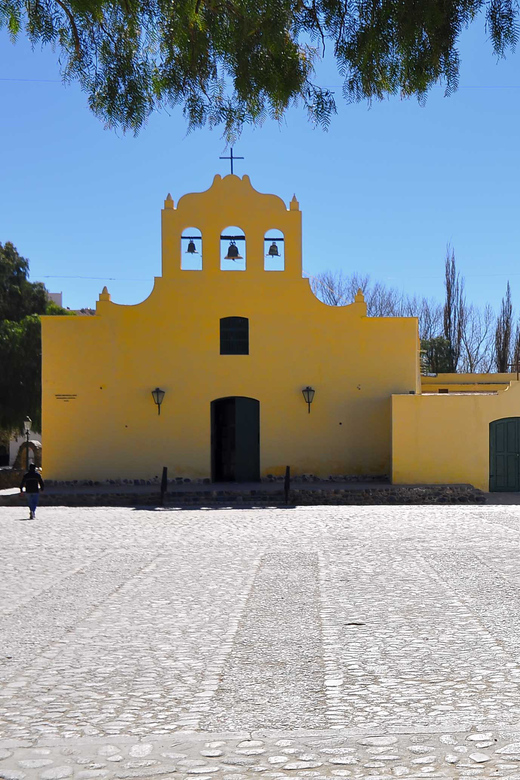
Cafayate gives you time to see the town and its landmarks before returning to Salta. The town visit breaks up the countryside with streets, local architecture, and a more settled view of the valley. Food and drinks are not included, so this is a good day to plan your own meal.
The road back makes day one a long outing. Still, the mix is well judged: rock formations first, then wine, then a town. You are not spending the entire day looking at one kind of scenery.
Day two: Cuesta del Obispo and Los Cardones
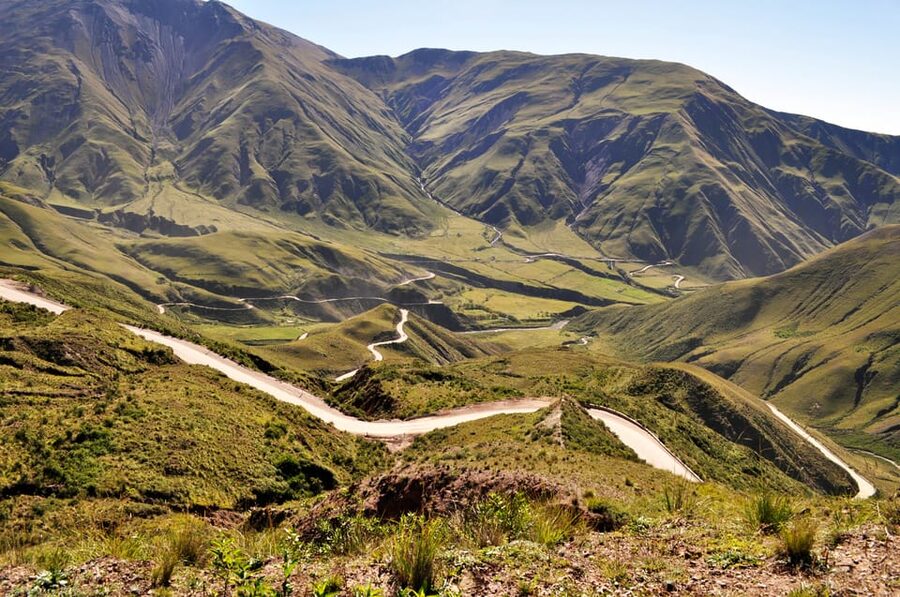
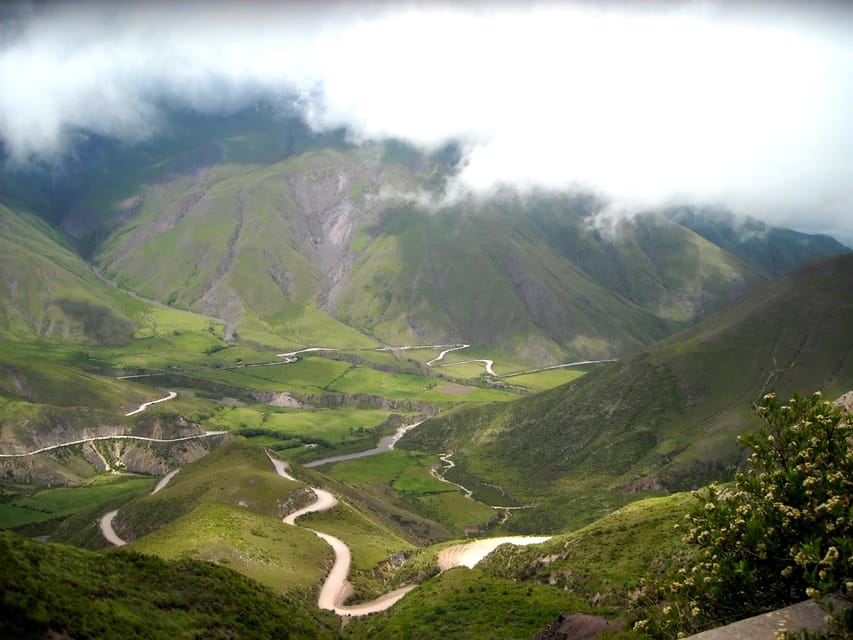
The second day turns toward the mountains and begins with Cuesta del Obispo. This route is known for its broad mountain views, and the stop gives you a chance to see how quickly the surroundings change as you climb and cross the high country.
The experience here is about scale. After the red walls of the first day, the mountain road offers a more open view, with sweeping scenery rather than a single rock formation. Weather and visibility can affect what you see, so keep your clothing practical and bring an extra layer if needed.
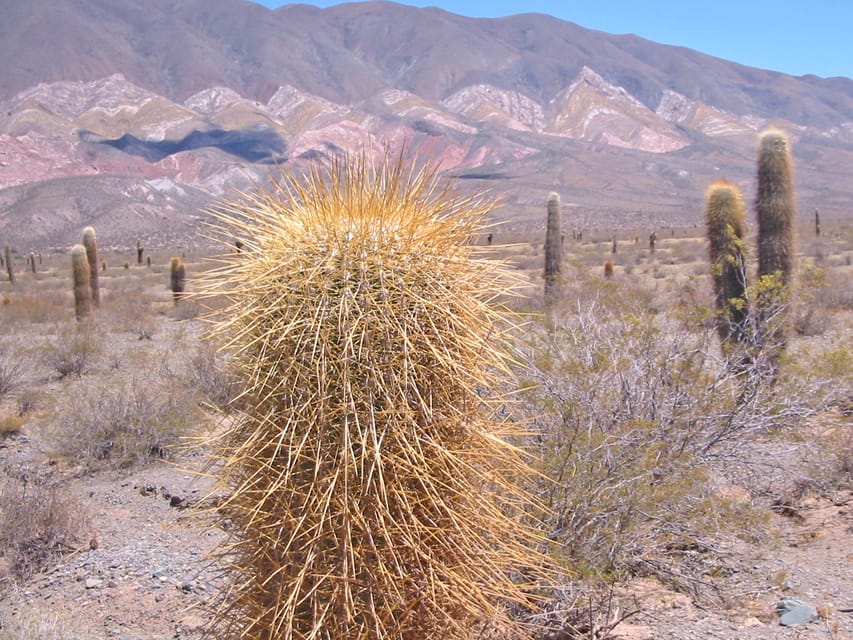
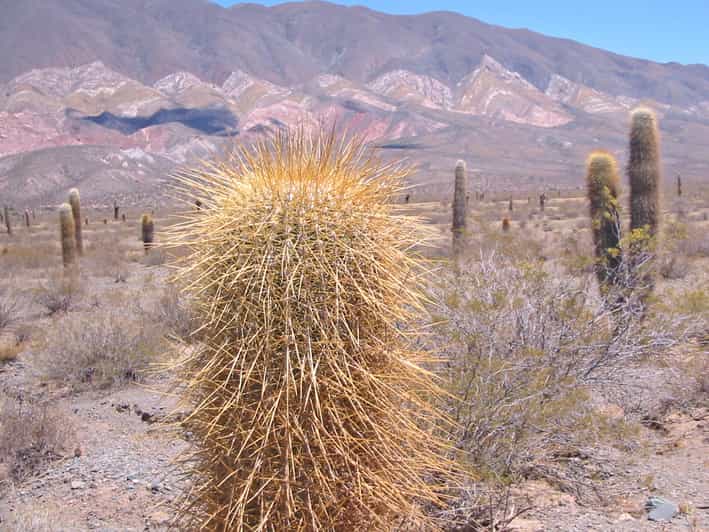
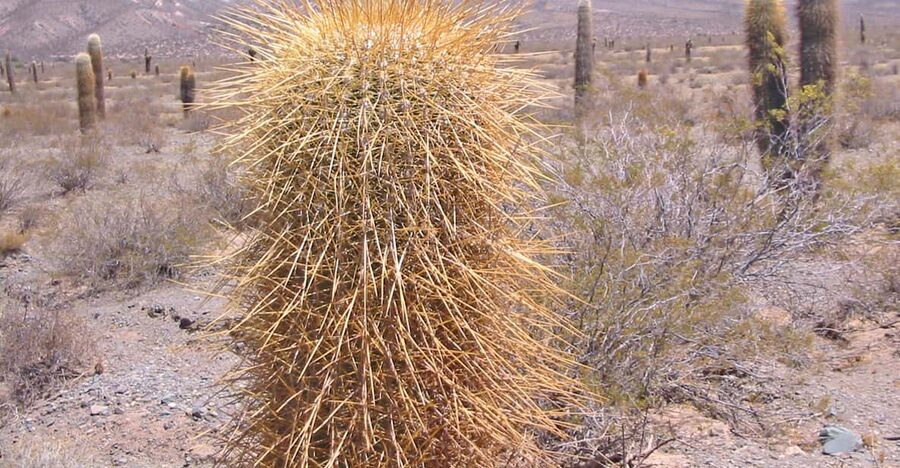
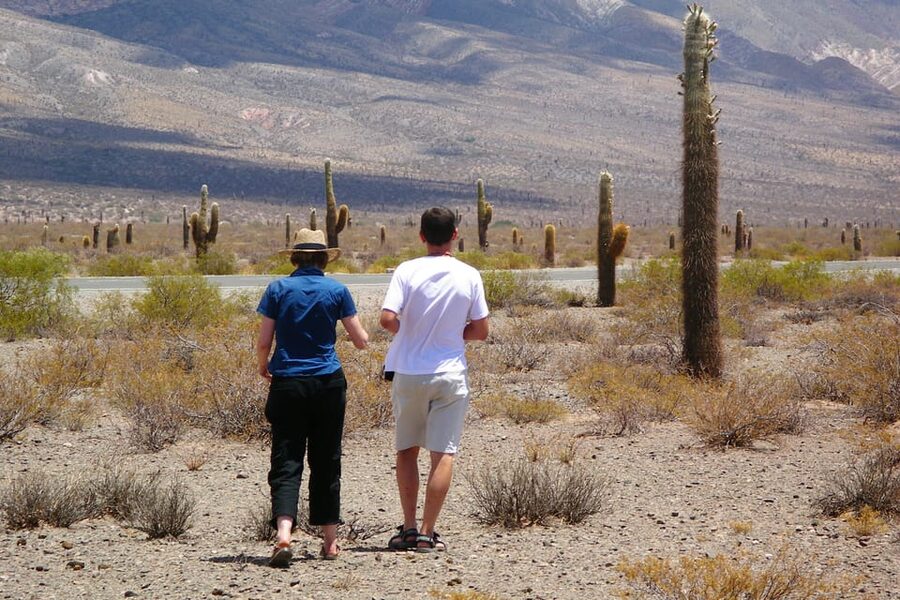
Los Cardones National Park is the day’s signature stop. The park is known for its cacti, and the tour focuses on the range of cactus forms found there. These plants are not a minor decoration beside the road. They are the reason this part of the route feels so different from Cafayate.
Cacti also make the park a good example of how the northwest’s natural life fits its dry conditions. You are seeing a plant world shaped by limited water and high, open terrain. The guide can help connect the scenery to the wider region, with commentary in English or Spanish.
The route includes roughly two hours of travel over dirt roads during the overall experience. That may be spread across the excursions, but you should expect some rougher driving. Anyone with back problems should think carefully before booking, and even fit passengers will appreciate comfortable clothing.
Cachi is the final major stop of the day. This small town is known for colonial architecture, which gives you a close-up look at the built side of the region after a morning of mountain views and cacti.
I like the balance of this day. Cuesta del Obispo supplies the views, Los Cardones supplies the unusual plant life, and Cachi supplies the town atmosphere. The limitation is that you return to Salta rather than staying overnight in Cachi, so your time in town is part of a larger schedule.
Day three: Purmamarca and the Seven Colors Hill
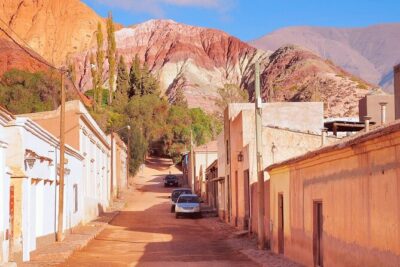
The final day heads north into Jujuy Province. Purmamarca is the first key stop, and its main draw is the Seven Colors Hill, a striking formation marked by bands of different tones.
The hill is more than a quick photo stop. Its layered colors give the area a visual identity that differs sharply from the red rock of Quebrada de las Conchas. If you enjoy geology, photography, or simply seeing a place that looks unlike the previous two days, this is one of the trip’s strongest moments.
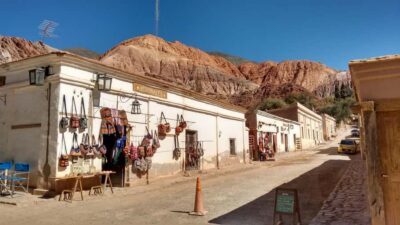
Purmamarca also has a local market. That adds a human scale to the morning, letting you browse local goods rather than moving from one viewpoint to the next. The information provided does not guarantee particular products or market hours, so treat it as part of the town visit rather than a shopping appointment.
You then continue to Tilcara. The tour allows time to explore its churches, local landmarks, and surroundings. Tilcara is another chance to slow down and see how the Quebrada’s communities differ from the wine towns farther south.
Humahuaca completes the northern route. Here you can explore churches, local landmarks, and the surrounding area before the drive back to Salta. The day gives you three different town experiences, but it also involves a lot of road time, so you should not expect extended free hours in each place.
This is the most culture-focused day of the three. The first two outings lean heavily on natural features, while Purmamarca, Tilcara, and Humahuaca put more attention on streets, churches, markets, and local settings. I would choose this trip over a single scenic drive if you want both nature and town life.
A few more Salta trips to weigh up
- 3 Days 3 Full Excursions Pack
★ 4.0 · 73 reviews - From Salta: Cafayate, Humahuaca & Salinas Grandes 3-Day Tour
★ 4.3 · 41 reviews - From Salta: Cafayate, Cachi and Salinas Grandes in 3 days
★ 3.3 · 6 reviews - From Salta: Cafayate,Humahuaca and Salinas Grandes in 3 days
★ 3.6 · 3 reviews
What the guiding adds
A certified guide accompanies the trip, and tours operate in English and Spanish. That matters on a route with several regions, towns, and natural areas. A guide can help you understand what you are seeing instead of leaving you to identify every stop on your own.
The experience may use two guides across the three days. The English delivery is not necessarily identical from one guide to the next. One guide may explain more clearly for English speakers, while another may offer a different level of attention. Tell your guide at the beginning of each day that you want explanations in English and ask questions when a stop is not clear.
The strongest praise connected with the guiding is practical: both guides were considered well informed, and the second was described as especially attentive with clearer English explanations. That is useful information if language support is important to you. I would not assume every day will feel exactly the same, but the tour does provide a guide rather than only a driver.
Transport, comfort, and the pace
Transportation is by air-conditioned minivan, with pickup and drop-off at your hotel in Salta. This removes the need to find a rental car, manage unfamiliar roads, or arrange separate transport between remote towns.
The minivan is also the main compromise. These destinations are spread out, and three days is a brisk schedule. You will spend substantial time riding between stops, including around two hours on dirt roads. The air conditioning helps, but it does not turn a long road day into a short one.
Wear comfortable clothes and shoes. The itinerary includes town walks, market browsing, viewpoints, a national park, and winery touring. You do not need special hiking equipment based on the information provided, but flip-flops or stiff dress shoes would be poor choices.
Bring your passport or ID card. Keep it accessible rather than buried in your luggage, since it is listed among the items you should carry. Since meals and drinks are not included, also plan for your own food and refreshments.
Accommodation is not part of the package. You sleep in your own Salta hotel and return there each evening. That makes the trip simpler for a base in Salta, but it also means you lose the chance to enjoy a quiet evening in Cafayate, Cachi, or the Quebrada.
Who gets the best value
This tour suits you if you want to see a large part of the region in a short stay. It is especially useful for first-time visitors who would rather let a local operator handle the long drives and route planning.
You will probably enjoy it most if you like variety. Day one offers red rock and wine, day two brings mountain views, cacti, and colonial architecture, and day three combines colorful hills with several traditional towns.
It is less suitable if you want slow travel. You will not have a full day in one village, and the return to Salta each evening keeps the schedule moving. It is also a poor match if long drives or rough roads are hard on your back.
Independent drivers may find the group format less appealing, especially if they want to stop whenever they choose. On the other hand, driving these distances yourself requires planning and confidence on roads that include dirt sections. At $94, the guided option can be sensible if convenience matters more than complete control.
Booking details that matter
You can cancel up to 24 hours before the activity for a full refund, and the reserve-now, pay-later option keeps your money free until closer to the trip. Starting times depend on the date you choose, so check availability rather than assuming a fixed departure hour.
The order of the excursions may change based on agency availability. Avoid booking this with a tightly packed schedule that depends on Cafayate, Cachi, or Humahuaca occurring on a particular day.
The overall rating is 4.7 from three reviews, with especially positive attention to the guides and the fact that the experience delivers what it promises. That is a small review sample, so I would use it as a helpful signal rather than a guarantee of identical service on every departure.
Should you book this Salta tour?
Book it if you want an efficient introduction to the region’s biggest sights and prefer a guide, air-conditioned transport, and hotel pickup over arranging several long day trips yourself. The winery visit, Los Cardones, Seven Colors Hill, and the towns of Cafayate, Cachi, Purmamarca, Tilcara, and Humahuaca make $94 a reasonable price for a packed three-day route.
Skip it if you need relaxed days, dislike long rides, or have back problems. For the right person, this is a practical way to see the best-known corners of Salta and Jujuy without changing hotels. Just bring comfortable shoes, accept the road time, and leave room in your schedule for the itinerary order to shift.
FAQ
How long does the experience last?
The trip lasts three days. You return to your hotel in Salta at the end of each day, and starting times depend on availability for your chosen dates.
Is accommodation included?
No. Accommodation is not included, and you return to your hotel in Salta after each excursion.
Does the tour include hotel pickup and drop-off?
Yes. Hotel pickup and drop-off in Salta are included.
Which languages are available?
The live tour guide service is available in English and Spanish.
Is the winery visit included?
Yes. Entry to the winery is included, along with a complimentary tasting and an explanation of the winemaking process.
Are food and drinks included?
No. Food and drinks are not included in the activity price.
Which places do you visit?
The route includes Quebrada de las Conchas, Cafayate, Cuesta del Obispo, Los Cardones National Park, Cachi, Purmamarca, Seven Colors Hill, Tilcara, and Humahuaca.
How much travel is on dirt roads?
There are around two hours of travel on dirt roads during the experience.
Can you cancel for a refund?
Yes. You can cancel up to 24 hours in advance for a full refund.
Just added around Salta
- Trekking Purmamarca★ 5.0 · 52 reviews
- Salinas Grandes and Purmamarca Full Day Tour★ 4.5 · 34 reviews
- Tilcara: 2 hours cycling tour trough the rural area★ 5.0 · 5 reviews
- Salta: Tour to the Salinas Grandes and Purmamarca★ 3.7 · 3 reviews
- From Salta: Cafayate, Humahuaca, Cachi, & Salinas Grandes★ 4.3 · 13 reviews
- Salta or Jujuy: Iruya and Salinas Grandes 2-Day Tour★ 4.3 · 3 reviews
- From Salta: Cafayate, Cachi and Salinas Grandes in 3 days★ 3.3 · 6 reviews
- Salta en un Bocado – Cultural Tour & Empanada Tasting★ 5.0 · 3 reviews
Quebrada de Humahuaca Tours, compared.
Full-Day Trip to Salinas Grandes and Purmamarca
Read our review →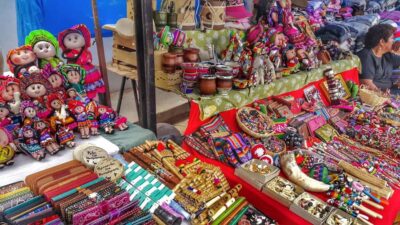
Salinas Grandes, Purmamarca & Los Colorados Hike
Read our review →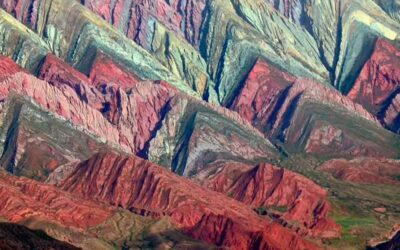
Serranías del Hornocal & Hill of 14 Colors Tour
Read our review →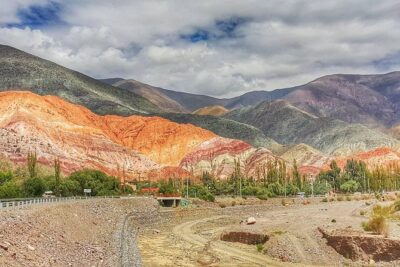
Full-Day Tour Salinas Grandes and Purmamarca from Salta
Read our review →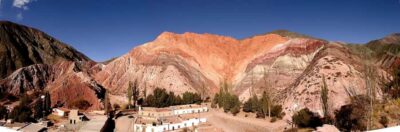
Full-Day Tour to Salinas Grandes and Purmamarca From Salta
Read our review →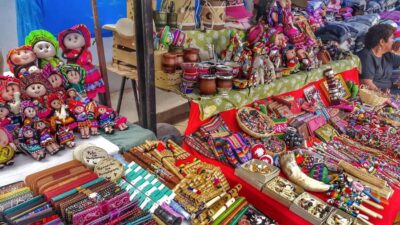
Hornocal: Tour of the 14 Colors Mountain & Humahuaca´s Gorge
Read our review →
Salinas Grandes, Purmamarca & Los Colorados Hike
Read our review →Browse the lists this tour appears in