
Reviewed · QUEBRADA DE HUMAHUACA TOURS
Quebrada de Humahuaca and Purmamarca
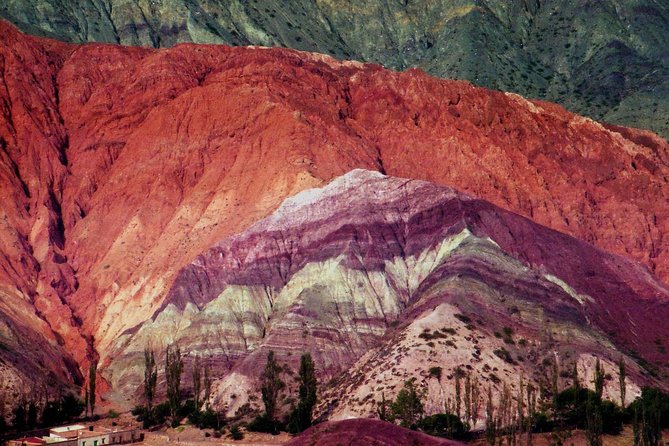
The main event here is the Quebrada de Humahuaca, a long mountain valley where red, green, cream, and purple rock folds rise above old villages and cactus-covered churches. From Salta, you spend a full day following the old route through Purmamarca, Tilcara, Uquía, and Humahuaca, then return by way of San Salvador de Jujuy.
I like two things in particular: the tour fits several major sights into one day, and the guide’s stories give meaning to the scenery, from Inca caravan routes to Argentina’s war for independence. The local markets, Cuzco School paintings, and pre-Incan ruins also give you more than a quick photo stop.
The drawback is the pace. Twelve hours is already a long day, and shared transport can make it longer, especially if passengers from different tours are combined. English commentary has also been uneven, so confirm the language before you pay.
In This Review
- Key points to know before you book
- Why the Quebrada de Humahuaca is worth the long day
- The early drive from Salta to Purmamarca
- Purmamarca and the cactus-roofed church
- Tilcara and the Pucará ruins
- Huacalera, the Tropic of Capricorn, and Uquía
- Humahuaca at midday
- Maimará’s Painter’s Palette on the return
- San Salvador de Jujuy adds an urban finish
- What the $86 price really covers
- Who will enjoy this day most
- Should you book Quebrada de Humahuaca and Purmamarca?
- FAQ
- How long does the tour last?
- What time does pickup begin?
- Which places are included?
- Is lunch included?
- Is the entrance fee to the Tilcara ruins included?
- Is hotel transportation provided?
- Can I cancel for a full refund?
Key points to know before you book
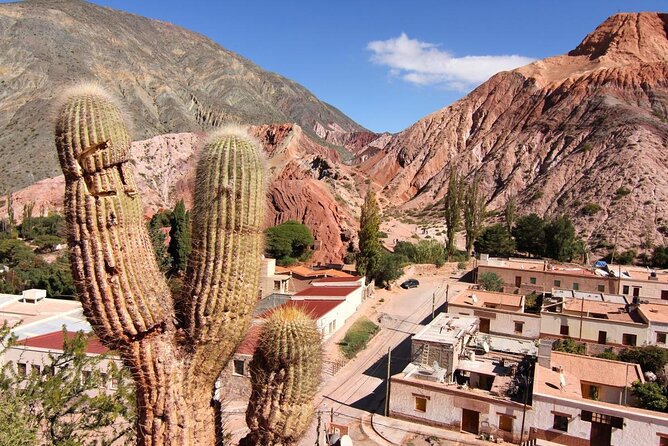
- Seven Colors Hill in Purmamarca: You get time to walk through the village, see its cactus-roofed church, and browse wool rugs and jewelry.
- Pucará de Tilcara: The hilltop ruins offer wide views and a useful introduction to the pre-Incan cultures of the valley, but the entrance fee is not included.
- A full chain of Andean villages: Huacalera, Uquía, Humahuaca, and Maimará each add a different piece of local culture and scenery.
- A long coach day from Salta: The round-trip drive is scenic but substantial, with early pickup and a return around the end of the day.
- Strong guides can make the difference: Guides named Abel, Pamela, Freddy, Jessie, Eva, and Noemí received especially warm praise for their energy and care.
- Lunch is on you: You may bring food, or ask the guide for a restaurant suggestion in Humahuaca, where you have about two hours.
Why the Quebrada de Humahuaca is worth the long day
The Quebrada de Humahuaca stretches about 95 miles, or 155 kilometers, through Jujuy Province. The Río Grande runs through the valley during the summer, while Route 9 carries modern traffic along a corridor used for centuries.
This was once an Inca caravan road. Later, it became a colonial trade route and a setting for battles during Argentina’s War of Independence. That mix of geography and history is what gives the day its shape. You are not simply driving past colored hills. You are following an old passage between the high Andes and the lower valleys.
The scenery changes as you go. Dry, sharply colored rock gives way to cactus, cultivated ground, and more subtropical vegetation near the return route. The coach usually makes stops on both sides of the valley, which helps you see the formations in changing light.
Still, keep your expectations realistic. This is a sightseeing circuit, not a hiking trip. Most visits are brief, and several stops are designed for photographs, short walks, churches, markets, or a museum visit.
More quebrada de humahuaca tours in Salta:
- From Salta: Full-Day Trip to Salinas Grandes and Purmamarca
★ 4.6 · 914 reviews - From Salta: Salinas Grandes, Purmamarca & Los Colorados Hike
★ 4.3 · 356 reviews - From Salta: Serranías del Hornocal & Hill of 14 Colors Tour
★ 4.4 · 339 reviews
The early drive from Salta to Purmamarca
Pickup begins around 7:00 a.m. from selected Salta hotels. Because this is a shared service, the coach may collect other passengers before leaving the city. The stated duration is about 12 hours, though hotel pickups, traffic, and passenger drop-offs can stretch the day.
The air-conditioned vehicle is a useful part of the package. You cover a great deal of ground, and the road back to Salta includes winding sections. Several people had a comfortable coach or minibus and a good driver, while one breakdown caused a delay of more than two hours. That sort of problem is not normal, but it is worth knowing that a packed day leaves little room for trouble.
The first long section takes you toward the Quebrada. A good guide fills the drive with background on the Incas, colonial trade, local customs, and the valley’s rock formations. Abel was singled out for keeping a mixed group interested during the long journey, while Pamela, Freddy, Jessie, Eva, and Noemí were also praised for energy, care, and clear explanations.
If you need English, ask specifically about the language of your departure. Some English-speaking customers received good translations, but others found that most of the commentary was in Spanish, with English shortened or delivered after the coach had already passed a sight. A guide may be friendly and capable yet still have too little time to translate every explanation fully.
Purmamarca and the cactus-roofed church
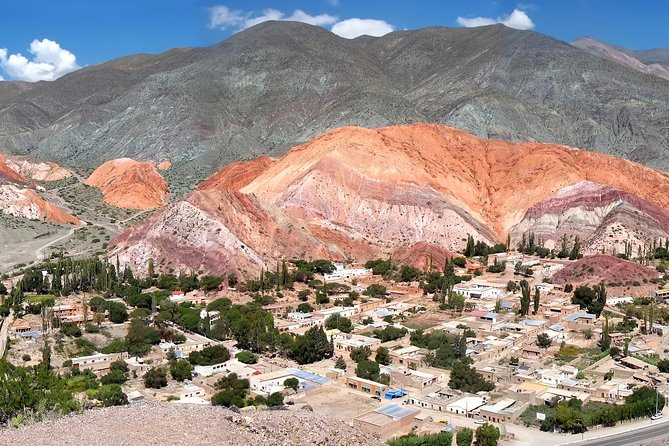
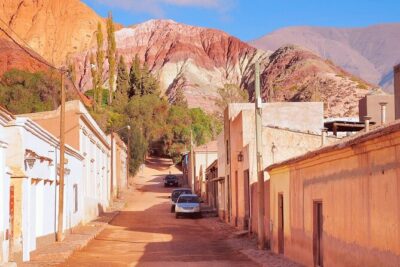
Purmamarca is usually the first major stop. This small village sits beneath Cerro de los Siete Colores, or Seven Colors Hill, one of the most recognizable formations in northern Argentina.
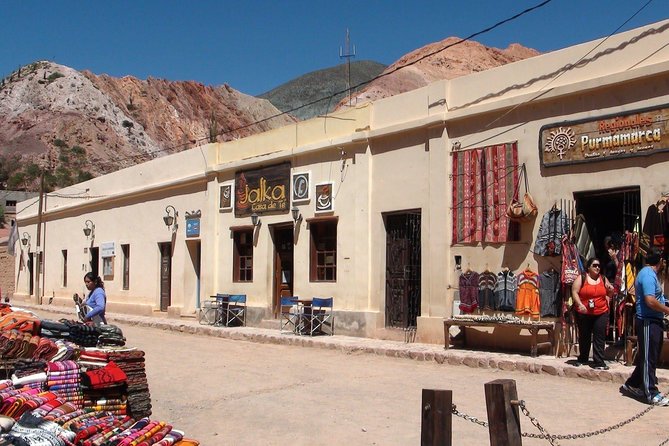
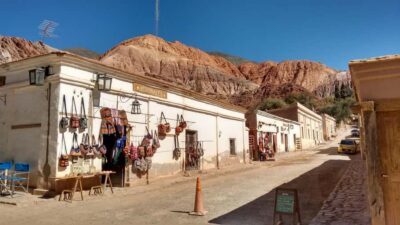
You can walk the streets, look around the craft market, and visit the church with a roof covered in organ-pipe cacti. The market focuses on items such as jewelry, wool rugs, and other local handicrafts. Prices here were described as cheaper than in Salta and Buenos Aires, making this a sensible place to compare goods before buying.
The village stop lasts about an hour, followed by roughly 20 minutes for Seven Colors Hill. That is enough to see the formation and take photographs, but not enough for a leisurely walk around every part of town.
One practical detail matters: the photo stop for the hill may be at a roadside location rather than a formal viewpoint. That can feel less satisfying than standing across the valley at a dedicated overlook. You will still see the colors, but the setting may not match the grand views you imagine from photographs.
Tilcara and the Pucará ruins
The route continues to Tilcara, one of the best places on the day for a sense of the valley’s earlier cultures. The Pucará de Tilcara is a pre-Incan fortified settlement on a hill outside town. From the site, you get broad views over the valley and a clearer idea of why this route mattered.
The ruins are followed by time in the town square and a visit to the archaeological museum. The combination works well: the hill shows you the physical setting, while the museum adds objects and context.
The scheduled visit is about an hour, so you should expect an introduction rather than a detailed archaeological visit. The entrance fee to the Tilcara ruins is not included in the tour price. Bring extra Argentine pesos or a payment method accepted at the site, and check the current charge before departure because the supplied tour details do not give an amount.
Tilcara can easily fill much more than an hour. If you want time for a careful museum visit, a long look at the ruins, and a relaxed town walk, an independent day or overnight stay would serve you better.
Same city, a completely different kind of day:
- From Salta: Full-Day Tour to Cafayate with Wine Tasting
★ 4.5 · 478 reviews - From Salta: Cafayate, land of wines and imposing ravines
★ 4.4 · 347 reviews - Full-Day Tour Cafayate Calchaqui Valleys with Wine
★ 4.5 · 347 reviews - From Salta: Cachi and Los Cardones National Park Tour
★ 4.5 · 285 reviews
Huacalera, the Tropic of Capricorn, and Uquía
At Huacalera, the group crosses the Tropic of Capricorn. A sundial marks the spot, and the coach descends briefly so you can take photographs. The stop is short, around 30 minutes, but it breaks up the drive and gives you a simple geographic marker to remember.
You also pass the multicolored hill called La Pollera de la Coya, sometimes rendered as Pollera de la Colla. Its name refers to the shape and colors of a traditional Andean skirt. The formation is another quick roadside sight, so have your camera ready and listen for the guide’s cue.
Uquía offers a different kind of stop. Inside the local church are 17th-century paintings made by Indigenous students of the Cuzco School, the Roman Catholic art tradition founded in Peru. The paintings show the meeting of European religious subjects and local artistic traditions.
The visit lasts about 30 minutes. That is enough for a focused look, but church access and viewing conditions can affect how long you spend inside. Uquía is not a market stop, and its value comes from the art and cultural background rather than a large list of attractions.
Humahuaca at midday
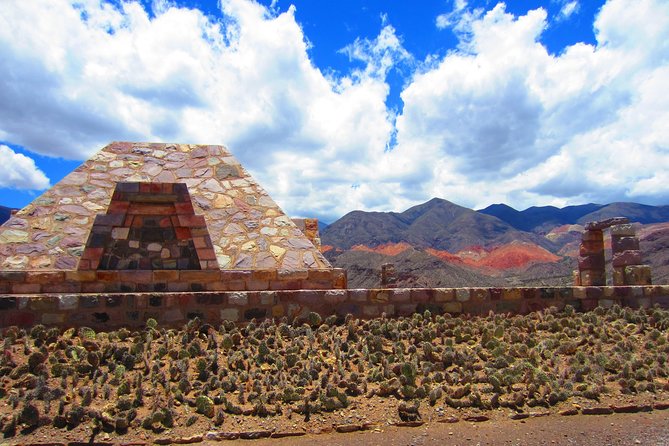
Humahuaca is the northernmost stop and usually the day’s main town visit. White colonial buildings line cobbled streets, and the Monument of Independence rises above the town. Built in 1950, the monument looks toward the Río Grande valley and gives you a strong view from the top of the steps.
You also visit the cathedral, where more Cuzco School paintings can be seen. The town’s churches and civic buildings help connect the visual beauty of the valley with the region’s Spanish colonial period and its later role in Argentina’s independence struggle.
About two hours are set aside here, including lunch. Food is not included, so budget separately. You can ask the guide for a recommendation, but you are not required to eat at a particular place according to the tour terms. That freedom matters because the quality of the suggested restaurant has not always been consistent. One poor experience involved uncooked chicken, while other meals were described as inexpensive and acceptable.
I would treat lunch as a chance to choose carefully. If you prefer a particular type of food, need a special diet, or simply want more control, bring something from Salta or ask to see a menu before sitting down. You may also bring your own food and drinks on the coach.
Humahuaca is a good place to buy small crafts, but the stop can feel rushed if you want both lunch and a thorough walk. Keep an eye on the departure time. The coach cannot leave until the whole group is back.
Maimará’s Painter’s Palette on the return
After lunch, the coach heads south and passes La Paleta del Pintor, or Painter’s Palette, near Maimará. The formation is made of sharp triangular ridges striped in rose, green, and ocher. It frames the town and is one of the most memorable views from the road.
The schedule allows about an hour for this part of the route, though the exact amount of time outside the vehicle can vary. Some outings focus on passing viewpoints rather than making repeated photo stops, so this is another place where a window seat helps.
The return route shows how quickly the valley changes. You may see more plant life as the road approaches Santa Laura Pass, La Cienaga dam, Las Maderas, Campo Alegre, and Vaqueros. Route 9 becomes narrow and winding, with long stretches where the view is the main attraction.
San Salvador de Jujuy adds an urban finish
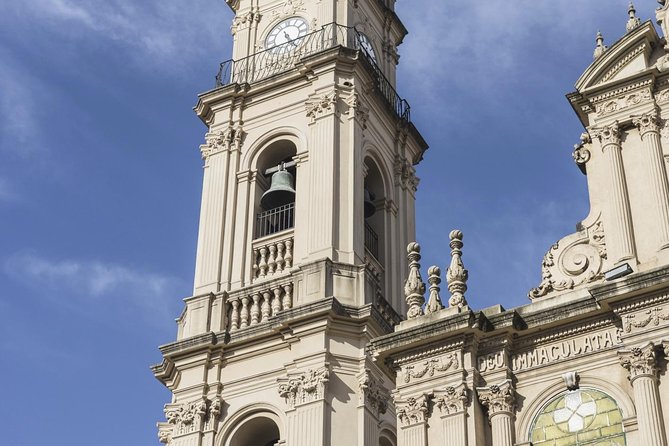
The final substantial stop is San Salvador de Jujuy. Here, the focus shifts from small Andean villages and rock formations to civic and religious buildings.
You visit the Cathedral of San Salvador de Jujuy and the French Baroque-style Flag’s Hall. The route also passes the Government House. These stops add national history and architecture to a day otherwise dominated by mountain scenery.
The city visit can also create delays. Shared departures may need to drop off passengers in Jujuy before continuing to Salta, and traffic has made the final leg much longer for some groups. If you have an evening flight, dinner reservation, or bus connection, do not schedule it tightly after the advertised return.
What the $86 price really covers
At $86 per person, this is a reasonably practical way to reach several places in Jujuy Province from Salta in a single day. The price includes hotel pickup and drop-off, an air-conditioned vehicle, and a professional guide. Organizing this route yourself would require arranging transport, checking road connections, and coordinating multiple stops.
The value is strongest if you have only one free day and want an overview. You see Purmamarca, Tilcara, Humahuaca, Uquía, Huacalera, Maimará, and San Salvador de Jujuy without changing hotels.
The value is weaker if you dislike long coach journeys or want to linger. Lunch, drinks, and the Tilcara ruins entrance are extra. The group can reach 30 people, although some departures are much smaller, including one reported group of seven. A small group makes the stops easier and usually gives you more access to the guide.
There is also a scheduling risk. Some departures have combined multiple tour programs in one coach. One particularly frustrating experience involved more than four hours waiting in Humahuaca while another section of the group visited additional sites. Ask the operator how many programs share the vehicle and which itinerary you are buying.
Who will enjoy this day most
I would recommend this outing to a first-time visitor based in Salta who wants to see the major sights of the Quebrada without renting a car. It suits people who enjoy scenery, short cultural visits, local crafts, and a guide-led introduction to Indigenous and colonial history.
It is also a good match for solo visitors. The hotel transfer removes much of the planning, and guides have helped individual English speakers with seating, ordering food, and photo requests.
You may want a different plan if you have already seen Purmamarca and Tilcara, need a slow pace, or want serious time at the ruins and museums. An overnight stay in the valley would allow you to see more at a calmer rhythm, though that is not part of this experience.
Wear comfortable shoes and clothes. Bring sunscreen, a jacket or sweater, water, and money for lunch and the ruins. Temperatures can change during a long day between Salta and the higher valley, so a light extra layer is sensible.
Should you book Quebrada de Humahuaca and Purmamarca?
Book it if your priority is seeing a lot in one day. The scenery is exceptional, the cultural stops are varied, and the $86 fee covers the transport and guide work that make this route possible from Salta. Strong guides such as Abel, Pamela, Freddy, Jessie, Eva, or Noemí can turn the long drive into an engaging lesson.
Before booking, confirm three things: the guide language, the exact pickup window, and whether other tour groups will share the coach. If those details are clear, this is a solid introduction to northern Argentina. If you want quiet roads, long walks, or complete control over meals and stops, plan the valley independently instead.
The experience is rated 4.3 out of 5 from 75 ratings, which fits the picture: striking scenery and often excellent guides, balanced by a demanding schedule and occasional organization problems. Free cancellation is available up to 24 hours before the start time, subject to the minimum group requirement.
FAQ
How long does the tour last?
The tour lasts approximately 12 hours, beginning with early morning pickup in Salta and ending with drop-off after the return journey.
What time does pickup begin?
The listed start time is 7:00 a.m. Pickup is from selected hotels in Salta, though shared hotel transfers can take additional time.
Which places are included?
The route includes the Quebrada de Humahuaca, Purmamarca, Cerro de los Siete Colores, Tilcara, Pucará de Tilcara, Huacalera, the Tropic of Capricorn sundial, La Pollera de la Coya, Uquía, Humahuaca, La Paleta del Pintor near Maimará, and San Salvador de Jujuy.
Is lunch included?
No. Food and drinks are not included. You may buy lunch in Humahuaca or bring your own food and drinks.
Is the entrance fee to the Tilcara ruins included?
No. The entrance fee to Pucará de Tilcara is an additional cost.
Is hotel transportation provided?
Yes. Pickup and drop-off from most Salta hotels are included in the experience.
Can I cancel for a full refund?
Yes, if you cancel at least 24 hours before the experience start time. Cancellations made less than 24 hours in advance are not refunded, and the tour may be changed or refunded if its minimum number of participants is not reached.
Just added around Salta
- Trekking Purmamarca★ 5.0 · 52 reviews
- Salinas Grandes and Purmamarca Full Day Tour★ 4.5 · 34 reviews
- Tilcara: 2 hours cycling tour trough the rural area★ 5.0 · 5 reviews
- Salta: Tour to the Salinas Grandes and Purmamarca★ 3.7 · 3 reviews
- From Salta: Cafayate, Humahuaca, Cachi, & Salinas Grandes★ 4.3 · 13 reviews
- Salta or Jujuy: Iruya and Salinas Grandes 2-Day Tour★ 4.3 · 3 reviews
- From Salta: Quebrada de Humahuaca, Purmamarca and Tilcara★ 4.2 · 43 reviews
- From Salta: Cafayate, Cachi and Salinas Grandes in 3 days★ 3.3 · 6 reviews
Quebrada de Humahuaca Tours, compared.
Full-Day Trip to Salinas Grandes and Purmamarca
Read our review →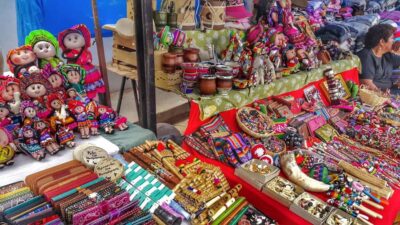
Salinas Grandes, Purmamarca & Los Colorados Hike
Read our review →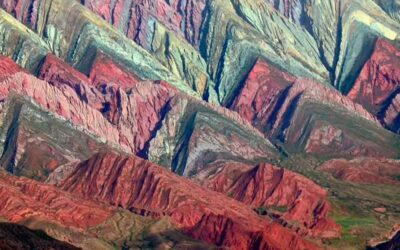
Serranías del Hornocal & Hill of 14 Colors Tour
Read our review →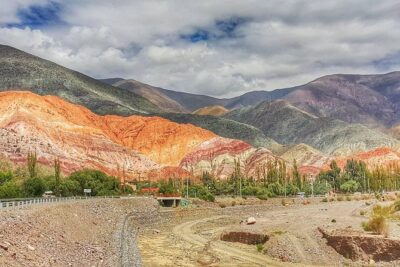
Full-Day Tour Salinas Grandes and Purmamarca from Salta
Read our review →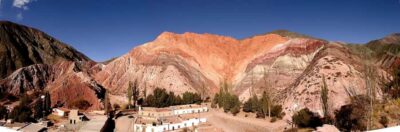
Full-Day Tour to Salinas Grandes and Purmamarca From Salta
Read our review →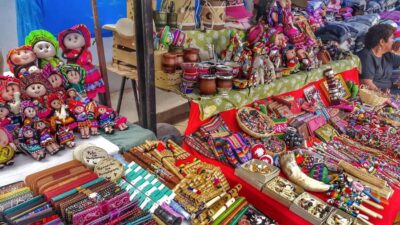
Hornocal: Tour of the 14 Colors Mountain & Humahuaca´s Gorge
Read our review →
Salinas Grandes, Purmamarca & Los Colorados Hike
Read our review →Browse the lists this tour appears in