
Reviewed · MENDOZA TOURS
Wonders of the High Andes from Mendoza
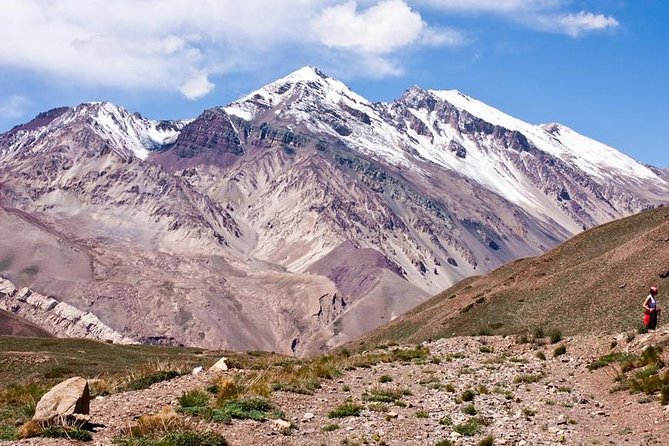
The big draw here is the High Andes scenery, not a long walk or a polished mountain resort. In one very full day, you follow the Mendoza River toward Potrerillos Dam, pass old Andean settlements and railway villages, see Puente del Inca, and reach views of Aconcagua, the highest mountain in the Western Hemisphere.
I like two things right away: you avoid driving roughly 400 kilometers of unfamiliar mountain roads, and the route gives you a broad look at places that are hard to connect by public transport. I also like the mix of natural sights and human history, from the Huarpe and Inca frontier at Uspallata to the Cristo Redentor monument on the Chilean border.
The trade-off is simple: this is a long road day with short stops. The vehicle may carry up to 40 people, lunch is not included, and access to Cristo Redentor depends on weather, road traffic, and season. English guiding has also been uneven, so you should confirm that point before booking.
In This Review
- Key points to know before booking
- From Mendoza to Potrerillos Dam by the Mendoza River
- Uspallata and the Huarpe and Inca frontier
- Puente Picheuta, Polvaredas, and Punta de Vacas
- Penitentes and the changing face of the Andes
- Puente del Inca, a natural bridge over hot springs
- Aconcagua viewpoint and the highest mountain in the Americas
- Las Cuevas at 3,200 meters
- Cristo Redentor, a border monument with a seasonal visit
- The guide, vehicle, and bilingual service
- Is $67 good value for this mountain day?
- Who should book this experience?
- Should you book the High Andes from Mendoza?
- FAQ
- How long does the High Andes tour from Mendoza last?
- What time does the tour begin?
- Is hotel pickup included?
- Is Cristo Redentor included on every departure?
- Will I see Aconcagua?
- How high does the tour go?
- Is lunch included?
- What type of vehicle is used?
- Is an English-speaking guide included?
- Can I cancel for a full refund?
Key points to know before booking
- Aconcagua is viewed from a roadside viewpoint: You get a picture stop toward the 6,900-meter peak, but this is not an Aconcagua hike.
- Cristo Redentor is seasonal: The monument visit is available only from January through March and can be canceled because of weather or truck traffic.
- The day begins early and ends late: Pickup starts around 7:30 a.m., with a usual return near 5:30 p.m. Summer visits to Cristo Redentor can push the finish to about 8 p.m.
- Altitude becomes serious: Las Cuevas sits at about 3,200 meters, while Cristo Redentor reaches about 4,200 meters.
- Lunch and drinks cost extra: Bring water and money for food. Mountain restaurants can be expensive, and the quality may not suit everyone.
- Guide language needs checking: The tour includes English and Spanish guiding, but the quality of English commentary has varied.
From Mendoza to Potrerillos Dam by the Mendoza River
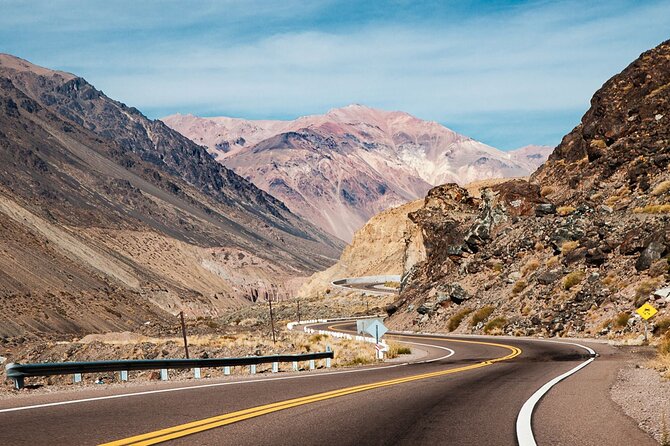
Your pickup begins early from selected Mendoza hotels. The first part of the journey follows the Mendoza River toward Uspallata, with views of the Cordon del Plata range and Potrerillos Dam.
Potrerillos is more than a quick photo stop. It is an important water and power project for the region, supplying irrigation water and generating electricity. The dam also gives you an early taste of the changing scenery, as Mendoza’s dry foothills give way to taller, rougher mountains.
This opening stretch is mainly viewed through the vehicle windows. That matters because the tour is built around distance. You will spend more time riding than walking, but the road itself is part of the experience. An air-conditioned vehicle is a real benefit here, particularly on a full day with changing temperatures and high sun.
Pickup timing deserves attention. The advertised start is 7:30 a.m., but hotel collection can take time, and the vehicle may spend extra minutes gathering people around central Mendoza. Be ready at the confirmed location and allow flexibility. A missed pickup can be difficult to fix once the vehicle begins its mountain route.
Other Mendoza days worth booking alongside this:
- From Mendoza: 3 Wineries, Olive Oil Factory Tour & Tasting
★ 4.6 · 901 reviews - From Mendoza: High Andes Aconcagua Mountain Tour
★ 4.4 · 767 reviews - Mendoza: Half-Day Wine Tour with Tastings
★ 4.3 · 727 reviews
Uspallata and the Huarpe and Inca frontier
Uspallata is the first substantial stop, with about an hour to look around. The town is associated with a pre-Hispanic Huarpe settlement and marks the southernmost reach of the Inca Empire.
You will not get a museum-style history lesson at every turn, so listen closely to the guide and use this stop to connect the land with its past. Uspallata was never just a convenient point on a tour map. Its position in the Andes made it useful for movement, trade, and routes between present-day Argentina and Chile.
This is also a practical break after the early pickup. You can stretch your legs, use facilities, and buy something small if needed. One useful habit is to fill your water bottle when you have the chance. The day gets colder and thinner as you climb, and it is easy to mistake dry mountain air for ordinary tiredness.
The quality of this stop depends heavily on the guide. Guides named Federico, Rocío, Esteban, Paula, Laila, and others have led versions of the excursion, but English ability and the amount of information can vary. Some guides explain clearly in both languages. Others have relied on another guide or a phone translation tool to help English-speaking passengers. If clear English history is important to you, ask the operator to confirm the language arrangement before paying.
Puente Picheuta, Polvaredas, and Punta de Vacas
The next part includes the villages and stops around Puente Picheuta, Polvaredas, and Punta de Vacas. You get roughly an hour in this section, although the exact balance can change with road conditions and the group’s pace.
Puente Picheuta is tied to an older crossing route through the Andes. The simple structure and surrounding peaks make it a good reminder that this corridor has long been used by people, armies, traders, and railway workers. Polvaredas adds a glimpse of the old railway world, while Punta de Vacas brings you farther into the mountain corridor.
Do not expect a long hike at each place. These are short walks and photo opportunities, not separate excursions. That can feel rushed if you want to study old buildings or geology, but it lets you cover much more ground in one day.
I would bring a warm layer even in summer. One person on the tour found the air chilly, and the temperature can change quickly as the road rises. Sunglasses, sunscreen, sturdy shoes, and a full water bottle are sensible. The supplied information does not promise hiking activities, so pack for brief outdoor stops rather than a trek.
Penitentes and the changing face of the Andes
Los Penitentes is a former or seasonal ski-resort area where you stop for panoramic views. The visit lasts about an hour, and entrance fees are not included if access to a paid area is required.
The name refers to the pointed snow and ice formations found in high mountain regions, though the views here are the real reason to stop. In winter, fresh snow can transform the entire route. In summer, you are more likely to see bare rock, dry slopes, and stronger contrasts between the mountain colors.
This is one of the places where the vehicle-based format makes sense. You can see a great deal of the range without committing to a strenuous climb. Still, the stop is not a substitute for a proper ski day or mountain walk. If you want active time in the Andes, this tour may feel too passive.
The road can also feel slow. You may stop often, and the route includes long climbs and descents. Some versions have used a Mercedes Sprinter, while other departures may use a larger bus. Vehicle size depends on the group, with a maximum of 40 people, so do not book this expecting a guaranteed small-group minivan.
Same city, a completely different kind of day:
- Mendoza: Sunset Horse Back Riding in the Mountains and BBQ
★ 4.9 · 515 reviews - Andes Day Trip from Mendoza Including Aconcagua, Uspallata and Puente del Inca
★ 4.5 · 419 reviews - From Mendoza: Andes High Mountain Full-Day Tour
★ 4.7 · 208 reviews - Premium Spa Day at Cacheuta Hot Springs
★ 4.5 · 160 reviews
Puente del Inca, a natural bridge over hot springs
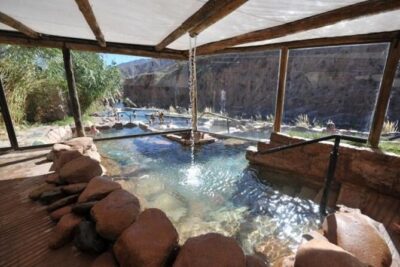
Puente del Inca is one of the most unusual sights on the route. The natural bridge crosses the gorge, and mineral deposits from hot springs have colored and shaped the rock into something that looks partly natural and partly built.
You get only about 10 minutes here according to the planned schedule, so keep your camera ready and follow the guide’s directions. This is a brief viewing stop rather than a long exploration. The colors and shape are best appreciated from the designated viewpoint, where the bridge appears against the mountain walls.
Puente del Inca is also where altitude may begin to affect you. One passenger developed nausea, dizziness, tiredness, shortness of breath, body aches, and blurred vision during the climb. Another person on the same outing felt fine. That difference is a useful warning: altitude affects people unpredictably.
You should not treat this as a minor detail. The route reaches around 3,200 meters at Las Cuevas and about 4,200 meters at Cristo Redentor. Take it slowly, drink water, and tell the guide if you feel unwell. The itinerary is demanding even without altitude symptoms, so anyone with concerns should seek medical advice before booking.
Aconcagua viewpoint and the highest mountain in the Americas
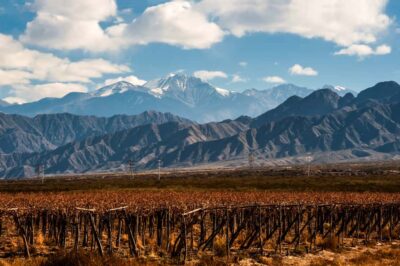
The Aconcagua viewpoint is one of the main reasons to choose this trip. The vehicle follows Route 7 to a place where you can photograph Aconcagua, listed here at about 6,900 meters above sea level, with Puente del Inca also part of the wider view.
This is a mountain-view stop, not an ascent. You will not hike toward the summit or spend time at a base camp. The appeal is the scale of the peak and the chance to see it from a high Andean road without arranging a separate expedition.
Weather can make a major difference. Clouds may cover the mountain, leaving you with a view of the range but not the famous summit. That is not a failure of the tour, but you should keep expectations realistic. Mountain visibility cannot be guaranteed.
The planned stop lasts around 30 minutes. That is enough for photographs and a short look around, though it may feel brief if the peak is clear. Pay attention to where the vehicle stops, since one reported version used a roadside point farther from the official viewpoint sign. Ask the guide where the best photo position is before wandering off.
Las Cuevas at 3,200 meters
Las Cuevas is the final village on the international route before the tunnel toward Chile. Its European-style appearance and high setting make it different from the earlier towns. At about 3,200 meters, it also gives you a clear sense that this is a high-altitude journey, not simply a scenic drive from Mendoza.
The scheduled stop is about an hour. This is often the practical meal break, but food is not included, and the mountain restaurants are a weak point for some visitors. Prices can be high, portions and quality can vary, and one restaurant received particularly poor comments about food, bathrooms, and lighting.
I would carry snacks rather than depend entirely on the lunch stop. A simple packed meal, water, and some cash give you more control. One passenger described a lunch costing 20,000 Argentine pesos with a drink, but prices change, so treat that figure only as a past example.
From Las Cuevas, a road leads toward the Cristo Redentor monument. This is where the trip becomes especially dependent on the season and road conditions. The route is high, exposed, and affected by snow and international traffic.
Cristo Redentor, a border monument with a seasonal visit
Cristo Redentor de los Andes represents cooperation between Argentina and Chile. The monument sits at about 4,200 meters, or 13,780 feet, and the approach gives you a dramatic view of the border mountains.
The tour description says this visit is available only from January through March. Even then, weather and traffic can prevent the climb. Heavy truck movement on the international route has also caused delays or made the final access impossible on some departures.
If the road is open, the visit lasts about an hour. In summer, reaching Cristo Redentor can extend the return to Mendoza until approximately 8 p.m., rather than the usual 5:30 p.m. That is a major difference. Do not schedule a flight, dinner reservation, or other fixed evening plan after this tour.
If access is closed, the rest of the High Andes route still offers worthwhile scenery, but you should understand that the monument is not guaranteed. A snowy day can also be beautiful in its own way, even when the final road is closed. The operator offers a different date or a full refund if the entire experience is canceled because of poor weather.
The guide, vehicle, and bilingual service
A professional English and Spanish guide is included, along with an air-conditioned vehicle. Strong guides have made a big difference. Federico explained in Spanish and then repeated the information in English at a pace one English speaker could follow. Rocío was praised for clear English, and Paula was noted for explaining the route carefully. Esteban has also been singled out for covering the Andes and its history well.
But you should not assume every departure will offer the same level of English. On one outing, Laila did not speak English, though she found help from another guide at stops. Another passenger found that the guide spoke English but often forgot to repeat information for non-Spanish speakers.
That makes language the most important thing to confirm before booking. If you speak Spanish, you will likely receive the fullest commentary. If you do not, ask specifically if the assigned guide will provide continuous English explanations, not just occasional translations.
The vehicle is another consideration. Some departures use a minivan, while others use a bus for as many as 40 people. A full vehicle means less personal space and more time getting on and off. Past passengers have described some vans as cramped, especially on the long return journey.
The driving itself matters on steep roads. Most reports describe safe, professional drivers, including Carlito, Javier, Romina, and Alexis. One detailed complaint raised concerns about vehicle warning lights and fast downhill driving. You cannot inspect the vehicle before departure, but you can speak up if you feel unsafe and report serious problems immediately.
Is $67 good value for this mountain day?
At $67 per person, this is a reasonably priced way to reach several distant Andean sights. The fee covers the guide, air-conditioned transport, and pickup and drop-off from selected hotels. Hiring a car would add rental costs, fuel, navigation, and the responsibility of driving mountain roads.
The value is strongest if you want coverage rather than freedom. You see Uspallata, Picheuta, Polvaredas, Penitentes, Puente del Inca, Aconcagua, Las Cuevas, and possibly Cristo Redentor in one day. No single stop receives a long visit, but you avoid having to organize the route yourself.
The price is less attractive if you expect meals, entrance fees, a small private group, or extended walks. Lunch and drinks are extra, Penitentes entrance is not included, and the group may be large. A cheaper local excursion may exist, while a private trip would offer more control but cost much more.
I would call it fair value for a first look at the Andes. I would not choose it for a relaxed day, serious hiking, or detailed photography at each stop.
Who should book this experience?
You should consider this tour if you have limited time in Mendoza and want to see the major High Andes sights without driving. It suits couples, families, solo visitors, and anyone interested in geology, mountain scenery, border history, or long scenic routes.
You should think twice if you are sensitive to altitude, uncomfortable in vehicles for most of a day, or unwilling to accept a possible 8 p.m. return. It is also a poor fit if reliable English commentary is essential and the operator cannot confirm the guide arrangement.
Wear warm clothing, bring water and snacks, use sun protection, and keep your schedule open after the tour. The trip is free to cancel up to 24 hours before departure, but changes or cancellations inside that period are not refunded. Most people can participate, but the altitude and long road time deserve honest consideration.
Should you book the High Andes from Mendoza?
Book it if your goal is to see a lot of the Andes in one organized day. The scenery is the star, and the route reaches places that are awkward to connect on your own. A clear day around Aconcagua and an open road to Cristo Redentor can make the long ride worthwhile.
Skip it if you need a small group, guaranteed English interpretation, a proper included meal, or plenty of time at each stop. Before booking, confirm the vehicle type, maximum group size, English guide availability, and whether Cristo Redentor is operating during your dates. With those expectations set, $67 buys a useful and memorable introduction to Mendoza’s high country.
FAQ
How long does the High Andes tour from Mendoza last?
The tour lasts about 10 hours. The usual return to selected Mendoza hotels is around 5:30 p.m., but summer departures that reach Cristo Redentor may return around 8 p.m.
What time does the tour begin?
The listed start time is 7:30 a.m. Hotel pickup begins around that time for selected hotels.
Is hotel pickup included?
Yes, pickup and drop-off are included for selected hotels. The experience ends back at the meeting point or selected hotel pickup area.
Is Cristo Redentor included on every departure?
No. The visit depends on weather and international-route traffic, and it is available only from January through March according to the tour details.
Will I see Aconcagua?
The route includes a stop at the Aconcagua viewpoint for photographs of the mountain. Visibility depends on weather, and the tour does not include a hike or climb.
How high does the tour go?
Las Cuevas is about 3,200 meters above sea level. Cristo Redentor is about 4,200 meters above sea level.
Is lunch included?
No. Food and drinks are not included. You should bring water and money or snacks for the meal stop.
What type of vehicle is used?
Transportation is provided in an air-conditioned vehicle. Depending on the group size, the departure may use a minivan or a bus, with a maximum of 40 people.
Is an English-speaking guide included?
The tour includes an English and Spanish professional guide. Since English service has varied between departures, confirm that the guide will provide regular English commentary.
Can I cancel for a full refund?
You can cancel at least 24 hours before the start time for a full refund. Cancellations or changes made less than 24 hours before departure are not refunded. If poor weather causes the operator to cancel the experience, you can receive a different date or a full refund.
Just added around Mendoza
- Zuccardi Legacy: A Journey Through Uco Valley’s Finest★ 5.0 · 5 reviews
- Wine Icons: Meet the sparkling world of Chandon★ 5.0 · 3 reviews
- Wine Idols: Meet El Enemigo by Alejandro Vigil★ 4.6 · 6 reviews
- Wine and Chocolate Bike Tour: ride, taste, lunch, vineyards.★ 4.1 · 10 reviews
- Visit & Tasting at Salentein + Lunch at La Azul★ 4.1 · 12 reviews
- Valle de Uco: Private Full Day Wine Tour with 3-Course Lunch★ 3.5 · 6 reviews
- Uco Valley, Mendoza: One-Day Private Wine Tour Experience★ 5.0 · 4 reviews
- From Mendoza: Trekking and Barbecue in the Andes★ 5.0 · 9 reviews
Mendoza Tours, compared.
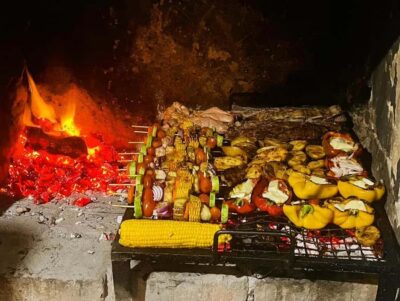
Sunset Horse Back Riding in the Mountains and BBQ
Read our review →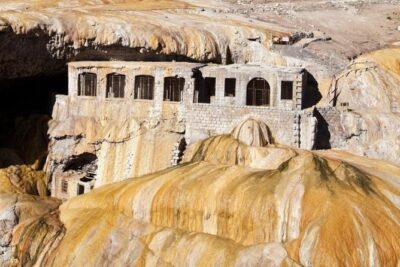
Andes Day Trip from Mendoza Including Aconcagua, Uspallata and Puente del Inca
Read our review →
Browse the lists this tour appears in