
Reviewed · WINE TOURS
From Cordoba: Private Wine tour & History
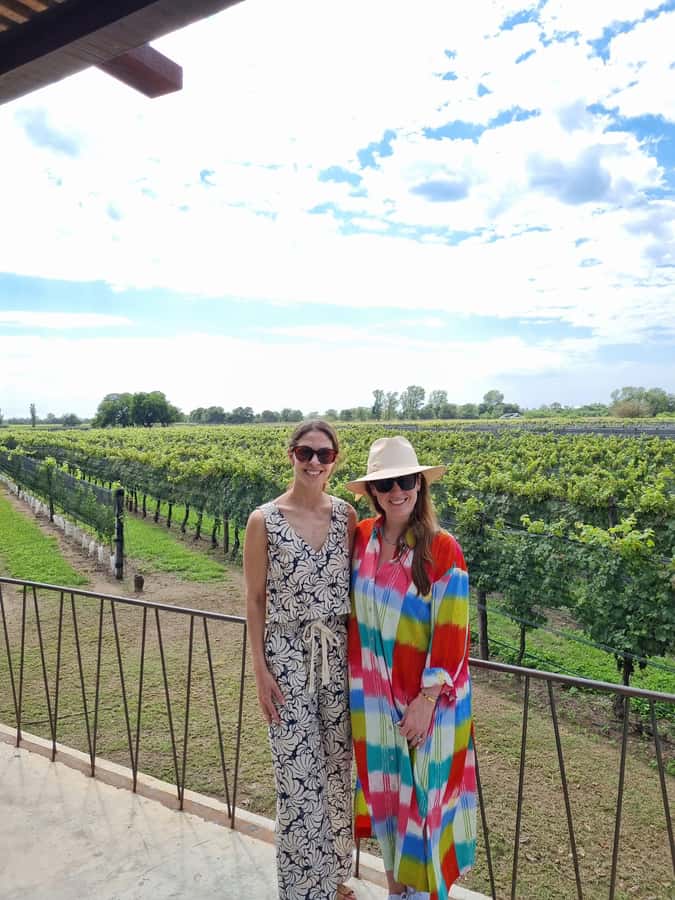
Córdoba’s wine country makes a fine partner for its colonial past. In one six-hour outing, you leave the city for a modern boutique winery, taste wines made entirely from Córdoba Province grapes, then follow the old Camino Real to the Jesuit estancia at Jesús María. It is a compact way to connect the glass in your hand with the region’s Spanish and Italian roots.
I like the small private format and the way wine, food, and history fit together without feeling like separate stops. I also like that guides such as Laura, Peter, and Pedro bring strong local context in English or Spanish. The main catch is that lunch and drinks are extra, so the $165 price per person does not cover the full cost of the day.
In This Review
- Key points to know before booking
- Why Córdoba wine country is worth the drive
- Terra Camiare and the story of Córdoba wine
- Colonia Caroya’s Italian food traditions
- Following the Camino Real to Jesús María
- A private tour with useful flexibility
- What the day feels like in practice
- Accessibility and food considerations
- Who will get the most from this Córdoba day trip?
- Should you book the Terra Camiare and Jesús María tour?
- FAQ
- How long does the private wine and history tour last?
- What time does pickup take place?
- Is lunch included in the price?
- Which wines can I taste?
- Is transportation included?
- Is the tour available in English?
Key points to know before booking
- A working Córdoba winery: Visit Terra Camiare’s vines, production areas, and tasting room rather than stopping only for a quick glass.
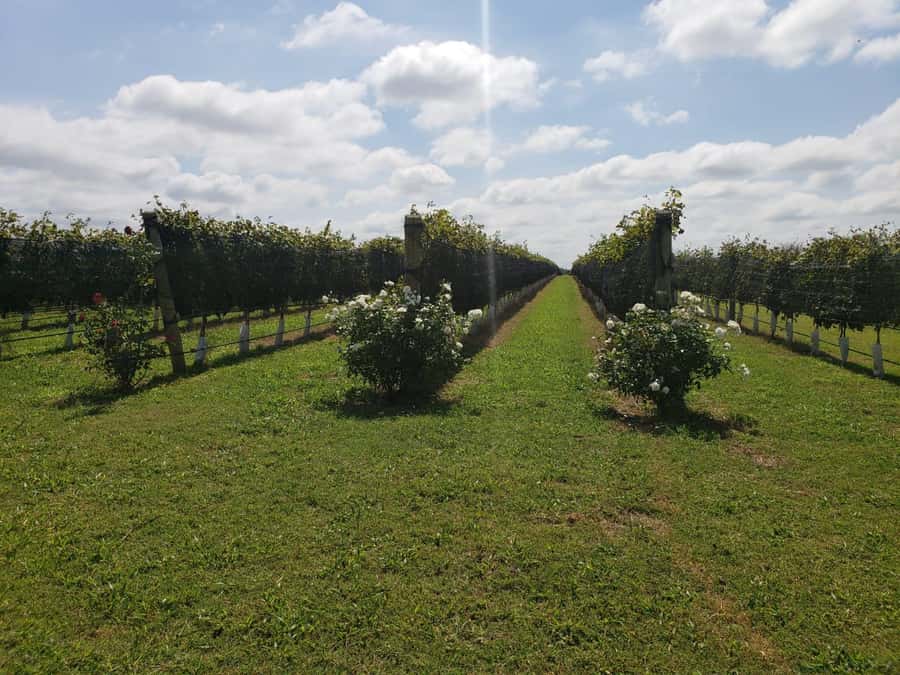
- Wine made in the province: Taste Malbec, Chardonnay, Cabernet blends, Isabella, and Frambua from Córdoba vineyards.
- Italian food traditions: Colonia Caroya is known for homemade salame, pastas, and wine, with local Italian roots still visible in the food.
- Jesuit history on the Camino Real: Visit the more than 300-year-old Estancia Jesuítica de Jesús María, a UNESCO World Heritage Monument.
- A private six-hour outing: Hotel pickup and return are included, with a car for up to three people and a van for larger groups.
- Lunch is separate: An asado or local meal can be part of the day, but food and drinks are not included in the tour price.
Why Córdoba wine country is worth the drive
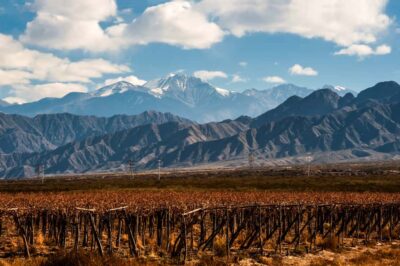
Many visitors come to Córdoba for its churches, university culture, and colonial buildings. This trip shows you another side of the province, one shaped by vineyards, Italian immigration, Jesuit estates, and the old road linking inland settlements.
The drive from Córdoba City to the winery takes about 50 minutes. That timing matters. You are not spending most of the day in a vehicle, but you do get far enough from the city to see the outing as a regional visit rather than a city add-on.
The experience begins with pickup at your hotel at 10:00 in the morning. You should wait in the lobby about 10 minutes before departure, wearing comfortable clothes. The tour runs rain or shine, so a light layer and practical shoes make sense even though the supplied instructions do not require special equipment.
Because this is a private group, the day can feel more personal than a large coach trip. Up to three people ride in a car. Larger parties use a van. That arrangement is useful for couples, families, or small groups who want to ask questions at their own pace.
A few more Argentina trips to weigh up
- Mendoza: Half-Day Wine Tour with Tastings
★ 4.3 · 727 reviews - From Salta: Full-Day Tour to Cafayate with Wine Tasting
★ 4.5 · 478 reviews - From Salta: Cafayate, land of wines and imposing ravines
★ 4.4 · 347 reviews
Terra Camiare and the story of Córdoba wine
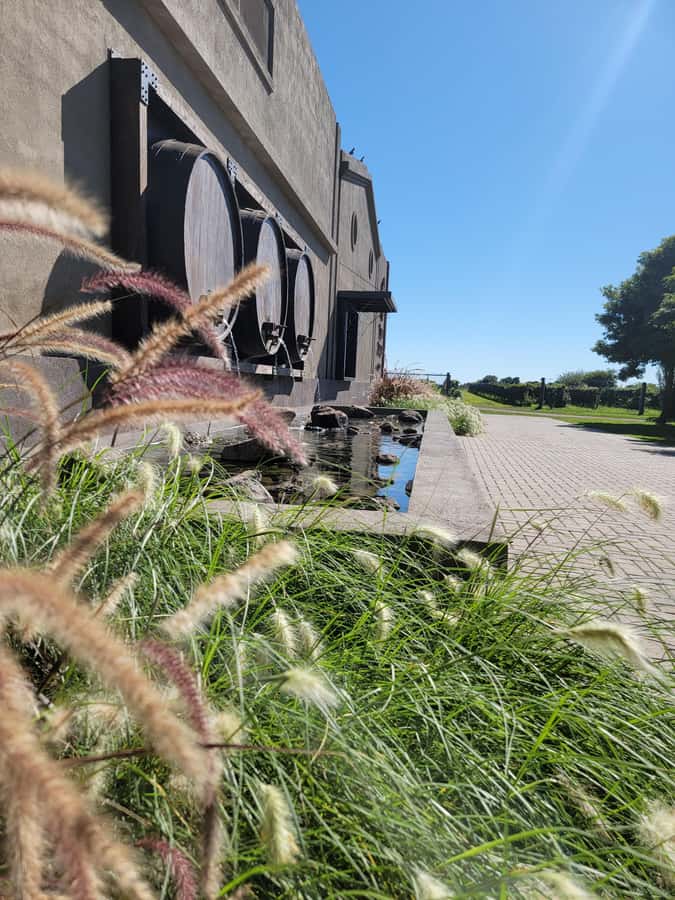
The first major stop is Terra Camiare, a modern boutique winery in the Colonia Caroya area. It occupies a former Italian family home that was once a winery, so the site joins old family traditions with modern production methods.
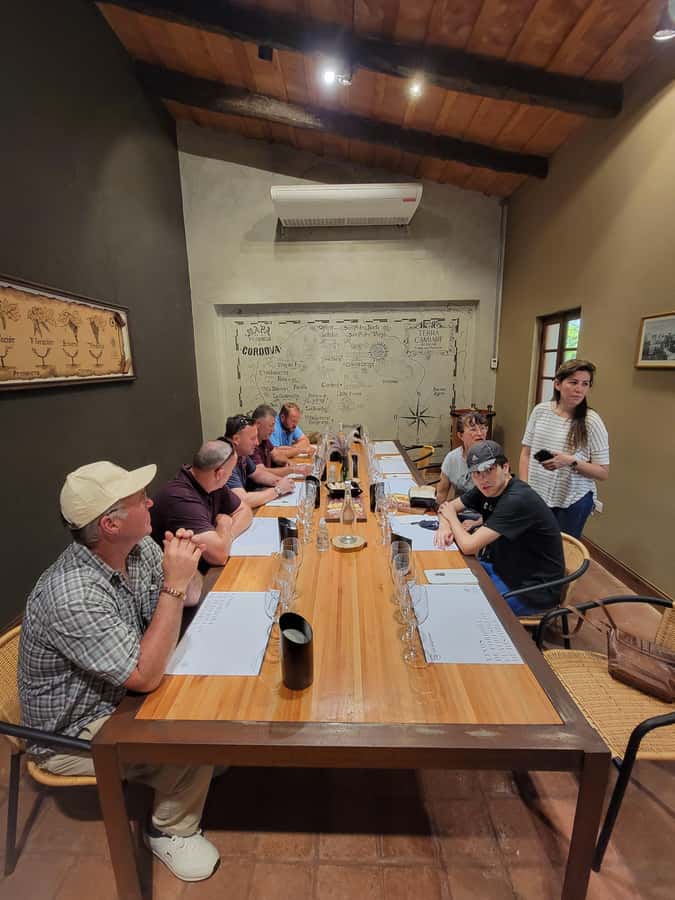
That contrast is one of the most interesting parts of the visit. You are not simply shown a row of barrels and handed a tasting sheet. You learn how wine is produced, see the vines, and visit the winery itself. The focus is on a working operation and on the fact that the grapes come entirely from Córdoba Province.
The tasting can include several very different styles:
- Malbec, Argentina’s best-known red grape
- Chardonnay
- Cabernet blends
- Isabella
- Frambua
The last two are especially useful for understanding the local character of the tasting. Isabella is a regional grape with a different profile from the varieties most international wine drinkers expect. Frambua adds another local point of interest. The exact bottles served can vary, but the lineup gives you a chance to compare familiar Argentine styles with less common local expressions.
Córdoba’s wine story reaches back to the 1500s, when the first wine from the area was reportedly sent to the King of Spain. That detail gives the winery visit some historical weight. Wine here is not only a recent tourism project. It belongs to a long chain of agriculture, religion, trade, and settlement.
The tasting is paired with local Italian charcuterie and appetizers. This is where Colonia Caroya’s identity becomes clear. Italian immigrants brought food and winemaking customs with them, and homemade salame, pasta, and wine remain part of the local culture.
I would treat the tasting as an introduction rather than a full wine course. The experience gives you useful context about production and regional grapes, but the available information does not promise a set number of wines or a technical class. If you are a serious wine collector, ask for current tasting details before booking.
Colonia Caroya’s Italian food traditions
Colonia Caroya is not just a convenient location near the winery. It is one of the places where Italian immigration has left a clear mark on Córdoba’s food and drink.
The local specialties include homemade salame, pastas, and wine. These foods make the stop feel tied to the community rather than designed only for visitors. The Italian connection also helps explain why the former family home at the winery matters. You can see how household food production, farming, and winemaking once worked together.
Lunch takes place at a local restaurant and lasts about an hour. The cost is not included, so plan your budget accordingly. An Argentine steakhouse or asado may be the choice, based on the meals associated with this outing. That can mean grilled meat and a substantial lunch, which fits naturally after a morning tasting.
There is a practical point here: this tour is not suitable for vegans. The food emphasis is on charcuterie, local appetizers, and Argentine meat, so plant-based diners should choose another outing unless the provider confirms a suitable alternative.
The tour also lists people with kidney problems as unsuitable. Since wine tasting and lunch are central parts of the day, anyone with medical dietary or alcohol restrictions should check with the provider before reserving.
Following the Camino Real to Jesús María
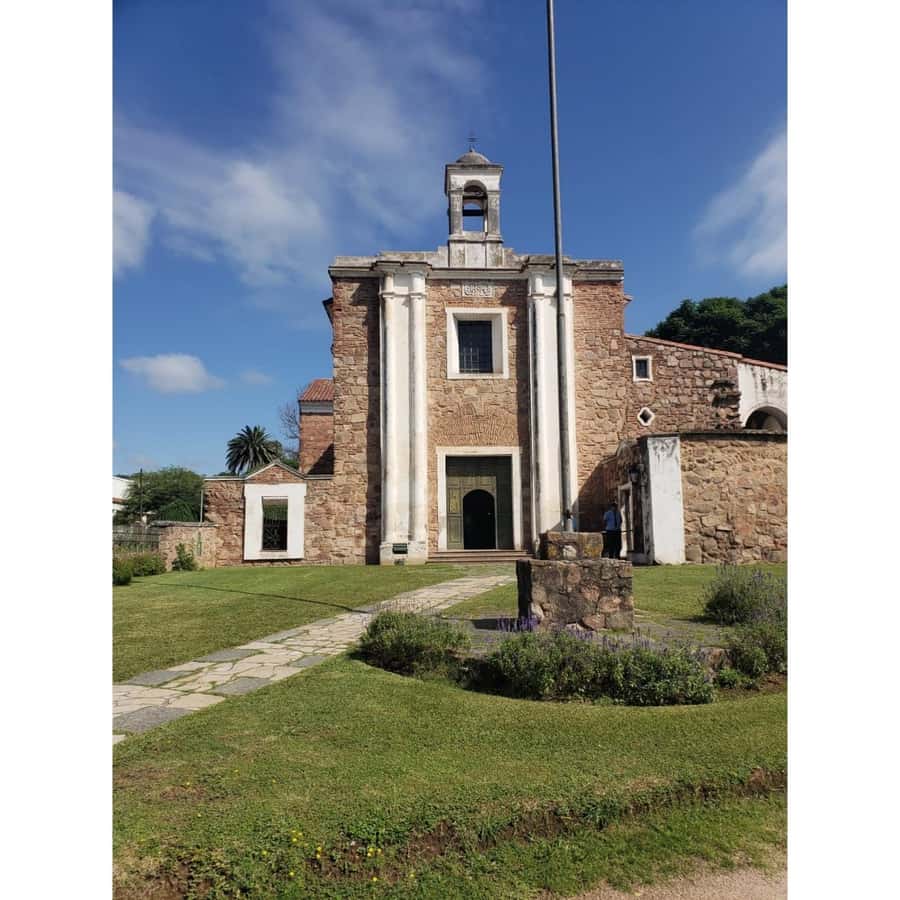
After wine and lunch, the tour turns from agriculture to colonial history. You visit Estancia Jesuítica de Jesús María, an estate with more than 300 years of history and UNESCO World Heritage status.
The estancia connects to the Camino Real, the historic route through the region. This was more than an attractive country road. It formed part of the network used to link settlements and move people and goods through the interior of what is now Argentina.
The Jesuits played a major role in the development of Córdoba. Their religious estates were also working properties, connected to farming, production, and education. At Jesús María, the value of the visit lies in seeing how faith and practical settlement operated together.
Give yourself time to notice the change in mood. Terra Camiare presents modern wine production inside a former Italian family setting. Jesús María takes you into a much older colonial world shaped by the Jesuits and the Camino Real. The two stops are close enough to fit into one day, but different enough to keep the outing from becoming repetitive.
The guided visit lasts about an hour. A good guide can make the difference here because the buildings alone do not explain the larger story. Pedro, for example, is associated with clear English explanations of local wine, Jesuit history, politics, and Argentina’s economy. Laura is also associated with strong knowledge of the area and its past, while Peter has a background in explaining the details of a working winery.
Guide assignments can change, so you should not assume a particular person will lead your group. Still, the available guide record suggests that history is treated as a central part of the experience, not as filler between tastings.
Same city, a completely different kind of day:
- El Calafate: Perito Moreno Glacier & Optional Boat Cruise
★ 4.7 · 2,586 reviews - Buenos Aires Hop-On Hop-Off Bus, Free Walking Tours & Discounts
★ 4.5 · 2,218 reviews - Buenos Aires: Piazzolla Tango Show with Optional Dinner
★ 4.4 · 2,122 reviews - Buenos Aires: City Highlights Guided Tour with Transfer
★ 4.7 · 1,946 reviews
A private tour with useful flexibility
Private transport is one of the strongest practical features. Pickup and drop-off at your Córdoba hotel remove the need to find a bus connection or arrange a taxi between rural stops.
The six-hour length also keeps the day manageable. You leave at 10:00 in the morning and return to Córdoba after the estancia visit. You get a countryside outing, lunch, wine, and a major historical site without giving up an entire day.
The private format may allow more questions and a pace that suits your group. It can also make the $165 per person price easier to justify if three or more people share the experience. For one person or a couple, the cost is higher than joining a group excursion, but you are paying for dedicated transport, hotel service, guiding, and a route that combines several interests.
The price does not include lunch or drinks. That is important because a local meal and extra wine can add noticeably to the final bill. I would think of the advertised cost as covering the organized touring day, not as an all-inclusive food package.
The outing is offered in English and Spanish. The language choice matters most at Jesús María, where background and explanation add much more than simply walking through the site. At the winery, it also helps you understand unfamiliar grapes such as Isabella and Frambua.
What the day feels like in practice
The first part of the day is active but not strenuous. You walk through the vineyard and winery, then taste wine and eat small local accompaniments. Comfortable clothing is the only stated requirement.
The middle of the day is slower. Lunch at a local restaurant gives you time to eat and reset before the historical visit. Since lunch is not included, you have some choice over what you order, though the exact restaurant and menu are not specified in advance.
The final portion is more cultural than culinary. At Jesús María, the guide explains the estate and its Jesuit connection. The route may also bring you into contact with local life. A previous outing happened to coincide with a rodeo in town, giving the group a chance to walk among residents during the festivities. That sort of coincidence cannot be guaranteed, but it shows how the day can connect with what is happening locally.
The tour operates in all weather. Rain will not automatically cancel the plan, so you should check the forecast and dress sensibly. Since the day includes outdoor vineyard time and walking at a historic estate, comfortable clothes are the safe choice.
Accessibility and food considerations
The information supplied about accessibility is inconsistent. The activity details describe it as wheelchair accessible, but the restrictions also say it is not suitable for wheelchair users. I would not rely on the accessibility label without confirming the exact vehicle, vineyard paths, winery access, restaurant setup, and Jesús María entry conditions directly with Scouting Sur.
It is also listed as unsuitable for people with visual impairments. That may reflect the walking, transport, or guiding format, but the reason is not specified. Ask for a clear explanation if this affects your decision.
The same caution applies to medical needs. People with kidney problems are specifically excluded, and vegans are not considered a good fit. The central role of wine, charcuterie, and asado means this outing works best for people comfortable with those parts of Argentine food culture.
Who will get the most from this Córdoba day trip?
I would recommend this tour to you if you want more than a standard wine tasting. It suits people who enjoy seeing production, asking questions, eating regional food, and placing local traditions in a wider historical setting.
It is also a good choice for first-time visitors to Córdoba who have only one spare day outside the city. You get three strong themes in one route: wine from provincial vineyards, Italian-Colonial food traditions, and Jesuit history.
History-minded visitors will appreciate Jesús María and the Camino Real. Wine drinkers will like the chance to taste Córdoba-grown bottles rather than focusing only on Mendoza. Food lovers get local charcuterie, pasta traditions, and the possibility of an asado.
I would be less likely to recommend it if you want a long, technical winery session, a cheap excursion, or a fully prepaid lunch. It is also not a good match for vegans or anyone who needs confirmed wheelchair access.
Should you book the Terra Camiare and Jesús María tour?
Book it if you value a private, well-rounded day and want Córdoba’s wine story linked to its Italian and Jesuit past. The guides associated with the outing, including Laura, Peter, and Pedro, bring useful local explanation, and the mix of vineyard, tasting, lunch, and UNESCO-listed history gives the price a reasonable basis for a small group.
Before paying, confirm the guide language, lunch arrangements, accessibility, and the exact tasting lineup. Also budget separately for food and drinks. If those points suit you, this is a thoughtful way to leave Córdoba City for a few hours and see how the province’s wine, food, religion, and settlement history fit together.
FAQ
How long does the private wine and history tour last?
The experience lasts six hours, including transportation, the winery visit and tasting, lunch time, the visit to Jesús María, and the return to Córdoba.
What time does pickup take place?
Pickup is scheduled for 10:00 in the morning. You should wait in your hotel lobby 10 minutes before the scheduled pickup time.
Is lunch included in the price?
No. Lunch and drinks are not included. Lunch takes place at a local restaurant, so you should plan to pay separately for your meal and any beverages.
Which wines can I taste?
The tasting may include Malbec, Chardonnay, Cabernet blends, Isabella, and Frambua. The wines are produced from vineyards in Córdoba Province.
Is transportation included?
Yes. Hotel pickup and drop-off and transportation from Córdoba are included. Groups of up to three people use a car, while larger groups travel in a van.
Is the tour available in English?
Yes. Guiding is available in English and Spanish. The tour is private, and guide names associated with the experience include Laura, Peter, and Pedro, though the assigned guide may vary.
Just added around Argentina
- Zuccardi Legacy: A Journey Through Uco Valley’s Finest★ 5.0 · 5 reviews
- Tango Show at El Querandi with optional Dinner★ 4.2 · 3 reviews
- Wine Tasting in Buenos Aires★ 4.2 · 4 reviews
- Zuccardi Full Paired Lunch at Piedra Infinita in Uco Valley★ 3.0 · 3 reviews
- Wine Icons: Meet the sparkling world of Chandon★ 5.0 · 3 reviews
- Wine Idols: Meet El Enemigo by Alejandro Vigil★ 4.6 · 6 reviews
- Wine and Chocolate Bike Tour: ride, taste, lunch, vineyards.★ 4.1 · 10 reviews
- Wine Icons: Meet Salentein at the heart of Uco Valley★ 4.1 · 6 reviews
Wine Tours, compared.
Full-Day Tour Cafayate Calchaqui Valleys with Wine
Read our review →
Browse the lists this tour appears in