
Reviewed · WINE TOURS
Wine Tasting in Buenos Aires
Argentina puts a lot of character into a wine glass, and this tasting gives you a quick tour of the country without leaving Buenos Aires. In one hour, you sample bottles from Salta, Patagonia, Mendoza, and Entre Ríos, paired with cheeses, cold cuts, bruschetta, and empanadas.
I like the clear regional focus, especially the chance to compare Torrontés, Malbec, Tannat, and other grapes in a single sitting. I also like the relaxed bar and shop setting, which makes this feel more personal than a large wine event.
The main catch is the pace. One hour is short, and the tasting may feel rushed if you want detailed explanations or time to linger over each pour. The published details also conflict slightly, listing three glasses in one place and four wines in the menu, so confirm the exact format when booking.
In This Review
- Key points to know before booking
- Four regions in four glasses
- The Catena Zapata menu for a focused tasting
- The food is more than decoration
- A personal bar setting, not a large group event
- How much wine information will you receive?
- Is $60 a fair price?
- Who will enjoy this tasting most?
- Timing, booking, and what to bring
- My verdict on the Federal and Catena options
- Should you book this Buenos Aires wine tasting?
- FAQ
- How long does the wine tasting last?
- How many wines are included?
- What wines are on the Federal Tasting Menu?
- What wines are on the Catena Zapata Clásico menu?
- What food is included?
- Are extra drinks or food included?
- Is transportation provided?
- Can children attend?
Key points to know before booking
- Four regional wines on the Federal menu: Taste bottles from Salta, Patagonia, Mendoza, and Entre Ríos.
- Catena Zapata option: Try four labels connected with one of Argentina’s best-known wineries.
- Food is part of the tasting: Expect bruschetta, selected cheeses, assorted cold cuts, and a traditional empanada.
- One-hour format: This works well as a compact afternoon activity, but it leaves little room for a slow, technical tasting.
- English and Spanish guides: The guide explains the tasting in either language, though the amount of detail may vary.
- Adult-only experience: Participants must be at least 18, and transport is not included.
Four regions in four glasses
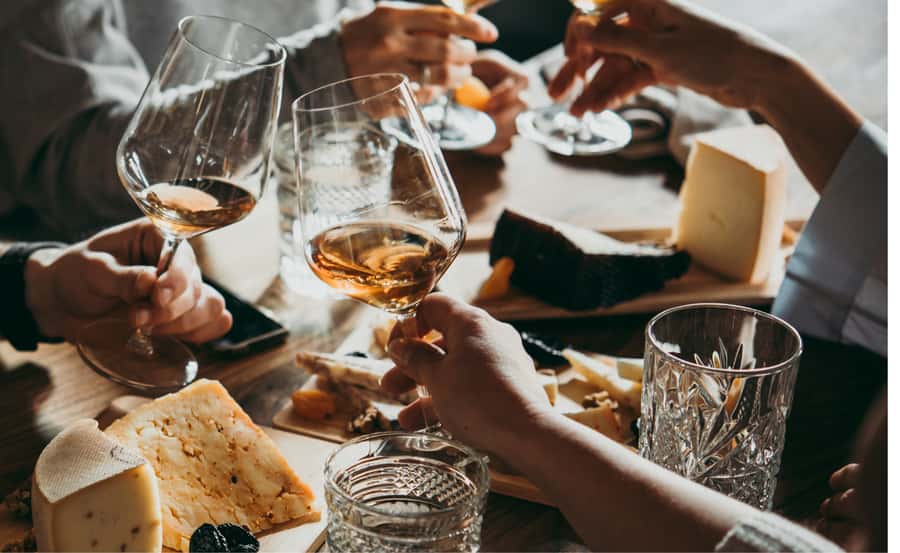
The Federal Tasting Menu is the broader introduction to Argentine wine. It moves across the country rather than staying with one producer, giving you a useful sense of how different growing areas shape the wines in your glass.
The first pairing begins with a Coquena Torrontés from Salta and Bruschetta Serrana. Torrontés is one of Argentina’s signature white grapes, and Salta is among the country’s best-known areas for producing it. This is a bright way to begin, with the bruschetta providing a savory bite before the heavier red wines arrive.
Next comes a selection of cheeses with Primogénito Noir from Patagonia. Patagonia is associated with cooler conditions than Mendoza, and Pinot Noir can show a lighter, more delicate side than the bold reds many people expect from Argentina. The cheese pairing gives this course enough substance without making it too heavy.
The third stop is the country’s most famous wine region: Mendoza. You taste Gouguenheim Reserva Malbec from Tupungato, served with cold cuts. Tupungato sits in the high-altitude Uco Valley area, a name you will often see on Argentine wine lists. This is the point in the tasting where you get the full-bodied red most closely linked with Argentina, and the cold cuts make practical sense beside it.
The final pairing takes you to Entre Ríos with Julepe Tannat, served with a traditional empanada. Tannat is often linked with Uruguay, but this course shows that the grape also has a place in Argentina. Finishing with an empanada gives the tasting a local food connection rather than ending with cheese and charcuterie alone.
I like this menu because it teaches through comparison. You are not simply sampling four unrelated bottles. You are moving from north to south, then through some of Argentina’s key wine areas, with each course offering a different style and food match.
A few more Buenos Aires trips to weigh up
- Buenos Aires: Wine Tasting and Lunch at Bodega Gamboa
★ 4.8 · 177 reviews - Premium Argentinian Wines and Malbec Tasting Experience
★ 4.6 · 60 reviews - Buenos Aires: Palacio Barolo Guided Night Tour with Wine
★ 4.4 · 54 reviews
The Catena Zapata menu for a focused tasting
The second choice is the Catena Zapata Clásico menu. Instead of presenting several regional producers, it concentrates on labels associated with one of Argentina’s most recognized wineries.
The opening pairing is Bruschetta Serrana with Saint Felicien Chardonnay. This gives you a familiar international grape in an Argentine setting. Chardonnay can vary widely depending on how it is made, so this first pour offers a gentle way to compare the house style with the more distinctly Argentine Torrontés in the Federal menu.
Selected cheeses accompany Nicasia Cabernet Franc. Cabernet Franc has become increasingly important in Argentina, particularly for drinkers who want a red with more herbal and structured character than a typical Malbec. Cheese is a sensible match here, keeping the second course savory and easygoing.
The third pairing is assorted cold cuts with DV Catena Cabernet-Malbec. This blend combines two grapes that are strongly associated with Argentine wine. The cold cuts should help soften the wine’s weight and tannin, making this a satisfying middle-to-late course.
The final glass is DV Catena Syrah-Syrah, served with a traditional empanada. The pairing brings the menu back to a distinctly Argentine snack while keeping the wine selection centered on Catena Zapata labels.
Choose this option if you already know you like Catena Zapata or if you want a more consistent producer-focused tasting. Choose the Federal menu if your main goal is to understand the contrast between Argentine regions. Neither option is automatically better. They answer different questions.
The food is more than decoration
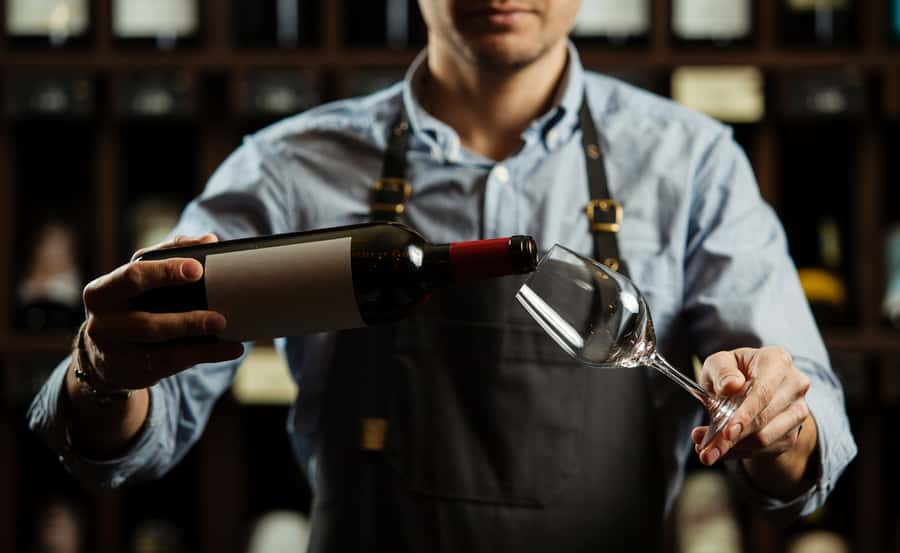
The accompaniments are one of the strongest parts of the experience. You receive Bruschetta Serrana, selected cheeses, assorted cold cuts, and a traditional empanada. That is a useful amount of food for a one-hour tasting, particularly if you are looking for a light afternoon stop rather than a full meal.
The food also helps you judge the wine in context. A red can taste sharper on its own and rounder beside cheese or cold cuts. An empanada gives the final pairing a warmer, more substantial bite. This is more helpful than tasting wine with plain crackers, since Argentine wine is commonly enjoyed alongside hearty, salty foods.
Still, keep your expectations in check. The activity includes the listed accompaniments only. Extra drinks and additional food options are not included, so you should not book it as a substitute for dinner.
Dietary needs matter here. Tell the provider about allergies or restrictions in advance. The supplied information does not confirm replacement dishes, vegetarian choices, or gluten-free options, so ask before you arrive rather than expecting the standard menu to be adjusted.
A personal bar setting, not a large group event
The tasting takes place in a bar or shop, with the exact venue subject to availability. The location may change, so check the final meeting details carefully and do not assume the address will always be identical.
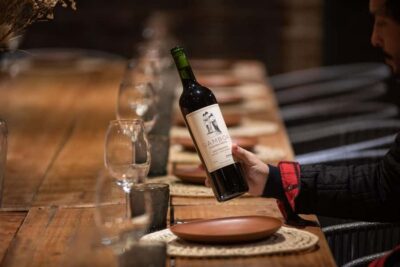
The setting can be pleasantly quiet. On one occasion, only three people were in the bar, with two taking separate tastings. That means you might get a more personal visit, but it also means this is not necessarily a social group activity where everyone samples the same wines together.
That distinction matters. If you want to meet other wine lovers, ask how the session is organized before paying. If you prefer a calm setting with a friendly staff member and no large crowd, the small-scale format may suit you well.
The bar and shop itself can be worth a little extra time if the setting appeals to you. The location was described as easy to find, which is useful in Buenos Aires, where a convenient meeting point can save time and confusion. There is no included transfer, so you must arrange your own way to the venue.
Use sensible city precautions when leaving at night. The tasting can be quiet, and the surrounding area may not feel comfortable for walking alone after dark. If your appointment is in the evening, plan your return route in advance and consider using a taxi or ride service rather than wandering after the final glass.
Same city, a completely different kind of day:
- Buenos Aires Hop-On Hop-Off Bus, Free Walking Tours & Discounts
★ 4.5 · 2,218 reviews - Buenos Aires: Piazzolla Tango Show with Optional Dinner
★ 4.4 · 2,122 reviews - Buenos Aires: City Highlights Guided Tour with Transfer
★ 4.7 · 1,946 reviews - Buenos Aires: Hop-On Hop-Off City Bus Tour
★ 4.2 · 1,855 reviews
How much wine information will you receive?
The experience is guided in English or Spanish. You should receive an explanation of the wines and their pairings, but this is designed as a short tasting, not a formal wine course.
That difference is important for deciding if the $60 price feels fair. If you want a fast introduction with good food and four named wines, the format may work. If you are an enthusiastic wine student hoping for detailed information about altitude, winemaking, soil, vintages, and production methods, one hour may not be enough.
The guide can set the tone. A friendly and willing host helps make the visit comfortable, but the amount of detail may not be consistent from one session to another. I would ask specific questions as each bottle arrives. What makes this region different? Why was this food chosen? Is the wine unoaked or aged in barrels? Those questions can turn a short tasting into a more useful lesson.
The supplied description says the tasting includes three glasses, while the two menu descriptions each list four wines. The included section also names four wines for each option. That is a clear point to verify before booking. The difference may reflect a wording error, a change in serving size, or a revised format, but you should know what you are paying for.
Is $60 a fair price?
At $60 per person, this is not the cheapest way to drink Argentine wine. In Buenos Aires, you can often order a bottle or a glass at a restaurant for less than the cost of this activity. The value comes from the guided comparison and the food pairings, not simply from the alcohol.
I see the price as reasonable for someone who wants a planned tasting with four named wines and several substantial accompaniments. The Federal menu, in particular, gives you a broad look at Argentine regions in a short period. The Catena Zapata menu may appeal to you if brand familiarity and a single-producer theme matter more.
The value drops if the session feels rushed or if the guide provides only brief comments about each bottle. A one-hour appointment does not leave much spare time. If the pours arrive quickly, you may feel as if you are keeping up rather than tasting carefully.
For that reason, I would not book this solely because you want a long, relaxed wine afternoon. I would book it because you want a compact introduction that fits neatly into a Buenos Aires itinerary.
Who will enjoy this tasting most?
This experience suits an adult who wants an easy first step into Argentine wine. You do not need to be an expert, and the food makes the tasting approachable even if you usually order wine by instinct rather than by grape or region.
It also works for a couple or small party looking for a quiet indoor activity. The relaxed bar setting and friendly service can make the hour pleasant, especially if you value a personal atmosphere over a large hosted event.
Wine specialists may find the selection worthwhile, but the short schedule could frustrate you. If you already know Argentine wine well, choose the Catena Zapata menu for a focused brand comparison, then ask detailed questions to get more from the guide.
I would be less likely to recommend it to someone seeking dinner, extensive food choices, or a lively group outing. Children under 18 are not allowed, and babies under one year are also excluded.
Timing, booking, and what to bring
The tasting lasts one hour, with starting times based on availability. That makes it easy to place before dinner, after a morning activity, or between sightseeing plans. Leave a little breathing room around the appointment in case the venue changes or the session runs slightly over.
Bring a credit card and cash. The activity does not include transport, extra beverages, or food beyond the stated pairings.
You can reserve now and pay later, which helps if your Buenos Aires schedule is still shifting. Cancellation terms need careful attention because the supplied information gives two versions: one says a full refund is available up to 24 hours before the tasting, while another gives full refund up to 48 hours, 50 percent between 24 and 48 hours, and no refund under 24 hours or for a no-show. Confirm the current policy at checkout.
My verdict on the Federal and Catena options
I prefer the Federal menu for a first visit because it gives you the widest geographic picture. Salta Torrontés, Patagonian Pinot Noir, Tupungato Malbec, and Entre Ríos Tannat create a more varied lesson than four wines from one producer.
The Catena Zapata menu is the better pick if you want a recognizable name and a tighter producer-based theme. Chardonnay, Cabernet Franc, Cabernet-Malbec, and Syrah-Syrah still offer variety, but the experience is less about comparing regions.
Both menus share the same food structure, so your choice comes down to what you want to learn. Ask about the apparent three-glass versus four-wine discrepancy before you finalize the booking.
Should you book this Buenos Aires wine tasting?
Book it if you want a short, food-paired introduction to Argentine wine and you like the idea of tasting regional bottles without committing to a long winery excursion. The named wines, local accompaniments, English or Spanish guidance, and easy-to-find bar setting make it a practical addition to a city visit.
Skip it if you want a slow, highly technical tasting, a guaranteed group experience, or a full meal. The strongest parts are the wines, food, friendly service, and compact regional comparison. The weak points are the one-hour pace, possible lack of detailed explanation, uncertain venue, and conflicting information about the number of pours.
For the best chance of enjoying it, choose your menu in advance, disclose dietary needs, confirm the final address and serving count, and arrange your return trip if the appointment is after dark.
FAQ
How long does the wine tasting last?
The stated duration is one hour.
How many wines are included?
The two menu descriptions each list four wines. However, another part of the information says the tasting includes three glasses, so confirm the exact number of pours before booking.
What wines are on the Federal Tasting Menu?
The Federal menu lists Coquena Torrontés from Salta, Primogénito Noir from Patagonia, Gouguenheim Reserva Malbec from Mendoza’s Tupungato area, and Julepe Tannat from Entre Ríos.
What wines are on the Catena Zapata Clásico menu?
The Catena Zapata option lists Saint Felicien Chardonnay, Nicasia Cabernet Franc, DV Catena Cabernet-Malbec, and DV Catena Syrah-Syrah.
What food is included?
The tasting includes Bruschetta Serrana, selected cheeses, assorted cold cuts, and a traditional empanada.
Are extra drinks or food included?
No. Drinks and food options not specifically listed are excluded.
Is transportation provided?
No. Transfer to and from the tasting is not included.
Can children attend?
No. The experience is for people aged 18 and older. Babies under one year are also not permitted.
Just added around Buenos Aires
- Tango Show at El Querandi with optional Dinner★ 4.2 · 3 reviews
- Walking Tour: Buenos Aires bookstores★ 4.3 · 12 reviews
- Velez Sarsfield Football Match★ 5.0 · 3 reviews
- Unique Tigre and Delta Private Day Cruise Navegation★ 5.0 · 3 reviews
- Tour Buenos Aires in one day on Electric Scooters★ 5.0 · 33 reviews
- Private Underground Tango Immersion★ 5.0 · 31 reviews
- Experience The Essence of Buenos Aires in San Telmo★ 5.0 · 51 reviews
- Sailing with Wine Tasting in Buenos Aires★ 5.0 · 50 reviews
Wine Tours, compared.

Full-Day Tour Cafayate Calchaqui Valleys with Wine
Read our review →
Browse the lists this tour appears in