
Reviewed · NAHUEL HUAPI LAKE CRUISES
10 Secrets of Bariloche, Nahuel Huapi, and Patagonia
Bariloche’s best stories are packed into a small downtown area, and this tour connects them on foot. In 90 minutes, you move from the Civic Center and Museum of Patagonia to the lakefront, the unusual cathedral, and the famous chocolate street. Guide Diego adds the local context that can be easy to miss when you explore alone.
I like two things right away: the compact route works well on a busy travel day, and walking lets you reach corners that a coach cannot. I also like the mix of civic history, waterfront views, religious art, and chocolate, rather than a tour that focuses on only one theme.
The main consideration is the fixed, non-refundable booking. The tour starts at 9:00 a.m., runs for about 90 minutes, and needs a minimum number of participants, so it requires a little planning. It is also an introduction, not a full-day look at Bariloche.
In This Review
- Key points
- Why this short Bariloche walk works
- Meeting guide Diego at the Civic Center
- Puerto San Carlos and the lakefront in 20 minutes
- Our Lady of Nahuel Huapi Cathedral and its unusual details
- Chocolate Street and a stop at Rapanui
- What the guide adds to the $41 price
- Timing, walking, and who should book
- How to make the most of the 90 minutes
- Should you book this Bariloche walking tour?
- FAQ
- How long does the Bariloche walking tour last?
- Where does the tour start?
- What time does the tour begin?
- Where does the tour end?
- What places are included?
- How many people can join the tour?
Key points
- A four-stop route in 90 minutes: Cover the Civic Center, Puerto San Carlos, Our Lady of Nahuel Huapi Cathedral, and Chocolate Street.
- Guide Diego’s local storytelling: Expect facts, photographs, and stories about Bariloche and Patagonia, delivered in English.
- A striking cathedral visit: See the architecture, unusual stained glass, and Via Crucis.
- A useful first-day orientation: The route helps you understand central Bariloche before setting out to the wider Nahuel Huapi area.
- A small group capped at 20 people: The size is limited enough for a more personal walking experience.
- A chocolate stop at Rapanui: Finish the central walk with a visit to one of Bariloche’s iconic chocolate shops.
Why this short Bariloche walk works
Bariloche is often treated as a base for trips around Nahuel Huapi and Patagonia. That is a mistake. The center has its own story, and this walk gives you a quick way to read the city before spending your time on larger excursions.
The route is especially useful if you have only a morning, are arriving in town, or want a simple orientation before choosing what to do next. You do not spend hours on a bus or wait for a large group to load and unload. You walk between the main sights, hear the local background, and return to the same starting point.
That format also keeps the tour focused. At $41 per person, it is not the cheapest way to stroll around town, since the stops themselves do not charge admission. The value comes from the guide’s explanations, the organized route, and the connections between places that can seem unrelated when seen separately.
More nahuel huapi lake cruises in Bariloche:
- Half a day of kayaking on the Nahuel Huapi lake in private service
★ 5.0 · 53 reviews - Bariloche: Half Day Kayak to Nahuel Huapi or Moreno Lakes
★ 5.0 · 15 reviews - Navigation through Isla Victoria and Bosque de Arrayanes
★ 4.4 · 9 reviews
Meeting guide Diego at the Civic Center
The tour begins at the Bariloche tourist office on Libertad 56 at 9:00 a.m. The Civic Center is a sensible starting point because it gives you an immediate feel for the city’s public heart. You begin with the Civic Center and the Museum of Patagonia, learning about the people, events, and ideas that shaped Bariloche.
This opening is more useful than simply taking a few photographs in the square. A guide can explain what you are looking at and place the town within the wider story of Patagonia. Diego is specifically noted for his strong English, and the tour’s style includes facts, photographs, and stories rather than a bare list of dates.
The stop itself lasts about 10 minutes, so do not expect a full museum visit. The Museum of Patagonia is part of the discussion, but the tour does not include a separate admission experience. If you want to examine exhibits at length, plan another visit on your own.
I like this opening because it gets you oriented before the walk becomes more specific. You begin with the broad civic picture, then move toward the water, the cathedral, and the city’s food culture.
Puerto San Carlos and the lakefront in 20 minutes
From the Civic Center, the walk continues toward Puerto San Carlos and the coastal boardwalk. This section takes about 20 minutes and adds a different side of Bariloche. Instead of public buildings and museum context, you get the waterfront and the city’s relationship with Nahuel Huapi.
The port area is a good place for a guide to point out details that may otherwise pass unnoticed. The tour promises additional local secrets and stories here, which makes this more than a simple walk to the shore. You can expect the guide to connect the port and boardwalk with Bariloche’s wider identity as a gateway to Patagonia.
The lakefront also gives the route some breathing room. A walking tour based only on streets and buildings can feel cramped. This stop changes the pace and provides a chance to look outward.
Keep your expectations sensible. The coastal section is short, about 20 minutes, and there is no stated boat ride or extended lake activity. You are seeing the area on foot and hearing its background, not taking a cruise or exploring the wider national park.
For me, that short format is a strength if you have limited time. It gives you a taste of the waterfront without turning a city walk into a half-day outing. If the lake is your main reason for coming to Bariloche, you will need a separate excursion.
Our Lady of Nahuel Huapi Cathedral and its unusual details
The cathedral is the most distinctive stop on the route. The visit lasts about 20 minutes and covers the building’s architecture, stories, stained-glass windows, and Via Crucis.
This is where the tour appears to move beyond a standard city orientation. The cathedral is not treated as a quick exterior photograph. You get time to look at the design and the vitreaux, the stained-glass work highlighted in the tour description. The Via Crucis adds another layer of visual detail and gives the guide material to explain how the interior works as both a religious space and a piece of local architecture.
One of the clearest strengths of the experience is this focus on the cathedral. It gives you a specific place to remember, not just a sequence of streets. A short stop can still be worthwhile when the guide directs your attention to details you might otherwise miss.
The timing is again fairly tight. Twenty minutes is enough for an introduction and a close look at key features, but not enough for a slow architectural study. If you have a strong interest in churches, stained glass, or religious art, you may want to return later at your own pace.
The cathedral is also a useful reminder that Bariloche is not only about outdoor activities. The city has built places, stories, and traditions worth seeing before you head into the surrounding area.
Same city, a completely different kind of day:
- Bariloche: 7 Lakes & San Martin de Los Andes Road Trip
★ 4.5 · 624 reviews - Bariloche: Circuito Chico with optional Cerro Catedral
★ 4.5 · 316 reviews - Bariloche: German Immigration and History Walking Tour
★ 4.8 · 169 reviews - San Martín de los Andes por 7 Lagos
★ 4.4 · 155 reviews
Chocolate Street and a stop at Rapanui
The final major section follows the main pedestrian road, known for its chocolate shops. Bariloche is closely associated with chocolate, so this is a natural finish for a city tour. The walk includes a short visit to Rapanui, described as an iconic local chocolate store.
This stop adds a lighter, more sensory ending after the Civic Center, port, and cathedral. A short chocolate tasting is part of the experience, and it gives you a chance to sample a product that is central to Bariloche’s tourist identity. It also helps you decide where to buy gifts or treats later in your stay.
I appreciate that the chocolate stop is brief. A long retail visit can make a walking tour feel like a sales call. Here, the shop visit is one part of a wider route, so you still get the history and city orientation first.
The practical point is that the stop is not presented as a full chocolate workshop or factory tour. You visit an established shop and have a short tasting. If you want a detailed look at how chocolate is made, this experience will not replace a dedicated food tour.
Still, it is a smart inclusion. The pedestrian street is easy to revisit after the tour, and you will already know where it sits in relation to the Civic Center and cathedral.
What the guide adds to the $41 price
At $41, the experience costs more than walking the same streets with a map. The question is whether the explanations make the difference. For many people, they will, especially on a first visit.
The route covers several subjects in a short time: public history, Patagonia, the lakefront, religious architecture, and chocolate. That range is difficult to reproduce without preparation. You would need to research the Civic Center, identify the best waterfront route, learn what to look for in the cathedral, and choose a chocolate shop yourself.
Guide Diego is a key part of the value. His role is not only to lead you between stops but to supply the stories and visual material that make the places easier to understand. His English is described as impeccable, which matters if you are relying on the tour for historical detail rather than casual directions.
The group limit is 20 people. That is not a private tour, but it is more manageable than a large coach group. You can move through pedestrian areas without the same level of delay, and the guide has a reasonable chance of being heard.
The strongest value comes when you take the tour early in your stay. You can use the orientation to plan later walks, return to the cathedral or chocolate street, and make better choices about the rest of your time. If you already know central Bariloche well, the price may feel less convincing.
Timing, walking, and who should book
The start time is 9:00 a.m., and the experience ends back at the meeting point after approximately 90 minutes. That makes it easy to pair with later plans, though you should allow extra time if you want to linger at any stop.
The tour is near public transportation, and most people can participate. No special fitness requirement is stated, but it is still a walking experience. You should be comfortable moving between several central locations and spending the full 90 minutes on foot.
I would recommend it most strongly for:
- First-time visitors who want a quick understanding of Bariloche
- People with a short stay or a free morning
- Visitors who enjoy city history but also want waterfront and food stops
- English-speaking visitors looking for a guide who can explain local stories clearly
- Anyone who prefers a small walking group to a larger vehicle tour
It may be less suitable if you want a long museum visit, a boat trip, a detailed food tour, or a full-day excursion into Patagonia. It is also not the right choice if your schedule may change at the last minute, since the booking is non-refundable and cannot be amended.
The tour requires a minimum number of participants. If the operator cancels because that minimum is not reached, you will be offered another date or experience, or a full refund. That protection applies to an operator cancellation, not to a personal change of plans.
How to make the most of the 90 minutes
Arrive at the tourist office before the 9:00 a.m. start. The route is short, but the experience depends on keeping its rhythm, especially at the cathedral and Rapanui.
Think of this as a first look, not a checklist. Listen for details that help you decide where to return. The cathedral may deserve more time later, the waterfront may tempt you into a longer walk, and Chocolate Street is an easy place to revisit after you know the route.
It also helps to keep the price in perspective. You are paying for interpretation and a planned sequence, not admission tickets. If you value local stories and want to save planning time, $41 can be reasonable. If you are happy to read about each stop yourself, a self-guided walk will cost less.
The compact route is the main practical advantage. You see four contrasting parts of central Bariloche without giving up an entire day. That makes it a useful addition to a wider Patagonia trip, particularly when your main activities take place outside town.
Should you book this Bariloche walking tour?
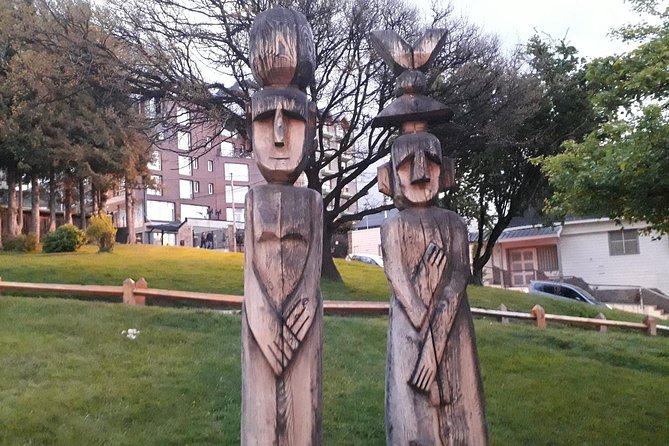
Book it if you want a clear, friendly introduction to central Bariloche and value a guide who can connect the city’s civic history, lakefront, cathedral, and chocolate tradition. The cathedral and chocolate stop give the walk character, while Diego’s stories and English make the short format more useful.
Skip it if you want a full museum visit, an outdoor adventure, or a flexible booking that you can change later. For a first morning in town, though, this is a well-focused way to get your bearings and see why Bariloche deserves attention beyond its role as a base for Patagonia.
FAQ
How long does the Bariloche walking tour last?
The tour lasts approximately 1 hour and 30 minutes.
Where does the tour start?
It starts at Secretaría de Turismo Bariloche, Informes Turísticos, at Libertad 56 in San Carlos de Bariloche.
What time does the tour begin?
The start time is 9:00 a.m.
Where does the tour end?
The activity ends back at the meeting point.
What places are included?
The route includes the Centro Civico and Museum of Patagonia area, Puerto San Carlos and the coastal boardwalk, Our Lady of Nahuel Huapi Cathedral, and the pedestrian Chocolate Street with a visit to Rapanui.
How many people can join the tour?
The group is limited to a maximum of 20 people.
Just added around Bariloche
- Road of the Seven Lakes from San Martin de los Andes★ 4.5 · 32 reviews
- Kayak paddling adventure around Bariloche★ 5.0 · 49 reviews
- OneWay Journey: from Bariloche, Argentina to Puerto Varas, Chile★ 4.0 · 52 reviews
- From Bariloche: San Martin de los Andes and 7 Lakes Circuit★ 4.6 · 22 reviews
- From Bariloche: Half-Day Circuito Chico Sightseeing Tour★ 4.3 · 9 reviews
- Crossing to Puerto Blest and Cascada de los Cántaros★ 4.4 · 5 reviews
- Chico Circuit and Cerro Campanario★ 4.6 · 48 reviews
- Bariloche: Tour to Circuito Chico + Optional: Arrayanes★ 4.2 · 3 reviews
Nahuel Huapi Lake Cruises, compared.
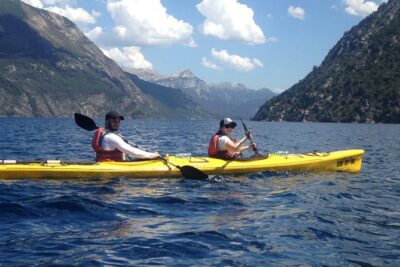
Half a day of kayaking on the Nahuel Huapi lake in private service
Read our review →
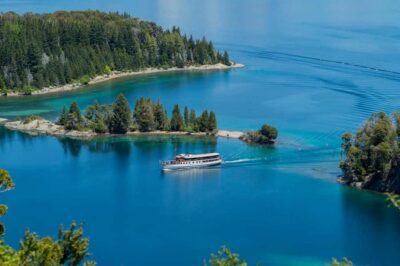
Navigation through Isla Victoria and Bosque de Arrayanes
Read our review →
Puerto Blest and Cascada de los Cántaros (Waterfall of the Cantaros)
Read our review →
Crossing to Puerto Blest and Cascada de los Cántaros
Read our review →
Browse the lists this tour appears in