
Reviewed · TANGO SHOWS
Boca tour: Tango, Soccer, Art and Immigration
La Boca gives you Buenos Aires at full volume: painted houses, football murals, tango roots, and the old port where immigrant life took shape. I like that this tour connects Italian immigration with tango rather than treating Caminito as a photo stop, and I like the walk to La Bombonera, where soccer carries real neighborhood weight. The main drawback is that the stadium visit does not include admission, and the public bus ticket costs extra.
You should also know that this is a walking tour with a bus ride at the start, not a private vehicle excursion. Guides speak English, Spanish, or Portuguese, and Juliette has led the route with a clear, friendly style. Wear good shoes, carry water, and keep your camera ready.
In This Review
- Key points to know before booking
- Why La Boca deserves more than a quick photo stop
- Meeting at Venezuela 649 and taking the bus
- The old port and La Boca’s immigrant story
- Inside a conventillo
- Caminito’s painted walls and street art
- La Bombonera and the force of Boca Juniors
- Finishing near the port and the food streets
- What the $50 price delivers
- Pace, comfort, and safety
- Who should book this La Boca walk
- Final verdict: a useful introduction to La Boca
- FAQ
- Where does the tour meet?
- How long does the La Boca tour last?
- How do I get to La Boca during the tour?
- Which languages are available?
- Does the tour include entry to La Bombonera?
- Are meals and drinks included?
- What should I bring?
- Can wheelchair users join the tour?
Key points to know before booking
- La Boca beyond Caminito: Learn how the old port, immigrant communities, conventillos, tango, and football shaped the district.
- A public bus start: Meet at Venezuela 649, Viajero Hostel, at 11 am on Tuesday or Friday, then ride with your guide to La Boca.
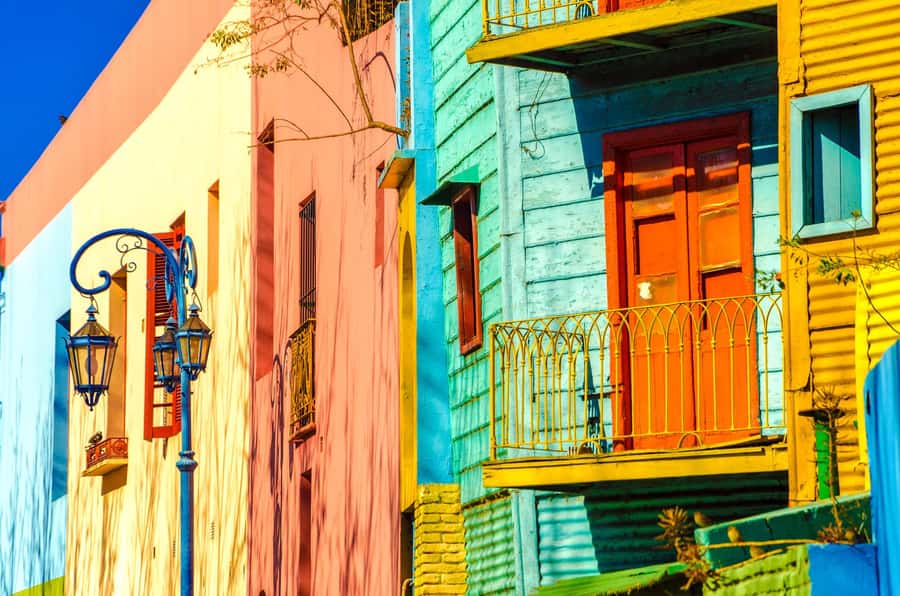
- Caminito in context: See the famous painted pedestrian street after learning about the neighborhood that created its look and character.
- La Bombonera from the outside: Feel the force of Boca Juniors culture, but budget separately if you want to enter the stadium.
- A compact two-and-a-half-hour outing: The advertised duration is 150 minutes, with about two hours of guided walking.
- A small-group format: The limited group makes it easier to ask questions and stay with the guide on busy streets.
Why La Boca deserves more than a quick photo stop
Many people come to La Boca for Caminito, take a few pictures, and leave. That is the quick version. This tour gives you a reason to look past the bright walls and painted balconies.
La Boca grew around the port and became home to immigrants, including many Italians. Their languages, customs, work, music, and close living arrangements helped form the neighborhood’s identity. The tour uses that story to explain why tango developed here and why the area still feels unlike other parts of Buenos Aires.
I like this approach because the color has a purpose. It is not just decoration for visitors. As you walk, you learn about the mix of cultures and the homes where new arrivals lived. That context makes the old port, conventillos, murals, and tango references easier to understand.
The area also has a rougher, more uneven feel than Buenos Aires neighborhoods built around grand avenues. That is part of its appeal, but you should expect a lively public district rather than a polished museum complex. Stay close to your guide and keep your attention on the route.
More tango shows in Buenos Aires:
- Buenos Aires: Piazzolla Tango Show with Optional Dinner
★ 4.4 · 2,122 reviews - Buenos Aires: Tango Show at Tango Porteño & Optional Dinner
★ 4.6 · 981 reviews - Buenos Aires: Madero Tango Show with Optional Dinner
★ 4.3 · 748 reviews
Meeting at Venezuela 649 and taking the bus
The tour begins at Viajero Hostel, Venezuela 649, at 11 am every Tuesday and Friday. You meet the guide there and travel by public bus to La Boca.
The bus ride is a useful part of the experience. It shows you how the tour works as a local outing rather than a sealed-off sightseeing transfer. Your guide handles the route and begins setting the scene before you reach the old port.
The bus ticket is not included in the $50 price, so bring a little extra for transport. The supplied details do not state the fare, so check locally or ask the guide when you meet. The price also excludes food, drinks, and any stadium entrance fee.
Give yourself time to arrive at the meeting point. A late arrival could be awkward once the group has boarded the bus. Since the start time is fixed at 11 am, this is not an outing built around sleeping late or deciding at the last moment.
The old port and La Boca’s immigrant story
The walk begins at the old port, near the entrance to Caminito. This is where the tour’s central theme comes into focus: La Boca was shaped by people arriving, working, living close together, and mixing traditions.
Your guide explains Italian immigration and the cultural blend that developed in the neighborhood. You also hear how tango and soccer became tied to local identity. These subjects work well together because they show two different sides of La Boca: tango reflects the neighborhood’s musical and social roots, while Boca Juniors expresses its sporting passion.
Do not expect a long museum lecture. This is a moving outdoor tour, with information delivered as you walk. That keeps the pace lively, though anyone wanting dates, archival detail, or an extended academic talk may find the treatment brief.
The old port also helps you picture why this location mattered. You are not simply hearing that immigrants came to La Boca. You are standing in the part of the district linked to that movement of people and goods.
Inside a conventillo
One of the most useful stops is a conventillo, the type of shared house where immigrants stayed. These buildings help explain the social side of La Boca better than colorful facades alone.
A conventillo could hold people from different countries and backgrounds in one crowded setting. That proximity encouraged a mix of customs, accents, music, and daily habits. Your guide connects this setting to the origins of tango and to the district’s distinctive character.
This stop is especially valuable if you have already seen photos of Caminito but still wonder why the neighborhood looks the way it does. The conventillo provides the missing link between immigration and architecture. You see how ordinary housing became part of La Boca’s public identity.
The visit also points to a practical limitation. The tour is not designed as a long interior architecture visit, and the supplied details do not promise access to many historic buildings. Think of the conventillo as one focused stop within a wider street walk.
More football stadium tours in Buenos Aires:
- Buenos Aires: Tickets to Boca Juniors Museum & Stadium
★ 4.5 · 581 reviews - Soccer Match in Buenos Aires with Transfers and Local Guide
★ 5.0 · 103 reviews - Buenos Aires: Boca Juniors and River Plate Football Tour
★ 4.3 · 82 reviews - Buenos Aires: River Plate and Boca Juniors Museum Tour
★ 4.5 · 72 reviews
Caminito’s painted walls and street art
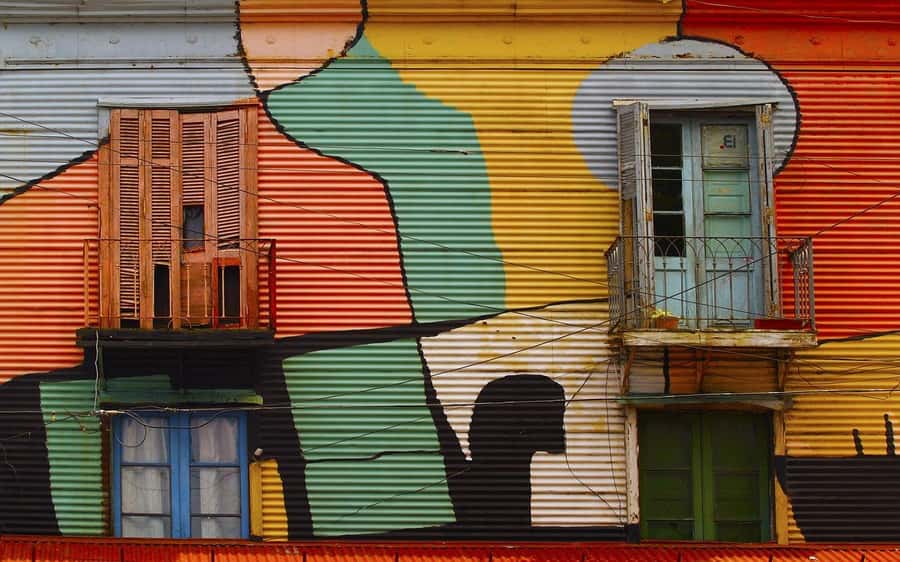
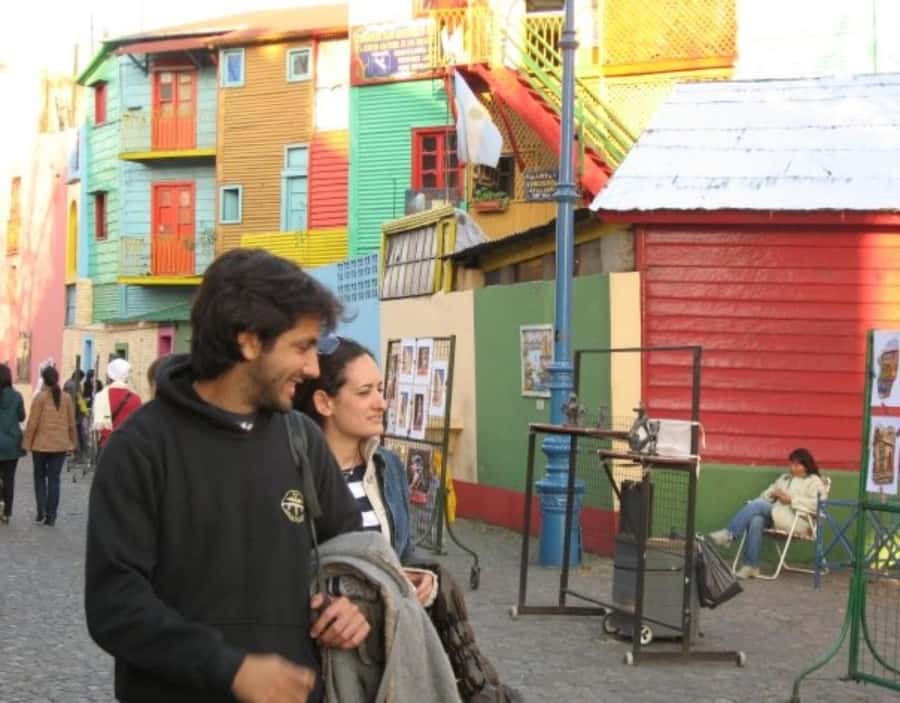
Then you reach Caminito, the pedestrian street most closely associated with La Boca. Its painted houses, murals, street art, and lively atmosphere make it the most instantly recognizable part of the route.
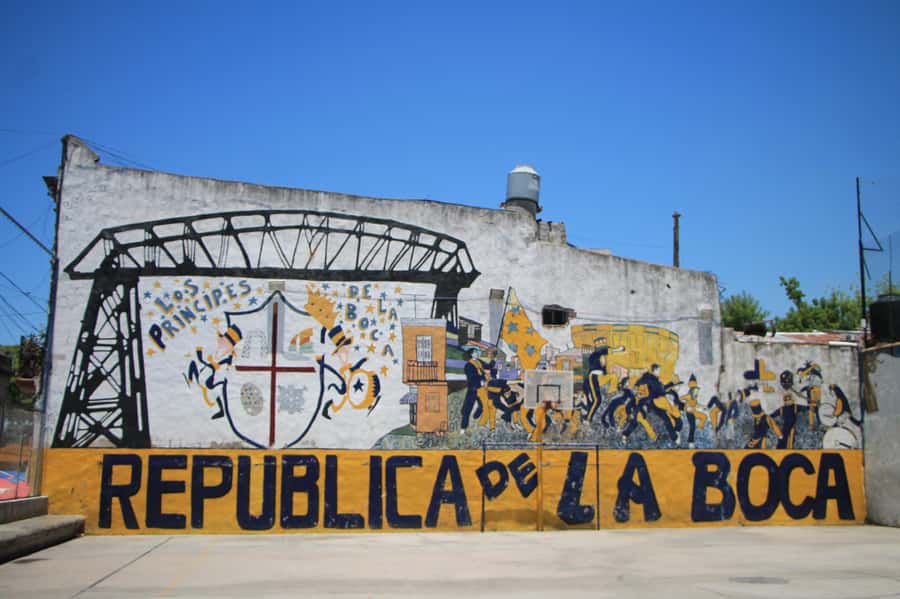
This is the place for photos, but you will get more from it if you have paid attention to the earlier explanation. The bright colors connect to the neighborhood’s working-class port identity and its tradition of making much from limited means. The tour also points out football graffiti and street art, which shift the mood from tango nostalgia to modern Boca pride.
Caminito can feel busy and highly arranged for sightseeing. That does not make it worthless, but it does mean you should not confuse the pedestrian strip with the whole neighborhood. The tour helps by placing Caminito between the old port, the conventillos, the plaza, and the stadium.
Allow yourself time to look up and around. The colors are obvious, but the best details may be in the walls, painted figures, football symbols, and small pieces of street art. Bring a camera, as the tour specifically encourages photography.
La Bombonera and the force of Boca Juniors
The route continues to Boca Juniors stadium, known as La Bombonera. Even without a match, the stadium is a major part of La Boca’s identity.
Your guide introduces the venue and explains its place in Argentine football culture. The emphasis is on the atmosphere and importance of the stadium, not on a full stadium tour. You can expect to see the exterior and feel the energy of the surrounding football culture.
This is where expectations matter. Entrance fees are not included, so you should not assume that your $50 booking provides access inside. If entering La Bombonera is your main goal, check admission arrangements separately before booking this walking tour.
For everyone else, the stop works as a strong contrast to Caminito. Tango and painted houses show one side of La Boca, while football graffiti and the stadium show another. Together, they explain why the district has such a powerful public image.
The walk also includes Plaza República de La Boca and football-themed street art. These stops keep the soccer story connected to everyday streets rather than presenting the stadium as an isolated attraction.
Finishing near the port and the food streets
The tour ends near the port, in front of a street with various food options. Meals and drinks are not included, but the ending gives you a chance to continue on your own.
This is a sensible finish. You can stop for something to eat, remain near the area you have just explored, or make your own way elsewhere. The tour does not force you into a restaurant or add a meal cost to the booking.
Because the route lasts 150 minutes, you still have the rest of the day available. The walking portion is listed as two hours, with the overall time allowing for the bus connection and transitions between stops. That makes this easy to pair with another Buenos Aires activity, provided you are comfortable continuing after several hours on foot.
What the $50 price delivers
At $50 per person, the value depends on what you want from La Boca. You are paying for a local guide, a guided walk through the neighborhood, the bus connection with the group, and the explanation tying together immigration, tango, art, and soccer.
That is a fair package if you want context and prefer not to work out the route yourself. A guide can point out the links between places that might otherwise seem unrelated. The limited group also matters, since it is easier to hear explanations and ask questions than on a large coach outing.
The price is less attractive if you mainly want a quick look at Caminito and a stadium photo. You still need to pay for the public bus, food, drinks, and stadium admission. Those extras are not unusual, but they should be part of your calculation.
I would judge the value by the guide rather than by the number of sights. Juliette has been singled out for making the walk informative, fun, clear, and safe. That combination is important in La Boca, where good storytelling and sensible guidance shape the experience.
Pace, comfort, and safety
This is not a difficult trek, but it includes plenty of walking on city streets. Comfortable shoes are essential. Bring water, especially if the day is warm, and do not plan to carry a heavy bag unless you need it.
The tour is not suitable for wheelchair users. It is also listed as unsuitable for people over 95 years old. No smoking is allowed during the activity.
The route uses public streets, a public bus, and pedestrian areas. Keep your group in sight and follow the guide’s advice. A past outing led by Juliette was praised for making the group feel safe, which is useful reassurance, but you should still use ordinary city awareness.
The small-group setup is another plus. You are less likely to get lost in the explanations, and the guide can respond to questions. The tradeoff is that the tour follows a set departure schedule, so you have less freedom to wander off for long stretches.
Who should book this La Boca walk
I would recommend this outing if you want a first look at La Boca with a clear cultural thread. It suits you especially well if you are interested in:
- Immigration and neighborhood identity
- The origins of tango
- Argentine football and Boca Juniors
- Street art and colorful architecture
- A guided experience in English, Spanish, or Portuguese
- A short activity that leaves time for other plans
It is also a good choice if you like learning from a local guide rather than reading signs on your own. The experience brings together several subjects in one route without requiring a full day.
I would hesitate if you want a private tour, a long stadium visit, a meal, or a fully accessible route. I would also think twice if you dislike public transport or walking in busy urban areas.
The four available ratings are all five-star, with specific praise for Juliette’s clear explanations, friendly manner, and ability to make the walk both informative and enjoyable. That is a small sample, so I would not treat it as a guarantee, but it does point to the strongest part of the experience: the guide-led storytelling.
Final verdict: a useful introduction to La Boca
Book this tour if you want La Boca explained as a living neighborhood shaped by immigration, tango, art, and football. The route gives you the essential sights, but its real value is the connection between them.
You should book with realistic expectations. The stadium entrance is extra, the bus ticket is extra, and Caminito can feel more tourist-focused than the surrounding streets. Still, at $50, the tour is a practical way to get your bearings, understand the district’s identity, and see La Bombonera without spending a full day.
For the best experience, meet at Venezuela 649 before 11 am, wear walking shoes, bring water, and ask whether Juliette is leading your departure if her friendly guiding style appeals to you. Free cancellation up to 24 hours before the tour and reserve-now, pay-later booking also make it easier to fit into a changing Buenos Aires schedule.
FAQ
Where does the tour meet?
Meet at Viajero Hostel, Venezuela 649, at 11 am every Tuesday and Friday.
How long does the La Boca tour last?
The full activity lasts 150 minutes. The guided walking portion is listed as two hours.
How do I get to La Boca during the tour?
You meet your guide and take a public bus to La Boca. Your public bus ticket is not included.
Which languages are available?
The live guide may conduct the tour in English, Spanish, or Portuguese.
Does the tour include entry to La Bombonera?
No. Entrance fees to Boca Juniors stadium are not included.
Are meals and drinks included?
No. You pay separately for meals and drinks. The tour ends near a street with several food options.
What should I bring?
Bring comfortable shoes, a camera, and water. The route includes a lot of walking.
Can wheelchair users join the tour?
No. The activity is not suitable for wheelchair users. It is also listed as unsuitable for people over 95 years old.
Just added around Buenos Aires
- Tango Show at El Querandi with optional Dinner★ 4.2 · 3 reviews
- Wine Tasting in Buenos Aires★ 4.2 · 4 reviews
- Walking Tour: Buenos Aires bookstores★ 4.3 · 12 reviews
- Velez Sarsfield Football Match★ 5.0 · 3 reviews
- Unique Tigre and Delta Private Day Cruise Navegation★ 5.0 · 3 reviews
- Tour Buenos Aires in one day on Electric Scooters★ 5.0 · 33 reviews
- Private Underground Tango Immersion★ 5.0 · 31 reviews
- Experience The Essence of Buenos Aires in San Telmo★ 5.0 · 51 reviews
Tango Shows, compared.
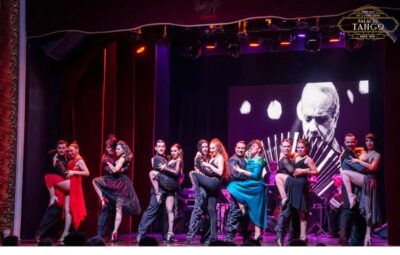
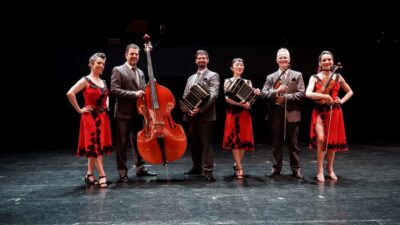


Palacio Tango: Tango Show at the Piazzolla Theater
Read our review →

Browse the lists this tour appears in