
Reviewed · FOOTBALL STADIUM TOURS
Buenos Aires: Tickets to River Plate Museum
River Plate’s museum turns football history into a clear, good-looking journey, from the club’s early days to its greatest goals, teams, and trophies. The time tunnel gives you a useful timeline, while the 360 cinema puts you inside the emotional world of millions of supporters. I like the mix of objects and film, and I like that the full visit adds access to the stadium itself. The main caution is language: an English audio option is not confirmed, and one visitor found the Spanish-only guiding hard to follow.
I also like the choice between a basic museum ticket and a full visit. At $27 per person, the value depends on which option you choose and how much stadium access matters to you. On match days, or when event equipment is in place, your view of the field may be limited.
In This Review
- Key points to know before you go
- A football museum built around River Plate’s story
- Following the time tunnel from origins to trophies
- The 360 cinema and the feeling of the supporters
- Choosing the full visit for stadium access
- What the guiding is really like
- Museum ticket or ticket with transfer?
- Is $27 good value for a one-day ticket?
- How to plan around match days and events
- Who will get the most from this experience?
- Practical booking advice before you pay
- Should you book the River Plate Museum?
- FAQ
- Where is the River Plate Museum experience located?
- How much does the experience cost?
- How long is the ticket valid?
- What does the museum ticket include?
- Does the full visit include the stadium?
- Is food included?
- Can I cancel for a refund?
Key points to know before you go
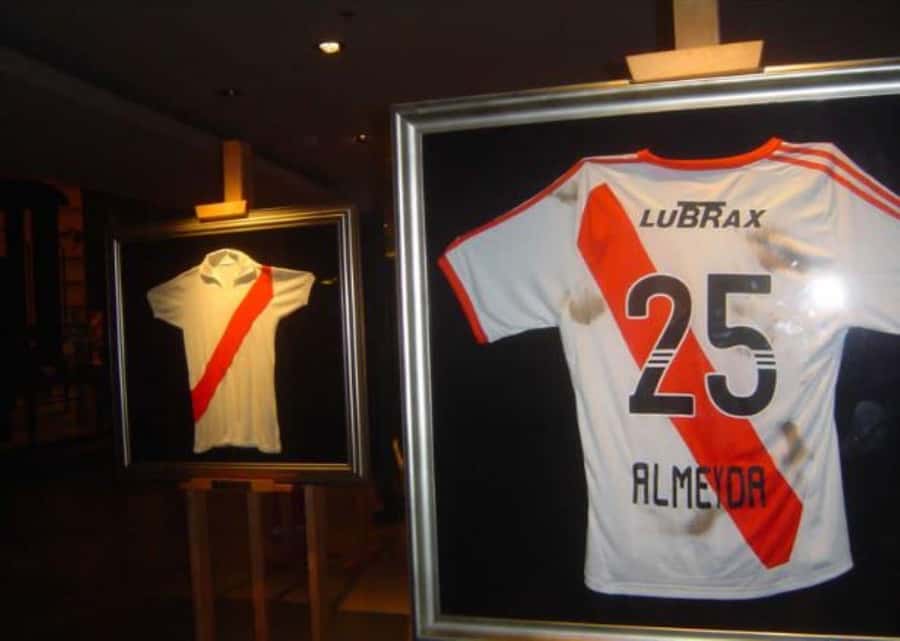
- The time tunnel gives you a chronological route through River Plate’s major teams, players, victories, goals, and trophies.
- The 360 cinema adds atmosphere with a film built around the feelings of River Plate supporters.
- The full visit includes the stadium, with access to the seating areas and the playing field.
- Spanish may be the main guiding language, so ask about language support before you arrive.
- Match days can change the stadium visit, and event structures may block part of the field.
- Flexible booking helps, with cancellation allowed up to 24 hours before the activity and payment available later.
A football museum built around River Plate’s story
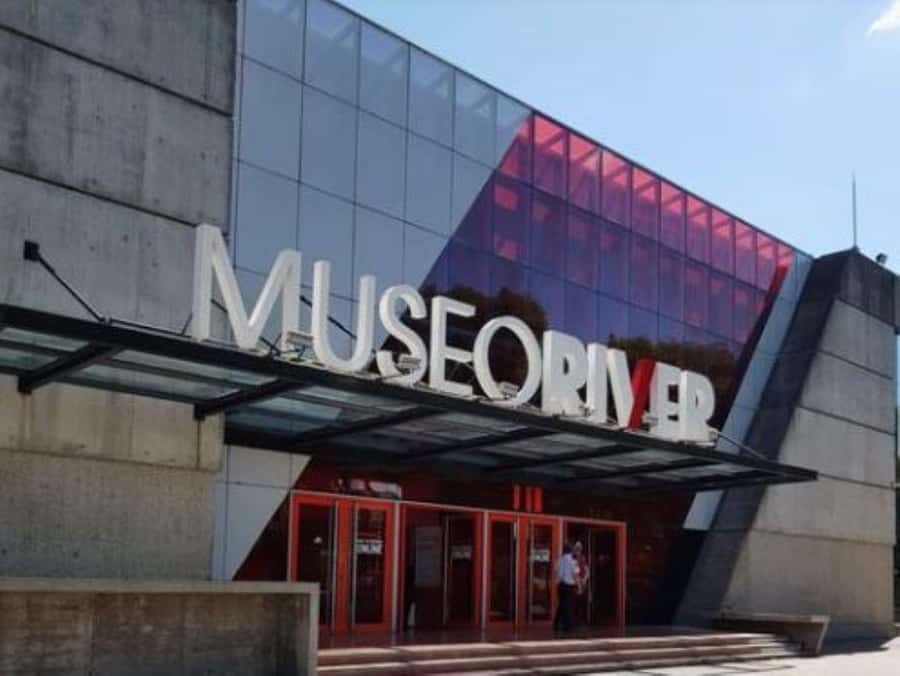
Founded on November 9, 2009, the River Museum gathers the club’s major football memories in one place. This is not simply a room of shirts and cups. Its route is arranged as a story, allowing you to follow River Plate from its origins through the first years of professionalism and into its most successful periods.
That structure matters. If you know the club well, you can pause over familiar names, famous goals, and important trophies. If you are new to Argentine football, the timeline gives you a way to understand why River Plate carries such weight in Buenos Aires.
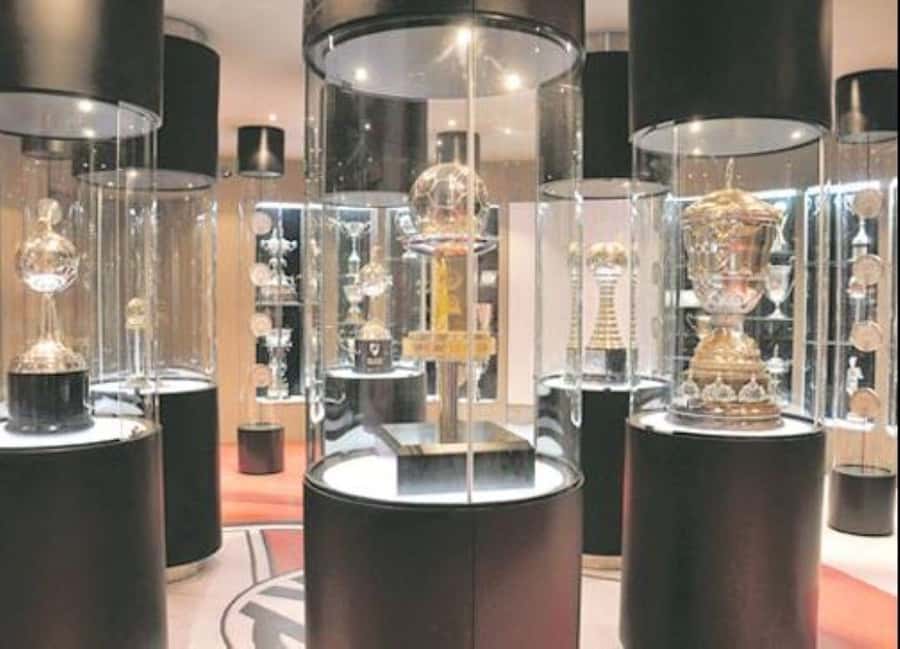
The museum focuses on the club’s identity and the emotion around it. You will see the people and teams that helped make River Plate great, along with victories that supporters still remember. The experience is built for football fans, but it also works for anyone trying to understand the passion attached to Argentine clubs.
I would not expect a quiet, neutral sports archive. The tone is proud and emotional by design. That is part of the appeal, though visitors looking for a broad history of Argentine football may find the focus firmly centered on River Plate.
More football stadium tours in Buenos Aires:
- Buenos Aires: Tickets to Boca Juniors Museum & Stadium
★ 4.5 · 581 reviews - Soccer Match in Buenos Aires with Transfers and Local Guide
★ 5.0 · 103 reviews - Buenos Aires: Boca Juniors and River Plate Football Tour
★ 4.3 · 82 reviews
Following the time tunnel from origins to trophies
The time tunnel is the museum’s main organizing idea. Rather than sending you from one unrelated display to another, it places the club’s key moments in chronological order.
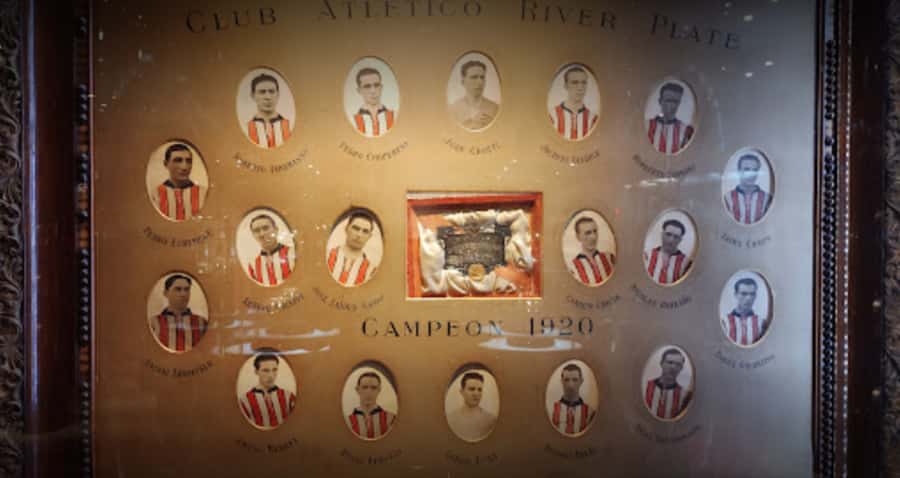
You begin with River Plate’s origins, then move toward the club’s first steps in professional football. From there, the route highlights the figures, teams, matches, goals, and trophies that shaped its reputation. This makes the visit easy to follow, even if you arrive without much background.
I like this format because football museums can sometimes assume too much. Here, the passing years provide the framework. You can connect a celebrated player with the team around him, then connect that team with a major victory or trophy.
The strongest sections will depend on your own interests. Some people will linger over individual players. Others will care more about the best goals or the teams that brought major success. The museum gives space to all of these, rather than relying on one star attraction.
Allow yourself time to read and look closely. The activity is valid for one day, but no exact museum visit length is provided. Your pace will depend on how much you already know and how carefully you want to study the displays.
The 360 cinema and the feeling of the supporters
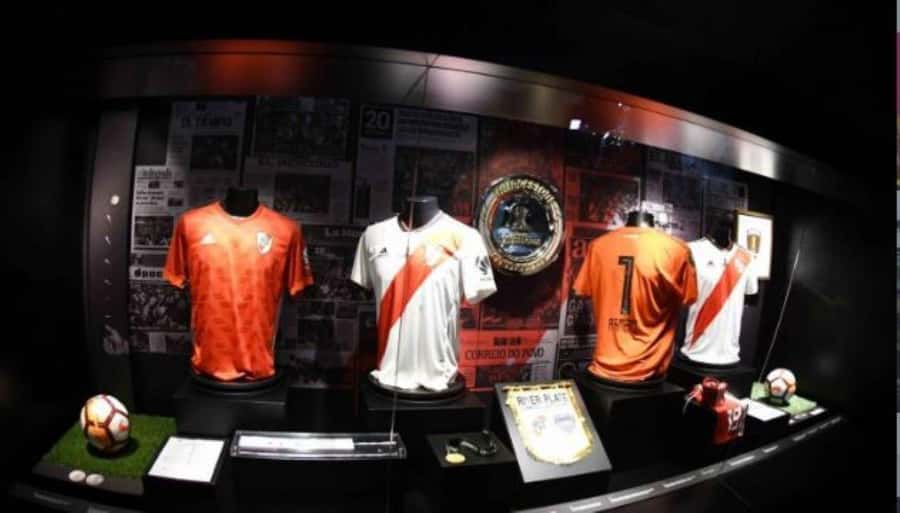
The 360 cinema room changes the pace of the visit. After the chronological displays, you watch a film designed to express the feelings of millions of River Plate fans.
This is where the museum’s emotional side becomes most direct. The film is not only about results. It aims to show what the club means to the people who follow it, including the sense of belonging and pride tied to River Plate.
If you are a serious football fan, this may be one of the most memorable parts of the museum. If you are visiting with someone who does not follow the sport closely, the film still provides useful context. It shows why a club can be more than a team on a field.
The cinema also gives you a break from reading displays. That small change helps keep the visit from feeling like a long series of labels and dates. I would treat it as a central part of the museum rather than a minor extra.
Choosing the full visit for stadium access
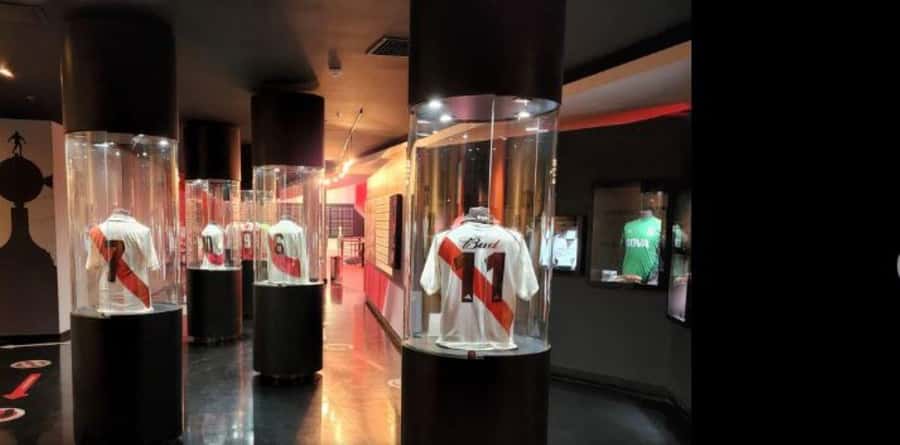
The basic museum ticket gives you the indoor experience. The full visit adds access to the stadium, which is the better choice if you want to connect the club’s story with its home ground.
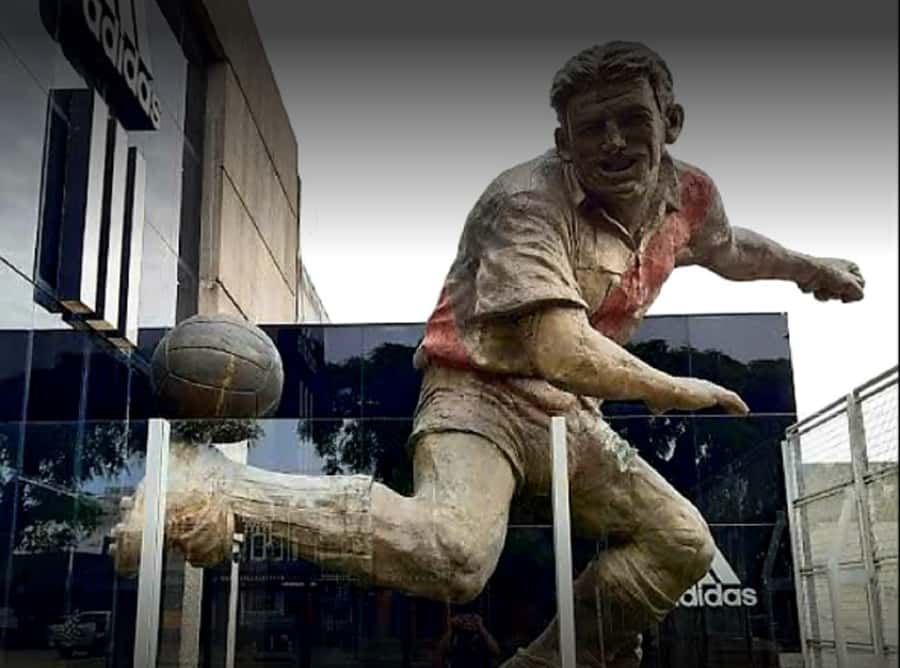
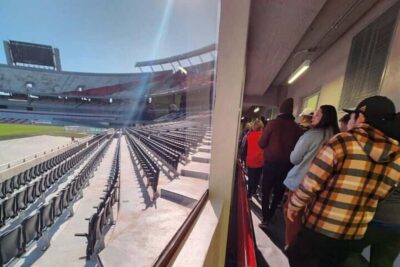
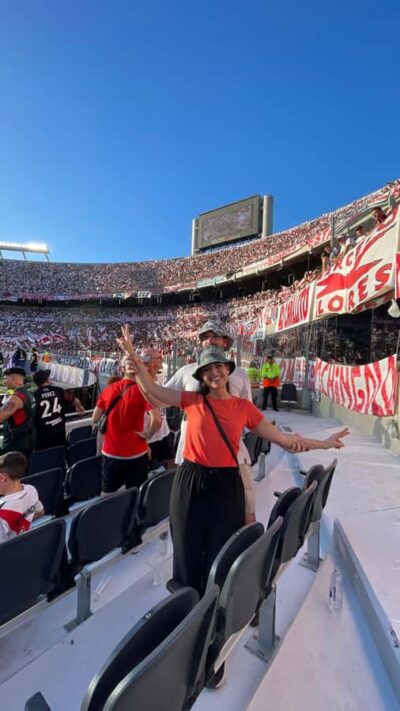
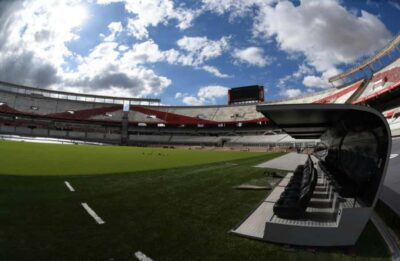
You can view Argentina’s largest stadium from the seating areas, covering more than 3,437 square meters, and enter the playing field to see it from the edge of the pitch. That physical change of scale is important. Museum displays explain River Plate, but the stadium helps you grasp the size of the club’s public identity.
The field access is described as viewing it from a playpen area. Do not assume that you can walk freely across the pitch. The useful point is that the full visit takes you closer to the playing surface than a museum-only ticket.
Your view may not be perfect. If a concert, match, or another stadium event has created a stage or other structure, part of the field can be blocked. This is not treated as a reason for a refund or claim, so keep your expectations realistic when you choose the full option.
On days when River Plate plays at home, stadium entry may also be affected. Check the date carefully before booking if the stadium is the main reason you are going. The museum portion may still be worthwhile, but the stadium element is less certain around a home match.
A few more Buenos Aires trips to weigh up
- Buenos Aires: River Plate and Boca Juniors Museum Tour
★ 4.5 · 72 reviews - River Plate Monumental Stadium and Museum Guided Tour
★ 4.5 · 39 reviews - Buenos Aires: Hop-On Hop-Off Bus and Football Museums
★ 4.3 · 39 reviews - AllMaradona Buenos Aires: Maradona House Museum and Stadium
★ 5.0 · 21 reviews
What the guiding is really like
The available information confirms that a small group option is offered, but it does not give guide names or promise a particular language. Two recent Spanish-language experiences received strong praise for friendly, courteous guiding and clear knowledge of the club.
That is encouraging if you understand Spanish. A guide can add meaning to a famous goal or trophy that a label alone cannot provide. The friendly approach also matters in a museum built around personal emotion and club loyalty.
The language question needs more attention. One English-speaking visitor was placed in a Spanish-language full tour and could not understand the explanation. An English audio headset was not available during that visit, and even a souvenir photograph came with a brochure available only in Spanish.
If you do not speak Spanish, ask before you commit to the guided portion. The displays and visual material may still make the museum enjoyable, but you should not book on the assumption that English audio is included. The activity information does not confirm English guiding, an audio guide, or translated printed material.
A small group may make the experience easier to manage, but small group availability is not the same as a guaranteed private tour. Confirm what is included in your selected option, especially if you are paying extra for transfer or expect a guide in a certain language.
Museum ticket or ticket with transfer?
You can choose museum tickets alone or a ticket that includes transfer. Transfer is included only if you select that option, and food is not included.
The transfer choice is mainly about convenience. If you already have simple transport plans in Buenos Aires, the museum-only option may offer better value. If you prefer having the ride arranged, paying more for the transfer can reduce planning work.
The supplied details do not specify the transfer route, vehicle, pickup schedule, or journey length. For that reason, I would check those points before booking rather than assuming door-to-door service.
If pickup applies to your option, you are asked to wait five minutes before the indicated time in the lobby. That is a small but useful instruction. Arrive ready and allow time to find the correct meeting area, especially if you are staying in a large building.
Food is not part of the price. Plan to eat separately, but do not invent a meal stop into your schedule since none is promised.
Is $27 good value for a one-day ticket?
At $27 per person, this is a reasonable price for a dedicated football museum with a major stadium component, but the value changes sharply between the museum-only and full options.
For a River Plate supporter, the price can make sense even if you spend only part of a day inside. The time tunnel, historic teams, goals, trophies, 360 cinema, and stadium access offer several different ways into the club’s story. You are paying for a focused cultural experience, not just a quick display of memorabilia.
For a casual football follower, the full visit is probably the better value only if you care about entering the stadium. The museum’s displays are centered on River Plate, so someone with little interest in the club may find the detail too specialized.
Language also affects value. A Spanish speaker can gain more from guided explanations. An English speaker may need to rely more on visual displays if no English audio or guide is available. That does not make the visit useless, but it should affect your decision.
The reserve-now-and-pay-later option gives you some flexibility. You can hold a place without paying immediately, and cancellation is allowed up to 24 hours before the activity for a full refund. Still, check the exact start time and stadium conditions before finalizing the plan.
How to plan around match days and events

The stadium is the part most affected by the calendar. A home match can affect entry, while a stage or other event structure can interfere with the view of the entire field.
I would make the museum the guaranteed part of your plan and treat the stadium access as a valuable addition that depends on conditions. That mindset prevents disappointment if the seating areas or field view are changed.
If the stadium matters most, check whether River Plate plays at home on your chosen date. Also check whether another event may be taking place. The activity information specifically warns that a blocked view is not grounds for a claim.
This is not a reason to avoid the experience. It is simply the sort of detail that matters when you are crossing Buenos Aires for one particular view. A fan who wants the museum’s trophies and film may be satisfied even when the stadium portion is adjusted. A visitor who mainly wants an unobstructed field view should be more careful.
Who will get the most from this experience?
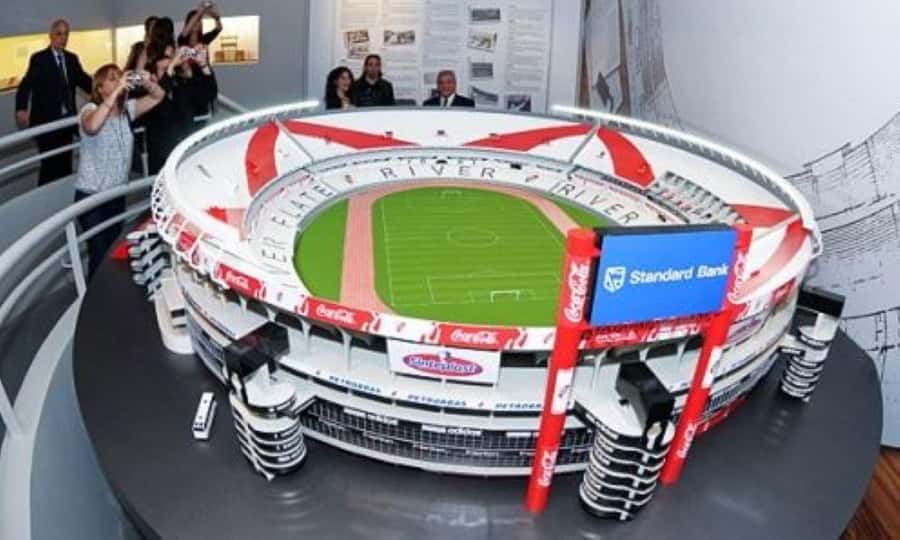
I would recommend the museum most strongly to River Plate supporters, football fans, and visitors curious about Argentina’s club culture. The route gives you context, while the cinema and stadium make the club’s emotional side easier to understand.
Families and mixed-interest groups may also find the format useful. The visual displays, film, and physical stadium areas offer variety, so nobody has to rely on reading every historical detail.
Spanish speakers have the clearest advantage if a guide is assigned in Spanish. English speakers should ask about language arrangements before booking. You can still see the collection and follow the broad timeline, but the guided explanation may not be accessible.
This is less suitable if you want a general Buenos Aires history tour, a broad survey of Argentine football, or a meal-and-sightseeing package. The subject is specific, and the food and wider city touring are not included.
Practical booking advice before you pay
First, decide whether you want museum entry only or the full visit with stadium access. Do not assume the cheaper or simpler ticket includes the field and seating areas.
Next, check the date against River Plate’s home schedule and possible stadium events. The museum can remain worthwhile, but the stadium view may be affected.
Then confirm the language. The available information does not name guides or guarantee English support. If you need English, ask whether a guide, audio option, or translated material is available for your chosen time.
If you choose a transfer option, verify what the ride covers. Pickup instructions mention waiting in a lobby five minutes before the indicated time, but the supplied details do not explain the full transport arrangement.
Finally, remember that food is not included. Keep your schedule flexible enough to eat before or after the visit.
Should you book the River Plate Museum?
Book it if you want a focused look at one of Argentina’s most passionate football clubs and like the idea of combining memorabilia with a stadium visit. The time tunnel gives the museum a clear shape, the 360 cinema adds feeling, and the full option brings you closer to the pitch.
I would choose the full visit on a date without a home match or major event. I would choose the museum-only ticket if your interest is mainly the trophies, goals, teams, and club story.
The biggest decision is language. Spanish speakers can make full use of the guiding. English speakers should confirm support first, since a Spanish-only tour and Spanish-only brochure are possible. At $27, this is a solid pick for football fans, provided you understand that stadium access and language support need checking before you go.
FAQ
Where is the River Plate Museum experience located?
It is located in Buenos Aires Province, Argentina.
How much does the experience cost?
The listed price is $27 per person.
How long is the ticket valid?
The ticket is valid for one day. Starting times depend on availability.
What does the museum ticket include?
The museum ticket includes entry to the River Plate Museum. A transfer is included only if you select the ticket option that includes transfer.
Does the full visit include the stadium?
Yes. The full visit allows you to view the stadium from the seating areas and enter the playing-field area to see it from the edge of the pitch.
Is food included?
No. Food is not included in the activity.
Can I cancel for a refund?
Yes. You can cancel up to 24 hours in advance for a full refund. You can also reserve now and pay later, depending on the booking option.
Just added around Buenos Aires
- Tango Show at El Querandi with optional Dinner★ 4.2 · 3 reviews
- Wine Tasting in Buenos Aires★ 4.2 · 4 reviews
- Walking Tour: Buenos Aires bookstores★ 4.3 · 12 reviews
- Velez Sarsfield Football Match★ 5.0 · 3 reviews
- Unique Tigre and Delta Private Day Cruise Navegation★ 5.0 · 3 reviews
- Tour Buenos Aires in one day on Electric Scooters★ 5.0 · 33 reviews
- Private Underground Tango Immersion★ 5.0 · 31 reviews
- Transfers from or to the airport In Argentina Your Best Choice★ 5.0 · 28 reviews
Football Stadium Tours, compared.
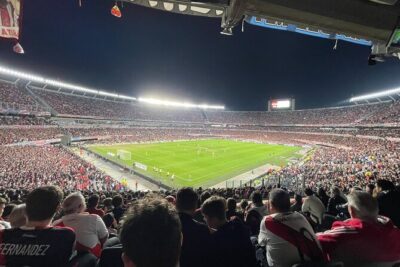
Soccer Match in Buenos Aires with Transfers and Local Guide
Read our review →

River Plate Monumental Stadium and Museum Guided Tour
Read our review →
Boca Juniors Game at La Bombonera with Local & Transport
Read our review →Browse the lists this tour appears in