
Reviewed · COLONIA DEL SACRAMENTO DAY TRIPS
Colonia del Sacramento: Small-Group Day Trip
Colonia del Sacramento’s appeal is simple: in a few quiet hours, you move from Buenos Aires to a Portuguese colonial town of cobblestones, old stone walls, leafy squares, and river views. The ferry crossing is short, and the walking tour brings the compact Old Town to life without asking you to plan every turn.
I like the hotel pickup and ferry arrangement, especially if you are unfamiliar with the Buenos Aires terminals. I also like the balance between a two-hour guided walk and free time for your own wandering. The main drawback is price: at $315 per person, this is a costly way to spend a day in Colonia, and the tour is non-refundable.
In This Review
- Key points to know before you book
- Why Colonia makes a good day across the river
- Crossing the Rio de la Plata from Buenos Aires
- Beginning the Old Town walk
- Calle de los Suspiros and the town’s legends
- Plaza Mayor, the city gate, and old defenses
- Climbing the Colonia lighthouse
- Basilica and convent ruins
- Free time for cafés, museums, and wandering
- The guide and the small-group format
- Is $315 a fair price?
- Who should choose this day trip?
- Practical tips for a smoother day
- My verdict on the Colonia day trip
- FAQ
- How long does the Colonia day trip last?
- Where is hotel pickup available?
- How long is the ferry ride?
- Is food included?
- What landmarks are included?
- Is there free time in Colonia?
- What languages are available?
- Do I need a passport?
- What information is needed for ferry tickets?
- Is the tour suitable for children and wheelchair users?
Key points to know before you book
- A Portuguese colonial town by ferry: Cross the Rio de la Plata from Buenos Aires and spend the day in Uruguay.
- A focused Old Town walk: See Calle de los Suspiros, Plaza Mayor, the city gate, lighthouse, basilica, and convent ruins.
- Guide quality matters: Alejandra has been praised for her warm, relaxed explanations and strong knowledge of Uruguay and Colonia.
- Free time is built in: After the guided portion, you can choose your own café, museum, gallery, or quiet street.
- The $315 price needs careful thought: Ferry tickets, hotel transfers, and a guide are included, but food and drinks are not.
- Bring the right documents: You need a valid passport, and visa requirements depend on your nationality.
Why Colonia makes a good day across the river
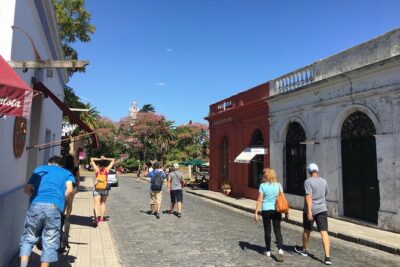
Colonia del Sacramento is small enough to understand on foot, yet different enough from Buenos Aires to feel like a proper change of scene. The historic quarter occupies a compact area beside the Rio de la Plata, with Portuguese foundations, later Spanish influence, and a town plan made for slow walking rather than quick sightseeing.
The trip begins with pickup from a centrally located Buenos Aires hotel. The listed areas include Palermo, Puerto Madero, Retiro, Monserrat, and San Telmo. Pickup is also described as available in Palermo, Recoleta, and downtown areas, so check your exact hotel before paying.
That transfer is useful if you want someone else to handle the first part of the day. It is less useful if you are comfortable taking a taxi or rideshare to the ferry terminal and arranging the crossing yourself. At this price, convenience makes up a large part of what you are buying.
The ferry ride takes about one hour each way. It gives the day a clear rhythm: morning transfer, river crossing, guided exploration, free time in Colonia, then the return crossing and hotel drop-off. The total outing lasts around 12 hours, so this is a full day rather than a quick side trip.
More colonia del sacramento day trips in Buenos Aires:
- Colonia Premium Day Tour From Buenos Aires
★ 4.0 · 137 reviews - Premium Day Tour to Colonia del Sacramento
★ 4.0 · 86 reviews - Premium Day Trip to Colonia del Sacramento
★ 5.0 · 34 reviews
Crossing the Rio de la Plata from Buenos Aires
The ferry is not just transport. It is the moment when the trip shifts from the broad avenues and city energy of Buenos Aires to Colonia’s low-rise historic center. You should still treat the port schedule seriously. Border checks take time, and you need your passport for the journey.
The return crossing deserves special attention. Keep track of the meeting time, allow room for passport control, and stay with the instructions given by the guide or tour staff. A missed boat can create a long delay and may require buying another ticket. This is one of the reasons the organized transfer can help, but it does not remove your responsibility to be on time.
When booking, you need to provide each passenger’s full name, date of birth, passport number, and nationality for the ferry tickets. Your passport must be valid on the day of travel. Bring any visa required for Uruguay or for re-entry to Argentina based on your nationality.
Large bags and luggage are not allowed on this activity, and baby strollers are also excluded. Pack lightly. A small day bag with your passport, water, sun protection, and a little space for a snack is the sensible approach.
Beginning the Old Town walk
Once you arrive in Colonia, the guided portion lasts about two hours. That is enough time to see the main landmarks and hear the basic story of the town, but not enough for a slow museum crawl or long stops at every building.
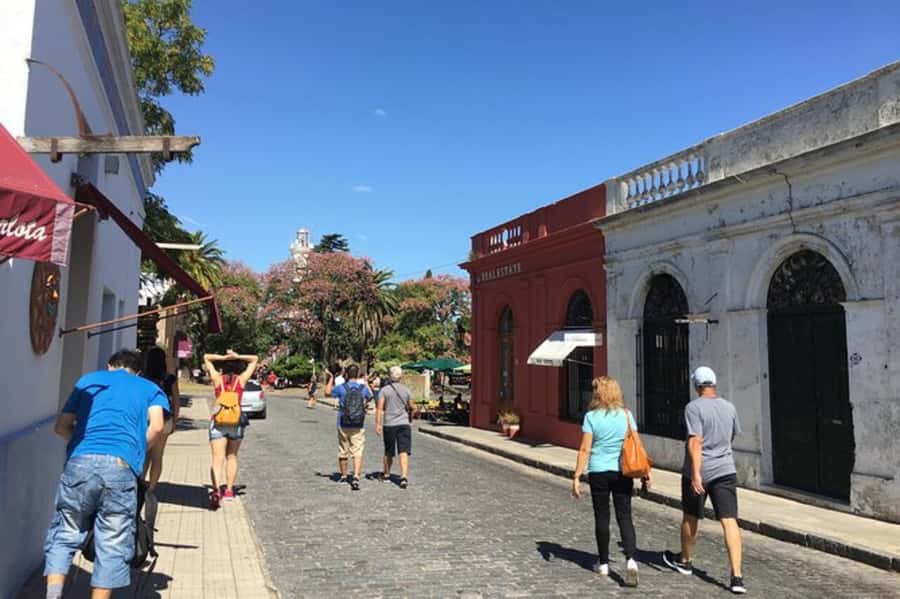
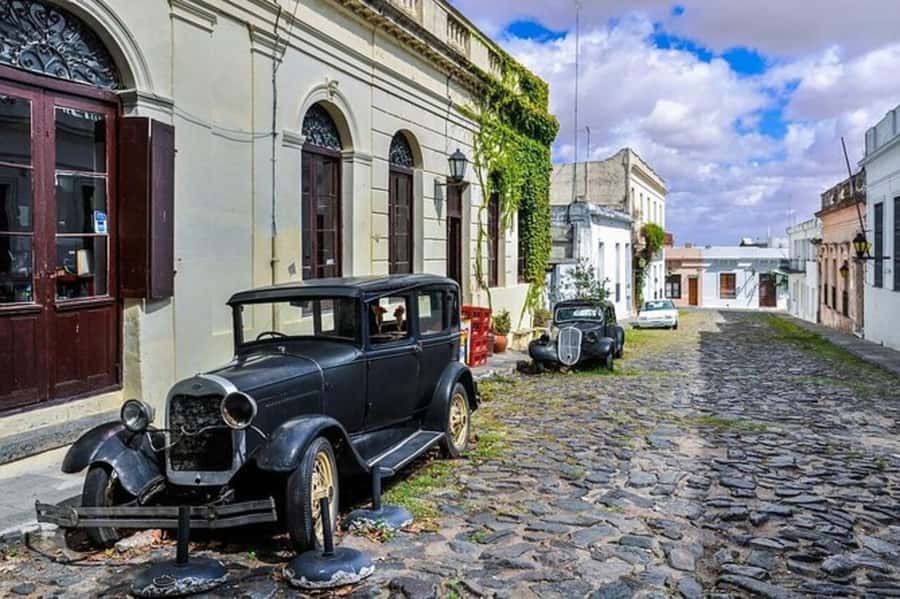
The Old Town is a UNESCO World Heritage site, and its charm comes from the way the streets fit together. You walk over uneven cobblestones, past stucco walls and old doorways, then emerge into open squares. The setting is attractive, but it is not a polished theme park. Expect worn stones, changing pavement, and a walking pace that works best with comfortable shoes.
A local guide gives the streets useful context. Instead of seeing only pretty façades, you learn why the Portuguese founded the settlement and how its position on the river shaped its importance. Guides such as Alejandra have been singled out for making the explanations friendly, relaxed, and easy to follow.
That personal element is important. Colonia’s buildings are visually appealing, but the town can be covered quickly if you only take photographs. A good guide helps connect the city gate, religious buildings, defensive walls, and narrow lanes into one understandable story.
Calle de los Suspiros and the town’s legends
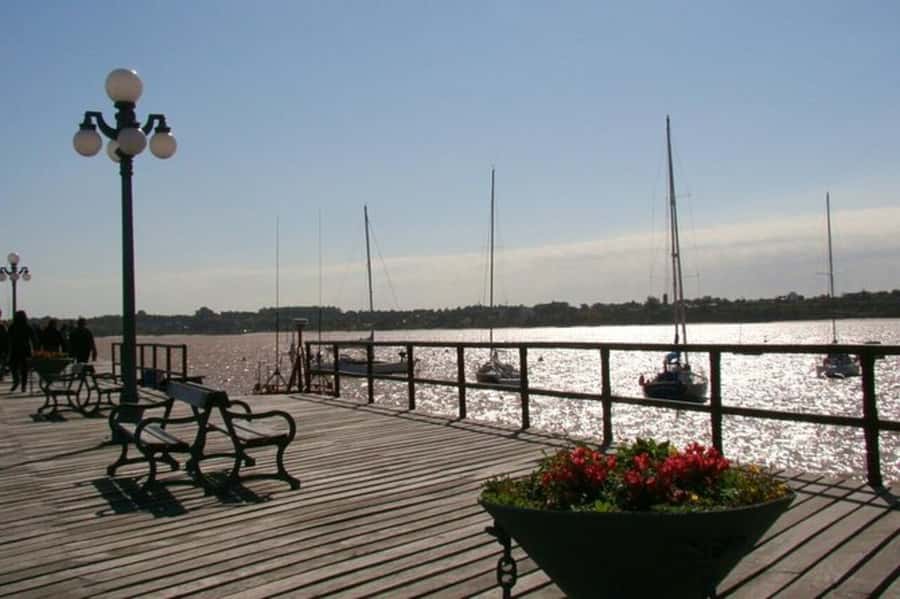
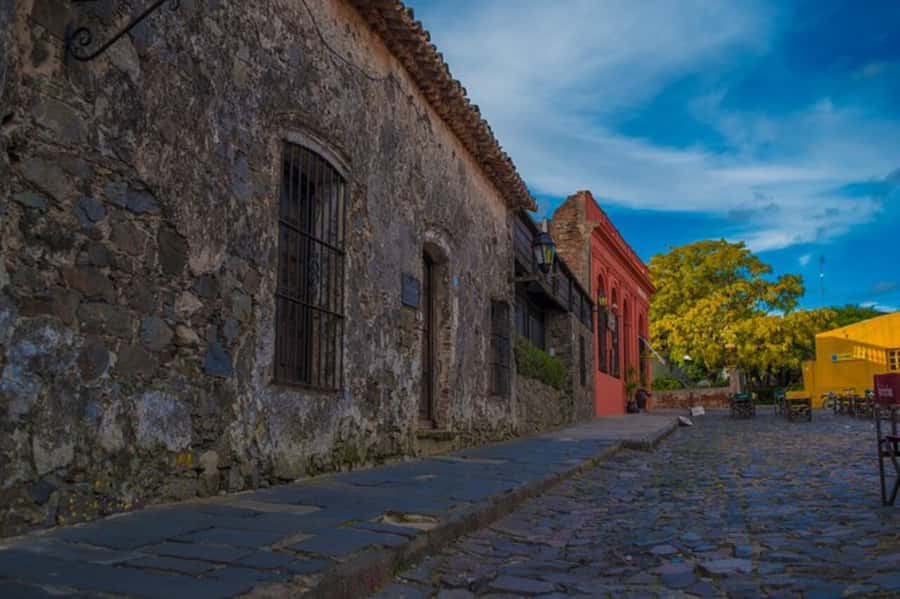
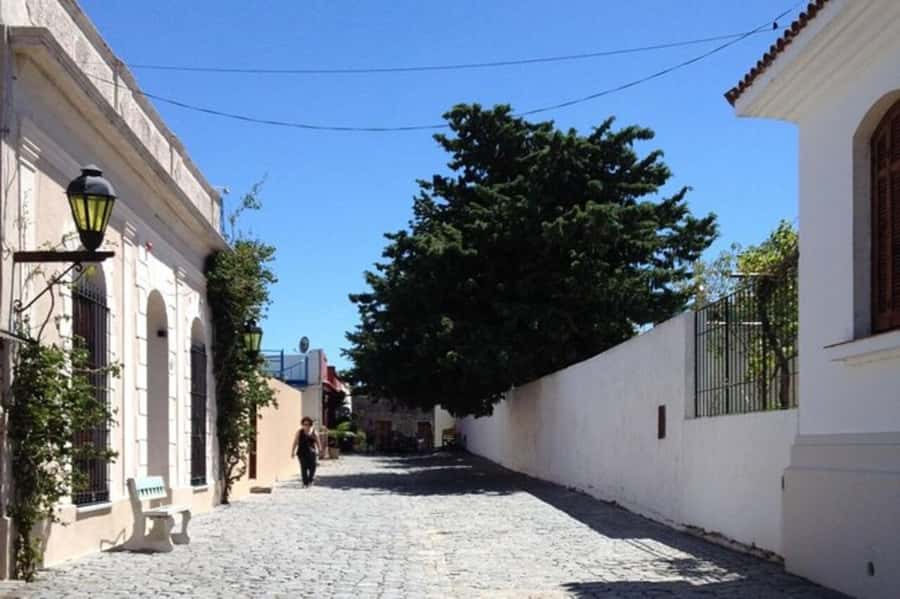
Calle de los Suspiros is one of the shortest stops, listed at roughly 15 minutes, but it is one of the most memorable streets in Colonia. Its uneven stones, low buildings, and narrow shape give it a strong sense of age.
The guide explains the legends attached to the street. You should enjoy these stories as part of Colonia’s local character, not treat every detail as proven fact. The lane is photogenic, so it can feel crowded at popular times, but the guide keeps the stop focused.
This is a good example of why the tour works best as an introduction. You get the story and the main view, then can return during your free time if you want another look or a quieter photograph.
A few more Buenos Aires trips to weigh up
- Gaucho Day Trip from Buenos Aires: Santa Susana Ranch
★ 4.0 · 272 reviews - Gaucho Experience: A Day Trip to Don Silvano Ranch
★ 4.0 · 148 reviews - Buenos Aires in One Day Private Walking Tour
★ 4.5 · 46 reviews - Iguazu Falls Private Day Trip from Buenos Aires with Airfare
★ 4.5 · 35 reviews
Plaza Mayor, the city gate, and old defenses
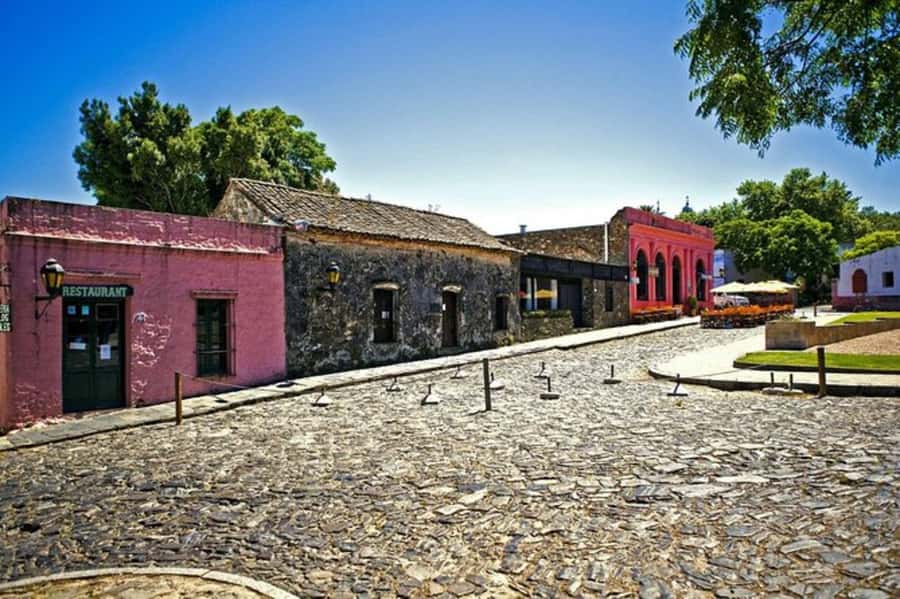
Plaza Mayor forms the heart of the historic area. Museums, cafés, and art galleries surround the square, giving you a natural place to pause after the formal walk. The square also helps you get your bearings. From here, the lanes leading toward the water, the gate, and the religious buildings are easy to understand.
Puerta de la Ciudadela, the old city gate, is another short stop of about 15 minutes. It marks the edge between the historic quarter and the newer part of Colonia. The gate and the surviving walls make the town’s defensive purpose clear without requiring a long lecture.
I like this part of the walk because it gives the town some shape. You see that Colonia was not simply built as a picturesque riverside village. It was a strategic settlement, and the fortifications explain why the location mattered.
The old walls are also good places to slow down. From them, you can look toward the river and across the roofs of the historic quarter. The walk does not promise an extended visit to every section of the defenses, so use your free time if you want to explore them more carefully.
Climbing the Colonia lighthouse
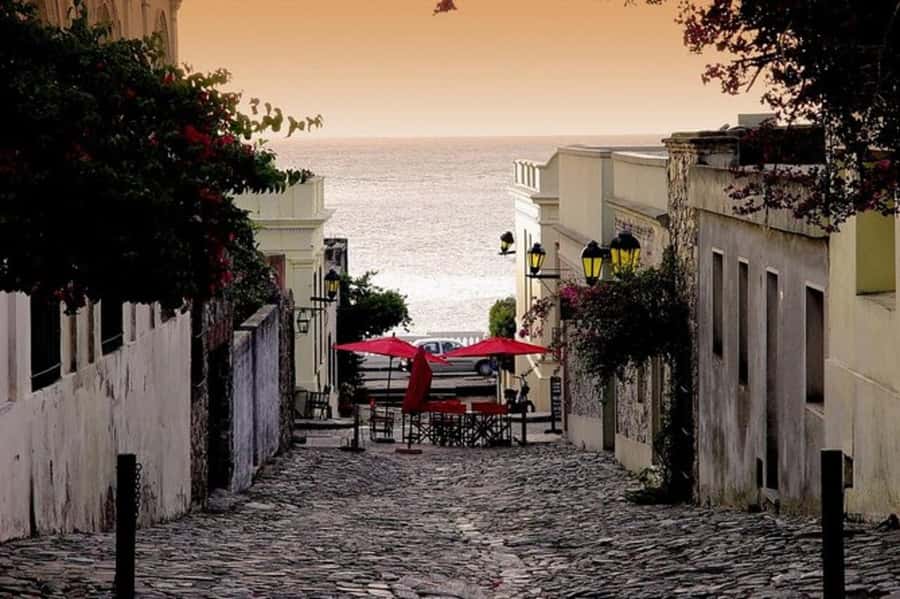
The lighthouse is one of Colonia’s best-known landmarks and receives a short guided stop of about 10 minutes. Its value is not only visual. From the top, you get a broad view over the Rio de la Plata and the compact Old Town.
The climb is a practical consideration. The tour is not suitable for wheelchair users, and the lighthouse stop may be difficult for anyone who has trouble with stairs or narrow access. The supplied information does not promise that every participant will climb to the top, so ask your guide about current access if the view is a priority.
Even from ground level, the lighthouse adds character to the ruins and old streets around it. If you have free time and access is open, it is one of the clearest ways to see how small the historic center really is.
Basilica and convent ruins
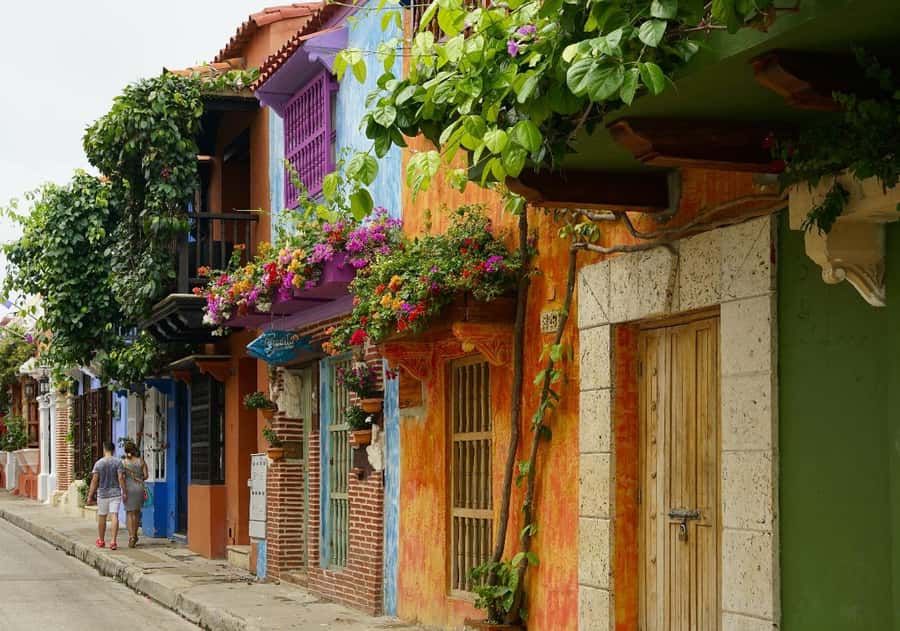
The Basilica del Santísimo Sacramento, also called the Basilica of the Blessed Sacrament, is included as a brief guided stop of about 10 minutes. Its religious importance and simple colonial setting add another layer to the walk. You are not being given a long specialist visit, but you do get a clear introduction to one of the town’s central buildings.
Nearby, the ruins of the Convent of San Francisco give the Old Town a more evocative edge. The remains are a reminder that Colonia is not only about restored façades. Some parts of the settlement survive as fragments, with open stonework and weathered walls showing the effects of time.
The guided walk also includes the broader Colonia del Sacramento historic area for about two hours. That main portion ties the smaller stops together. You can expect a steady overview rather than an in-depth architectural course.
Free time for cafés, museums, and wandering
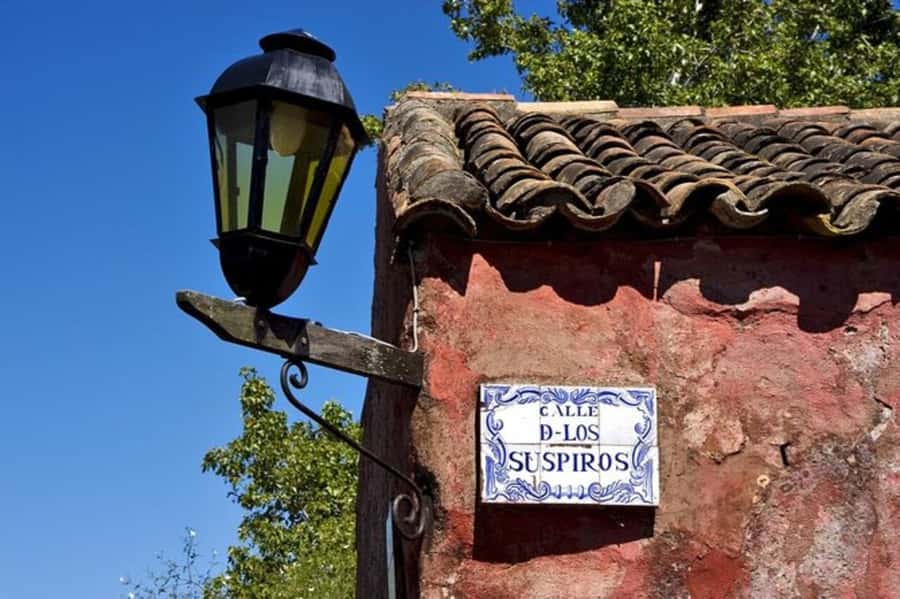
After the guided tour, you get free time in Colonia. This is one of the strongest features of the schedule because the Old Town rewards unhurried wandering. You can return to Calle de los Suspiros, sit in a café, browse an art gallery, visit a museum, or simply follow whichever lane looks most inviting.
Food and drinks are not included, so plan to pay separately for lunch or a snack. The supplied information does not specify a restaurant or a set meal, which gives you freedom but also means the final cost will be higher than the tour price alone.
I would use the free time for the things a formal guide cannot provide: a slower look at doorways and courtyards, a quiet drink near the square, or a second visit to the riverfront. If you prefer a packed schedule with constant commentary, this pause may feel unstructured. If you like choosing your own pace, it is a welcome break.
Keep an eye on the departure time. Colonia is compact, but the ferry process requires you to return to the meeting point promptly. Do not wander to the far edge of town at the end of the day unless you know exactly how long the walk back will take.
The guide and the small-group format
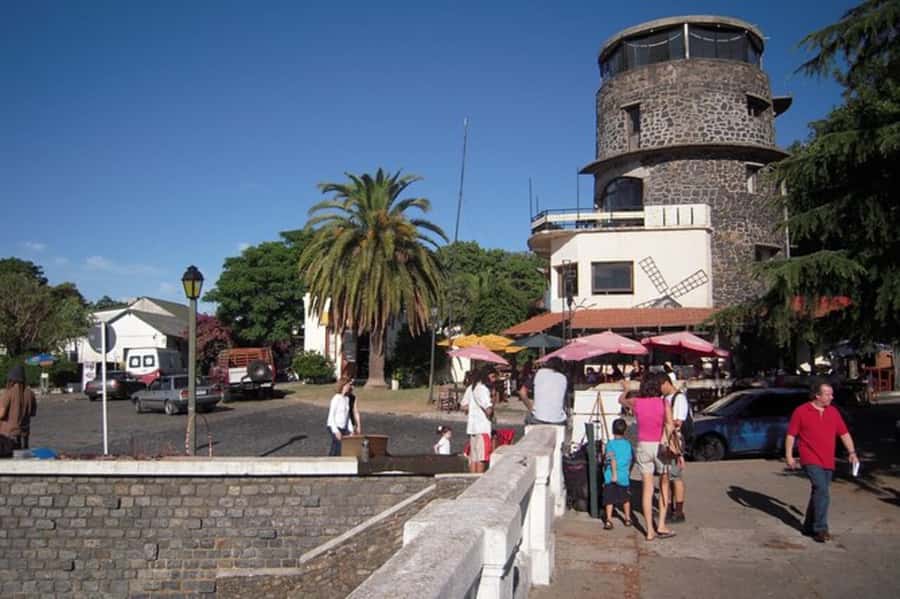
The quality of this experience depends heavily on the guide. Alejandra has been praised for being warm, entertaining, relaxed, and well informed about Uruguay and Colonia. That combination suits a town where stories matter as much as landmarks.
The tour is described as small-group, but no exact maximum group size is provided. You should expect a shared guided walk rather than a private tour. The practical advantage is that you have an organized route and a professional guide without needing to research every stop yourself.
The guide is expected to speak Spanish, English, or Portuguese. Confirm your preferred language at booking. One useful detail from the trip arrangements is that the guide meets the group in Colonia, while the Buenos Aires transfer and ferry process may involve separate staff or drivers. At the beginning, pay attention to instructions at the terminal and do not assume someone will walk you through every step.
That matters because the smoothest part of the experience appears to be the Colonia walking tour itself. The transfer side requires more self-awareness. Know where your group is meeting, keep your ferry details close, and ask questions before leaving the port.
Is $315 a fair price?
At $315 per person, this is expensive for a day in a small historic town. The package includes hotel pickup and drop-off, ferry tickets, the Colonia city tour, and a professional guide. It does not include food or drinks.
The price is easiest to justify if you value convenience. You avoid arranging transport to the Buenos Aires port, purchasing ferry tickets, finding your way around Colonia, and keeping track of the return transfer on your own. For a first-time Uruguay visit, that can be worth paying for.
The price is harder to justify if you are comfortable arranging transport yourself. A self-planned ferry trip plus local transport and a guide booked separately could cost much less. You also gain more control over how long you spend in museums, cafés, or the historic streets.
The strongest value here is not the two-hour walk alone. It is the complete day structure and the reduced planning burden. Still, the cost is high enough that you should compare ferry prices and independent options before booking. The tour is non-refundable, so do not buy it until your travel date and passport details are settled.
Who should choose this day trip?
I would recommend it most strongly to first-time visitors based in Buenos Aires who want to see Uruguay without spending a night away. It also suits you if you prefer a guide to explain the Old Town and want hotel transport included.
Families can use the simple format, and the activity is described as kid-friendly. Children must be accompanied by an adult. The main family concerns are the long 12-hour day, the ferry schedule, and the uneven cobblestones.
This is less suitable for wheelchair users, since the activity is specifically listed as unsuitable for them. It may also be a poor match if you dislike fixed departure times, prefer independent travel, or want a low-cost day out.
For photographers, the town gate, lighthouse, river views, old walls, and Calle de los Suspiros provide plenty to see. Just remember that the guided walk keeps moving, so use the free period for careful photographs.
Practical tips for a smoother day
- Wear shoes with firm soles for the cobblestones.
- Carry your passport in a secure, accessible place.
- Bring only a small day bag because large luggage and strollers are not allowed.
- Submit ferry passenger details exactly as they appear on passports.
- Confirm your pickup location and preferred tour language.
- Listen carefully to port instructions, especially for the return crossing.
- Budget separately for lunch, drinks, and any personal purchases.
- Keep free time for the lighthouse, cafés, museums, or a second look at the old streets.
- Allow extra attention to stairs and uneven surfaces.
- Remember that the return ferry is not a flexible part of the day.
My verdict on the Colonia day trip
You should book this tour if you want a guided, organized introduction to Colonia and are willing to pay a premium for hotel transfers, ferry tickets, and a planned day. The walking route covers the essential sights, the free time keeps the experience from feeling too rigid, and guides such as Alejandra can add warmth and useful local context.
You should skip it if price matters most or if you are comfortable making your own ferry and transport arrangements. At $315, the convenience is real but costly. The best choice comes down to one question: do you want to save planning time, or do you want to save money?
FAQ
How long does the Colonia day trip last?
The activity lasts about 12 hours, including hotel transfers, the ferry rides, the guided tour, and free time in Colonia.
Where is hotel pickup available?
Pickup is available from centrally located hotels in areas including Palermo, Puerto Madero, Retiro, Monserrat, and San Telmo. The information also refers to Palermo, Recoleta, and downtown areas, so confirm your exact hotel when booking.
How long is the ferry ride?
The river boat journey takes about one hour each way.
Is food included?
No. Food and drinks are not included, so you need to pay separately for lunch, snacks, and beverages.
What landmarks are included?
The tour includes Colonia’s Old Town, Calle de los Suspiros, Puerta de la Ciudadela, the Colonia del Sacramento Lighthouse, the Basilica of the Blessed Sacrament, and the ruins of the Convent of San Francisco.
Is there free time in Colonia?
Yes. After the guided sightseeing, you receive free time to explore Colonia at your own pace.
What languages are available?
The live guide service is available in Spanish, English, and Portuguese.
Do I need a passport?
Yes. You need a valid passport on the day of travel. Bring a visa if your nationality requires one.
What information is needed for ferry tickets?
At booking, you need to provide each passenger’s full name, date of birth, passport number, and nationality.
Is the tour suitable for children and wheelchair users?
Children can join when accompanied by an adult, and the activity is described as kid-friendly. It is not suitable for wheelchair users.
Just added around Buenos Aires
- Tango Show at El Querandi with optional Dinner★ 4.2 · 3 reviews
- Wine Tasting in Buenos Aires★ 4.2 · 4 reviews
- Walking Tour: Buenos Aires bookstores★ 4.3 · 12 reviews
- Velez Sarsfield Football Match★ 5.0 · 3 reviews
- Unique Tigre and Delta Private Day Cruise Navegation★ 5.0 · 3 reviews
- Tour Buenos Aires in one day on Electric Scooters★ 5.0 · 33 reviews
- Private Underground Tango Immersion★ 5.0 · 31 reviews
- Experience The Essence of Buenos Aires in San Telmo★ 5.0 · 51 reviews
Colonia del Sacramento Day Trips, compared.

Wine Tour Privado a Colonia Caroya – Día completo
Read our review →Browse the lists this tour appears in