Reviewed · BUENOS AIRES TOURS
Buenos Aires: Chacarita, The Largest Cemetery In Argentina
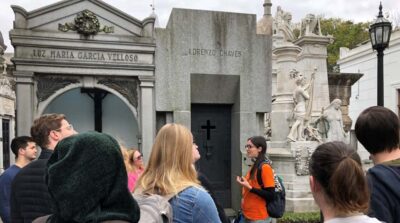
Chacarita is not just a cemetery. It is a compact lesson in Argentine music, film, poetry, sport, immigration, and public memory. You’ll pass the tombs of tango idol Carlos Gardel, rock star Gustavo Cerati, singer Gilda, and other famous figures, then move into German and British burial grounds with their own styles and memorial traditions.
I like the small group of six, which gives guide Miguel room to answer questions, and I like the sharp contrast between Argentine mausoleums, the Commonwealth war graves, and the German cemetery. The main drawback is practical: this is a three-hour walking tour with no wheelchair access and limited suitability for anyone with mobility problems.
In This Review
- Key points
- Why Chacarita Tells a Bigger Buenos Aires Story
- Starting at the Main Gate
- Carlos Gardel, Tango’s Most Famous Voice
- Jorge Newbery and María Salomé Loredo de Subiza
- Gustavo Cerati and Gilda: Modern Argentine Music
- The Chacarita Chapel and Panteón VI
- Commonwealth War Graves Buenos Aires
- The German Cemetery and Elcano Park
- What the Three-Hour Schedule Feels Like
- Is 20 Dollars a Fair Price?
- Who Should Book This Walking Tour?
- Should You Book Chacarita Cemetery?
- FAQ
- Where does the tour meet?
- How long does the experience last?
- What language is the tour conducted in?
- How large is the group?
- Which famous tombs are included?
- Does the tour visit British and German cemeteries?
- Is the tour suitable for wheelchair users?
- What should I bring?
Key points
- Carlos Gardel’s tomb: Visit the resting place of tango’s defining voice.
- Gustavo Cerati and Gilda: See memorials connected to modern Argentine popular music.
- A cemetery with several identities: Compare Argentine, British, German, and religious spaces.
- Guide Miguel: Expect patient, personal Spanish-language explanations and plenty of time for questions.
- Small-group format: The tour is limited to six people, useful in a large cemetery.
- Plan for the weather: Wear comfortable shoes, bring water, sunscreen, and a hat.
Why Chacarita Tells a Bigger Buenos Aires Story
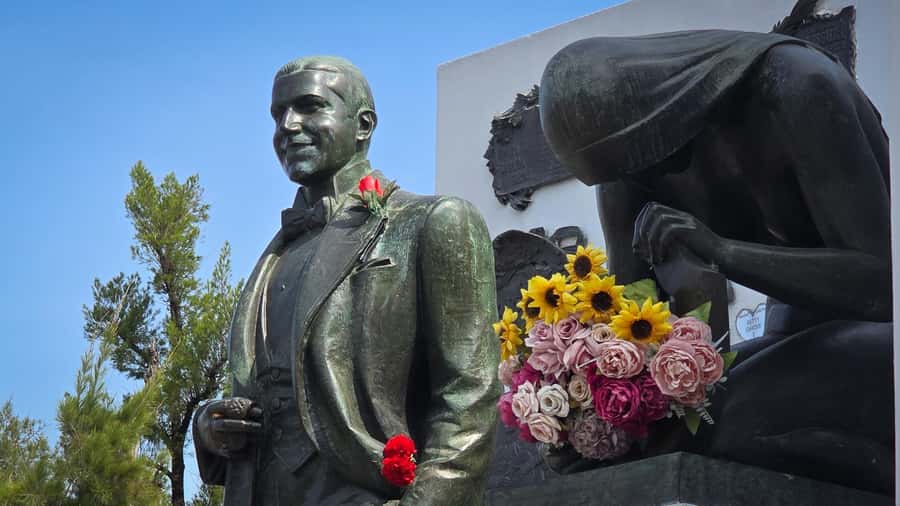
Chacarita Cemetery gives you a different way to understand Buenos Aires. Instead of moving from museum to museum, you follow the people who shaped Argentine public life and see how the city remembers them.
The cemetery is known for its architecture, religious spaces, sculpture, and mausoleums. You’ll also encounter the final resting places of musicians, actors, athletes, writers, and public figures. That variety makes the visit feel less like a single-theme attraction and more like a walk through several parts of Argentine culture.
The tone is respectful, but it is not overly solemn. Tango, cinema, rock, poetry, military service, and national identity all enter the conversation. Miguel’s job is especially important here. A cemetery can be confusing without context, and his explanations help connect names, dates, careers, and memorial styles.
The tour is conducted in Spanish. That makes it a good choice if you speak Spanish or are learning it and want real conversation at a manageable pace. Miguel has been praised for speaking slowly and patiently when needed, so you can ask questions instead of simply following along.
Other Buenos Aires days worth booking alongside this:
- Buenos Aires Hop-On Hop-Off Bus, Free Walking Tours & Discounts
★ 4.5 · 2,218 reviews - Buenos Aires: Piazzolla Tango Show with Optional Dinner
★ 4.4 · 2,122 reviews - Buenos Aires: City Highlights Guided Tour with Transfer
★ 4.7 · 1,946 reviews
Starting at the Main Gate
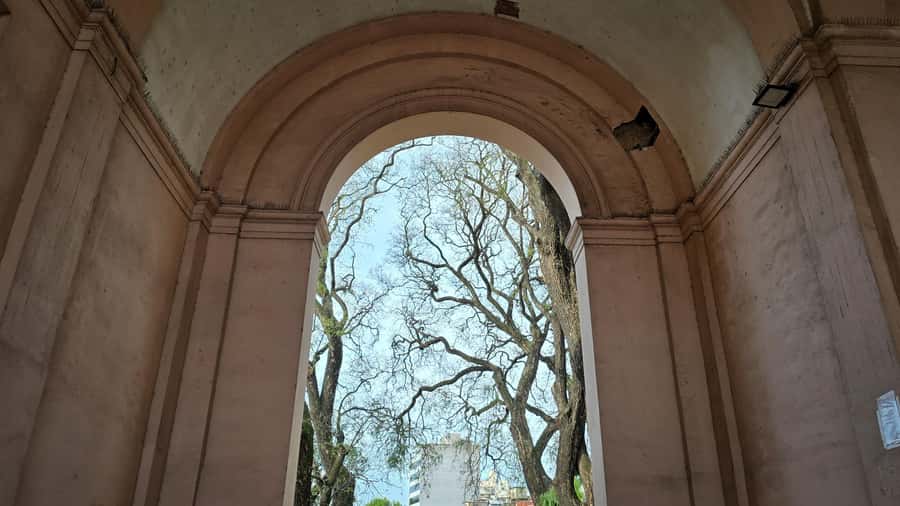
The meeting point is the main door to Chacarita Cemetery. From there, the tour begins with an orientation to the cemetery itself before moving through a series of mausoleums and memorials.
The opening stop lasts about ten minutes. That is enough time to get your bearings, understand the scale of the grounds, and learn why the cemetery matters before the tour turns to individual lives.
You should arrive ready to walk. The route includes several stops, and the total experience lasts three hours, with a ten-minute pause for the restroom. Bring water, especially on a warm Buenos Aires day, and wear shoes that are comfortable for extended walking.
The activity is not suitable for wheelchair users or people with mobility impairments. The supplied information does not promise transportation between stops, so you should expect the experience to take place on foot.
Carlos Gardel, Tango’s Most Famous Voice
The tomb of Carlos Gardel is one of the tour’s central stops. Gardel is described as the quintessential voice of tango, and his name carries unusual weight in Argentina and far beyond it.
You get about ten minutes at his mausoleum for a guided visit and photographs. That time is brief, but a guide can make it useful by explaining Gardel’s place in Argentine culture rather than treating the tomb as a quick photo stop.
This is one of the places where the tour’s focus on personalities works well. You are not only looking at stone and decoration. You are being introduced to the public memory attached to a singer whose voice helped define tango for generations.
If Gardel is your main reason for booking, keep your expectations sensible. This is one stop in a wider cemetery tour, not a dedicated tango history walk. You will see the tomb and receive context, but the experience also has many other subjects.
Jorge Newbery and María Salomé Loredo de Subiza
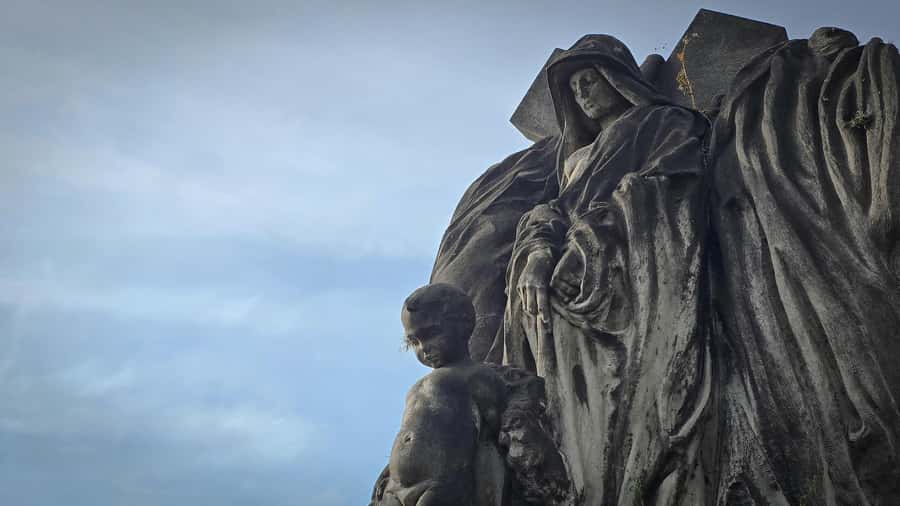
The route continues to the mausoleum of Jorge Newbery, followed by the mausoleum of María Salomé Loredo de Subiza. Each stop is planned for about ten minutes.
These visits show the range of people remembered at Chacarita. The tour does not limit itself to musicians, and that is part of its appeal. Newbery and Loredo de Subiza add different personal and historical threads to the walk.
The itinerary gives you time for a guided explanation and photographs at both sites. The exact architectural details are not specified, so you should expect Miguel to provide the important background rather than a specialist architectural lecture at every stop.
That balance is useful. You get enough information to understand why each person matters without spending the entire afternoon at one mausoleum.
Same city, a completely different kind of day:
- Buenos Aires: Hop-On Hop-Off City Bus Tour
★ 4.2 · 1,855 reviews - Buenos Aires Hop-On Hop-Off Bus and Exclusive Benefits
★ 4.4 · 1,714 reviews - Buenos Aires: La Boca Guided Walking Tour in English
★ 4.8 · 1,587 reviews - Buenos Aires: La Recoleta Cemetery Guided Tour in English
★ 4.8 · 1,359 reviews
Gustavo Cerati and Gilda: Modern Argentine Music
The tour then shifts toward more recent popular music with visits to the mausoleum of Gustavo Cerati and the tomb of Gilda.
Cerati is one of the most recognizable names in Argentine rock. His mausoleum receives about fifteen minutes, giving you more time than the earlier ten-minute stops. That extra time suits a figure whose career reaches across Argentine and Latin American music.
Gilda brings another musical story. Her tomb is also scheduled for a fifteen-minute guided visit. Seeing these two places together helps you compare different eras and styles of Argentine popular music.
This part may be especially meaningful if you already know Cerati or Gilda. If you do not, Miguel can still explain why their names matter. The tour is designed to connect famous people with the culture around them, not simply point out graves.
Keep in mind that the experience is in Spanish. Music names and cultural references can be easier to follow if you have some Spanish, but the guide’s patience is a helpful feature for learners. One participant specifically found Miguel willing to speak slowly and support language practice.
The Chacarita Chapel and Panteón VI
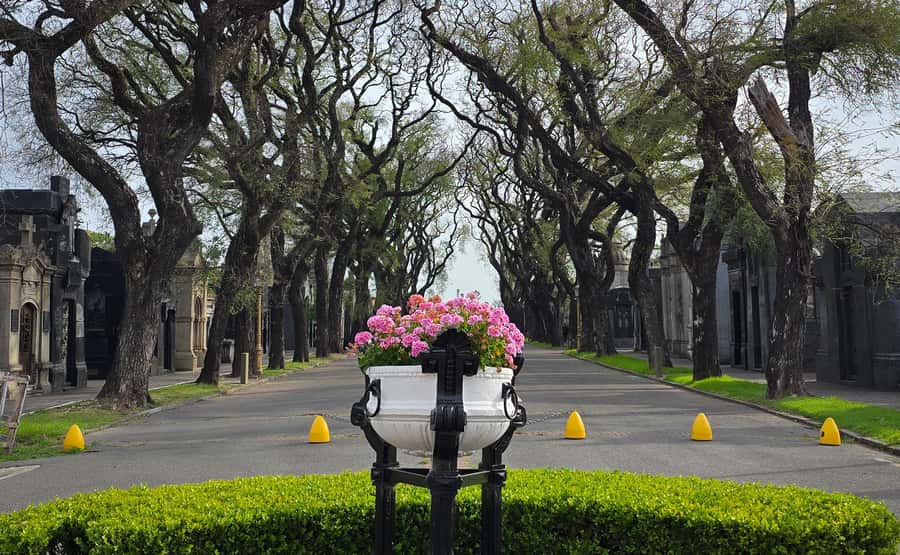
The chapel at Chacarita is another ten-minute stop. Here the focus shifts from individual tombs to sacred architecture and the religious setting of the cemetery.
The chapel gives the tour a change of pace. After several famous names, you spend time looking at a shared spiritual space. The supplied details do not specify its architectural style or whether interior access is guaranteed, so you should treat this as a guided visit to the chapel area rather than expect a full architectural tour.
Panteón VI receives the longest scheduled visit, about thirty minutes. That is a clear sign that this is a major part of the route. A pantheon can show how collective memorial spaces differ from individual mausoleums, and Miguel has time here to explain the setting in more detail.
For me, this is where a guided tour earns its fee. You can walk through a cemetery alone and admire stonework, but you may not know which spaces deserve a closer look or how they fit into Argentine customs. Thirty minutes gives the guide room to slow down and answer questions.
Commonwealth War Graves Buenos Aires
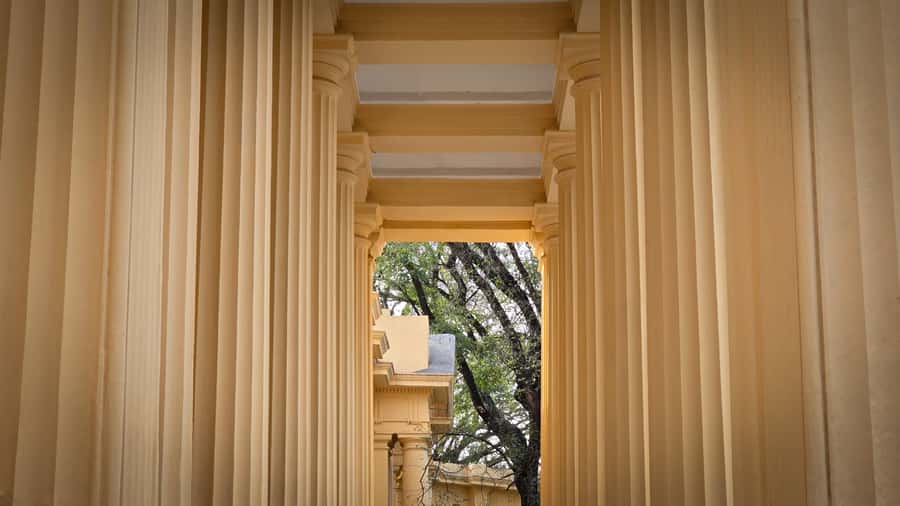
The tour next visits the Commonwealth War Graves in Buenos Aires for about fifteen minutes.
This stop adds an international and military dimension to the experience. The graves are different in purpose from the grand mausoleums associated with famous Argentine figures. Their design and memorial tradition reflect the Commonwealth system of remembrance.
The contrast is the point. Within the same broader cemetery experience, you move from tango and rock music to military commemoration. You can compare how fame, service, nationality, and grief are represented through different memorial forms.
The tour does not provide a detailed list of the people buried there, so you should not book this expecting a full military-history lecture. It is a focused stop that broadens the story of who belongs in Buenos Aires and how different communities remember their dead.
The German Cemetery and Elcano Park
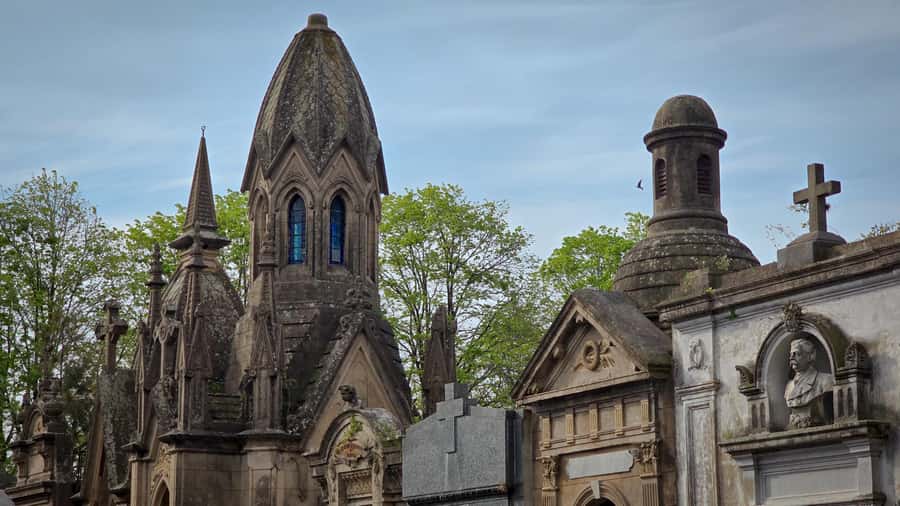
The German Cemetery follows with a guided sightseeing visit of about fifteen minutes. This is one of the experience’s most distinctive features because it lets you compare another national tradition with the Argentine cemetery spaces you have just seen.
The tour description points to unique styles, religious temples, historical monuments, and notable people resting in these separate burial grounds. You can expect Miguel to draw attention to those contrasts, though the exact monuments covered may depend on the pace of the group.
Elcano Park is the final listed stop, with about ten minutes for a guided visit and sightseeing. The available details do not explain the park’s precise role in the route, so you should regard it as a closing outdoor stop rather than assume a particular attraction or activity.
Together, the German and British sections make this more than a celebrity cemetery tour. They show Buenos Aires as a city with many communities and memorial traditions. That variety is one of the best reasons to choose this experience over a short visit focused only on Gardel.
What the Three-Hour Schedule Feels Like

The schedule contains many stops, most lasting ten to fifteen minutes, with thirty minutes at Panteón VI and a ten-minute restroom pause. That creates a steady rhythm: walk, listen, look around, take photographs, and move on.
The benefit is variety. You will not spend the whole tour on one famous person, and you get a broad introduction to the cemetery’s cultural and architectural sides.
The tradeoff is depth. Ten minutes is not long enough for a full biography or a close study of every mausoleum. If you want detailed research on Gardel, Cerati, or Argentine funerary art, you may want to read beforehand and use the tour to add local context.
A small group helps. With no more than six participants, Miguel can respond to questions and adjust his explanations. The experience feels more personal than a large walking group, and the direct contact matters in a place where names and stories can otherwise blur together.
The tour has a perfect rating from seven recorded reviews, with repeated praise for Miguel’s patience, personal attention, clear information, and enthusiasm for Buenos Aires. That is the strongest pattern in the feedback, and it matches what you should value here: the guide, not just the locations.
Is 20 Dollars a Fair Price?
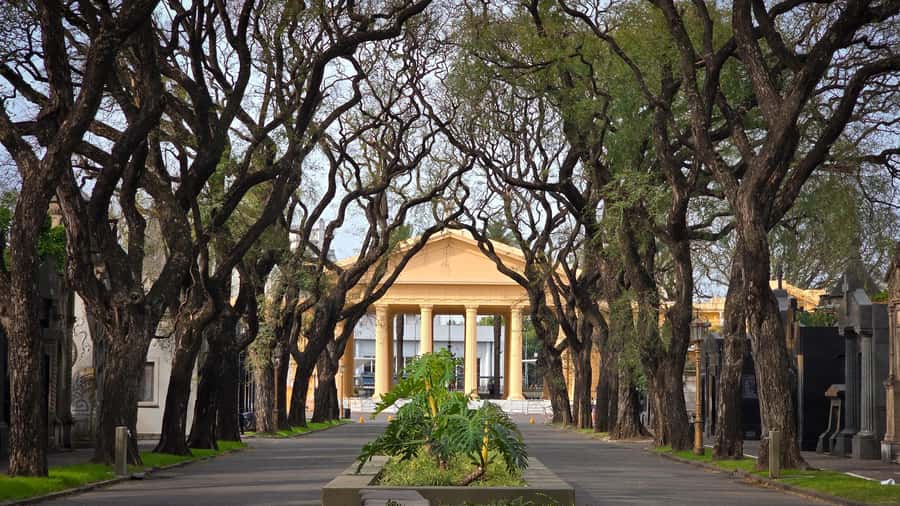
At $20 per person, this is a good value if you want interpretation rather than a self-guided walk.
You are paying for three hours with a live Spanish-speaking guide, a route through several distinct cemetery areas, and access to stories that would be difficult to organize on your own. The group limit of six makes the price more attractive because you get a more personal experience.
The value is lower if you only want to photograph Gardel’s tomb and leave. You would be paying for a broad route that includes many stops, so the tour suits curious visitors more than people seeking a single famous grave.
The price also makes sense for Spanish learners. Miguel has shown patience with people practicing the language, and a small group gives you a better chance to ask questions. You get cultural information and a real listening exercise at the same time.
Free cancellation is available up to 24 hours before the start, and you can reserve now and pay later. Starting times vary, so check availability when choosing a date.
Who Should Book This Walking Tour?
I would choose this tour if you are interested in Argentine music, cemetery architecture, cultural memory, or the less obvious sides of Buenos Aires. It is also a strong fit for anyone who has already seen the city’s better-known cemetery and wants a different comparison.
The tour suits solo visitors and couples who prefer a small group. Spanish speakers will get the most from the explanations, while Spanish learners may appreciate Miguel’s patient pace.
I would think twice if you have trouble walking, use a wheelchair, or dislike outdoor sightseeing in sun or light rain. One participant had some rain and still found the tour worthwhile, but weather protection remains your responsibility. Bring comfortable shoes, a hat, sunscreen, and water.
Should You Book Chacarita Cemetery?
Book it if you want a personal, story-led walk through Argentine culture rather than a quick list of famous graves. Gardel, Cerati, Gilda, the chapel, Panteón VI, the Commonwealth memorials, and the German cemetery give the tour a wide reach.
The best reason to go is Miguel’s guiding style: patient, attentive, and clearly enthusiastic about Buenos Aires. The main caution is the Spanish-only format and the amount of walking.
For $20, a three-hour small-group tour offers solid value. If those limits suit you, this is an unusual and worthwhile way to see a side of Buenos Aires that most short city visits miss.
FAQ
Where does the tour meet?
You meet at the main door to Chacarita Cemetery.
How long does the experience last?
The guided walking tour lasts three hours and includes a ten-minute pause for using the restroom.
What language is the tour conducted in?
The live tour guide speaks Spanish.
How large is the group?
The group is limited to six participants.
Which famous tombs are included?
The route includes the tombs or mausoleums of Carlos Gardel, Jorge Newbery, María Salomé Loredo de Subiza, Gustavo Cerati, and Gilda. It also pays homage to other Argentine musicians, actors, athletes, and public figures.
Does the tour visit British and German cemeteries?
Yes. The route includes the Commonwealth War Graves Buenos Aires and the German Cemetery.
Is the tour suitable for wheelchair users?
No. The experience is not suitable for wheelchair users or people with mobility impairments.
What should I bring?
Bring comfortable shoes, a hat, sunscreen, and water.
Just added around Buenos Aires
- Tango Show at El Querandi with optional Dinner★ 4.2 · 3 reviews
- Wine Tasting in Buenos Aires★ 4.2 · 4 reviews
- Walking Tour: Buenos Aires bookstores★ 4.3 · 12 reviews
- Velez Sarsfield Football Match★ 5.0 · 3 reviews
- Unique Tigre and Delta Private Day Cruise Navegation★ 5.0 · 3 reviews
- Private Underground Tango Immersion★ 5.0 · 31 reviews
- Tour Buenos Aires in one day on Electric Scooters★ 5.0 · 33 reviews
- Transfers from or to the airport In Argentina Your Best Choice★ 5.0 · 28 reviews
Buenos Aires Tours, compared.