
Reviewed · ESTANCIA & GAUCHO DAYS
Estancia Gaucho Day at Buenos Aires
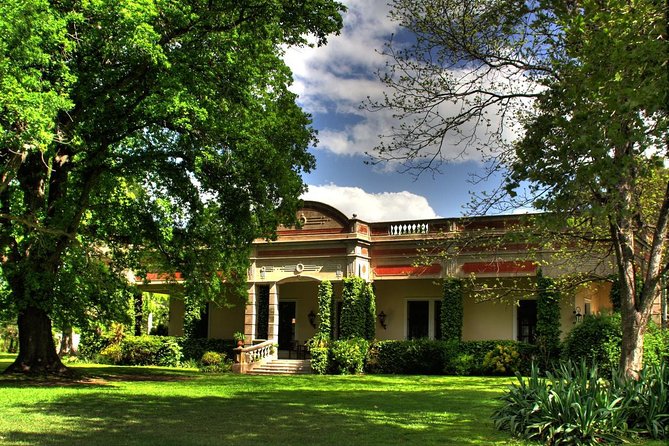
The best part of this day is the time at the traditional estancia, where gaucho customs come together over empanadas, an Argentine barbecue, wine, horses, music, and dancing. You get a taste of pampas life without arranging transport or finding a ranch on your own.
I like the scenic drive through the countryside and the chance to visit San Antonio de Areco, one of the country’s best-known gaucho towns. I also like the warm, social lunch, with generous food and drinks included. The main drawback is the long day, and some of the riding is a slow, short loop rather than an adventurous horseback outing.
In This Review
- Key points to know before booking
- Why the pampas day works so well
- The road from Buenos Aires to San Antonio de Areco
- San Antonio de Areco and the gaucho town
- Arriving at the estancia under the ombú tree
- Horseback riding for beginners
- The Argentine barbecue and unlimited drinks
- Folklore, dancing, and gaucho horsemanship
- Guides, group size, and comfort
- Is $168 a fair price?
- Who should book this estancia day?
- Should you book it?
- FAQ
- How long does the Estancia Gaucho Day last?
- Is hotel pickup and drop-off included?
- What food and drinks are included?
- Can vegetarians join the tour?
- Is horseback riding suitable for beginners and children?
- Will I visit San Antonio de Areco’s church and craft shops?
- What should I bring or wear?
Key points to know before booking
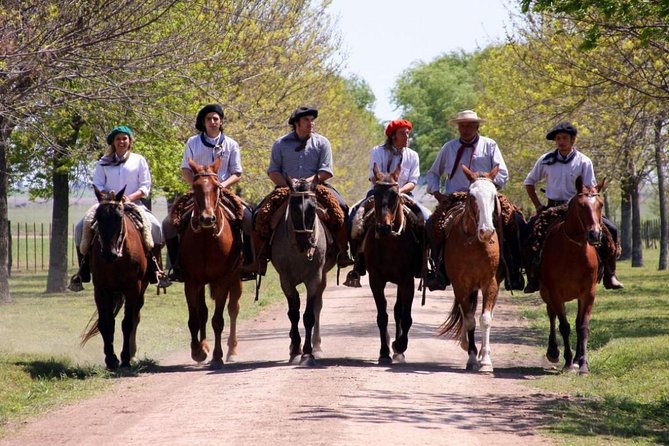
- The estancia is the star: Expect a beautiful rural setting, welcoming hosts, fields, trees, horses, dogs, and a long lunch.
- The barbecue is substantial: Beef, empanadas, local cheeses, cold cuts, dessert, wine, beer, soft drinks, and water are included.
- Horse riding is gentle: It suits beginners and children, but experienced riders may find the short walk too tame.
- San Antonio de Areco adds context: A silversmith’s workshop, chocolate stop, church, and town center connect the ranch visit to local culture.
- Guides matter: Carolina, Enrique, Marcelo, Mariela, Lorena, Eugenia, Patric, Myriam, and Nico have all been praised for friendly service and clear background on Argentina.
- Allow the full nine hours: Pickup begins around 8:30 a.m., and the return can be near 6:30 p.m.
Why the pampas day works so well
Buenos Aires can feel like a self-contained world of cafés, grand avenues, tango houses, and late dinners. This excursion gives you a useful change of pace. After the pickup, you head into the open pampas, the broad farming country that helped shape Argentina’s identity.
The drive takes about three hours in total, split between the outward and return journeys. Your guide provides live commentary along the way, explaining gauchos, rural life, and the history of the area. That context matters. Without it, a ranch lunch can feel like a pleasant meal in the countryside. With it, the horses, leatherwork, beef, mate traditions, and old village streets begin to fit together.
The group can reach up to 30 people, though smaller departures are possible. One departure had only two participants and used a comfortable car rather than a large bus. You should be ready for a multilingual guide, and English quality may vary by departure, though guides named in the feedback, including Carolina, Enrique, Marcelo, Lorena, Mariela, and Patric, were praised for their care and explanations.
More Estancia & Gaucho Days in Buenos Aires
- From Buenos Aires: Gaucho and Ranch Day Tour
★ 4.7 · 809 reviews - Gaucho Day Trip from Buenos Aires: Santa Susana Ranch
★ 4.0 · 272 reviews - Gaucho Experience: A Day Trip to Don Silvano Ranch
★ 4.0 · 148 reviews
The road from Buenos Aires to San Antonio de Areco
Hotel pickup is included, which is a major help in a city as spread out as Buenos Aires. The stated start time is 8:30 a.m., although pickup can occur a little later depending on your hotel and route.
Communication about transport deserves attention. Some departures use a taxi to collect you and bring you to another meeting point before the main vehicle leaves. That arrangement surprised at least one person, so confirm the pickup details rather than assuming a coach will arrive directly at your hotel.
The drive itself is part of the experience. You see the city give way to flatter, more open country, while your guide explains how gauchos became symbols of Argentine independence, work, and rural skill. It is not a quick transfer. The ride, stops, and return make this a full-day outing, so do not schedule a museum reservation or evening show too tightly afterward.
One stop may be at a gas station and souvenir shop, with leather goods and gaucho ponchos available. I would treat this as a practical break rather than a major cultural attraction. Some people enjoy browsing for leather, while others would rather spend that time in Areco or at the estancia.
San Antonio de Areco and the gaucho town
San Antonio de Areco is a fitting gateway to gaucho culture. The town is linked with traditional silverwork, leathercraft, rural dress, and the figure of the gaucho. The visit is short, so think of it as an introduction rather than a full town tour.
At a silversmith’s workshop, you can see the sort of fine metalwork associated with gaucho belts, knives, stirrups, and horse equipment. This gives you a better sense of why the gaucho image includes more than a wide-brimmed hat and a horse. Craft mattered in daily life, and good equipment could be both useful and decorative.
The chocolate shop is a brief, lighter stop. It adds a local treat, but it is not the reason to book the excursion. If you want to shop or wander the town, the schedule may feel tight.
The Parish of San Antonio de Padua offers a quick historical pause. It occupies the site of the first oratory founded by Don José Ruiz de Arellano, and the current church dates to 1869. Its cornerstone contains records and relics connected with the town’s early story. The visit lasts about 10 minutes, so you will not have time for a long look inside or a quiet architectural study.
The exact stops can change. One Sunday departure skipped the church and museum-related visits, likely because of opening arrangements. If seeing the church or craft displays is important to you, ask about the day’s schedule when you book.
Arriving at the estancia under the ombú tree
The ranch portion begins with a welcome reception, often under the shade of an ombú tree. You can expect drinks and beef empanadas before the main meal. The empanadas have been singled out as a highlight, and they are a smart opening to a day built around food.
The setting is a large part of the appeal. Reviews describe gardens, fields stretching into the distance, birds in the trees, horses, cattle, and friendly resident dogs. The owners’ care for their animals has made a strong impression, especially on families. This is not a polished theme-park version of gaucho life. It is a working rural property presented in a relaxed, welcoming way, though the experience is still arranged for day visitors.
You will have time to take in the grounds, but the schedule is not unlimited. One useful criticism is that the earlier stops can feel like filler because the group reaches the ranch around noon. I would happily trade a little shop time for more freedom to walk around the garden or sit under the trees.
Same city, a completely different kind of day:
- Buenos Aires Hop-On Hop-Off Bus, Free Walking Tours & Discounts
★ 4.5 · 2,218 reviews - Buenos Aires: Piazzolla Tango Show with Optional Dinner
★ 4.4 · 2,122 reviews - Buenos Aires: City Highlights Guided Tour with Transfer
★ 4.7 · 1,946 reviews - Buenos Aires: Hop-On Hop-Off City Bus Tour
★ 4.2 · 1,855 reviews
Horseback riding for beginners
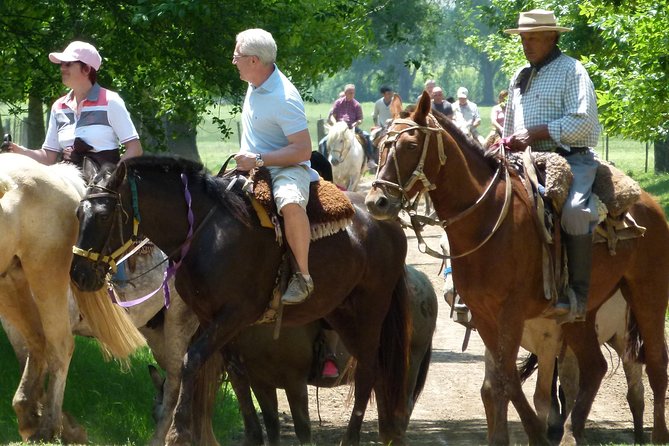
Horseback riding is included, and the horses are described as calm and well cared for. That makes the activity suitable for children, first-time riders, and anyone who wants a gentle introduction rather than a demanding ride.
Set your expectations carefully. The route is generally a slow walk around an open field or along a dirt road, sometimes lasting about 20 to 30 minutes. The description may suggest trotting or galloping, but the actual ride can be a tame loop at walking speed. You may receive little formal instruction, so tell the staff if you are nervous or have never ridden.
For a beginner, the quiet pace is a benefit. You can sit on the horse, look across the fields, and enjoy the novelty without being pushed into a faster pace. For an experienced rider, it may feel too short and controlled.
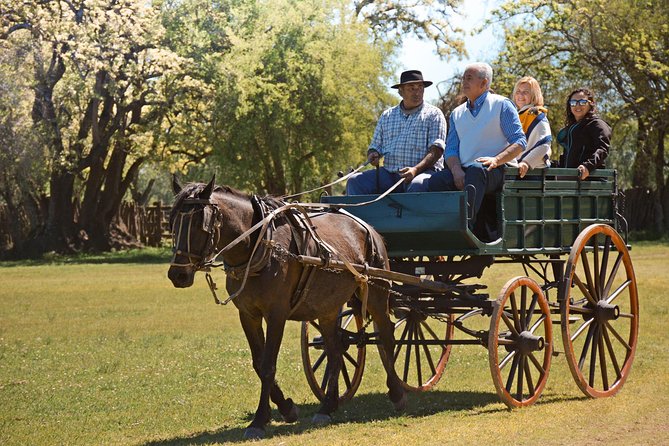
Some departures have also included a carriage ride, which people have found less interesting than the ranch show and horse handling. The exact mix of activities can vary, but the horseback ride should not be the sole reason you book this outing. The food, setting, guide, and performance carry more of the day.
The Argentine barbecue and unlimited drinks
Lunch is a long, social affair, often lasting about two hours. This is not a rushed plate served between activities. You sit down to a traditional Argentine barbecue with plenty of food and drinks, making it one of the strongest parts of the value.
Expect grilled meat, local cheeses, cold cuts, empanadas, dessert, and beverages. Wine, including Malbec made at the estancia on some departures, beer, soft drinks, water, and coffee are included. Several people describe the portions as generous, with continuous meat service and unlimited drinks.
Vegetarian visitors can be accommodated, but you must give dietary requirements when booking and remind the staff on arrival. One vegetarian did not receive a meat-free welcome snack, though a good vegetarian main dish was provided later. That is a useful warning: do not assume the kitchen will know unless your request is clearly recorded.
The meal works best if you enjoy long lunches and shared tables. If you prefer a quick bite and lots of independent sightseeing, the pace may feel slow. I see that as a matter of travel style, not a flaw. Argentine food culture places real value on sitting, talking, pouring another glass, and letting the meal unfold.
Folklore, dancing, and gaucho horsemanship
After dessert and coffee, the day moves outdoors for live music, folklore, and dancing. A couple may perform traditional dances before inviting the group to join. You do not need dance experience. The point is to watch, listen, and take part if you feel like it.
The music and dancing are among the most praised elements of the day because they turn the ranch visit into more than a meal with a horse ride. You see how rural identity is performed through rhythm, dress, movement, and hospitality.
The horse demonstration is another highlight. A skilled gaucho works with a horse in a display of control and communication, often called horse whispering. It offers a sharper look at horsemanship than the gentle visitor ride. You can watch the animal respond to small movements and signals, which helps explain why horses are central to gaucho work.
The show is staged for the group, so it is not a private glimpse of an undiscovered ranch. Still, the setting, food, hosts, and live skill make it more grounded than a city performance designed only for tourists.
Guides, group size, and comfort
The guide can shape the entire day. Carolina was praised for making the experience smooth and inclusive. Enrique was singled out for attentive service and strong explanations of Argentina and gaucho culture. Marcelo, Lorena, Mariela, Eugenia, Patric, Myriam, and Nico were also praised for friendliness, organization, and care.
That list tells you something practical: the operator uses several guides, so your experience depends partly on who leads your departure. The best guides do more than translate. They explain what you are seeing, answer questions, help with seating and food, and keep the day moving.
Wear comfortable clothes and shoes. The ranch is casual, and you will be moving between a vehicle, open grounds, horses, lunch, and outdoor performances. Weather can be cool, so a light layer is sensible. The excursion is kid-friendly, and most people can take part, but anyone with mobility concerns should ask for specific details before booking.
A current passport is listed as required on the day, with passport name, number, expiry date, and country requested for every participant at booking. One recent account questioned why a passport was needed, saying it was not checked. Since the requirement is part of the booking instructions, you should clarify it with Tours Buenos Aires before departure rather than leave the document behind.
Is $168 a fair price?
At $168 per person, this is not a cheap countryside transfer. The price includes hotel pickup and drop-off, a professional guide, transport, lunch, drinks, horseback riding, and live entertainment. Buying each part separately would take time and involve arranging a vehicle to reach San Antonio de Areco and the estancia.
The value is strongest if you want a guided, all-in-one day. You pay for ease, interpretation, a large meal, and access to a ranch experience that would be difficult to arrange independently from Buenos Aires.
The value is weaker if you mainly want a long horseback ride or several hours to explore Areco. The riding is short, some town stops are brief, and the road time is substantial. One person felt the tour was overpriced for what was delivered, especially after an unnecessary shop stop and a short ride.
I think the price is reasonable for a first visit to Argentina’s rural culture, provided you see it as a full cultural day rather than an equestrian expedition. The 4.8 rating from 43 reviews and 95 percent recommendation rate fit that balance: the food, hosts, guides, show, and setting earn strong marks, while the main complaints concern timing, transport communication, and the limited ride.
Who should book this estancia day?
I would recommend it to first-time visitors who have limited time in Buenos Aires and want to see something beyond the capital. It also suits families, couples, and friends who like food, scenery, light activity, and live performance in one package.
It is especially good for:
- First-time visitors curious about gauchos and pampas life
- Families with children who want a gentle horse ride
- People who enjoy long lunches and included wine
- Anyone who prefers hotel pickup over arranging rural transport
- Visitors who want a cultural day without needing Spanish
I would be more cautious if you are an experienced rider, a serious photographer needing unhurried time, or someone who dislikes scheduled group outings. You may want a private estancia visit with a longer ride and more control over the day.
Should you book it?
Book this tour if you want a welcoming taste of gaucho culture, a scenic escape from Buenos Aires, and a generous Argentine lunch with music and horsemanship. The ranch setting, barbecue, and folklore show are the core reasons to go.
Skip it if your main goal is fast horseback riding, deep exploration of San Antonio de Areco, or a quiet independent day. Before paying, confirm your pickup arrangement, dietary request, passport requirement, and the day’s exact stops. With those details clear, this is a satisfying nine-hour introduction to the pampas and one of the easier ways to add rural Argentina to a Buenos Aires visit.
FAQ
How long does the Estancia Gaucho Day last?
The experience lasts approximately nine hours. Pickup begins around 8:30 a.m., and the return may be around 6:30 p.m., depending on the route and schedule.
Is hotel pickup and drop-off included?
Yes. Hotel pickup and drop-off in Buenos Aires are included. Some departures may use a taxi to take you from your hotel to another meeting point before the main vehicle, so confirm the exact arrangement.
What food and drinks are included?
Lunch, beverages, empanadas, local cheeses, cold cuts, barbecue, dessert, and coffee are included. Drinks can include wine, beer, soft drinks, and water.
Can vegetarians join the tour?
Yes. Specific dietary requirements should be provided when booking. A vegetarian meal has been provided on the ranch, but you should remind the guide or staff so your request is not missed at the welcome snack.
Is horseback riding suitable for beginners and children?
Yes. The activity is kid-friendly and the horses are described as calm and well cared for. The ride is generally a slow, short loop, often around 20 to 30 minutes, rather than a fast or demanding outing.
Will I visit San Antonio de Areco’s church and craft shops?
The planned route includes a silversmith’s workshop, a chocolate shop, and the Parish of San Antonio de Padua. Stops can change, and one Sunday departure did not visit the church and museum-related sites.
What should I bring or wear?
Wear comfortable clothes suitable for a rural day and horseback riding. A current valid passport is listed as required on the day, and passport details are requested for all participants when booking.
Just added around Buenos Aires
- Tango Show at El Querandi with optional Dinner★ 4.2 · 3 reviews
- Wine Tasting in Buenos Aires★ 4.2 · 4 reviews
- Walking Tour: Buenos Aires bookstores★ 4.3 · 12 reviews
- Velez Sarsfield Football Match★ 5.0 · 3 reviews
- Unique Tigre and Delta Private Day Cruise Navegation★ 5.0 · 3 reviews
- Tour Buenos Aires in one day on Electric Scooters★ 5.0 · 33 reviews
- Private Underground Tango Immersion★ 5.0 · 31 reviews
- Experience The Essence of Buenos Aires in San Telmo★ 5.0 · 51 reviews
Estancia & Gaucho Days, compared.
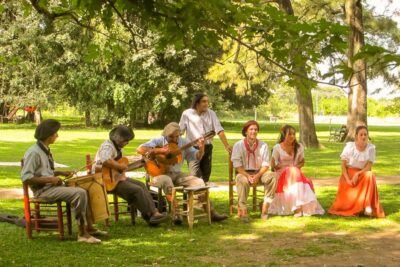
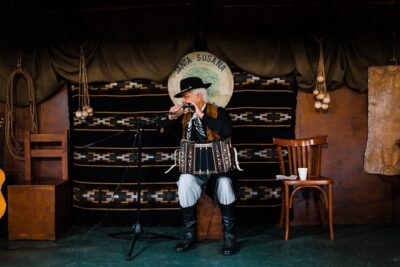
Gaucho Day Trip from Buenos Aires: Santa Susana Ranch
Read our review →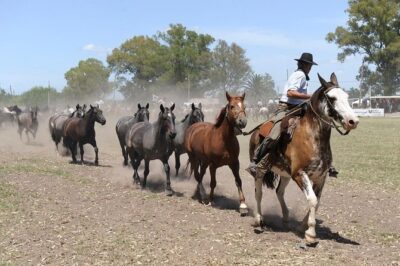
Gaucho Experience: A Day Trip to Don Silvano Ranch
Read our review →
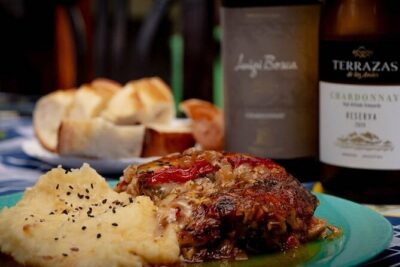
Full Day Tour of Cabo San Pablo and Estancia Pirinaica
Read our review →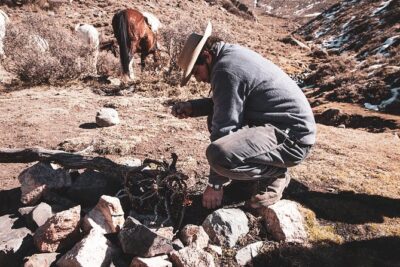
The Real Gaucho Day Trip from Mendoza – Don Daniel Ranch
Read our review →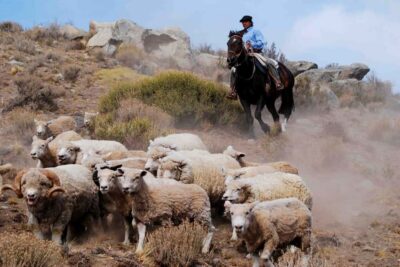
Estancia 25 de Mayo Tour with Dinner & Transfer
Read our review →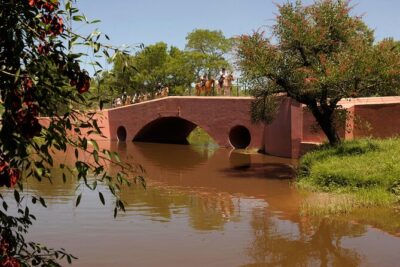
Tailor-made Day Tour to San Antonio de Areco & Estancia El Ombu
Read our review →Browse the lists this tour appears in