Reviewed · BUENOS AIRES TOURS
From Buenos Aires: Magical and Mysterious Campanopolis Tour
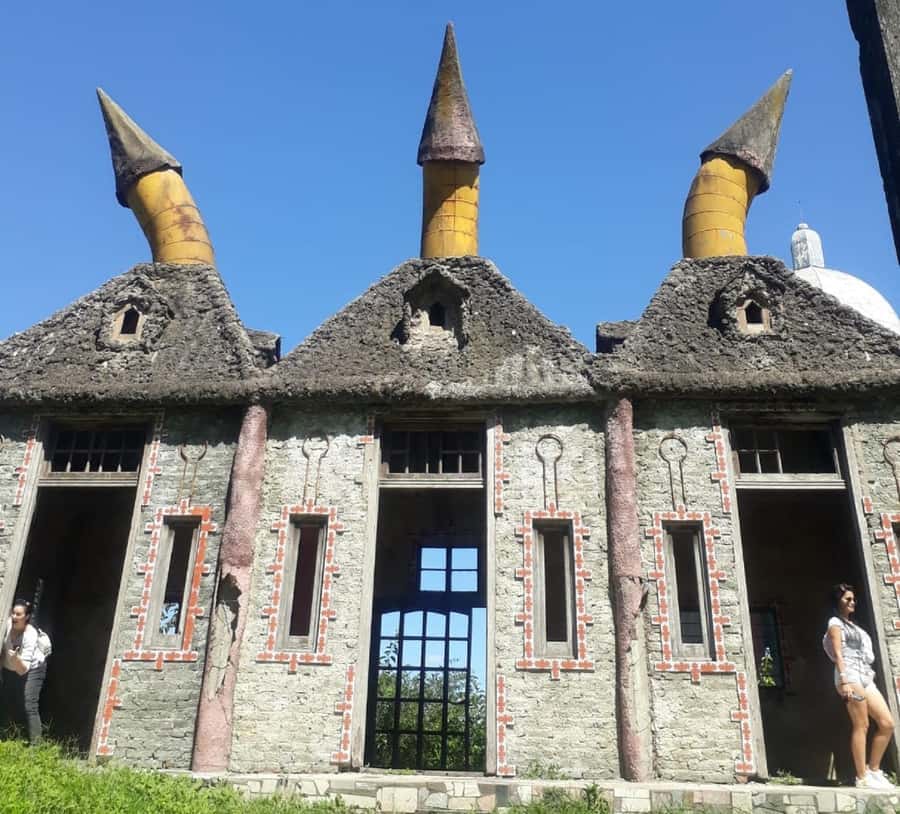
Campanópolis is not a restored medieval town. It is a fantasy village built from salvaged pieces, created by Don Antonio Campana without formal plans or architects. Castles, alleys, stone cottages, towers, and odd little details rise from the countryside near the Ezeiza forests.
I like two things right away: the place feels genuinely unusual, not like another standard Buenos Aires day trip, and the old materials give every building a story. The former Galerías Pacífico iron columns, gates from the Palermo Hippodrome, and clocks and lights from Plaza de Mayo make the setting feel part museum, part storybook.
The main thing to consider is language. The park’s guided visit is mainly in Spanish or Portuguese. English-speaking visitors receive a general explanation and key points, but not necessarily a full English tour. You also spend about two and a half hours on the road, so bring water and snacks.
In This Review
- Key points before you book
- What makes Campanópolis so unusual
- The 75-minute ride from Teatro Colón
- Entering the medieval-style citadel
- Don Antonio Campana’s personal vision
- The three museums and the twelve stone houses
- How the guided visit works in practice
- Is the $52 price good value?
- Walking, children, and the pace of the day
- The return to Cerrito 628
- Who should book Campanópolis?
- Should you book this unusual Buenos Aires day trip?
- FAQ
- Where does the Campanópolis tour meet?
- How long does the full experience last?
- How long is the guided visit at Campanópolis?
- What time does the tour depart?
- What languages are available?
- Is hotel pickup included?
- What does the price include?
- Are food and drinks included?
- Can I cancel the booking?
- Is Campanópolis suitable for children?
Key points before you book
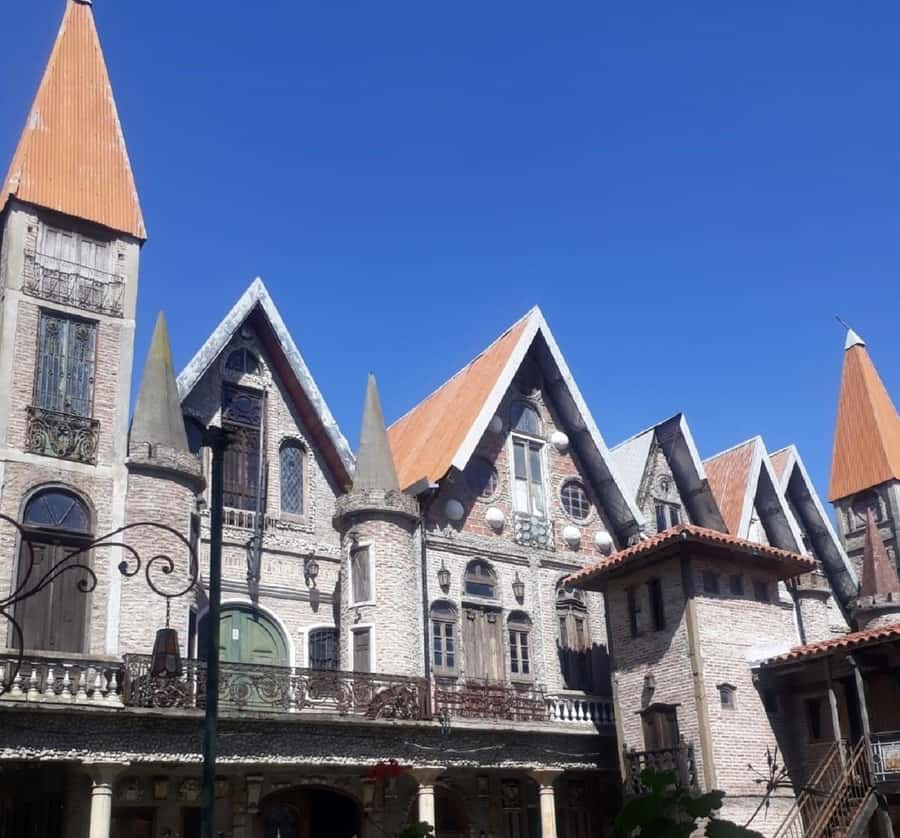
- A handmade medieval village near Buenos Aires: Campanópolis has about 40 buildings connected by alleys, passages, and unusual hidden corners.
- Recycled city treasures: Look for iron columns from Galerías Pacífico, old Palermo Hippodrome gates, and objects linked to Plaza de Mayo.
- Three hours inside the park: You have time for a guided visit, photos, sightseeing, and some free exploration.
- A full six-hour outing: The coach takes about 75 minutes each way from the Colón Theater meeting point.
- Spanish and Portuguese work best: English support is available, but it may be limited to a general overview and important sites.
- Pack your own food and water: Entry and transport are included, but meals and drinks are not, and food choices at the park are limited.
What makes Campanópolis so unusual
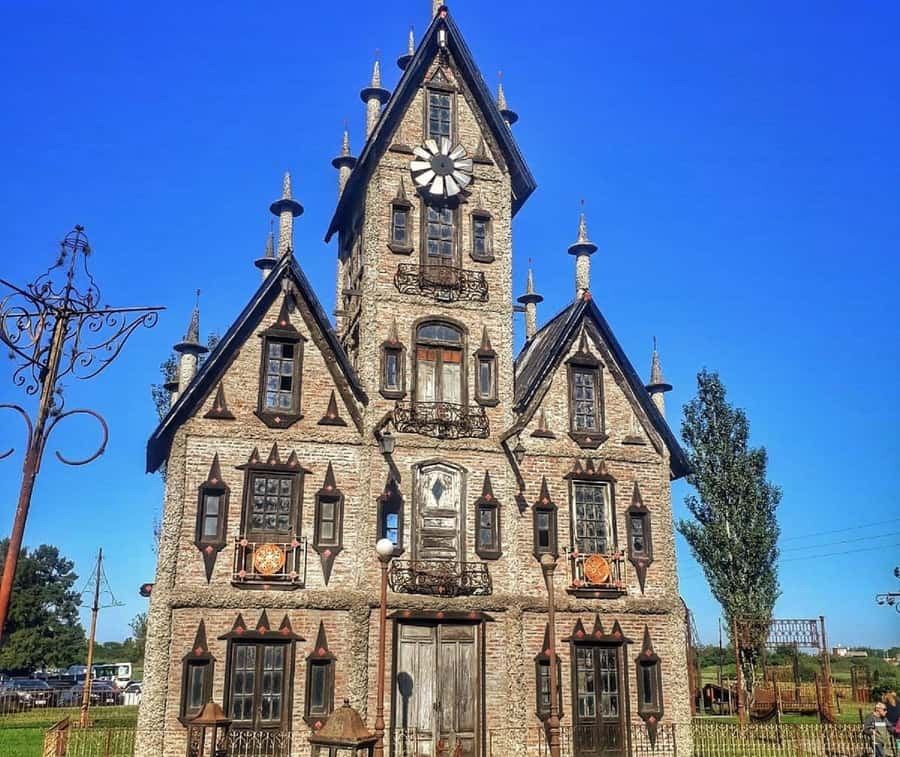
Most day trips from Buenos Aires take you to a place with a clear historical purpose: a colonial town, an estancia, or a famous riverfront. Campanópolis is different. It is an imagined village, built piece by piece from objects rescued from auctions and demolitions.
The result is deliberately strange. You are not walking through a single castle or a neat museum compound. You move among roughly 40 structures joined by narrow lanes, passages, and secret-looking corners. The buildings have the shapes of a medieval settlement, but the materials connect them to Argentina’s urban past.
That mix is the whole point. An old gate may come from a racetrack. An iron column may have once supported a famous shopping arcade. A clock or lamp may have served a public square in central Buenos Aires. The setting asks you to look closely because the best details are not always the largest ones.
I like this kind of place because it rewards curiosity more than background knowledge. You do not need to know every detail of Buenos Aires architecture to enjoy the village. Still, the guide’s explanations help you understand why a piece of iron, stone, or wood matters.
Other Buenos Aires days worth booking alongside this:
- Buenos Aires Hop-On Hop-Off Bus, Free Walking Tours & Discounts
★ 4.5 · 2,218 reviews - Buenos Aires: Piazzolla Tango Show with Optional Dinner
★ 4.4 · 2,122 reviews - Buenos Aires: City Highlights Guided Tour with Transfer
★ 4.7 · 1,946 reviews
The 75-minute ride from Teatro Colón
The tour begins on the sidewalk at Cerrito 628, beside the Colón Theater in central Buenos Aires. You do not get hotel pickup, so allow enough time to reach the meeting point and identify the coach or van arranged by Grupo Summa.
The ride to Campanópolis takes about 75 minutes. That is not a quick hop across town, but it makes the tour manageable for visitors who want transportation handled from start to finish. You avoid arranging a separate taxi or trying to piece together public transport to a rural site outside the city.
The road time is also useful for setting expectations. This is a half-day outing with a long transfer, not a quick two-hour attraction. One departure begins at 11:30 AM on Wednesdays, Thursdays, and Fridays. On Saturdays and Argentine public holidays, the meeting time is 8:00 AM.
The early schedule has one advantage: you return to Buenos Aires in the early afternoon, leaving part of the day open. It also means you should eat before leaving or pack something portable. Water, protein bars, and light snacks are sensible choices, since food at the park is limited and nothing to eat or drink is included.
The escort may explain some of the site’s background during the ride, but you should not book this expecting a long lecture on the bus. The main interpretation happens once you reach the village.
Entering the medieval-style citadel
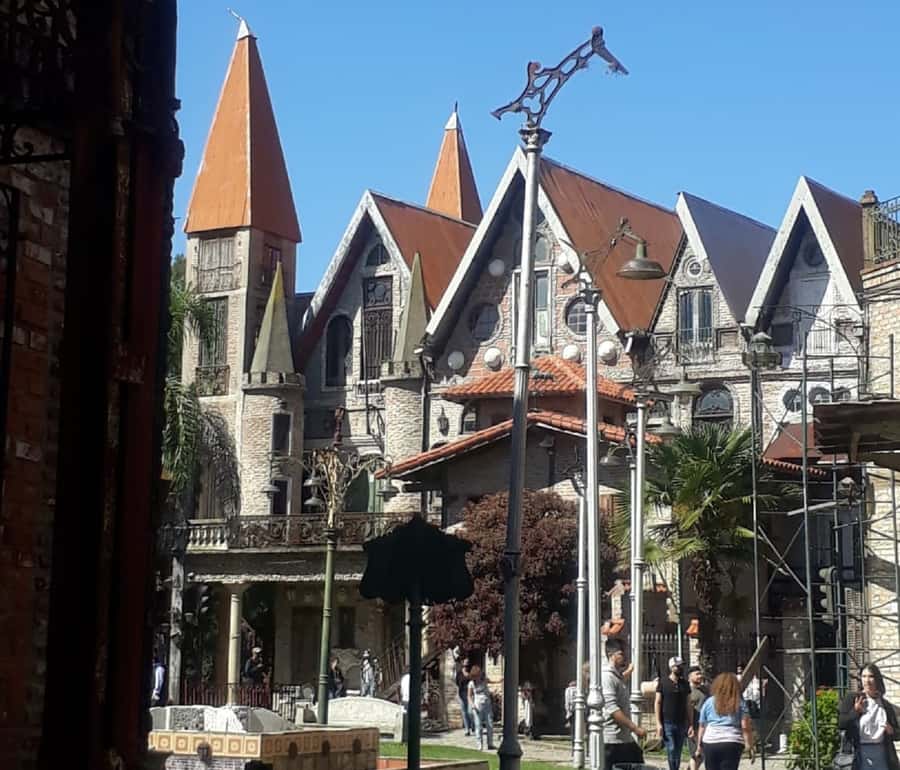
After arriving, you have about three hours at Campanópolis. That gives the visit enough breathing room. You can join the guided walk, stop for photographs, and spend time looking around instead of rushing from one building to the next.
The first impression is theatrical, but the materials keep it grounded. Towers and cottages may suggest a Snow White story, yet their construction comes from real, reused objects. That contrast gives the place its character. It is playful without being a polished theme park.
The paths connect the different sections of the village, and the layout encourages you to wander. You may pass from a stone house into a courtyard, then through a narrow lane toward another structure made from a different mix of brick, wood, stone, or metal.
I would keep your camera ready, but do not spend the whole visit looking through it. The best details are often small: a reused gate, a weathered surface, a decorative iron piece, or an object that the guide identifies as part of Buenos Aires civic life.
The setting also matters. Campanópolis sits in a natural area near the Ezeiza forests, away from the city center’s traffic and formal monuments. You get open surroundings and a quieter pace, though the site itself is packed with visual details.
Don Antonio Campana’s personal vision
The central story is Don Antonio Campana, the founder of Campanópolis. He created the village as a personal project and built it without plans or architects. That fact changes how you read the buildings.
You are not studying a conventional architectural style. You are seeing one person’s determination take physical shape over time. Campana’s approach was based on imagination, reuse, and preservation. Instead of treating old materials as waste, he turned them into walls, gates, columns, decorations, and structural features.
This is why the tour feels more personal than a standard monument visit. The village is not simply old, and it is not a replica of one exact European town. It is Campana’s version of a medieval citadel, assembled with fragments that carry their own past.
The guide’s role is important here. Without context, you may see an attractive collection of castles and cottages. With explanations, you can connect the fantasy buildings to Argentina’s public spaces, old demolitions, auctions, and urban landmarks.
The founder’s ingenuity is the main subject, but the project also raises a useful question: what deserves to be saved? Campanópolis gives old materials a second life, and the guide helps you spot the difference between decoration and genuine recovered pieces.
Same city, a completely different kind of day:
- Buenos Aires: Hop-On Hop-Off City Bus Tour
★ 4.2 · 1,855 reviews - Buenos Aires Hop-On Hop-Off Bus and Exclusive Benefits
★ 4.4 · 1,714 reviews - Buenos Aires: La Boca Guided Walking Tour in English
★ 4.8 · 1,587 reviews - Buenos Aires: La Recoleta Cemetery Guided Tour in English
★ 4.8 · 1,359 reviews
The three museums and the twelve stone houses
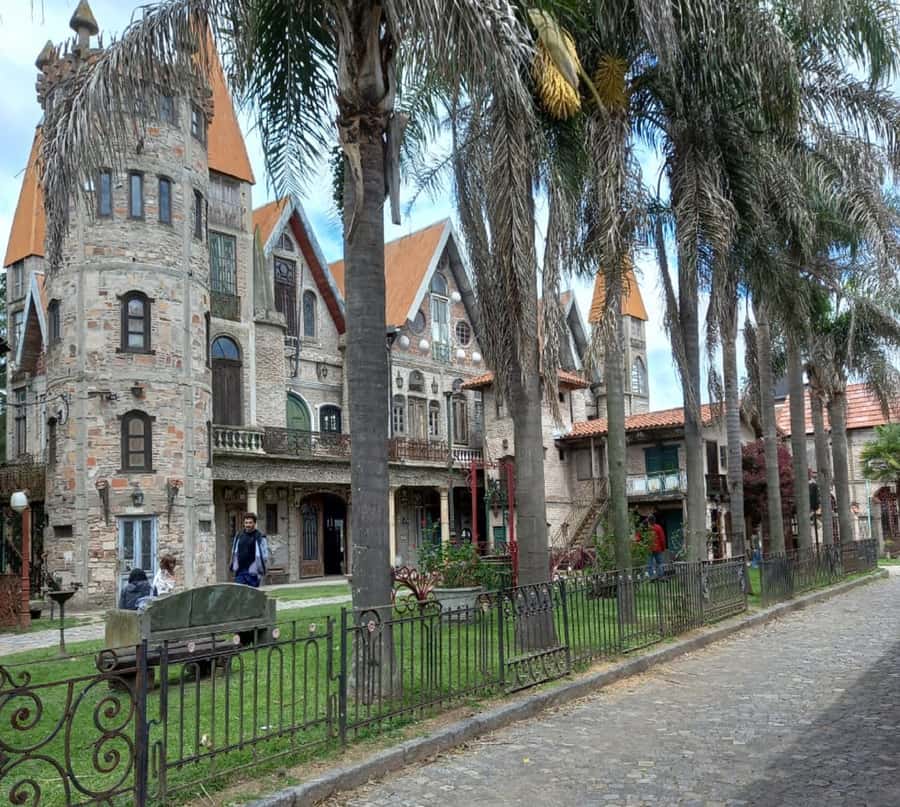
The visit includes the Museum of Wood, the Iron Museum, and the Caireles Museum. Each adds a different angle to the larger story.
The Museum of Wood fits naturally with a village made from reused materials. It gives you a chance to pay attention to the texture and practical use of wood rather than treating it as background decoration.
The Iron Museum is especially relevant because metalwork is one of the most visible parts of Campanópolis. Iron columns, gates, fittings, and other pieces help show how Campana transformed old urban materials into a new setting.
The Caireles Museum adds another specialized collection to the visit. The name refers to decorative architectural elements, and it belongs to the same larger idea: small objects can carry as much character as a full building.
You also visit 12 houses made with stone, slag, and brick. These homes are among the most storybook-like parts of the site. Their materials make them feel solid and old, even though Campanópolis itself is a modern creation.
I would pay attention to the difference between the houses. They are not all meant to look identical. Their varied materials and forms help you see how the village grew as a collection of ideas rather than as one fixed construction project.
How the guided visit works in practice
The guided portion inside the park is offered in Spanish and Portuguese. If you speak either language, you are in the best position to follow the full explanation of the village and its objects.
English-speaking visitors are not left without help. The guide provides a general history and points out the main features. Still, the English support may be brief compared with the Spanish or Portuguese presentation. One visitor who selected English found the on-site language arrangement disappointing, so I would take the published language note seriously before booking.
This matters because Campanópolis is visual, but its meaning is not always obvious. You can photograph a beautiful gate without knowing it came from the Palermo Hippodrome. You can admire a column without realizing it was once part of Galerías Pacífico.
If English is your only language, I would treat the tour as a visual visit with basic interpretation, not as a full English-language history tour. Use the free time to inspect details at your own pace, and stay near the guide when the key points are explained.
The transport escort and the park guide may be different people. The ride may include a short introduction, while the formal walk inside Campanópolis is led by the site’s own guides. The available information does not name the individual guides, so you should not expect to select a particular person when booking.
Is the $52 price good value?
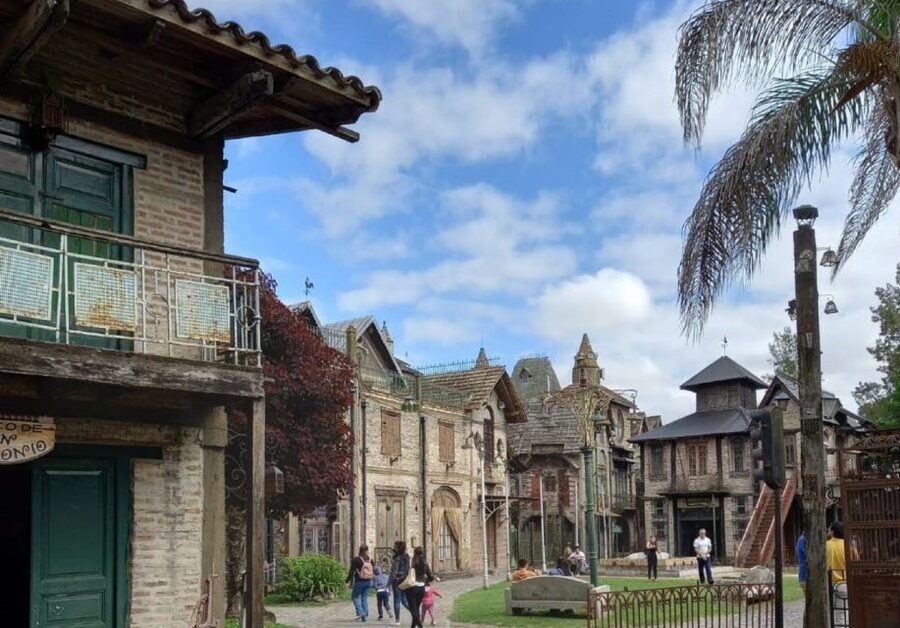
At $52 per person, the price includes entry to Campanópolis, round-trip transport from central Buenos Aires, and guiding. For many visitors, that is a fair package because the site is outside the city and the coach removes the need to arrange separate transport.
The value depends on what you want from a day trip. If you enjoy unusual architecture, photography, handmade places, and stories about reused objects, three hours on site gives you a worthwhile visit. If you prefer famous historical monuments or a highly polished museum, the invented nature of Campanópolis may feel less satisfying.
You are paying partly for convenience. The coach collects you at a central location, takes you to the park, waits while you visit, and returns you to the same place. That makes the tour simple to fit into a Buenos Aires itinerary.
The price does not cover food or drinks. Add the cost of your own snacks, and plan around the limited options at the park. Since the total outing lasts six hours, this small detail matters more than it might on a short city walk.
Free cancellation up to 24 hours before departure and the option to reserve now and pay later reduce the risk of fitting this unusual excursion into a changing schedule. Check the available departure time carefully, especially around public holidays and the specified dates when the park opens only in the morning.
Walking, children, and the pace of the day
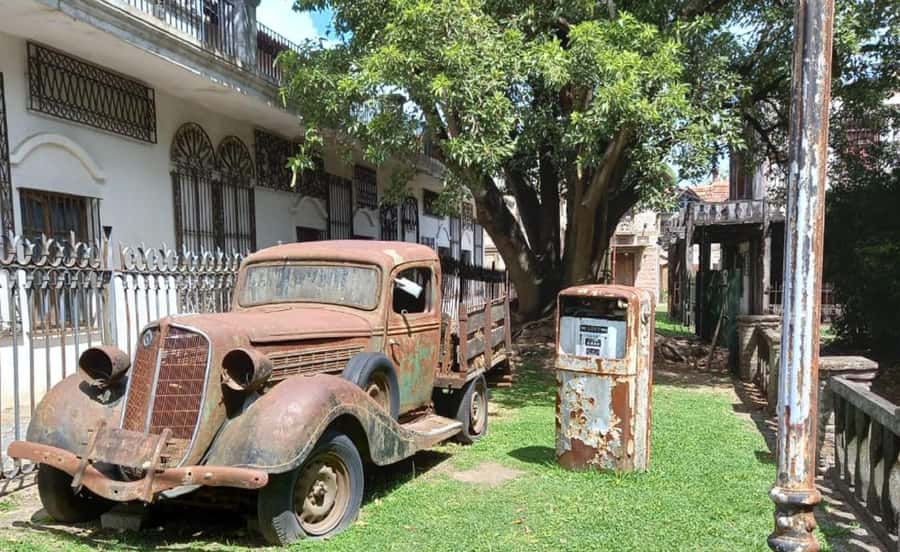
You spend a fair amount of time walking between buildings, museums, and houses. The route is not described as a difficult hike, but the site is spread across connected paths, and the combination of walking and standing can become tiring.
I would be cautious about bringing very young children. The tour requires listening to a guide and moving through the site for several hours. Children who need constant entertainment may make it harder for everyone to hear the explanations, and the early start on some dates can add to the strain.
Older children who enjoy castles, odd buildings, and photographs may have a better time, but the experience is not designed as a child-focused activity. The supplied information does not give a specific age recommendation or accessibility rating, so ask the provider directly if you have mobility concerns.
Wear practical shoes and carry water. That advice follows from the walking time and the park’s limited food options, not from any claim that the paths are strenuous.
The return to Cerrito 628
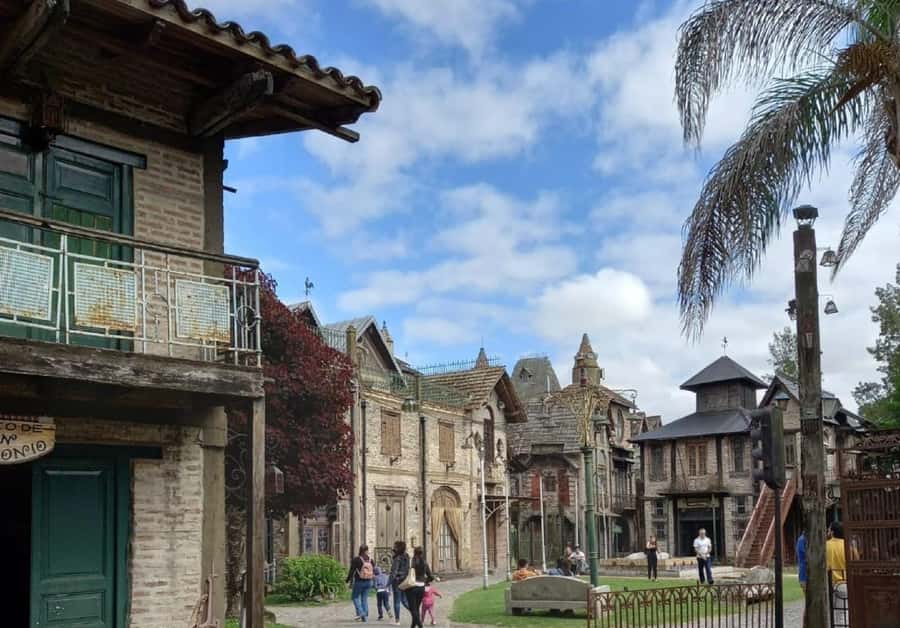
After the three-hour visit, you board the coach for the same roughly 75-minute trip back to central Buenos Aires. The drop-off is at the original meeting point, Cerrito 628 beside the Colón Theater.
The return schedule makes this tour easy to pair with an evening plan. On early departure days, you should be back in Buenos Aires in the early afternoon, though exact traffic can affect the journey.
I like the simple out-and-back structure. You do not have to think about a second pickup location or arrange a ride from the park. The tradeoff is that the tour does not offer a flexible return time. Once the group leaves Campanópolis, you return with the coach.
Who should book Campanópolis?
I would recommend this outing if you want something outside the usual Buenos Aires circuit. It suits you best if you enjoy:
- Unusual buildings with a personal backstory
- Recycled and antique architectural details
- Photography and storybook settings
- Half-day trips with transport included
- Spanish or Portuguese guided visits
- A place that feels handmade rather than formal
I would think twice if you need a complete English tour, dislike long coach rides, or want a major historical site with a clearly documented past. Campanópolis is imaginative and visually strong, but it is not an ancient medieval village.
The high rating of 4.6 from 150 bookings reflects strong satisfaction overall, and the most consistent praise centers on the setting, organization, polite transport staff, and the founder’s unusual project. The language limitation is the clearest weakness to weigh before you pay.
Should you book this unusual Buenos Aires day trip?
Book it if the idea of a modern medieval village made from old Argentine buildings and salvaged objects sounds more appealing than another standard city attraction. The former Galerías Pacífico columns, Palermo Hippodrome gates, Plaza de Mayo objects, museums, and 12 handmade houses give you plenty to look at during the three-hour visit.
I would choose a Spanish or Portuguese departure whenever possible. If you speak only English, book only after accepting that the on-site explanation may be a general overview rather than a full translation.
Bring water, snacks, comfortable shoes, and patience for the 75-minute ride each way. For $52, you get transport, admission, and a distinctive half-day experience that is hard to duplicate elsewhere near Buenos Aires.
FAQ
Where does the Campanópolis tour meet?
The meeting point is on the sidewalk at Cerrito 628, beside the Colón Theater in Buenos Aires.
How long does the full experience last?
The tour lasts about six hours, including roughly 75 minutes of transport each way and about three hours at Campanópolis.
How long is the guided visit at Campanópolis?
The visit at the park lasts about three hours and includes guided touring, sightseeing, photographs, and free time.
What time does the tour depart?
On Wednesdays, Thursdays, and Fridays, the meeting time is 11:30 AM. On Saturdays and Argentine public holidays, the meeting time is 8:00 AM.
What languages are available?
The activity is listed with Spanish, Portuguese, and English support. The guided visit inside the park is offered mainly in Spanish and Portuguese. English-speaking visitors receive a general overview and key points.
Is hotel pickup included?
No. The tour includes pickup and drop-off at the central meeting point, but hotel pickup and drop-off are not included.
What does the price include?
The $52 price includes entry to Campanópolis, round-trip transport from the meeting point, and a guide.
Are food and drinks included?
No. Food and drinks are not included. Bringing water and light snacks is recommended because food choices at the park are limited.
Can I cancel the booking?
You can cancel up to 24 hours in advance for a full refund. The activity also offers a reserve-now, pay-later option.
Is Campanópolis suitable for children?
The available information does not give a formal age rule. Because the visit includes walking and listening to a guide for several hours, it may not suit young children who have trouble staying with a group.
Just added around Buenos Aires
- Tango Show at El Querandi with optional Dinner★ 4.2 · 3 reviews
- Wine Tasting in Buenos Aires★ 4.2 · 4 reviews
- Walking Tour: Buenos Aires bookstores★ 4.3 · 12 reviews
- Velez Sarsfield Football Match★ 5.0 · 3 reviews
- Unique Tigre and Delta Private Day Cruise Navegation★ 5.0 · 3 reviews
- Tour Buenos Aires in one day on Electric Scooters★ 5.0 · 33 reviews
- Private Underground Tango Immersion★ 5.0 · 31 reviews
- Experience The Essence of Buenos Aires in San Telmo★ 5.0 · 51 reviews
Buenos Aires Tours, compared.