
Reviewed · FOOD & DRINK
Secret Food Tour: Buenos Aires
Buenos Aires tells its story through food, and this three-hour walk uses Palermo’s cafés, grills, plazas, and streets as the setting. You will taste Argentine staples, hear about Italian and indigenous influences, pause for Eva Perón and dictatorship-era history, and finish with an alfajor made largely from Argentine ingredients.
I like the small group limit of 10, which should make it easier to ask questions and keep the walking pace manageable. I also like the clear focus on classic foods: fire-grilled steak, empanadas, choripán, cheesecake, alfajores, and yerba mate. The main consideration is the $95 price, which is worthwhile only if you want several tastings plus a guided neighborhood walk, not just a single meal.
In This Review
- Key points at a glance
- Starting in Palermo with a secret first taste
- How Italian heritage changed Argentine food
- Parrilla, chimichurri, and the main meal
- Plaza Inmigrantes de Armenia and Old Palermo
- A toast to Eva Perón
- Palermo Soho and the award-winning choripán
- A monument to dictatorship-era resistance
- Alfajores and the final sweet course
- Yerba mate, cider, and the pace of the walk
- Is $95 a fair price?
- Group size, guide quality, and practical planning
- Who should book this Palermo food tour?
- Should you book Secret Food Tour: Buenos Aires?
- FAQ
- Where does the Secret Food Tour: Buenos Aires begin?
- Where does the tour end?
- How long does the tour last?
- What neighborhoods does the tour visit?
- What food is included?
- What drinks are included?
- Is the tour conducted in English?
- How many people are in the group?
- Is hotel pickup included?
- Can I cancel for a full refund?
Key points at a glance
- Palermo in three districts: Walk through Palermo, Old Palermo, and Palermo Soho rather than staying in one restaurant.
- A serious Argentine food lineup: Expect steak with chimichurri, special empanadas, choripán, cheesecake, alfajores, and a secret dish.
- History between bites: Stops cover indigenous heritage, Italian immigration, Eva Perón, and Argentina’s dictatorship years.
- A small English-speaking group: The tour is limited to 10 participants and led by a local foodie guide.
- Drinks are part of the tasting: Water, Basque cider, and yerba mate are included.
- One practical caution: The menu and route can change with weather, restaurant availability, and other conditions.
Starting in Palermo with a secret first taste
Meet your guide outside the main entrance of 1810 Cocina Regional Palermo at Julián Álvarez 1998, in Buenos Aires. Look for an orange umbrella and a big smile. The tour returns to this same meeting point, so you will not need to arrange a second pickup location at the end.
The opening tasting is the Secret Dish. Its exact identity is not provided in advance, which gives the first stop a small element of surprise. The dish is presented as a link to Argentina’s indigenous heritage and continuing cultural traditions.
That is a useful way to begin. Argentine food is often reduced to steak and wine, but the country’s cooking also reflects older local traditions and later migration. Starting with an undisclosed dish encourages you to think beyond the familiar barbecue plate.
The tradeoff is simple: if you need to know every ingredient before booking, contact the operator first. The tour asks people with dietary needs to check in before reserving, and the menu can change.
A few more Buenos Aires trips to weigh up
- Buenos Aires: 9-Course Argentine Meat Tasting at Fogón Asado
★ 4.9 · 826 reviews - Buenos Aires: Local Foodie Adventure with Sherpa Food Tours
★ 4.9 · 670 reviews - Buenos Aires: Wine Tasting and Lunch at Bodega Gamboa
★ 4.8 · 177 reviews
How Italian heritage changed Argentine food
One of the tour’s central ideas is that Buenos Aires food is not isolated from Europe. The guide discusses the strong Italian influence on Argentine gastronomy, including the stated figure that 62.2 percent of the country’s population traces ancestry to Italy.
You will not just hear a migration statistic and move on. The point is to connect family origins with what appears on the table. Argentine food developed through local ingredients, indigenous traditions, and waves of immigration. Italian influence is especially important to understanding why Porteño cooking feels familiar in some ways to visitors from Italy, yet remains distinctly Argentine.
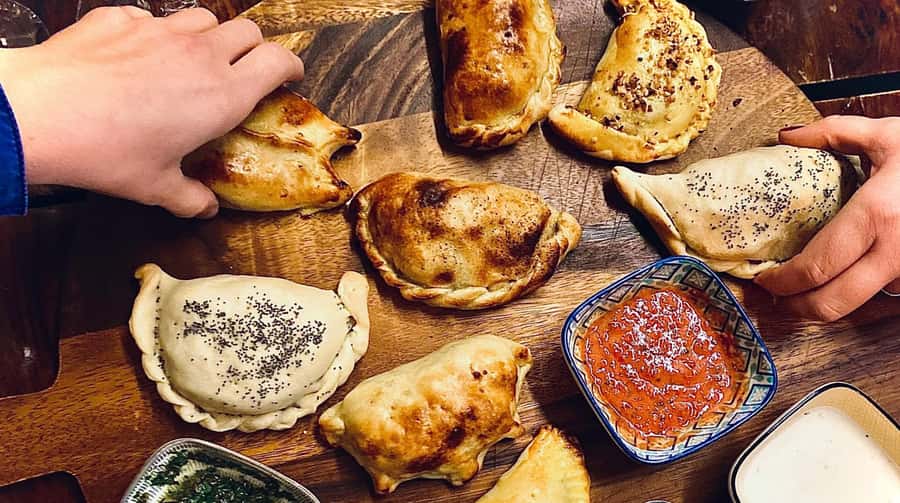
The included special empanadas fit this part of the walk well. They are a portable classic, useful for comparing Argentine pastry and fillings with versions found elsewhere in South America. The exact filling is not specified, so do not book expecting one particular variety.
The tour also includes Argentine cheesecake. That may appeal to anyone who likes tasting the less obvious side of a national food culture. It is not the famous headline dish, and that is precisely why it gives the meal a little range.
Parrilla, chimichurri, and the main meal
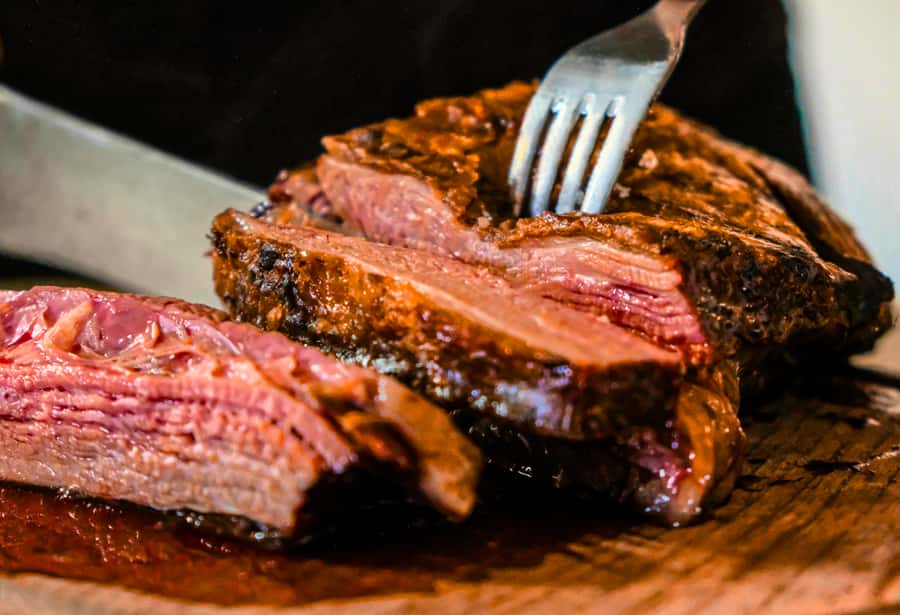
The biggest food stop is the Argentine barbecue, or parrilla. You will receive fire-grilled steak with chimichurri, a combination that sits at the center of Argentine dining.
This is the part many people will be waiting for, and the feedback attached to the experience gives the steak the strongest individual praise. That matters because a food walk can sometimes offer many tiny samples but fail to provide one satisfying main bite. Here, the steak gives the itinerary a substantial center.
A good guide can also explain why parrilla matters beyond its flavor. It is a social food, tied to shared meals and the country’s public image. The tour promises context about Argentine culture as well as food, so the grill stop is likely to carry both culinary and cultural weight.
Still, this is not a full restaurant dinner. The price includes several tastings, but portion sizes are not specified. If you arrive very hungry, you should keep your expectations sensible. The tour is designed as a progressive tasting walk rather than a long sit-down meal.
Chimichurri adds another useful detail. It gives you a chance to taste the herbs, acidity, and seasoning that accompany the meat instead of judging the steak alone. If you already have a favorite parrilla planned for Buenos Aires, this stop can serve as an introduction rather than a replacement.
Plaza Inmigrantes de Armenia and Old Palermo
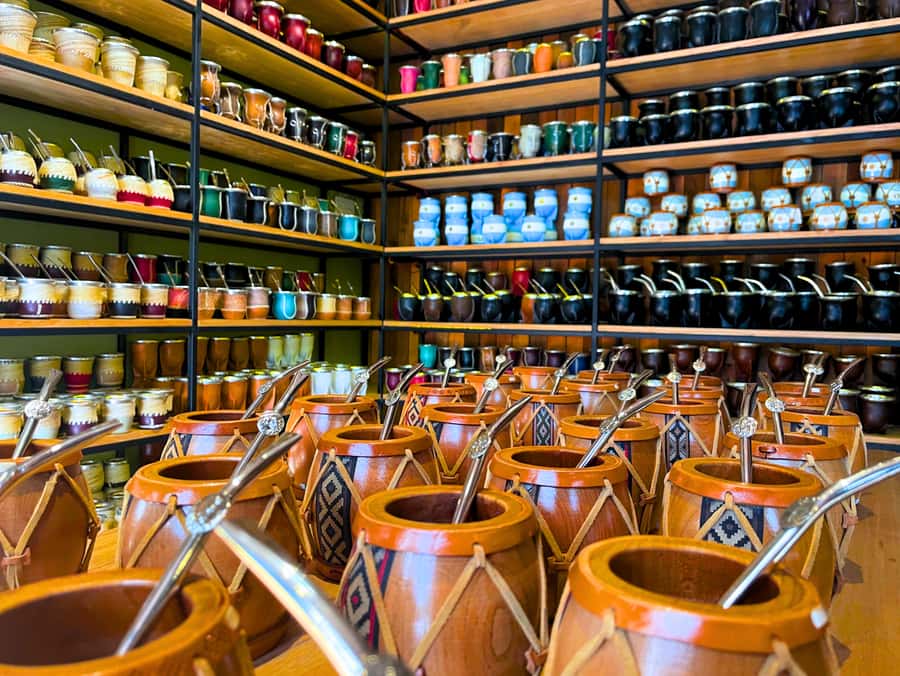
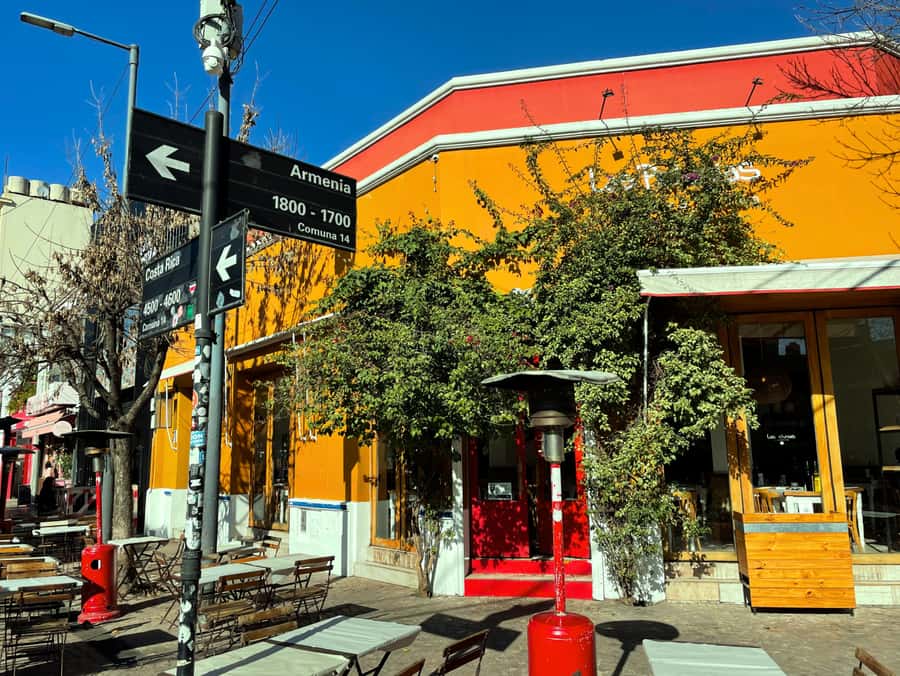
The route continues through Old Palermo and reaches Plaza Inmigrantes de Armenia, one of the area’s key food and social gathering spots. Here, the guide explains international influences on Buenos Aires.
The plaza is important to the tour because it connects food with the city outside the restaurants. You will see how migration, neighborhood identity, and dining culture meet in one part of Palermo. The itinerary does not list a separate tasting at every street or plaza, so think of this section as a walking and interpretation stop rather than a guaranteed dish.
Palermo is Buenos Aires’ largest neighborhood, and its districts have different personalities. The tour’s route through Palermo, Old Palermo, and Palermo Soho gives you a broader look at the area than a single restaurant reservation would.
You should wear comfortable shoes. Three hours on foot, with food stops and short historical pauses, is not a hard hike, but the experience depends on moving between venues. The route may shift with weather and location availability, so the exact order is not fixed.
Same city, a completely different kind of day:
- Buenos Aires Hop-On Hop-Off Bus, Free Walking Tours & Discounts
★ 4.5 · 2,218 reviews - Buenos Aires: Piazzolla Tango Show with Optional Dinner
★ 4.4 · 2,122 reviews - Buenos Aires: City Highlights Guided Tour with Transfer
★ 4.7 · 1,946 reviews - Buenos Aires: Hop-On Hop-Off City Bus Tour
★ 4.2 · 1,855 reviews
A toast to Eva Perón
At some point on the walk, you will make a quick stop to raise a toast to Eva Perón. The drink listed for this moment is Basque cider, another reminder that Buenos Aires food culture includes influences from outside Argentina.
The Eva Perón stop adds a political and social layer to what could otherwise be a straightforward tasting tour. She remains one of the most recognizable figures in Argentine public life, and a brief toast gives the guide a natural way to connect food, national identity, and modern history.
Because this is a short stop, you should not expect a full museum-style presentation. The value depends on the guide’s storytelling and on your interest in the subject. If you want a detailed study of Perón, this food tour is not the right substitute for a dedicated history tour.
Palermo Soho and the award-winning choripán
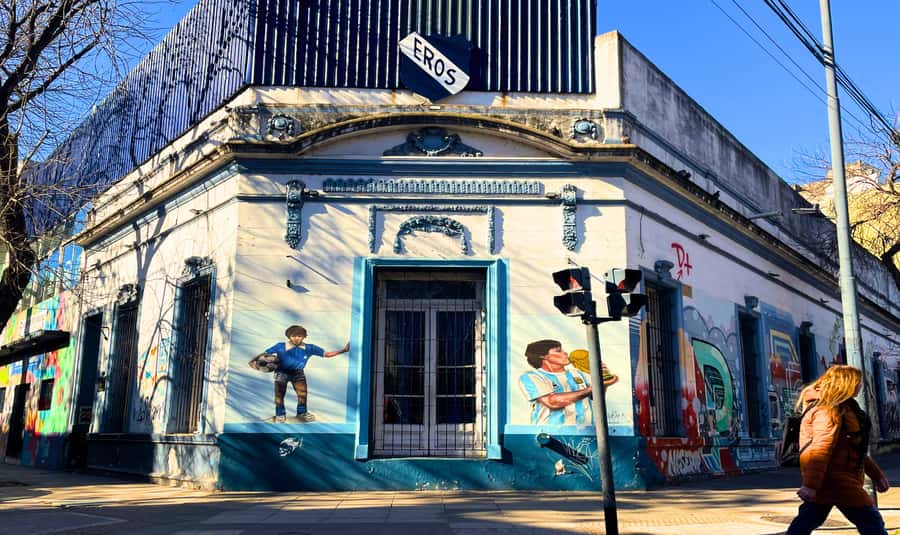
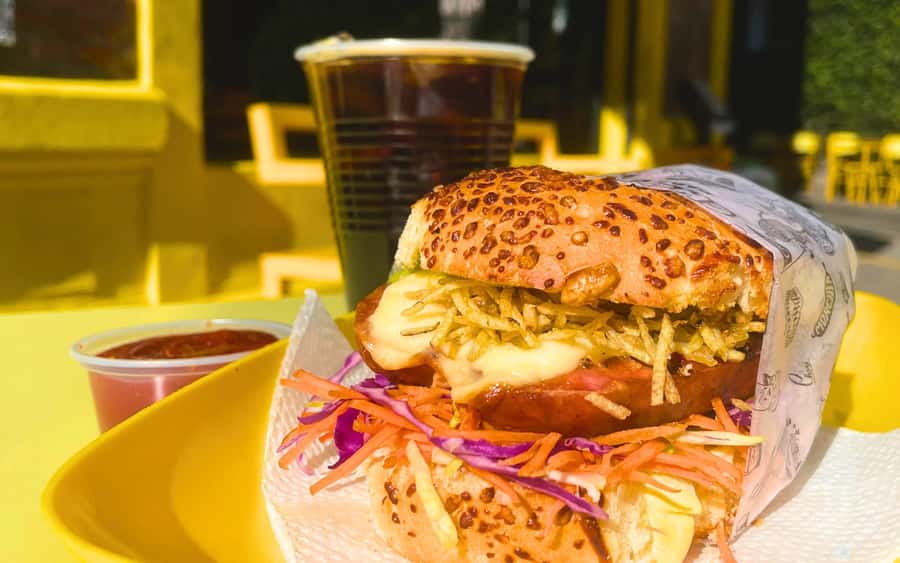
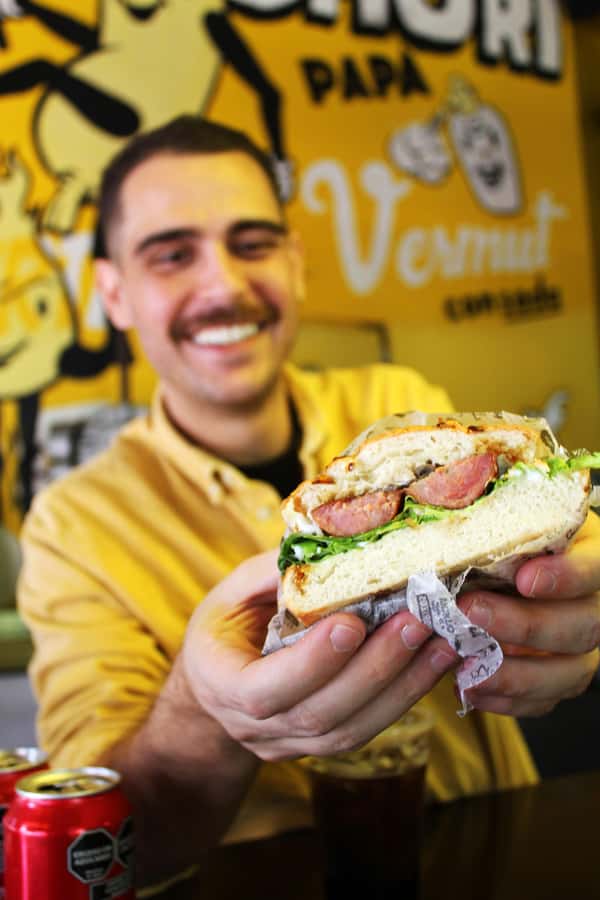
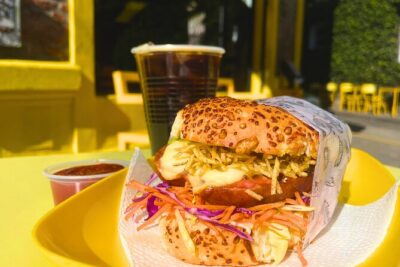
The route then reaches one of Palermo Soho’s popular food streets for choripán. This is grilled chorizo served in bread, and the tour includes a version described as having won worldwide awards.
Choripán is one of the most approachable foods on the menu. It is informal, filling, and closely tied to Argentine street eating and outdoor grilling. After the steak, it gives you a different expression of the grill: less formal, more handheld, and easier to connect with everyday eating.
This stop should also help you compare two key Argentine foods. Parrilla presents grilled beef as a central meal, while choripán shows how sausage, bread, and sauce turn the same broad cooking tradition into a quick snack.
The venue is described as much-talked-about, but no name is supplied. The tour can change venues when locations are unavailable, so you should treat the award reference as part of the planned experience, not a guarantee that every stop will remain identical.
A monument to dictatorship-era resistance
Food is only half of this walk. After the Eva Perón stop, the guide takes you to a monument honoring people who fought against Argentina’s dictatorship. The discussion includes Jorge Rafael Videla, who led the military dictatorship during one of the country’s darkest periods.
This is a valuable inclusion because it prevents the tour from presenting Buenos Aires as only a place of cafés, steak, and nightlife. You will encounter a difficult part of Argentina’s recent past while walking through a neighborhood known for restaurants and design shops.
The stop is not described as a long memorial visit, and the tour’s three-hour length limits how much detail the guide can cover. Still, even a short explanation can give you useful context for later visits to museums and memorial sites.
I like this balance. A food tour should remain enjoyable, but it can also help you read the city more clearly. The transition from a drink for Eva Perón to a monument about dictatorship shows that Argentine identity is not one simple story.
Alfajores and the final sweet course
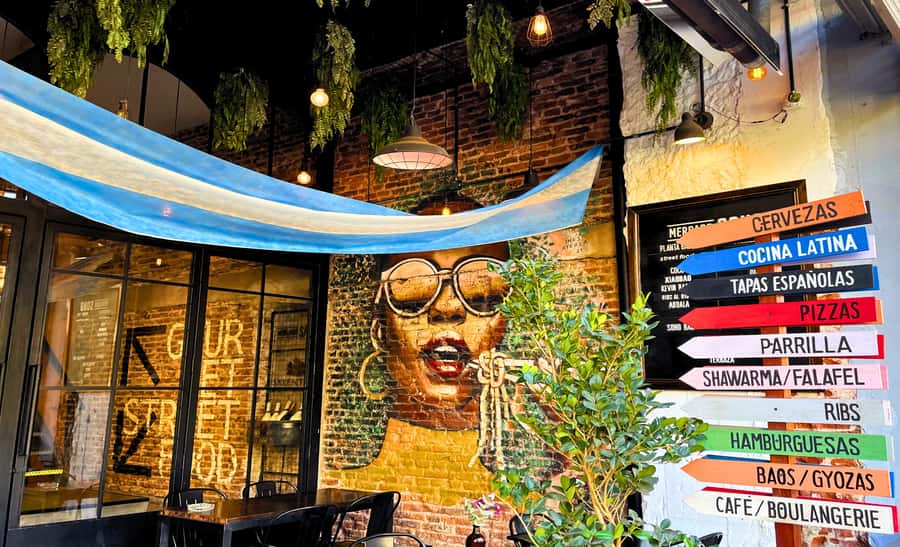
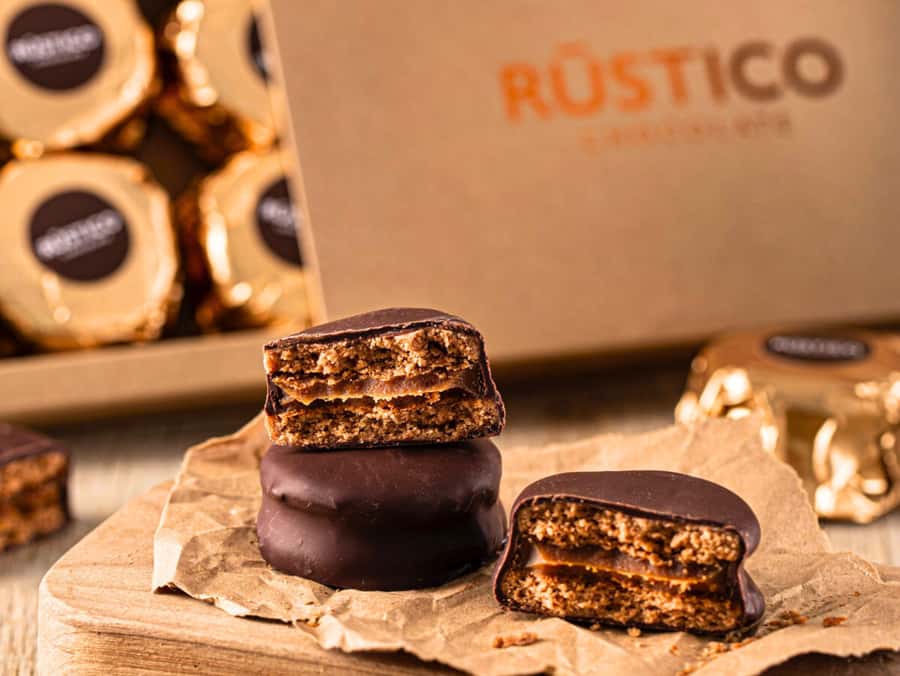
The final listed food is a hand-made alfajor. This is Argentina’s best-known sweet in the tour lineup, and the version included is described as using 99 percent ingredients sourced from across Argentina and crafted by local chocolatiers.
An alfajor typically brings together cookies and a sweet filling, often with chocolate or another coating. The exact recipe here is not given, so you should expect a house-made local interpretation rather than a particular branded product.
Ending with an alfajor works for practical reasons. It is easy to carry, distinctly Argentine, and gives the walk a clear final taste. You will have moved from the secret opening dish through savory foods and drinks to a dessert tied to local production.
This final stop also reinforces one of the tour’s better themes: Argentine food is shaped by both place and outside influence. The ingredients come from across the country, while the confection itself reflects the skill of local chocolatiers.
Yerba mate, cider, and the pace of the walk
Along with food, the tour includes water, Basque cider, and yerba mate. These drinks help broaden the experience beyond the usual steak and red wine image.
Yerba mate is especially useful for understanding daily Argentine habits. It is more than a flavor sample, and the tour’s inclusion suggests the guide will explain its place in local culture. The provided details do not specify how it is served or whether you will share a traditional gourd, so do not assume a particular presentation.
Basque cider brings another international thread into the route. It fits the tour’s focus on immigration and outside influences, while water is a welcome practical inclusion during a three-hour walk.
The schedule can occasionally run 15 to 30 minutes longer. I would avoid booking a tight dinner reservation immediately afterward. The advertised duration is three hours, but food service, walking, and group timing can stretch the finish.
Is $95 a fair price?
At $95 per person, this is not a bargain food crawl. The value comes from combining several tastings with a local guide, neighborhood orientation, and cultural discussion.
You receive a broad menu: Argentine cheesecake, empanadas, fire-grilled steak with chimichurri, choripán, hand-made alfajores, the secret dish, water, Basque cider, and yerba mate. If you bought each item separately, you would still be paying for the guide’s time and the route through three Palermo districts.
I would consider the price fair for a first visit if you want a structured introduction to Buenos Aires food and prefer a small group. It is less appealing if your main goal is a large meal, a wine-focused tasting, or a restaurant-by-restaurant comparison.
The strongest value is the combination of food and orientation. You get recommendations for what to do afterward, and the guide can help you understand where Palermo Soho and Old Palermo fit into your Buenos Aires plans. One person specifically praised the guide’s recommendations for later city activities, which is useful when this tour takes place early in your stay.
Group size, guide quality, and practical planning
The group is limited to 10 participants, and the tour is conducted in English. A small group should make it easier to hear the guide at street stops and ask about ingredients, history, or other places to eat.
The experience is led by a local foodie guide. Iago is the guide name associated with the booking information, but you should confirm who will lead your date rather than assume he will be assigned. The available feedback gives Iago credit for explaining the area and offering useful city suggestions.
The guide matters a great deal here. The food is already a strong draw, but the experience depends on how well the stops are linked. A good guide can turn a statistic about Italian ancestry, a monument, and a plate of steak into one understandable story about Buenos Aires.
There is no hotel pickup or drop-off. Plan to reach Julián Álvarez 1998 on your own and return there after the tour. Check the start time when booking, since several start times may be available depending on the date.
Free cancellation is available up to 24 hours before the tour for a full refund, and you can reserve now and pay later. Those terms help if your Buenos Aires schedule is still changing.
Who should book this Palermo food tour?
I would recommend it to you if this is your first time in Buenos Aires and you want a quick introduction to Argentine food, Palermo, and key parts of the country’s modern story.
It also suits people who prefer guided tasting over choosing restaurants without local help. The range is broad enough to give you several reference points for later meals: steak, empanadas, choripán, mate, cider, and alfajores.
Families and mixed-age groups may appreciate the short format, though the supplied information does not specify a minimum age or child pricing. Anyone with allergies, medical dietary limits, or strong food restrictions should contact the operator before booking. The ability to accommodate those needs is not confirmed.
I would skip it if you want a quiet, lengthy meal or if you dislike surprise dishes. The menu and route can change, and the tour may run longer than three hours. You should also think twice if $95 feels high for a tasting experience rather than a full dinner.
Should you book Secret Food Tour: Buenos Aires?
Book this tour if you want a compact first taste of Palermo with context, especially if steak, choripán, and alfajores are high on your list. The small group, English-speaking guide, and mix of food, neighborhood walking, and modern history give it more range than a simple restaurant crawl.
I would reserve early in your Buenos Aires visit so you can use the guide’s food and city suggestions afterward. Just arrive ready to walk, keep your schedule flexible by half an hour, and contact the operator ahead of time about dietary needs.
FAQ
Where does the Secret Food Tour: Buenos Aires begin?
It begins in front of the main entrance of 1810 Cocina Regional Palermo at Julián Álvarez 1998, C1425DHB, Ciudad Autónoma de Buenos Aires.
Where does the tour end?
The tour ends back at the original meeting point.
How long does the tour last?
The advertised duration is three hours. Occasionally, it can run 15 to 30 minutes longer.
What neighborhoods does the tour visit?
The route takes you through Palermo, Old Palermo, and Palermo Soho.
What food is included?
Included tastings are Argentine cheesecake, special empanadas, fire-grilled steak with chimichurri, choripán, hand-made alfajores, and a secret dish.
What drinks are included?
Water, Basque cider, and yerba mate are included.
Is the tour conducted in English?
Yes. The live tour guide language is English.
How many people are in the group?
The group is limited to 10 participants.
Is hotel pickup included?
No. Hotel pickup and drop-off are not included, so you need to reach the meeting point yourself.
Can I cancel for a full refund?
Yes. You can cancel up to 24 hours in advance for a full refund. You can also reserve now and pay later.
Just added around Buenos Aires
- Wine Tasting in Buenos Aires★ 4.2 · 4 reviews
- Tango Show at El Querandi with optional Dinner★ 4.2 · 3 reviews
- Walking Tour: Buenos Aires bookstores★ 4.3 · 12 reviews
- Velez Sarsfield Football Match★ 5.0 · 3 reviews
- Unique Tigre and Delta Private Day Cruise Navegation★ 5.0 · 3 reviews
- Tour Buenos Aires in one day on Electric Scooters★ 5.0 · 33 reviews
- Private Underground Tango Immersion★ 5.0 · 31 reviews
- Experience The Essence of Buenos Aires in San Telmo★ 5.0 · 51 reviews
Food & Drink, compared.
Buenos Aires Food Tour: Local Dishes, Steak, Empanada & More
Read our review →
Full-day Cafayate, Lerma Valley, and Wine Tasting from Salta
Read our review →Browse the lists this tour appears in