
Reviewed · FOOD & DRINK
Small Group Tasting to Become a Mate Expert in Buenos Aires
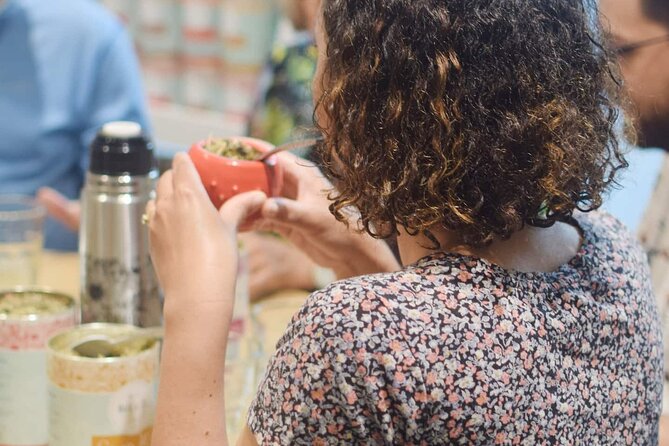
Yerba mate is more than a drink in Argentina. It is a shared ritual, a social code, and a daily habit. This 90-minute workshop puts you close to that tradition, showing you how to prepare mate, how to use the cup and straw, and how to understand the many blends sold across the country.
I like two things here: the hands-on tasting lets you compare several types of yerba, including flavored blends, and the class explains the social meaning behind the ritual instead of treating mate as a simple tea. I also like the relaxed teaching style of Tomi, who is described as patient, funny, and happy to answer questions. The one consideration is that 90 minutes goes quickly, so anyone seeking a long historical lecture may find the cultural background fairly brisk.
In This Review
- Key Points at a Glance
- Why a Mate Workshop Belongs on Your Buenos Aires List
- Starting at Matienzo 1559 in Buenos Aires
- The Story Behind Yerba Mate
- Learning the Cup, Straw, and Curing Process
- Preparing the Perfect Mate
- Tasting Classic and Flavored Blends
- The Social Meaning of Sharing Mate
- A Diploma and Shop Discounts at the End
- Is $29 a Fair Price?
- Who Should Book This Experience?
- Should You Book the Mate Expert Workshop?
- FAQ
- Where does the mate workshop begin?
- Where does the activity end?
- How long does the workshop last?
- How much does the experience cost?
- How many people can join the class?
- What will I learn about yerba mate?
- Will I taste different types of mate?
- Are Argentine sweets included?
- Do I receive anything at the end?
- Can I cancel for a full refund?
Key Points at a Glance
- Try several mate blends: Taste the classic drink alongside flavored options, including a chai blend.
- Learn the brewing method: Practice how to fill the cup, position the straw, and prepare mate in the traditional way.
- Understand the Argentine ritual: The session explains why mate is shared and what it means in everyday Argentine life.
- Small group setting: A maximum of 14 people makes it easier to ask questions and take part.
- Pair mate with local sweets: The tasting includes typical Argentine treats that balance the drink’s earthy flavor.
- Take home a diploma: You receive a certificate marking your completion of the workshop.
Why a Mate Workshop Belongs on Your Buenos Aires List
Buenos Aires offers grand plazas, art museums, tango shows, and steak dinners. Mate gives you something different: a way to understand ordinary Argentine life through one object passed from person to person.
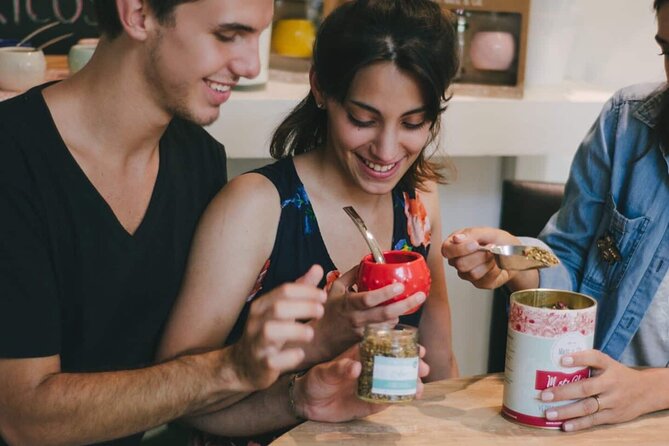
You may see people carrying a thermos and mate cup through parks, offices, universities, and train stations. Yet seeing the ritual is not the same as understanding it. This class explains the meaning of the cup, the bombilla, the yerba, and the person who prepares and serves it.
That last role matters. The person preparing the mate is the cebador. This person controls the water, manages the yerba, and passes the cup around. During the workshop, Tomi takes on that role while showing you how to prepare mate yourself.
I think this makes the experience useful even if you have already tried mate. First-time drinkers learn the basic technique without guessing. People who have been making mate at home can refine their method and pick up details about the ritual they may have missed.
The setting is designed for conversation rather than a large demonstration. With no more than 14 participants, you have a fair chance to ask about brewing, ingredients, taste, and customs. The mixed groups described in the available feedback included couples, families, solo visitors, friends, locals, and people from several countries. That mix fits the subject well, since mate is traditionally a drink shared among people.
A few more Buenos Aires trips to weigh up
- Buenos Aires: 9-Course Argentine Meat Tasting at Fogón Asado
★ 4.9 · 826 reviews - Buenos Aires: Local Foodie Adventure with Sherpa Food Tours
★ 4.9 · 670 reviews - Buenos Aires: Wine Tasting and Lunch at Bodega Gamboa
★ 4.8 · 177 reviews
Starting at Matienzo 1559 in Buenos Aires
The class begins at Tte. Benjamín Matienzo 1559, C1426DAA, in the city of Buenos Aires. It returns to the same meeting point, so you do not need to arrange a separate pickup or find your way to a new ending location.
The meeting point is near public transportation, which helps if you are fitting the workshop between other plans. Still, allow enough time to arrive calmly. A hands-on class works better when you are not rushing in late, especially since the introduction sets up the rest of the tasting.
The activity lasts about one hour and 30 minutes. That is a manageable block in a Buenos Aires itinerary. You can place it before dinner, after a morning of sightseeing, or on a day when you want a cultural activity that does not require several hours on your feet.
The group limit of 14 is worth noting. This is not a private class, but it is small enough to feel personal. If the group is full, the amount of individual attention may vary, especially during the tasting. The format still gives you more room for questions than a large tour would.
The Story Behind Yerba Mate
The first part covers what yerba mate means, where it comes from, how it is produced, and what properties are associated with it. You also learn about levels of consumption in Argentina and in other parts of the world.
This context is important because mate can seem puzzling at first. The flavor may be bitter, the cup looks unfamiliar, and the straw is used in a way that is not obvious to a newcomer. Once you know how the drink is made and why people share it, the ritual becomes easier to follow.
The class also explains the different forms of consumption. That helps you place the tasting in a wider setting. Mate is not presented as a single fixed flavor or a drink used in only one way. The market includes different types of yerba, and the workshop introduces you to those distinctions.
You should expect a practical overview rather than a university lecture. One piece of feedback suggested that a little more history would have been welcome, while most of the available comments praised the amount of information packed into the short session. My advice is to think of this as a clear introduction with cultural background, not a full academic course on South American agriculture.
Learning the Cup, Straw, and Curing Process
The workshop then turns to the equipment. You learn about the mate cup, the bombilla, and the curing process used with certain vessels. You also look at different yerbas on the market and learn what makes the options differ.
For a beginner, this part may be the most useful section. Buying mate equipment without guidance can leave you unsure about what to choose or how to care for it. The class gives you a vocabulary for the objects and a starting point for making your own decisions.
The curing process deserves attention because it is easy to overlook when you are focused on the drink itself. The workshop includes it as part of the equipment lesson, helping you understand that a mate cup is not simply a container to fill and wash like an ordinary mug.
You also get to see that there is no single flavor profile. Some blends are traditional, while others add flavorings. If your first taste of mate seems too strong, comparing several blends is a better approach than deciding immediately that you dislike the drink.
Same city, a completely different kind of day:
- Buenos Aires Hop-On Hop-Off Bus, Free Walking Tours & Discounts
★ 4.5 · 2,218 reviews - Buenos Aires: Piazzolla Tango Show with Optional Dinner
★ 4.4 · 2,122 reviews - Buenos Aires: City Highlights Guided Tour with Transfer
★ 4.7 · 1,946 reviews - Buenos Aires: Hop-On Hop-Off City Bus Tour
★ 4.2 · 1,855 reviews
Preparing the Perfect Mate
The central activity is learning how to prepare mate. Tomi demonstrates the process and explains the steps as you follow along. The goal is not just to drink from the cup, but to understand how to set up the yerba and use the hot water properly.
This is where the term mate expert becomes practical. You are not expected to memorize a list of facts. You learn a skill you can repeat after returning home.
The available feedback points to several useful outcomes. First-time drinkers learned how to prepare and drink mate with confidence. People who already made it at home said the class helped improve their technique. That makes the workshop suitable for a broad range of experience.
Tomi’s teaching style is a large part of the appeal. He is repeatedly described as warm, patient, funny, and willing to answer questions. One family used the class to connect with its Argentine heritage, while other participants arrived having never tasted mate at all. A good instructor has to handle both groups, and this format appears built around that kind of open exchange.
You will also have the chance to ask about small points that are hard to learn from a guidebook. How do you prepare the yerba? How do you share the cup? Which blend should you try next? The exact questions depend on the group, but the informal format leaves space for them.
Tasting Classic and Flavored Blends
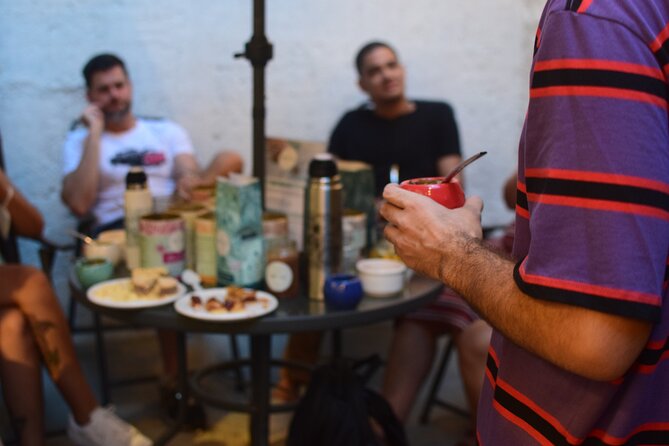
The tasting includes all of the workshop’s blends, served with typical Argentine sweets. This changes the class from a demonstration into a proper tasting session.
You get to compare the original style with flavored varieties. One participant particularly liked the chai blend, which gives you a useful reminder that mate is not limited to one sharp, earthy taste. Another person valued trying several options before choosing a favorite blend.
The tasting also helps you understand your own preferences. You may prefer the traditional version, or you may find a flavored yerba easier to enjoy. You might like the sweeter options with the Argentine treats, or you may prefer the plain drink on its own.
The sweets are a small but worthwhile part of the experience. They give you a taste of local food alongside the drink, and they soften the intensity of the yerba. Since the focus remains on mate, do not expect a full food tour. Think of the treats as a thoughtful match for the tasting.
If you have never had mate, do not assume you need to like the first cup. The value is in trying several blends and learning how each one fits into the ritual. The class gives you room to approach the drink gradually.
The Social Meaning of Sharing Mate
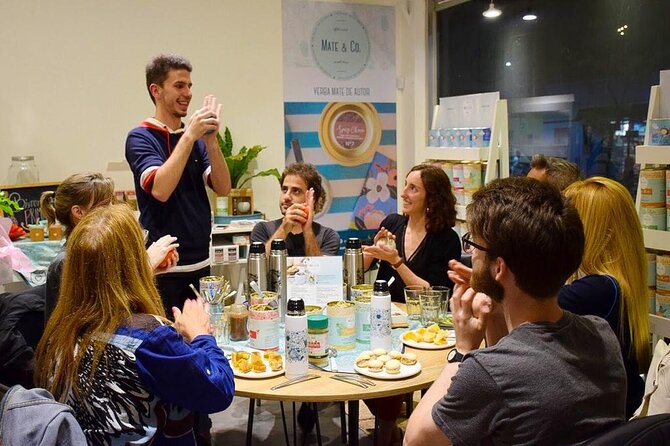
The most valuable part of the workshop may be the explanation of the ritual. Mate is not simply poured into a cup and consumed alone. Its preparation and sharing carry social meaning in Argentina.
The session explains the role of the person who prepares the mate and the ways the drink is shared. That detail helps you behave respectfully if you are later offered mate by an Argentine friend or acquaintance.
This is also where the activity connects with the rest of your visit. After the class, you may notice mate in parks, on public transport, or in casual social settings. You will recognize the thermos, cup, and straw, but you will also have a better sense of the welcome and connection tied to the drink.
The class appeals to people who want more than a photo opportunity. It gives you a small cultural skill and a way to take part in conversation. Several participants described leaving with plans to bring mate home and share it with friends or family.
That social angle makes the workshop especially good for solo visitors and couples. You sit with a small group, taste together, and learn a custom that is meant to bring people together. Families can also use it as a gentle introduction to Argentine heritage.
A Diploma and Shop Discounts at the End
The workshop closes with a diploma certifying your participation. It is a lighthearted touch, but it gives the experience a clear finish. You leave with a physical reminder that you learned the basic preparation and ritual.
The closing also includes discounts in the shop. The available details do not specify the discount amount or exactly which products are included, so treat this as a possible opportunity to buy mate, yerba, or accessories at a reduced price rather than a guaranteed saving of a certain size.
This is useful if you have decided to continue the habit at home. You will already have tasted different blends and seen the equipment, so you can make a more informed purchase than you could before the class.
I would not book the workshop solely for the discount. The main value is the instruction and tasting. The shop benefit is a pleasant extra, especially if you want a souvenir that has a real connection to Argentine daily life.
Is $29 a Fair Price?
At $29 per person, the price is reasonable for a 90-minute small-group class that combines instruction, cultural context, several tastings, Argentine sweets, a diploma, and shop discounts.
You are paying for more than a cup of tea. The instructor’s guidance helps you avoid the common mistakes that make mate confusing or unpleasant. You also get to compare blends before spending money on a bag or a full set of equipment.
The value is strongest if you are new to mate, interested in Argentine culture, or planning to take the drink home. It is less compelling if you only want a quick taste and have no interest in preparation or social customs.
The class can also save time. Instead of trying to piece together information from a shop conversation, a book, and trial and error, you receive the basic method in one organized session. At a reasonable city-tour price, that makes it an easy addition to a Buenos Aires visit.
Who Should Book This Experience?
I would recommend it to first-time mate drinkers, curious food lovers, and anyone who wants a closer look at Argentine life beyond major sights. It also suits people visiting friends or family in Argentina who want to understand a habit they keep seeing around them.
The workshop works well for families with older children, couples, friends, and solo visitors. The maximum group size keeps it social without making it feel like a mass demonstration.
It is also a good choice for people who already drink mate. The class covers different yerbas, equipment, curing, preparation, and ritual, so you can improve your method and test blends you may not find at home.
You may want to skip it if you dislike tasting unfamiliar drinks, have no interest in cultural customs, or prefer a longer, more formal lecture on the origins and production of yerba mate. The class is friendly and practical, not a full-day specialist seminar.
Confirmation is provided when you book. Service animals are allowed, and the meeting point is near public transportation. You can cancel for a full refund up to 24 hours before the start time. If the minimum number is not reached and the activity is canceled, you are offered another date or experience, or a full refund.
Should You Book the Mate Expert Workshop?
Yes, if you want a compact, hands-on introduction to one of Argentina’s defining social traditions. The best reasons to book are the chance to taste several blends, learn the brewing method from Tomi or Tomás, and understand why mate is shared rather than simply consumed.
The main limit is time. Ninety minutes gives you a useful foundation, but not an exhaustive account of mate’s history or production. Go in expecting a lively lesson, guided tasting, sweets, questions, and a little ceremony.
At $29, the experience offers good value and a souvenir diploma, but the lasting benefit is the confidence to prepare mate yourself. If you are in Buenos Aires and want a cultural activity you can carry into the rest of your trip, this is an easy choice.
FAQ
Where does the mate workshop begin?
It begins at Tte. Benjamín Matienzo 1559, C1426DAA, in Buenos Aires, Argentina.
Where does the activity end?
The activity ends back at the meeting point.
How long does the workshop last?
The workshop lasts approximately one hour and 30 minutes.
How much does the experience cost?
The listed price is $29 per person.
How many people can join the class?
The group has a maximum of 14 participants.
What will I learn about yerba mate?
You will learn about mate’s meaning, origins, production process, properties, different consumption styles, and its use in Argentina and around the world.
Will I taste different types of mate?
Yes. You will taste the workshop’s blends, including original and flavored varieties.
Are Argentine sweets included?
Yes. The mate tasting is served with typical Argentine sweets.
Do I receive anything at the end?
Yes. You receive a diploma certifying your participation in the workshop.
Can I cancel for a full refund?
Yes. You can cancel at least 24 hours before the experience start time for a full refund. Cancellations or changes made less than 24 hours in advance are not accepted for a refund.
Just added around Buenos Aires
- Tango Show at El Querandi with optional Dinner★ 4.2 · 3 reviews
- Wine Tasting in Buenos Aires★ 4.2 · 4 reviews
- Walking Tour: Buenos Aires bookstores★ 4.3 · 12 reviews
- Velez Sarsfield Football Match★ 5.0 · 3 reviews
- Unique Tigre and Delta Private Day Cruise Navegation★ 5.0 · 3 reviews
- Tour Buenos Aires in one day on Electric Scooters★ 5.0 · 33 reviews
- Private Underground Tango Immersion★ 5.0 · 31 reviews
- Transfers from or to the airport In Argentina Your Best Choice★ 5.0 · 28 reviews
Food & Drink, compared.

Buenos Aires Food Tour: Local Dishes, Steak, Empanada & More
Read our review →
Full-day Cafayate, Lerma Valley, and Wine Tasting from Salta
Read our review →Browse the lists this tour appears in