

Reviewed · WINE TOURS
Premium Argentinian Wines and Malbec Tasting Experience
Argentina’s wine story comes into focus over three glasses: aromatic Torrontés, elegant Pinot Noir, and the Malbec that put the country on wine maps around the world. This Palermo Soho tasting adds useful context, explaining how Mendoza, Salta, and Patagonia produce wines with different flavors.
I like the clear regional comparison and the food pairings, especially the cheese and salami served with the pours. I also like that hosts such as Lourdes, Faku, Tomas, Pamela, and Myrian have been praised for making the session personal and easy to follow. The main drawback is practical: the address appears as both Gorriti 4882 and Gorriti 4886, so check the final meeting details before setting off.
In This Review
- Key points
- Three Argentine Grapes, Three Ways to Read the Country
- Mendoza, Salta, and Patagonia on the Same Map
- Starting at Gorriti in Palermo Soho
- A 90-Minute Lesson That Leaves Room for Questions
- Cheese, Salami, and the Argentine Table
- The Hosts Make the Difference
- What the $50 Price Really Buys You
- Who Will Get the Most From This Tasting
- Weather, Cancellation, and Other Practical Points
- Should You Book the Palermo Wine Experience?
- FAQ
- Where does the wine tasting take place?
- How long does the experience last?
- Which wines will I taste?
- Which Argentine wine regions are covered?
- Is food included?
- What languages are available?
- Who cannot take part in this experience?
Key points
- Three useful benchmark wines: Taste Torrontés, Pinot Noir, and Malbec rather than only sampling several similar reds.
- Argentina in one sitting: Compare the wine regions of Mendoza, Salta, and Patagonia through grape type and flavor.
- Food is part of the lesson: Cheese, salami, and a typical appetizer show how Argentine wines work at the table.
- Strong guide-led format: Hosts including Lourdes, Faku, Tomas, Pamela, and Myrian have been praised for clear explanations and warm conversation.
- Good Palermo location: The tasting takes place in Palermo Soho, so you can easily pair it with an evening in one of Buenos Aires’ popular neighborhoods.
- A short, focused session: Plan on 90 minutes, though the activity details also describe a two-hour visit, so allow a little extra time.
Three Argentine Grapes, Three Ways to Read the Country

The clever part of this tasting is its choice of wines. You are not simply given three bottles and asked to pick a favorite. Torrontés, Pinot Noir, and Malbec let you compare a white, a lighter red, and Argentina’s best-known red grape.
That structure helps if you are new to Argentine wine. You can pay attention to the basic points of tasting: appearance, aroma, flavor, and the way a wine feels in your mouth. Hosts explain the vintages, vineyard locations, and grape varieties as you go, so the tasting has a clear educational purpose without becoming a formal wine exam.
Torrontés is the white wine in the lineup. It gives you a chance to see that Argentine wine is not only about full-bodied red bottles. The session introduces local grape varieties and explains where Torrontés fits into the country’s wine culture.
Pinot Noir brings a different kind of red to the table. Compared with Malbec, it gives you a useful contrast in style. You can focus on how grape variety affects aroma, body, and food pairing, rather than assuming every Argentine red will taste alike.
Then comes Malbec, the star of the experience. Argentina is rightly famous for it, but the point here is not simply to praise the grape. You learn how Malbec fits into the wider picture of Argentine production and how location can change the character of the wine.
A few more Buenos Aires trips to weigh up
- Buenos Aires: Wine Tasting and Lunch at Bodega Gamboa
★ 4.8 · 177 reviews - Buenos Aires: Palacio Barolo Guided Night Tour with Wine
★ 4.4 · 54 reviews - Discover Argentine Wines Paired with Delicious Tapas
★ 5.0 · 51 reviews
Mendoza, Salta, and Patagonia on the Same Map
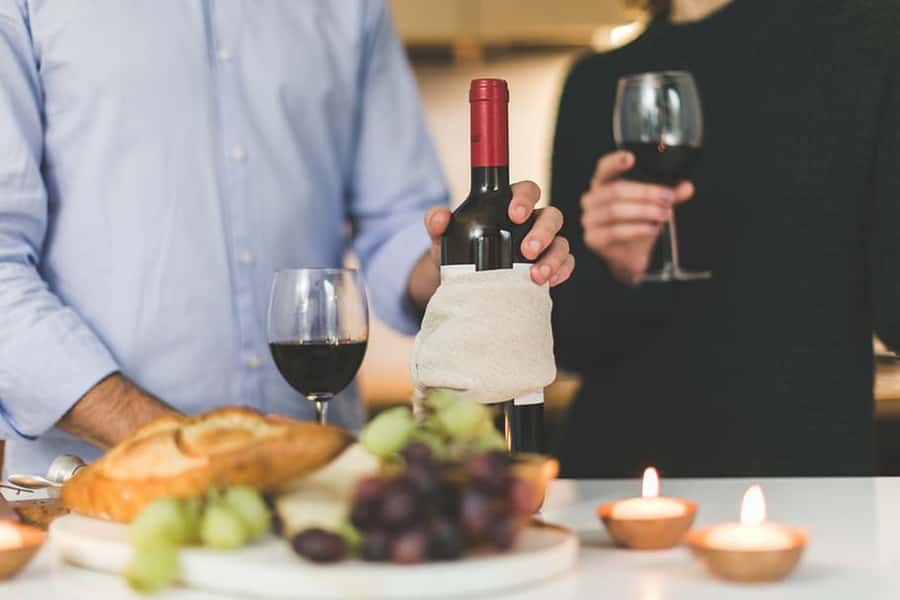
One of the best reasons to book this tasting is the regional lesson. The host explains Argentina’s three main vineyard areas: Mendoza, Salta, and Patagonia. Seeing them together gives you a basic map for choosing wine later, either in Buenos Aires or when you visit an Argentine restaurant at home.
Mendoza is the region most closely linked with Argentine Malbec. You will hear how its wines fit the country’s international reputation and how vineyard location affects the bottle in your glass.
Salta brings a different regional reference point. The host discusses its wine production and the flavor differences connected with the area. You do not need a detailed knowledge of Argentine geography to follow along. The comparison is presented through practical tasting notes.
Patagonia adds another contrast. The region is included in the discussion of Argentina’s wine-producing areas, helping you understand that the country’s vineyards are not one single style spread around one place.
A particularly useful touch is the use of original antique maps in at least one version of the presentation. Faku was praised for showing these maps while explaining the development of winemaking in Argentina. That kind of visual aid can make the regional story easier to remember than a list of place names.
You should not expect a full tour of three vineyards. This is a tasting in Palermo, not a countryside winery visit. Its value is that you can compare the regions in one sitting, without spending a day on transport.
Starting at Gorriti in Palermo Soho
The meeting point is on Gorriti in Palermo, with the address given as Gorriti 4882 in one place and Gorriti 4886 in another. I would check the confirmation carefully and keep the host’s contact information available. The difference is small, but it is exactly the sort of detail that can cause needless stress before a timed tasting.
The setting is Palermo Soho, a popular area for food, drinks, and evening walks. That makes the activity easy to combine with other plans. You could schedule it before dinner, use it as your main evening stop, or stay in the neighborhood afterward for more food and drinks.
Hotel pickup and drop-off are not included. You need to make your own way to Gorriti, and one person specifically recommended using Uber. That is sensible if you are unfamiliar with Buenos Aires or if you are heading there after dark. Public transport may be possible depending on where you are staying, but the supplied details do not specify a route, so do not treat transportation as part of the booking.
The venue has been described as bright, with high ceilings, and another account placed the experience in an intimate cellar setting. The exact room may vary, but you can expect a dedicated tasting space rather than a sightseeing stop. This is a sit-down activity built around conversation, wine, and food.
A 90-Minute Lesson That Leaves Room for Questions
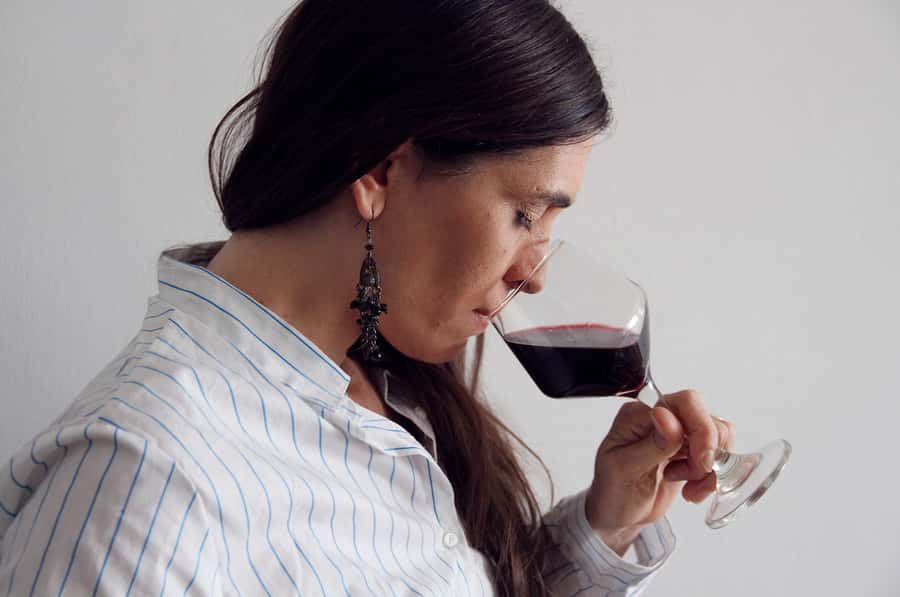
The stated duration is 90 minutes. The activity outline also calls the Palermo visit two hours, so I would keep your schedule flexible and avoid booking a restaurant reservation immediately afterward. The tasting itself is compact enough for a busy Buenos Aires itinerary, but the host may need time for questions and discussion.
The experience begins with an introduction to Argentine winemaking. You learn how the national wine industry developed and how the main vineyard regions differ. The guide then moves into the tasting, explaining each bottle as it is served.
You are expected to taste three wines:
- Torrontés
- Pinot Noir
- Malbec
The guide discusses the appearance, aroma, and taste of each wine, along with its grape variety, vintage, and vineyard location. That gives you a simple method you can use later. Instead of drinking passively, you learn what to look for.
The teaching style appears to be conversational. Faku was praised for answering broader questions about what to see and do in Buenos Aires, while Pamela was described as passionate about wine and able to explain how to assess flavor and character. Tomas received praise for covering both the history of the industry and the qualities of the wines being poured.
That is important for a short tasting. A guide who only recites technical terms can make 90 minutes feel long. Here, the strongest reports point to hosts who welcome questions and connect the wine lesson with the city around you.
Same city, a completely different kind of day:
- Buenos Aires Hop-On Hop-Off Bus, Free Walking Tours & Discounts
★ 4.5 · 2,218 reviews - Buenos Aires: Piazzolla Tango Show with Optional Dinner
★ 4.4 · 2,122 reviews - Buenos Aires: City Highlights Guided Tour with Transfer
★ 4.7 · 1,946 reviews - Buenos Aires: Hop-On Hop-Off City Bus Tour
★ 4.2 · 1,855 reviews
Cheese, Salami, and the Argentine Table
Food is included, and it is more than a token snack. The tasting comes with a typical Argentine appetizer, plus cheese and salami pairings. The food gives you a practical way to test the wine rather than judging each glass on its own.
I like this part because wine makes more sense with food. A wine that seems sharp or heavy by itself may work well with cheese, while another may suit cured meat or a lighter appetizer. The host explains pairings as you taste, so you can notice the change for yourself.
The food also makes the session feel like a small introduction to Argentine eating habits. You get a taste of how wine is served socially, not just how it is evaluated by specialists. Several accounts praised the pairing, and one described the cheese and salami as especially enjoyable.
If you have dietary restrictions, contact the provider before booking and explain them clearly. Myrian received particular praise for adjusting the food for a person who was celiac, lactose intolerant, had kidney problems, and did not eat meat. That is encouraging, but it does not guarantee that every dietary request can be met at every session. You should confirm your needs in advance rather than rely on an adjustment at the door.
The Hosts Make the Difference
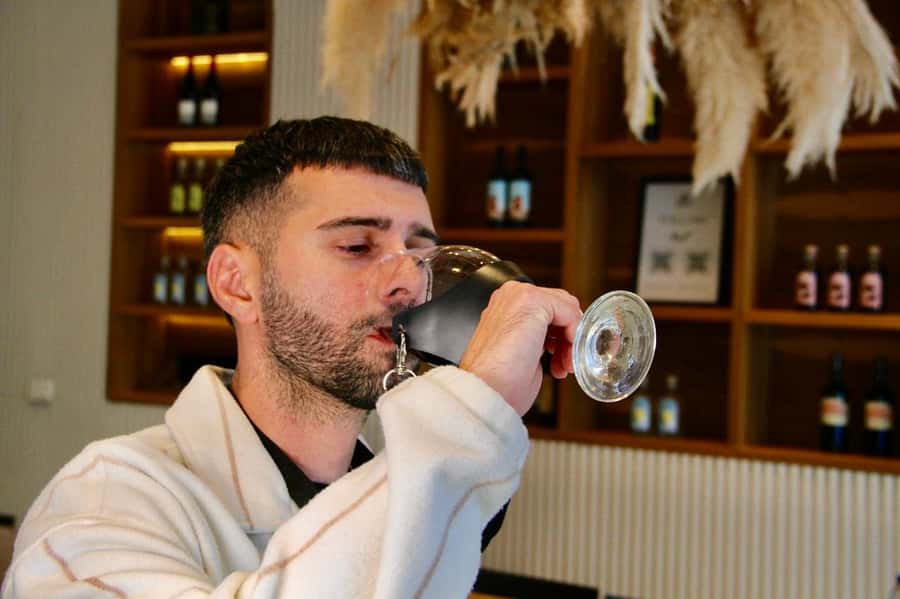
This experience depends heavily on the person leading it. The wine selection is important, but the guide turns it into either a useful lesson or a routine pour.
The hosts named in the supplied information include Lourdes, Tomas, Faku, Myrian, Pamela, Rocio, and Andrea. Lourdes has been praised for explaining the appearance, aroma, and taste of each wine, as well as matching wines with food. Faku used antique maps to make the story of Argentine winemaking easier to follow.
Tomas was noted for his grasp of Argentina’s wine regions, the history of the industry, and the qualities of the bottles tasted. Pamela and Rocio were praised for their hosting and for creating a pleasant atmosphere. Andrea was described as friendly and well informed during a cellar-based session.
You should also expect the host to be comfortable with general conversation. The tasting is not only a lecture. Questions about Argentine wine, Buenos Aires, and local sights may fit naturally into the session, although the exact balance will depend on your guide and group.
The available languages are English, Spanish, and Portuguese. That makes the experience useful for a mixed group, and it is especially helpful if you want technical ideas explained in a language you understand well.
What the $50 Price Really Buys You
At $50 per person, this is not the cheapest way to drink wine in Buenos Aires. You can certainly buy a bottle or a glass for less. The value comes from the combination of three wines, food, instruction, and regional context in a central neighborhood.
I think the price makes the most sense for visitors who want a starting point. After 90 minutes, you should have a better idea of which Argentine grapes and regions interest you. That can guide later purchases and restaurant orders, which is more useful than tasting random bottles with no explanation.
The value is also stronger if you are short on time. A vineyard visit outside Buenos Aires would require transport and a larger time commitment. This Palermo session gives you an introduction without leaving the city.
It is less compelling if you already have a strong background in Argentine wine and want a rare, collector-level tasting. The supplied details promise a carefully chosen regional selection, not a private winery tour or a tasting of hard-to-find reserve bottles. You are paying for an accessible introduction with food and a guide.
Generous pours have also been noted, so plan accordingly. Three wines with an appetizer can be enough for a full evening for some people. You may want to avoid arriving after a large meal if you want to pay close attention, but do not assume the tasting replaces dinner.
Who Will Get the Most From This Tasting
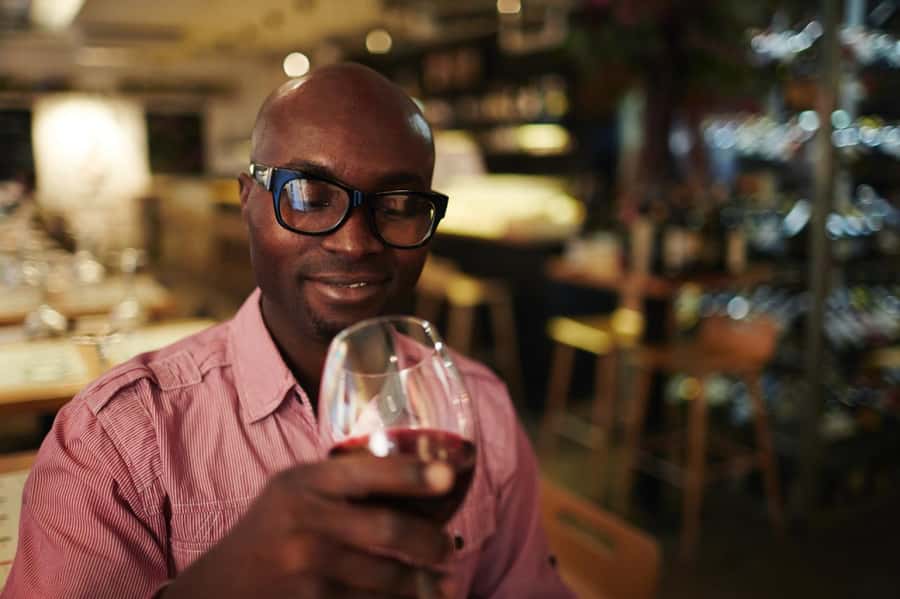
I would recommend this experience to first-time visitors who want to understand Argentine wine before ordering more of it during their trip. It suits couples, friends, and solo visitors who enjoy asking questions and meeting a local host.
It also works well for people who know wine generally but do not yet understand Argentina’s regional differences. The comparison between Torrontés, Pinot Noir, and Malbec gives you a compact reference point.
Food-focused visitors should find the pairing useful. You are not only tasting wine in isolation, and the appetizer, cheese, and salami make the activity feel connected to local dining.
The tasting is not suitable for children under 18, and wheelchair users are excluded according to the activity information. It is also not a good fit if you want to visit vineyards, walk through grape-growing country, or spend several hours in a winery. This is an urban class and tasting in Palermo.
The atmosphere may vary by host and group size. Some sessions have been described as intimate and personal, while others emphasize a bright, high-ceilinged venue. I would book it for the content and location, not for a guaranteed room style.
Weather, Cancellation, and Other Practical Points
The activity runs even in rain or storms, so bad weather should not automatically disrupt your plan. That is useful in Buenos Aires, where a wet day can quickly change an outdoor itinerary.
Free cancellation is available up to 24 hours before the activity for a full refund. You can also reserve now and pay later, which helps if your Buenos Aires schedule is still moving around.
The exact starting time depends on availability. Since the stated duration is 90 minutes but the itinerary also mentions two hours, leave extra space around the booking. Check the final confirmation for the start time, meeting address, and any updated instructions.
Bring an open mind rather than a checklist of wine terms. You do not need to know the difference between every grape before arriving. The useful part is asking what you taste and why it changes from one region to another.
Should You Book the Palermo Wine Experience?
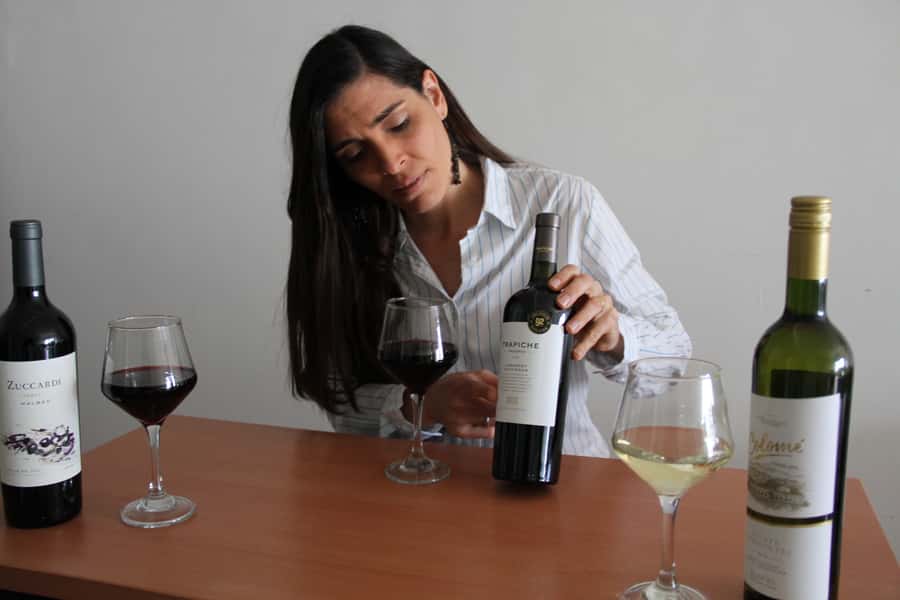
You should book this tasting if you want a friendly, structured introduction to Argentine wine without leaving Buenos Aires. The three-grape lineup, regional map, food pairings, and multilingual guides make it more useful than a simple flight of pours.
I would be especially inclined to book it early in your trip. The lesson can help you choose Malbec, Torrontés, and other Argentine bottles later, and Palermo Soho gives you plenty of options for the rest of the evening.
Skip it if your priority is a countryside winery visit or an advanced tasting of rare wines. Also check the Gorriti address carefully, allow more than 90 minutes if your schedule is tight, and confirm any dietary requirements ahead of time.
For most visitors who like wine but do not yet have Argentina figured out, the $50 fee is fair. You leave with three reference wines, a clearer sense of Mendoza, Salta, and Patagonia, and a better idea of how Argentine wine belongs at the table.
FAQ
Where does the wine tasting take place?
The meeting point is on Gorriti in Palermo, Buenos Aires. The address is listed as Gorriti 4882 in one place and Gorriti 4886 in another, so check your booking confirmation before arriving.
How long does the experience last?
The stated duration is 90 minutes. The activity outline also describes the Palermo visit as two hours, so allow extra time in case the session runs longer or includes additional discussion.
Which wines will I taste?
The tasting includes Torrontés, Pinot Noir, and Malbec.
Which Argentine wine regions are covered?
The host explains the differences between Mendoza, Salta, and Patagonia, including how vineyard locations affect flavor.
Is food included?
Yes. Food and drinks are included, with a typical Argentine appetizer and pairings such as cheese and salami.
What languages are available?
The live guide service is available in English, Spanish, and Portuguese.
Who cannot take part in this experience?
The activity is not suitable for children under 18 or wheelchair users. Hotel pickup and drop-off are also not included.
Just added around Buenos Aires
- Tango Show at El Querandi with optional Dinner★ 4.2 · 3 reviews
- Wine Tasting in Buenos Aires★ 4.2 · 4 reviews
- Walking Tour: Buenos Aires bookstores★ 4.3 · 12 reviews
- Velez Sarsfield Football Match★ 5.0 · 3 reviews
- Unique Tigre and Delta Private Day Cruise Navegation★ 5.0 · 3 reviews
- Tour Buenos Aires in one day on Electric Scooters★ 5.0 · 33 reviews
- Private Underground Tango Immersion★ 5.0 · 31 reviews
- Experience The Essence of Buenos Aires in San Telmo★ 5.0 · 51 reviews
Wine Tours, compared.


Full-Day Tour Cafayate Calchaqui Valleys with Wine
Read our review →
Browse the lists this tour appears in