
Reviewed · WINE TOURS
Discover Argentine Wines Paired with Delicious Tapas
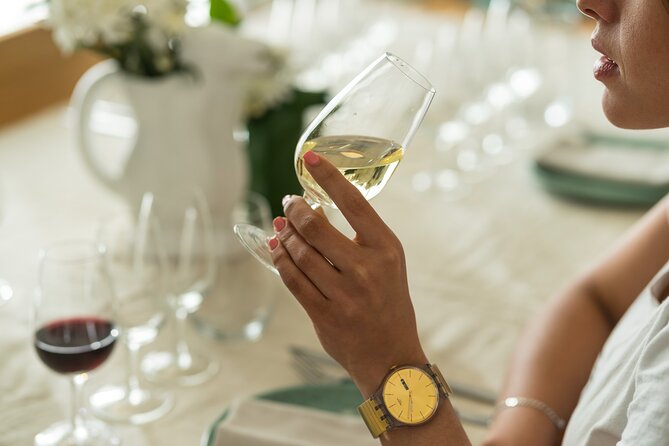
Argentine wine is far broader than Malbec from Mendoza, and this two-hour tasting makes that point over four wines from different parts of the country. Bertie explains the grapes, producers, and regions, while Aby prepares a fresh tapa to match each pour, including a much-praised empanada and Inca-inspired humita.
I like the focus on small family wineries and the way food is treated as part of the lesson, not a snack added at the end. I also like the intimate setting, with no more than 14 people and plenty of room for questions. The main drawback is practical: one person had trouble getting into the building, so check the address at Soler 5650 and allow a little time to find the entrance.
In This Review
- Key points at a glance
- A two-hour introduction to Argentina in a glass
- Bertie, Aby, and a relaxed home setting
- The wine route, from Argentina’s dry north to Patagonia
- Why the tapas matter as much as the wine
- Argentina’s culture between each pour
- How the small group changes the experience
- Is $84 a fair price?
- Who should book this Buenos Aires tasting?
- Timing, transport, and booking advice
- What to remember before you go
- Should you book Discover Argentine Wines with Tapas?
- FAQ
- Where does the wine and tapas tasting begin?
- Where does the activity end?
- How long does the tasting last?
- How many wines will I taste?
- Are the wines all from Mendoza?
- Is food included?
- Are alcoholic drinks included in the price?
- Can I buy wine after the tasting?
- How large is the group?
- Can I cancel for a full refund?
Key points at a glance
- Four wines from four parts of Argentina: The tasting moves beyond the usual Mendoza-only introduction.
- Fresh tapa with every wine: Aby prepares regional food to match each bottle.
- Bertie and Aby host together: You get wine instruction, food stories, and a warm social setting.
- Small group, maximum 14 people: The format is suited to questions and conversation.
- Bottles are available afterward: You can purchase wines that caught your attention.
- A useful Buenos Aires introduction: The tasting links wine to Argentine regions, history, and daily food culture.
A two-hour introduction to Argentina in a glass
The clever idea here is the route. Instead of pouring four similar wines from the country’s most famous wine center, Bertie takes you from the dry north down to cool Patagonia, then back toward Mendoza. Each wine comes from a different producer and region, giving you a quick lesson in how much Argentina changes from one growing area to another.
That matters because many first-time visitors know only one Argentine wine: Malbec. Mendoza deserves its fame, but this tasting puts it in context. One particularly useful detail is that the selection is not simply four versions of Malbec. One wine is from Mendoza and only one is Malbec, allowing you to compare a wider set of grapes and styles.
You taste four wines during the session, and you are welcome to repeat any of them. That is a small but important touch. It lets you return to a wine after trying its paired food, or compare two wines side by side as your palate gets more comfortable.
The full experience lasts about two hours. That is enough time to make the tasting feel like an event, but not so long that it takes over your day in Buenos Aires.
A few more Buenos Aires trips to weigh up
- Buenos Aires: Wine Tasting and Lunch at Bodega Gamboa
★ 4.8 · 177 reviews - Premium Argentinian Wines and Malbec Tasting Experience
★ 4.6 · 60 reviews - Buenos Aires: Palacio Barolo Guided Night Tour with Wine
★ 4.4 · 54 reviews
Bertie, Aby, and a relaxed home setting
Bertie leads the wine side with clear explanations of the producers, grapes, and regions. He also places each bottle within Argentina’s wider story, explaining why different grapes grow in different areas and how local conditions shape the wine.
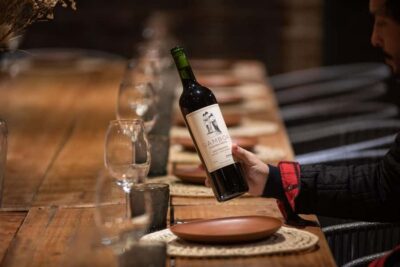
Aby handles the food, preparing each tapa fresh and explaining the dish as it arrives. The pairing is not treated as decoration. The food is chosen to make the wine easier to understand, and the wine gives each small plate a different character.
The setting is a private, comfortable space at Soler 5650. A number of descriptions of the experience refer to a pleasant apartment with a view toward Palermo Soho, creating a more personal atmosphere than a large commercial tasting room. You are not simply sitting at a counter while someone races through a list of bottles. The format allows conversation about Argentina, food, wine, and travel.
That relaxed pace is especially useful if you are new to wine. You can ask basic questions without feeling out of place, while more experienced drinkers get details about producers and regional differences. The hosts are warm and attentive, and the gathering is designed to help people feel comfortable around the table.
The wine route, from Argentina’s dry north to Patagonia
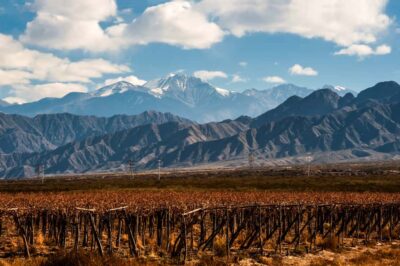
The first part of the tasting looks toward Argentina’s arid northern regions. The dry climate and high-altitude growing areas give this section a clear sense of place, even though the exact bottle selection can vary.
You may notice that the northern wine is quite different from the rounder, darker styles often associated with Mendoza. This is where Bertie’s explanations are most useful. Rather than asking you to memorize technical terms, he connects the flavor and structure of the wine to the place where it is made.
The route then heads south to Patagonia. This is a cooler part of the country, and the change gives you a useful contrast with the dry north. Patagonia is not simply included to add another name to the list. It shows how temperature and growing conditions can affect the grapes and the finished wine.
The tasting then returns to Mendoza, the region most familiar to international wine drinkers. Since only one of the four wines is from Mendoza, the region feels like one piece of the national picture rather than the entire story.
You are likely to get more from the tasting if you focus on comparison instead of searching for the single best wine. Notice which wine you prefer before the food arrives, then see how the tapa changes your impression. That is the heart of the experience.
Why the tapas matter as much as the wine
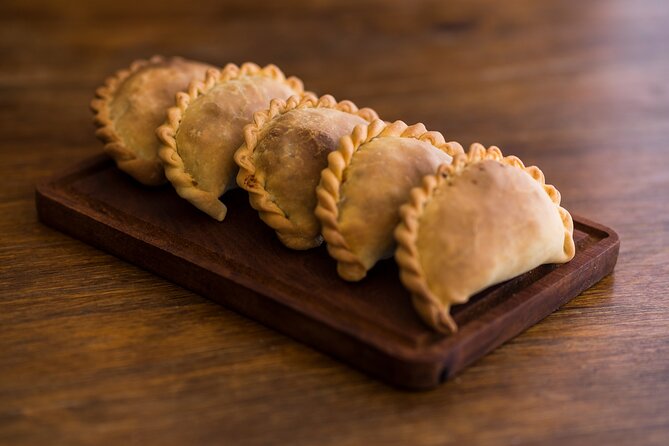
Each wine is served with a small regional tapa prepared by Aby. The portions are described as snacks rather than a full meal, but the food is substantial enough to make this more than a series of empty pours.
The empanada has earned special praise and may be the most memorable bite of the afternoon. Another notable dish is the Inca-inspired humita, a corn-based preparation with a regional story behind it. These details give the food a role in the cultural discussion, not just the culinary one.
I like this approach because Argentine food can be reduced too easily to steak and empanadas. The tasting gives you a wider view, with family recipes and regional references that help explain how food connects to place. Aby’s descriptions add warmth to the meal, while Bertie’s wine notes keep the session moving.
The pairings also help if you do not normally taste wine analytically. You can talk about whether a wine works with a savory filling, corn, herbs, or pastry without needing a large vocabulary. The food gives you something concrete to notice.
Do not book this expecting lunch with four large courses. Expect four small tapas, each paired with wine. For many people, that is the right balance, especially if you have dinner plans later.
Same city, a completely different kind of day:
- Buenos Aires Hop-On Hop-Off Bus, Free Walking Tours & Discounts
★ 4.5 · 2,218 reviews - Buenos Aires: Piazzolla Tango Show with Optional Dinner
★ 4.4 · 2,122 reviews - Buenos Aires: City Highlights Guided Tour with Transfer
★ 4.7 · 1,946 reviews - Buenos Aires: Hop-On Hop-Off City Bus Tour
★ 4.2 · 1,855 reviews
Argentina’s culture between each pour
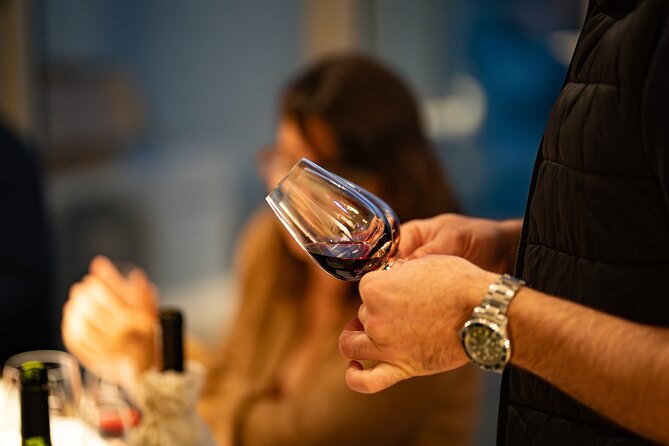
The tasting includes more than grape names and winery facts. Bertie and Aby bring in Argentine history and culture as the wines and tapas appear, giving the afternoon a broader shape.
This is useful because wine is closely tied to migration, regional identity, farming, and family tradition. A small producer’s story can tell you something about how wine is made and sold in Argentina, while a tapa can point to Indigenous or local influences in the country’s cooking.
The best part of this format is that the information arrives in short pieces. You taste, eat, ask questions, and then move to the next pairing. It avoids the lecture-room feeling that can make wine tastings tiring.
You should still expect some educational content. This is not only a social afternoon with alcohol. If you want a quiet meal with little explanation, the guided format may feel too talkative. If you enjoy learning while you eat, the mix is well judged.
How the small group changes the experience
The maximum group size is 14 people. That is small enough for a shared-table atmosphere, though the exact feel will depend on how many people book your session.
A small group gives Bertie and Aby room to answer questions and adjust the conversation. Couples can treat it as a date activity, solo visitors can meet people without joining a large tour, and friends can enjoy the food without losing the chance to learn.
The tone is social but not forced. Several descriptions highlight the easy conversation, including discussion of travel and other subjects. That makes this a good choice for a first or last afternoon in Buenos Aires, when you may want something structured but not rushed.
The setting also means you should be comfortable entering a private residence or apartment-style venue. One person had difficulty getting in, so do not assume the address alone will make the entrance obvious. Keep the full address handy and contact the provider if the door or entry point is unclear.
Is $84 a fair price?
At $84 per person, this is not a bargain wine flight. It is priced as a hosted experience with four wines, four tapas, instruction, and a two-hour social setting.
The value depends on what you want. If your goal is simply to taste four inexpensive pours, you can likely spend less elsewhere. If you want an organized introduction to Argentine wine with food, regional context, and personal attention, the price is easier to justify.
You are paying for selection as much as volume. The wines come from small producers across Argentina, and the point is to show variety rather than offer the cheapest well-known labels. You also receive fresh food with each wine, which makes the session feel closer to a tasting lunch than a standard bar flight.
Bottle purchases are available at the end. That can add value if you discover a wine you cannot easily find at home, though the activity price does not include any bottles you choose to buy. Gratuity is also not included.
I would consider this good value for wine lovers, food-focused visitors, and anyone who wants a thoughtful introduction to Argentina without leaving Buenos Aires for a vineyard day trip.
Who should book this Buenos Aires tasting?
You should book if you enjoy food and wine but do not need to be an expert. The hosts explain the wines in an approachable way, so you can learn without feeling tested.
It also suits experienced wine drinkers who want to move beyond familiar Mendoza Malbec. The regional spread and small-producer focus provide more variety than a standard Argentine wine sampler.
Couples will find it a natural date activity, while solo visitors can expect a setting where conversation comes easily. Friends can use it as a relaxed afternoon plan before dinner or an evening walk.
This is less suitable if you want a full meal, a large winery tour, or a fast-moving sightseeing activity. You remain in one location for the entire two hours, and the main activity is tasting, eating, and talking.
The experience is also not a vineyard visit. You will learn about Argentine wine regions, but you will not be touring vineyards or winery cellars during this session.
Timing, transport, and booking advice
The meeting point is Soler 5650, C1425BYH, in Buenos Aires. The activity ends at the same location, so you do not need to arrange a return transfer or work out a second meeting point.
The address is near public transportation. Service animals are allowed. Confirmation is provided when you book, and the group is limited to 14 people.
This experience is often reserved around 40 days ahead. That is a useful planning signal, especially if you have fixed dates in Buenos Aires. I would book early rather than assume a convenient afternoon will still be open.
You receive free cancellation if you cancel at least 24 hours before the start time. Changes or cancellations inside that window are not accepted for a refund, and the provider may cancel if the minimum number of people is not reached. In that case, you are offered another date or experience, or a full refund.
What to remember before you go
Arrive ready to eat a little, taste carefully, and ask questions. Four wines can feel like a lot if you rush them, so use the tapas and the conversation to slow down.
Keep an open mind about the wine list. The most useful lesson is not that one region is better than another. It is that Argentina produces more variety than its international reputation suggests.
If a bottle makes an impression, note its name and producer before you leave. Wines are available for purchase afterward, and the small-producer focus means you may encounter labels that are not familiar at home.
Finally, check the meeting address before setting out. Soler 5650 is the fixed start and end point, but the private setting can make arrival less obvious than entering a hotel or restaurant.
Should you book Discover Argentine Wines with Tapas?
I would book this if you want an intimate, food-led introduction to Argentine wine and culture in Buenos Aires. The strongest reasons are the four-region tasting, Aby’s fresh tapas, Bertie’s clear explanations, and the chance to see beyond Malbec and Mendoza.
The $84 price is reasonable for a hosted two-hour tasting with food, though it will not suit someone looking only for cheap wine samples. Book early, allow time to find the entrance, and think of the experience as a small cultural meal rather than a formal wine class.
FAQ
Where does the wine and tapas tasting begin?
It begins at Soler 5650, C1425BYH, in Buenos Aires, Argentina.
Where does the activity end?
The activity ends back at the meeting point on Soler 5650.
How long does the tasting last?
The tasting lasts approximately two hours.
How many wines will I taste?
You will taste four wines, each from a different producer and region of Argentina. You may repeat the wines during the session.
Are the wines all from Mendoza?
No. The tasting includes wines from several parts of Argentina, including the arid north, Patagonia, and Mendoza.
Is food included?
Yes. A small tapa is served with each wine. The tapas are prepared fresh by Aby.
Are alcoholic drinks included in the price?
Yes. The four tasting wines are included.
Can I buy wine after the tasting?
Yes. The wines are available for purchase at the end of the experience.
How large is the group?
The activity allows a maximum of 14 people.
Can I cancel for a full refund?
Yes, if you cancel at least 24 hours before the experience start time. Cancellations or changes made less than 24 hours in advance are not refunded or accepted.
Just added around Buenos Aires
- Tango Show at El Querandi with optional Dinner★ 4.2 · 3 reviews
- Wine Tasting in Buenos Aires★ 4.2 · 4 reviews
- Walking Tour: Buenos Aires bookstores★ 4.3 · 12 reviews
- Velez Sarsfield Football Match★ 5.0 · 3 reviews
- Unique Tigre and Delta Private Day Cruise Navegation★ 5.0 · 3 reviews
- Private Underground Tango Immersion★ 5.0 · 31 reviews
- Tour Buenos Aires in one day on Electric Scooters★ 5.0 · 33 reviews
- Transfers from or to the airport In Argentina Your Best Choice★ 5.0 · 28 reviews
Wine Tours, compared.

Full-Day Tour Cafayate Calchaqui Valleys with Wine
Read our review →
Browse the lists this tour appears in