
Reviewed · RECOLETA CEMETERY TOURS
Recoleta & Cemetery for curious people
Recoleta’s grand buildings and cemetery tell a story about money, power, ambition, and memory. This 150-minute walk links Plaza San Martín with the city’s most famous burial ground, using architecture and conversation to explain Argentina’s Gilded Age. I like the interactive format and the chance to ask questions rather than simply follow a script. I also like that the route connects mansions, embassies, a modernist tower, and the cemetery into one clear story.
The main consideration is that the cemetery ticket is not included, so you must buy it at the entrance or online if you want to go inside. The walk also covers many stops in a short time, so it suits you best if you enjoy a brisk city walk and discussion rather than a slow, highly detailed architectural tour.
In This Review
- Key points at a glance
- Starting at Rapa Nui and Plaza San Martín
- Reading the Edificio Kavanagh
- The Torre Monumental and the city’s public image
- Mansión Estrugamou and the world of grand residences
- Palacio San Martín, the French Embassy, and the city’s European ambitions
- A short break before Jockey Club and Palacio Duhau
- Entering Recoleta Cemetery as a mirror of society
- Guides who make the discussion matter
- What the $34 price gets you
- Timing, pace, and access
- Who will enjoy this walk most
- Should you book Recoleta and Cemetery for curious people?
- FAQ
- Where does the tour begin?
- How long does the experience last?
- Is entry to Recoleta Cemetery included?
- What languages are available?
- Is this a private tour or a group tour?
- Is the walking tour wheelchair accessible?
- Can I cancel or pay later?
Key points at a glance
- A story-led walk from Plaza San Martín to Recoleta Cemetery: The route links Buenos Aires landmarks with the people and politics behind them.
- A closer look at Argentina’s Gilded Age: Mansions, clubs, embassies, and grand avenues reveal how the elite shaped the capital.
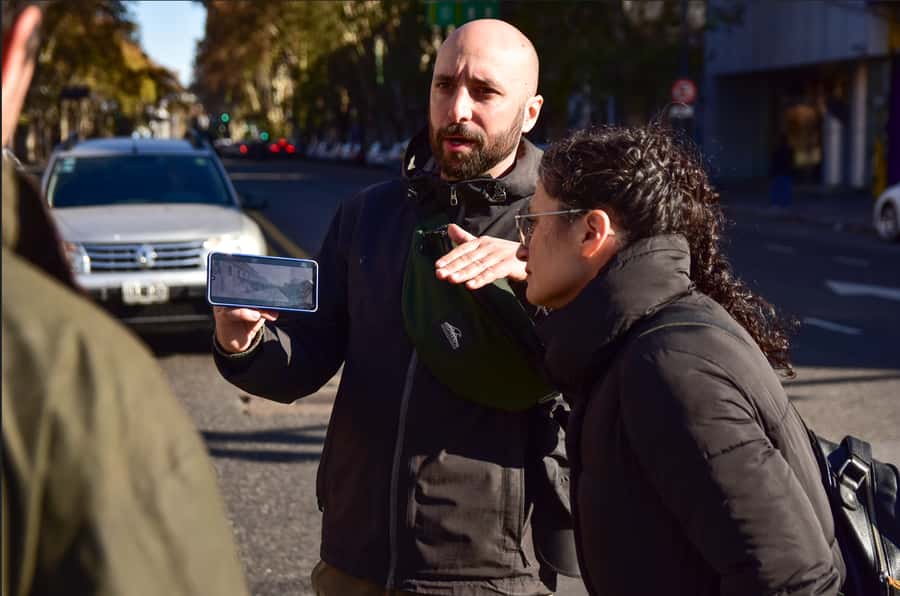
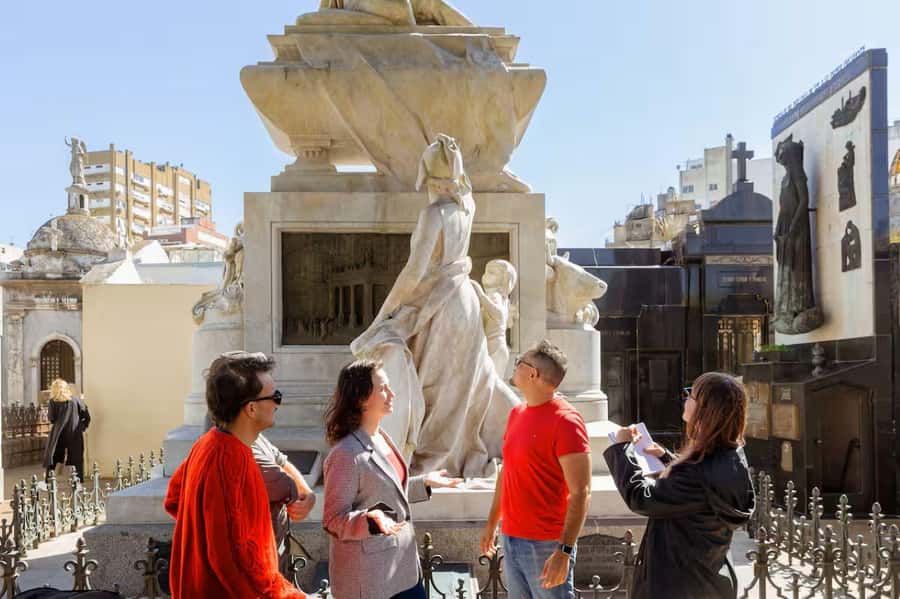
- An interactive guide rather than a simple lecture: You are encouraged to ask questions and discuss Argentina’s past, present, and future.
- Guides with strong historical training: Nicolas, Nico, and Ignacio are named in the experience feedback, with Nico and Nicolas especially praised for humor, detail, and personal answers.
- Cemetery entrance is optional: The 45-minute cemetery visit is part of the walk, but the admission ticket must be purchased separately.
- Small-group and private options: This can make the conversation more personal, especially if you have specific interests.
Starting at Rapa Nui and Plaza San Martín
The meeting point is the Rapa Nui store, a practical landmark in central Buenos Aires. From there, the route begins at Plaza General San Martín, where the guide sets the tone for the rest of the walk.
The plaza is useful as an opening chapter because it introduces Buenos Aires as a city that wanted to look European and powerful. You will discuss the ambitions that gave the capital its famous Parisian image, along with the wealth that paid for its grand streets and buildings.
Two ten-minute guided stops are listed around Plaza San Martín. That suggests the guide uses the area for more than a quick photograph. You can expect discussion of the square, its setting, and the social forces that shaped this part of the city.
I like beginning here because it gives you a reference point before the tour reaches Recoleta. The cemetery can seem like a collection of dramatic tombs if you visit alone. With this opening context, you can start asking better questions about who built Buenos Aires, who benefited from its success, and who was left outside it.
More recoleta cemetery tours in Buenos Aires:
- Buenos Aires: La Recoleta Cemetery Guided Tour in English
★ 4.8 · 1,359 reviews - Buenos Aires Bike Tour: North Districts, Recoleta and Palermo
★ 4.5 · 91 reviews - Recoleta Cemetery – Small Group Tour of History & Secrets
★ 5.0 · 53 reviews
Reading the Edificio Kavanagh
The Edificio Kavanagh provides a sharp change of mood. Instead of a traditional mansion, you see a landmark of modern urban design. The building helps show that Buenos Aires was not frozen in its old aristocratic image. The city kept changing as new money, new technology, and new ideas arrived.
The guide spends about ten minutes here. That is enough for a focused explanation, though not enough for a full architectural study. I would listen for the contrast between the old elite homes on the route and this taller, more modern expression of status.
This stop is valuable because it broadens the tour beyond colonial and nineteenth-century monuments. Buenos Aires is not only about ornate façades. Its identity also comes from the tension between European references and local ambition.
The Torre Monumental and the city’s public image
The Torre Monumental offers another chance to consider how Buenos Aires presents itself. It is one of the route’s shorter, focused stops, with about ten minutes of guided attention.
You may find the guide using the tower to discuss the city’s public image, its links with Europe, and the way monuments can express political or cultural messages. The larger theme is clear: Buenos Aires wanted to be seen as a major capital, and its buildings often helped make that case.
The tour does not treat architecture as decoration alone. It asks you to read buildings as evidence. Who had the money to commission them? Who was allowed to use them? Which stories receive a monument, and which ones remain less visible?
Mansión Estrugamou and the world of grand residences
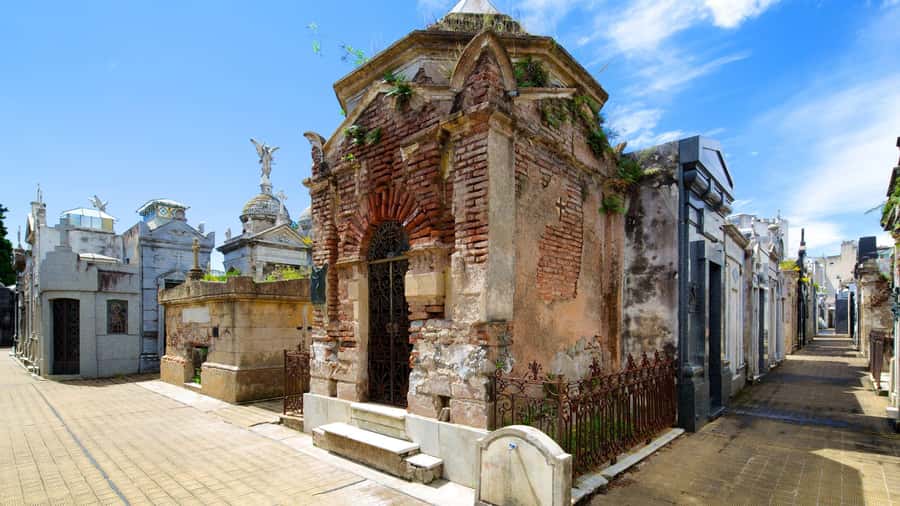
At Mansión Estrugamou, also known as Casa Basavilbaso, the tour returns to the private world of Buenos Aires’s wealthy families. This is where the language of Argentina’s Gilded Age becomes especially concrete.
The stop lasts about ten minutes. You will examine the mansion as part of a neighborhood built to display status. The discussion connects large residences with the vast landowners who held much of the country’s wealth and influence.
I like this part of the route because it moves past the easy idea that Buenos Aires simply copied Paris. The Parisian style was not just a matter of taste. It reflected a particular social order, one in which a small group could spend heavily on homes, clubs, and public spaces while presenting the capital as a world power.
The guide also raises the rise and fall of Argentina’s fortunes. That makes the mansion more than a pretty façade. It becomes evidence of a period when Argentina seemed to have the resources and position to become one of the world’s leading countries.
Same city, a completely different kind of day:
- Buenos Aires Hop-On Hop-Off Bus, Free Walking Tours & Discounts
★ 4.5 · 2,218 reviews - Buenos Aires: Piazzolla Tango Show with Optional Dinner
★ 4.4 · 2,122 reviews - Buenos Aires: City Highlights Guided Tour with Transfer
★ 4.7 · 1,946 reviews - Buenos Aires: Hop-On Hop-Off City Bus Tour
★ 4.2 · 1,855 reviews
Palacio San Martín, the French Embassy, and the city’s European ambitions
Palacio San Martín continues the look at diplomatic and aristocratic Buenos Aires. The route then reaches the Embassy of France, another ten-minute guided stop that fits the tour’s central theme.
These buildings help explain why the capital was so often compared with European cities. The connection was built into the architecture, the institutions, and the social aspirations of the people who occupied these places.
You should expect interpretation rather than interior access. The information provided describes guided stops outside these landmarks, not a visit inside them. That distinction matters if you are hoping to tour grand rooms or see private collections. The value here is the explanation of what the buildings represent and how they fit into Argentina’s political and social story.
Palacio San Martín and the French Embassy also make a useful pair. One points toward local wealth and national identity. The other highlights international ties and the influence of France on Buenos Aires. Together, they show how the city’s image was built through both domestic power and foreign connection.
A short break before Jockey Club and Palacio Duhau
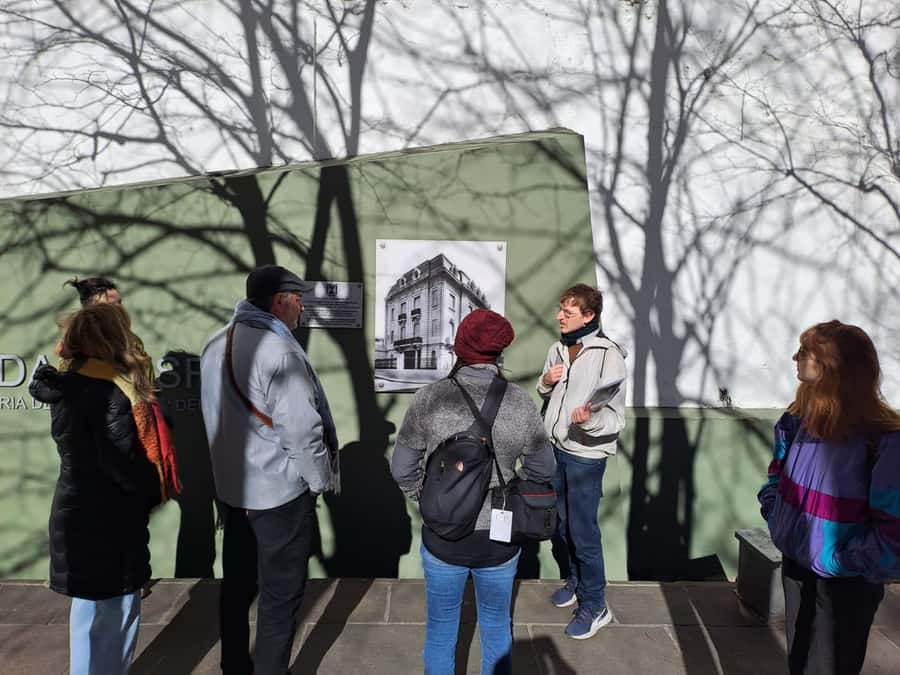
A five-minute break at a Carrefour Express appears midway through the walk. This is not a major sightseeing stop, but it is practical. You can use it to buy a drink or take a short pause before the final approach to the cemetery.
The route then continues to the Jockey Club, where the guide examines another institution associated with the city’s upper class. A club like this helps bring the social structure into focus. Wealth was not only visible in houses. It also operated through private associations, shared interests, and exclusive networks.
Palacio Duhau, now connected with the Park Hyatt Buenos Aires, receives about five minutes. It is a shorter stop, but it adds another example of grand residential architecture being given a newer role.
I find this contrast particularly useful. Buenos Aires preserves its grand past, but old palaces can become hotels, embassies, cultural spaces, or offices. That raises a practical question for the city: how do you keep historic buildings alive without turning them into empty stage sets?
Entering Recoleta Cemetery as a mirror of society
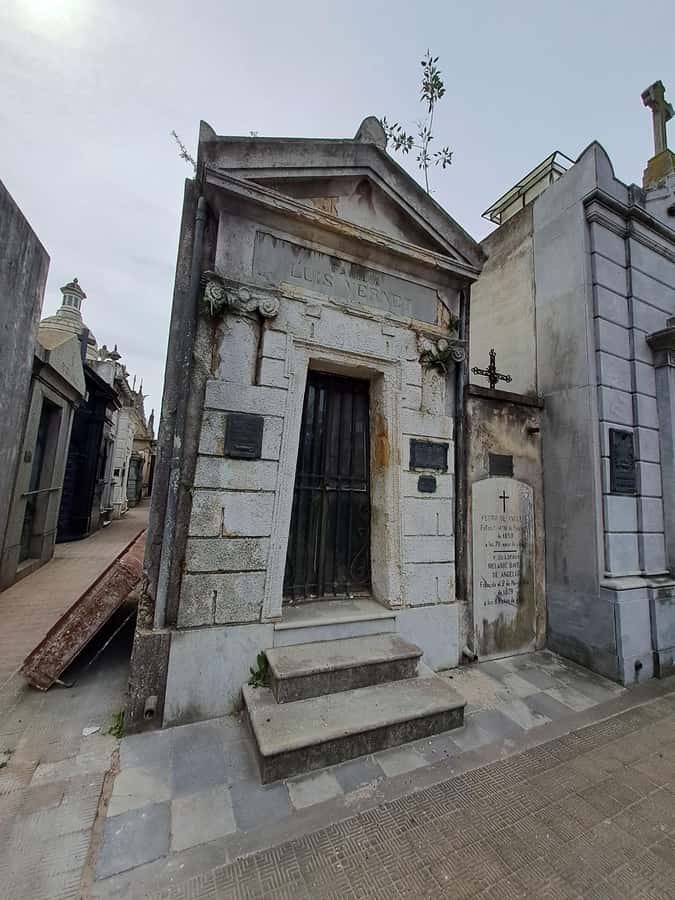
The final and longest stop is Recoleta Cemetery, with about 45 minutes of guided attention. Cemetery entry is optional, and the admission ticket is not part of the $34 tour price. You can buy it at the entrance or arrange it online in advance.
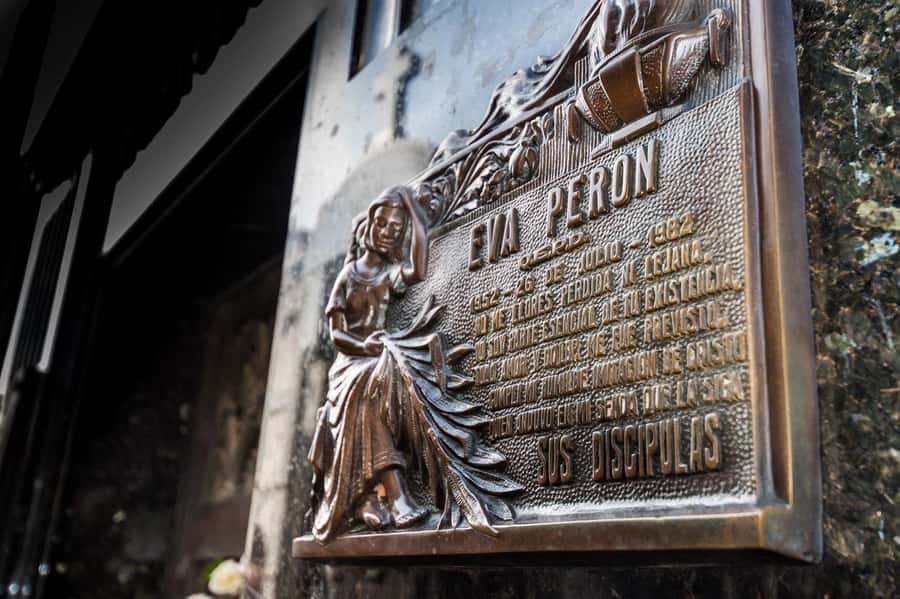
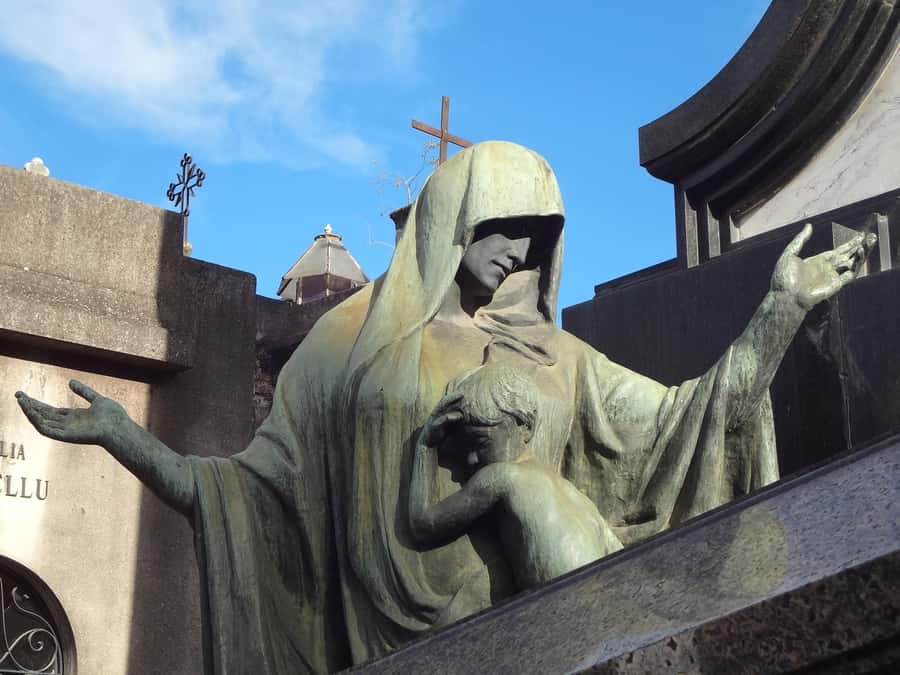
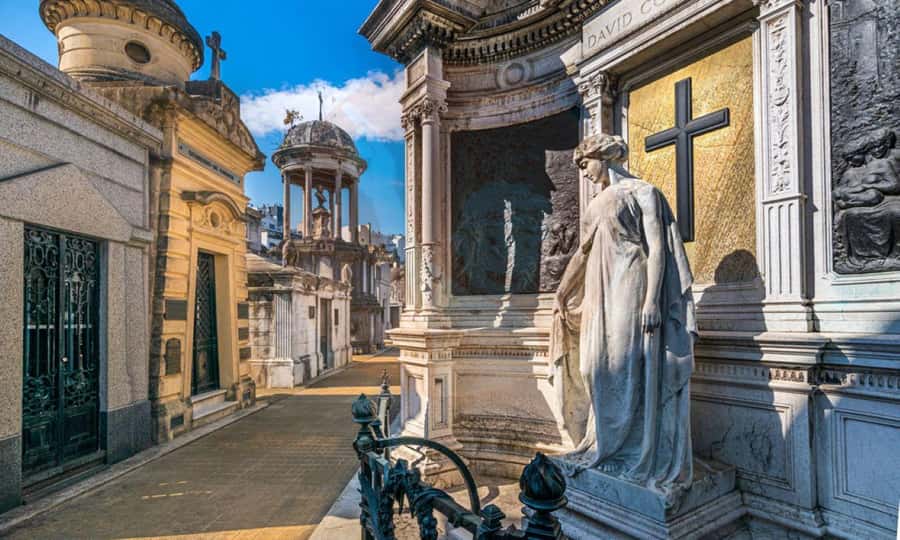
If you choose to enter, this is where the earlier discussion comes together. Recoleta Cemetery is not presented only as a place of famous tombs. It is treated as a mirror of Argentine society. The guide asks who is remembered, who is forgotten, and how social power continues after death.
You will learn about people buried there, but the larger value lies in the questions around them. Which families could afford imposing memorials? How did national politics shape public memory? Why do some names remain central to Argentina’s story while others fade?
The cemetery is also the clearest place to see Argentina’s old wealth made permanent in stone. Grand mausoleums turn private fortunes into public displays. They preserve family names, political identities, and claims to importance.
You should not expect to cover every corner in 45 minutes. Recoleta Cemetery rewards a slow visit, and the time here is better understood as a guided introduction. If the subject interests you, you may want to return on your own later.
The experience description says the cemetery visit is approached from an anthropological perspective. In plain terms, that means the guide looks at burial customs, social class, memory, and public identity, not just dates and famous residents. That approach can make the cemetery more meaningful than a simple list of notable graves.
Guides who make the discussion matter
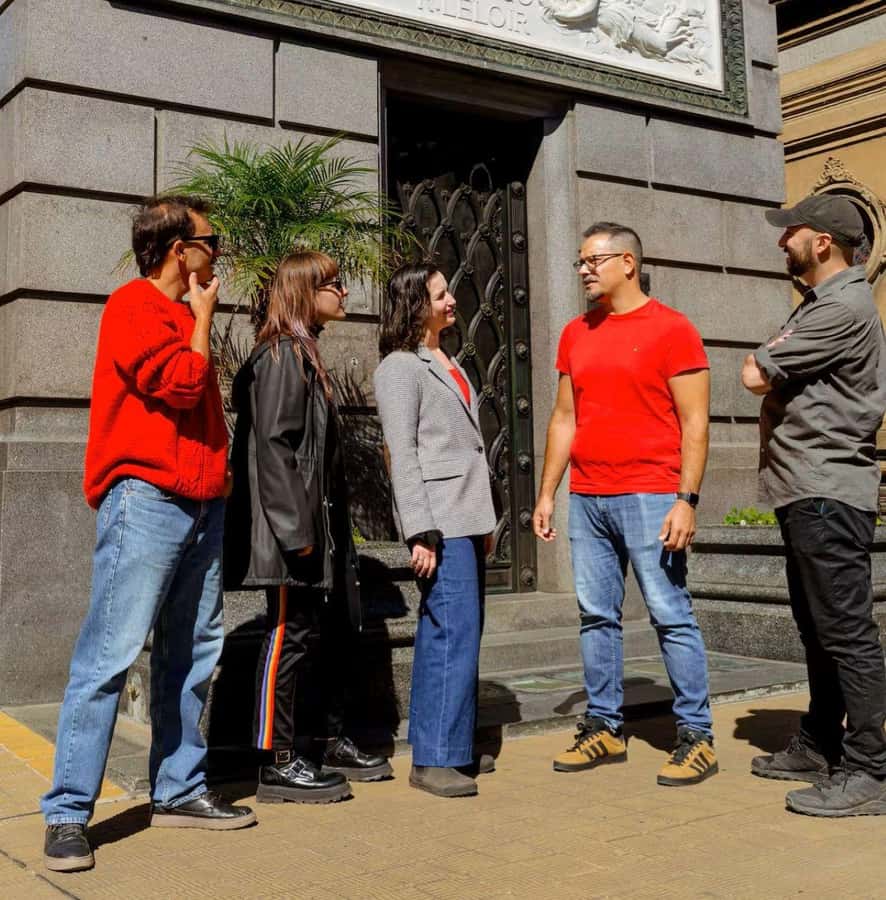
The guide is central to this experience. The tour is offered in Spanish, English, and French, and it includes a university-degree guide. Names associated with the experience include Nicolas, Nico, and Ignacio.
Nico and Nicolas receive especially strong praise for answering individual questions, adding local anecdotes, using humor, and allowing time to explore subjects that interest the group. Ignacio is also described as an excellent guide who helps visitors understand Buenos Aires through a wider historical view.
That matters because this walk depends on conversation. A guide who only recites dates would miss the point. You want someone who can explain why Argentina’s elite mattered, connect a building to a political or economic story, and respond when you ask a question that leads away from the standard route.
The exact guide may vary, so do not book on the assumption that one named person will lead your walk. Still, the consistent pattern is clear: the experience is designed around personal explanation and discussion rather than a fixed audio-guide style presentation.
What the $34 price gets you
At $34 per person, the main purchase is a 150-minute guided walk through one of Buenos Aires’s most important districts. The price includes the guide and the walking route, but not cemetery admission.
I consider the value strongest if you want context. You could walk past Plaza San Martín, the mansions, embassies, and Recoleta Cemetery on your own, but you would miss the connections between them. The tour turns separate sights into one argument about power, ambition, wealth, and memory.
The value is also better for people who use the guide actively. Ask about the elite, Argentina’s lost potential as a world power, the city’s European image, or the people buried in Recoleta. If you prefer to take photographs quietly and keep moving, part of what you are paying for will go unused.
The extra cemetery ticket should be part of your budget. Since entry is optional, the walk remains flexible, but most people interested in the cemetery’s stories will probably want to go inside.
Timing, pace, and access
The full experience lasts 150 minutes. The route includes several ten-minute stops, a five-minute break, and about 45 minutes at the cemetery. Since the tour moves through a number of locations, you should wear comfortable shoes and be prepared for a sustained city walk.
Private and small-group formats are available. I would choose a small group if you want a balance between conversation and cost. A private walk makes more sense if you have a strong interest in architecture, Argentine politics, cemetery symbolism, or the history of the country’s landowning class.
The experience is listed as wheelchair accessible. Because the tour is a walking route with several outdoor stops, it is sensible to confirm current route conditions when booking if you have specific mobility needs.
Free cancellation is available up to 24 hours before the start, and you can reserve now and pay later. Those policies are useful if your Buenos Aires schedule is still changing.
Who will enjoy this walk most
I would recommend this tour to you if you want to understand Buenos Aires rather than simply collect landmark photographs. It suits people who enjoy history with a social question attached, such as why a city looks the way it does and who had the power to shape it.
It is also a good choice early in your stay. The walk gives you a framework for seeing Recoleta, the city’s grand architecture, and Argentina’s political story. Once you understand the contrast between immense wealth and national disappointment, later sightseeing becomes easier to place.
You may want something else if you prefer a slow cemetery-only tour, a food walk, or an interior visit to historic palaces. Several stops are brief, and the emphasis is on discussion rather than lengthy access to buildings.
Should you book Recoleta and Cemetery for curious people?
Book it if you want a thoughtful introduction to Buenos Aires’s upper-class districts and the forces behind Argentina’s grand national image. I especially like the route’s combination of public squares, private mansions, diplomatic buildings, elite institutions, and cemetery memorials.
The best reason to choose it is the guide-led conversation. Nicolas, Nico, or Ignacio may add the humor and side stories that turn a formal history lesson into a memorable walk, though the assigned guide can vary. Just remember that the cemetery ticket costs extra and that the pace involves substantial walking.
If you want more than famous names and ornate façades, this is a strong value at $34. If you mainly want unhurried sightseeing, spend your money on the cemetery admission and explore at your own pace instead.
FAQ
Where does the tour begin?
The meeting point is the Rapa Nui store in Buenos Aires.
How long does the experience last?
The guided walk lasts 150 minutes, or two and a half hours.
Is entry to Recoleta Cemetery included?
No. Cemetery entry is optional, and the ticket must be purchased separately at the entrance or online in advance.
What languages are available?
The tour is offered in Spanish, English, and French.
Is this a private tour or a group tour?
Private and small-group options are available.
Is the walking tour wheelchair accessible?
Yes, the experience is listed as wheelchair accessible.
Can I cancel or pay later?
You can cancel up to 24 hours in advance for a full refund. You can also reserve now and pay later.
Just added around Buenos Aires
- Wine Tasting in Buenos Aires★ 4.2 · 4 reviews
- Tango Show at El Querandi with optional Dinner★ 4.2 · 3 reviews
- Walking Tour: Buenos Aires bookstores★ 4.3 · 12 reviews
- Velez Sarsfield Football Match★ 5.0 · 3 reviews
- Unique Tigre and Delta Private Day Cruise Navegation★ 5.0 · 3 reviews
- Tour Buenos Aires in one day on Electric Scooters★ 5.0 · 33 reviews
- Private Underground Tango Immersion★ 5.0 · 31 reviews
- Experience The Essence of Buenos Aires in San Telmo★ 5.0 · 51 reviews
Recoleta Cemetery Tours, compared.

Buenos Aires Bike Tour: North Districts, Recoleta and Palermo
Read our review →
Recoleta Cemetery – Small Group Tour of History & Secrets
Read our review →
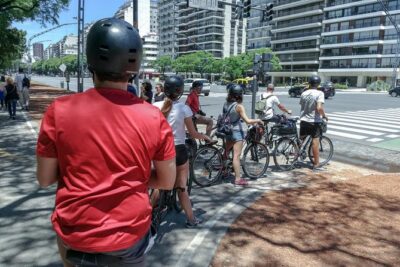
Cultural Experience by Bike around Palermo and Recoleta Max 6 ppl
Read our review →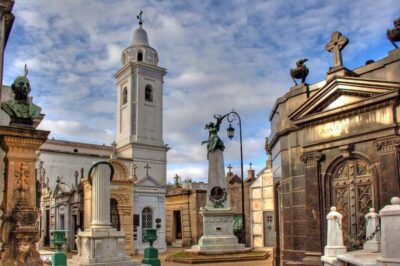
Full Day City Tour Buenos Aires, Recoleta Cemetery and Tigre
Read our review →Browse the lists this tour appears in