

Reviewed · PALERMO NEIGHBOURHOOD TOURS
BA: Empanadas and Alfajores Cooking Experience in Palermo
Argentine food culture comes together in two small packages here: hand-folded empanadas and dulce de leche alfajores. You chop, cook, fill, shape, bake, and eat, while a local host explains why different fillings call for different empanada folds. It is a friendly way to learn some Buenos Aires food traditions without giving up half your day.
I like the small maximum of 10 people, which gives the class a more personal feel, and I like that vegetarian or vegan participants are not treated as an afterthought. Children can join in, too. The main thing to consider is that the cooking may be more guided assembly than a full from-scratch culinary course, and one less-positive account found that participation was uneven.
In This Review
- Key things to know before booking
- Palermo cooking with empanadas at the center
- Meat, lentil, and vegan fillings
- Alfajores, dulce de leche, and fragile cookies
- Local stories, mate, and the human side of the class
- What you actually eat and how much you cook
- Why the $49 price can make sense
- Timing, location, and planning your afternoon
- Who will enjoy this Buenos Aires food experience
- My call: book it for culture, not culinary perfection
- FAQ
- How long does the empanada and alfajor class last?
- Where does the cooking experience start?
- Does the activity end at the same place?
- How many people can join the class?
- Are vegan or vegetarian options available?
- Is mate included?
- What is included in the price?
- Can I cancel for a full refund?
Key things to know before booking
- Empanada folds carry meaning: You may learn that beef and lentil empanadas use different shapes, helping you identify the filling later.
- Vegan and meat choices are available: The class can suit mixed groups, including families with different diets.
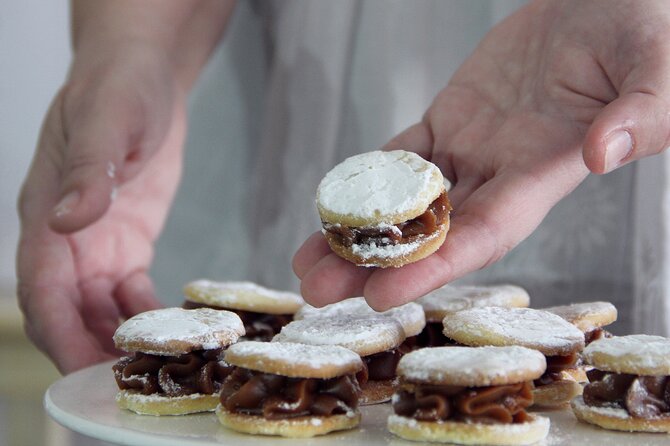
- Alfajores are delicate: Handle the cookies gently when adding dulce de leche and coconut.
- The class stays intimate: The maximum is 10 people, making conversation and questions easier.
- Recipes are sent afterward: You can recreate the empanadas and alfajores at home.
- Mate is part of the cultural lesson: Coffee or tea is included, with mate described as Argentina’s signature infusion.
Palermo cooking with empanadas at the center
The class begins at Gorriti 4882 in Palermo, a neighborhood that makes a useful base for a food-focused afternoon. You meet the host there and finish at the same address, so there is no complicated transfer between kitchens or restaurants.
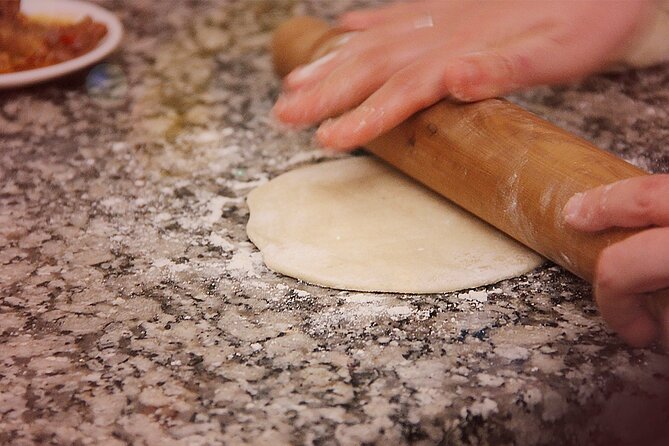
Your first task is empanadas, one of Argentina’s defining foods. The class covers the filling, the dough or shells, and the folding technique. Depending on the session, you may chop vegetables and meat, cook the filling briefly on the stovetop, roll dough, and fill the pastries. Some preparation is done ahead of time, so the class keeps moving within its roughly two-and-a-half-hour schedule.
That last point matters. If you want a serious pastry course where you make every component from raw ingredients, this may feel light. Several parts can be prepared in advance, and one account described the work as mostly chopping, a quick stovetop step, and filling premade shells. For most people, though, this is a sensible trade: you get to eat the finished food without spending the entire afternoon waiting for dough and filling to cool.
The useful part is the folding. Empanadas are not just sealed pockets with a decorative edge. The shape can indicate what is inside, and the class may show you how beef and lentil versions are folded differently. That is the sort of small local detail you are unlikely to pick up from a recipe alone.
More palermo neighbourhood tours in Buenos Aires:
- Palermo: Graffiti and Street Art Guided Tour in English
★ 4.8 · 684 reviews - Buenos Aires: Empanada & Alfajor Cooking Lesson in Palermo
★ 4.6 · 186 reviews - Buenos Aires Bike Tour: North Districts, Recoleta and Palermo
★ 4.5 · 91 reviews
Meat, lentil, and vegan fillings
The experience is set up for mixed groups. Meat eaters can prepare a traditional beef filling, while vegetarian or vegan participants can receive a lentil option. This makes the class practical for families and groups where everyone does not eat the same way.
You should still state your dietary preference when booking or before the class begins. The information confirms meat and vegan choices, but it does not spell out every ingredient or allergy procedure. If you have a serious allergy, ask the operator directly rather than relying on the general menu description.
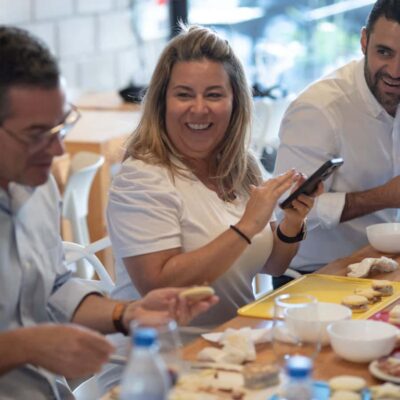
The filling work is also where the class can become social. You are likely to share a workspace with people from different places, compare folds, and talk while the empanadas cook. A small group of up to 10 is large enough for a bit of conversation but small enough that the host can offer individual help.
Families should note the knife work. Children can take part, and the class has been a good fit for youngsters around 10 and 13, but chopping meat and vegetables involves sharp tools. Younger children will need close help from an adult, and children who prefer to watch may find the hands-on portions short.
Alfajores, dulce de leche, and fragile cookies
Once the empanada filling is underway, attention turns to alfajores. These beloved Argentine cookies are assembled with creamy dulce de leche, then finished with coconut according to the preparation described by participants.
The process gives you a nice change of pace. Empanadas are savory and practical, while alfajores are small, sweet, and a little fussy. You mix, bake, and assemble the cookies, then spread on the dulce de leche and add the finishing touch.
Take care here. The cookies can be fragile, so use a light hand when pressing them together. This is a small but useful lesson: too much force can crack the biscuit and squeeze out the filling. The class may also allow different shapes, which adds a playful touch for children and anyone who enjoys making food look presentable.
The alfajores are not only dessert. They connect the cooking session to Argentina’s everyday café and family food culture. Dulce de leche appears again and again in Argentine sweets, and making the cookies yourself gives you a better sense of its role than simply ordering one from a bakery.
Local stories, mate, and the human side of the class
The strongest part of this activity is not the recipe card. It is the chance to connect food with family customs and local habits.
Hosts have included Tomas, Thomas, Carolina, Catalina, and Chef Valentino. The host may vary, but the format calls for a native Buenos Aires guide who explains the food and its place in Argentine culture. Some sessions have included stories about learning these dishes at a grandmother’s kitchen table, along with small family rules such as whistling while working so nobody sneaked bites of filling.
Those details make the class feel less like a demonstration and more like a shared kitchen lesson. A recipe tells you how much onion to use. A local host can explain how the dish is folded, served, remembered, and adapted.
Mate is included as the traditional infusion. You may also receive coffee or tea, and several sessions included wine while the group cooked and ate. Since the formal inclusions specify mate, coffee, and/or tea rather than wine, do not book this expecting wine unless the operator confirms it for your date.
The hosts are often praised for patience, warmth, and clear instruction. That is especially valuable if you are a beginner. You do not need polished knife skills or previous baking experience to take part, though the amount of individual instruction can depend on the group and the host.
A few more Buenos Aires trips to weigh up
- Buenos Aires: Empanadas and Alfajores Guided Cooking Class
★ 4.8 · 486 reviews - Argentinian Empanadas Cooking Experience in Palermo, Bs As
★ 4.8 · 50 reviews - Private Argentine Cooking Class and Tango Lesson in Buenos Aires
★ 5.0 · 37 reviews - Premium Empanadas Cooking Class & Wine Tasting Experience
★ 4.9 · 35 reviews
What you actually eat and how much you cook
This is a cooking-and-eating activity, but it is not designed as an advanced professional lesson. You should expect a guided, beginner-friendly class with some work done for you before the session.
The usual rhythm is:
- Prepare or help prepare the empanada filling.
- Chop ingredients and cook them briefly.
- Learn how to fill and fold the empanadas.
- Prepare or assemble the alfajores.
- Bake or finish the food.
- Sit down to eat what you made while talking with the group.
The balance between watching and doing is the main variable. Many people find the level just right because it is relaxed and approachable. One less-satisfied participant felt that only one person did most of the work, so if you want constant hands-on time for every member of your party, ask how tasks are shared at the start.
The food itself has earned strong praise overall, especially the empanadas and alfajores made with Tomas or other named hosts. Still, two less-positive accounts found the flavors plain or disappointing. That suggests you should think of this as a cultural cooking session first, not a guaranteed gourmet meal. Your enjoyment will depend partly on your expectations and partly on the host leading that particular class.
Why the $49 price can make sense
At $49 per person, the value comes from more than the food. The price includes the empanada ingredients, alfajores ingredients, cooking tools, a professional native host, and coffee or tea with mate. You also receive the recipes afterward, sent through WhatsApp according to the experience details.
A restaurant meal might cost less, especially if you order only one empanada and a sweet. It would not give you the folding lesson, the cultural background, the group conversation, or the ability to repeat the dishes at home. For a first visit to Buenos Aires, that extra context is the real reason to consider the price fair.
The value is strongest if you enjoy eating food you helped prepare. It is also useful for families, because the activity occupies a manageable two and a half hours and gives children something concrete to do. A solo participant can fit in easily, and the small group makes it easier to meet people without committing to a full-day excursion.
I would be more cautious if your priority is maximum culinary technique. The class may use premade empanada shells and preprepared ingredients, and the recipes may be simple. You are paying for access to local instruction and a pleasant shared meal, not for restaurant-chef certification.
Timing, location, and planning your afternoon
The meeting point is Gorriti 4882, C1414BJN, in Buenos Aires. It is near public transportation, but transport to and from the activity is not included. Plan your own route and allow enough time to reach Palermo without arriving rushed.
The class lasts about two hours and 30 minutes. That is long enough for two dishes and conversation, but short enough to combine with other Palermo plans. Avoid placing a tightly timed attraction immediately afterward. Cooking times, group questions, and the final meal can stretch the schedule a little.
Demand appears steady, with bookings made an average of 37 days ahead. You do not necessarily need to reserve that far in advance, but it is sensible to plan early if you need a particular date, especially for a family or a group of 10.
The activity ends back at the starting point. You can then continue exploring Palermo on your own, although no specific follow-up route or neighborhood stop is included. Tips are not included, so bring a little extra if you feel the host gave you a good lesson.
Free cancellation is available if you cancel at least 24 hours before the local start time. Cancellations or changes made inside that window are not accepted for a refund. One reported cancellation problem makes it wise to keep your booking confirmation and contact the operator promptly if the schedule changes.
Who will enjoy this Buenos Aires food experience
I would recommend this class most strongly to:
- Families with children who enjoy making and eating food.
- Couples looking for a relaxed cultural activity.
- Solo visitors who want an easy way to meet others.
- First-time cooks who want clear, forgiving instruction.
- Mixed-diet groups that need meat and vegan options.
- Food lovers who want recipes they can use after the trip.
It is less suited to you if you want a long, technical course with every ingredient made from scratch. It may also disappoint if you dislike group activities or prefer to watch a chef rather than work alongside other people.
The class works particularly well early in a Buenos Aires stay. You learn what an empanada should taste like, how locals fold one, and why dulce de leche appears in so many Argentine sweets. Later, you can use that knowledge when ordering food around the city.
My call: book it for culture, not culinary perfection
The 4.9 rating from 112 reviews and 96 percent recommendation point to a consistently popular experience, and I can see why. The best elements are clear: friendly local hosts, delicious empanadas, playful alfajores, a small group, and recipes you can take home.
I would book it if you want a warm introduction to Argentine food and a useful family activity in Palermo. Choose it especially if your group includes vegetarians or beginners. I would skip it only if you require a fully from-scratch course, strict control over every ingredient, or a polished fine-dining result.
Bring curiosity, a light touch for the alfajores, and enough time to enjoy the conversation. The finished food is a bonus. The lasting souvenir is knowing how to fold an empanada properly and having a recipe you can make for friends after Buenos Aires.
FAQ
How long does the empanada and alfajor class last?
The experience lasts approximately two hours and 30 minutes.
Where does the cooking experience start?
It starts at Gorriti 4882, C1414BJN, in Buenos Aires, Argentina.
Does the activity end at the same place?
Yes. The activity ends back at the meeting point.
How many people can join the class?
The maximum group size is 10 participants.
Are vegan or vegetarian options available?
Yes. Meat and vegan empanada options are available. Ask about your dietary needs when booking.
Is mate included?
Yes. Mate is included, along with coffee and/or tea. The formal inclusions do not guarantee wine, although some sessions have offered it.
What is included in the price?
The $49 price includes empanada ingredients, alfajor ingredients, cooking tools, a professional native host, and coffee and/or tea with mate. Transportation and tips are not included.
Can I cancel for a full refund?
Yes, if you cancel at least 24 hours before the experience start time. Cancellations or changes made less than 24 hours in advance are not accepted for a refund.
Just added around Buenos Aires
- Tango Show at El Querandi with optional Dinner★ 4.2 · 3 reviews
- Wine Tasting in Buenos Aires★ 4.2 · 4 reviews
- Walking Tour: Buenos Aires bookstores★ 4.3 · 12 reviews
- Velez Sarsfield Football Match★ 5.0 · 3 reviews
- Unique Tigre and Delta Private Day Cruise Navegation★ 5.0 · 3 reviews
- Private Underground Tango Immersion★ 5.0 · 31 reviews
- Tour Buenos Aires in one day on Electric Scooters★ 5.0 · 33 reviews
- Transfers from or to the airport In Argentina Your Best Choice★ 5.0 · 28 reviews
Palermo Neighbourhood Tours, compared.
Buenos Aires Bike Tour: North Districts, Recoleta and Palermo
Read our review →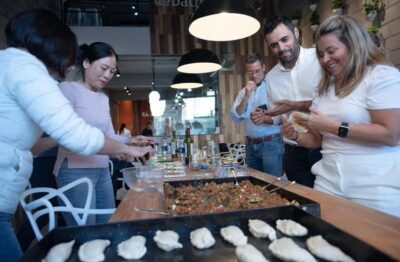
Argentinian Empanadas Cooking Experience in Palermo, Bs As
Read our review →
Cultural Experience by Bike around Palermo and Recoleta Max 6 ppl
Read our review →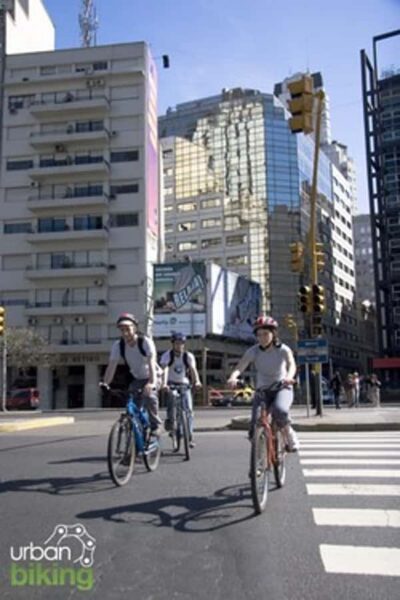
Browse the lists this tour appears in