
Reviewed · COOKING CLASSES
Buenos Aires: Empanadas and Alfajores Guided Cooking Class
Argentina’s best food lessons often begin at a family table, not in a polished cooking school. This three-hour class brings you into a real Buenos Aires home, where you make empanadas from dough to repulgue, prepare dulce de leche alfajores, and learn the customs around mate.
I like the small group of up to eight, which gives the class a friendly, social feel without turning it into a show. I also like the generous meal at the end: you eat what you make, with water and mate included. The main drawback is that the instructions may feel a little quick if you are new to cooking, and some people have found it less easy to see demonstrations from the far end of the table.
In This Review
- Key points at a glance
- Entering a Buenos Aires home in San Telmo
- Meeting the hosts and settling in
- Making empanadas from dough to repulgue
- Learning the Argentine mate ritual
- Preparing cornstarch alfajores with dulce de leche
- Sitting down to eat what you made
- What the $37 price really includes
- Who will enjoy this class most
- A few practical tips before you go
- Should you book the Buenos Aires empanada class?
- FAQ
- Where does the cooking class meet?
- How long does the experience last?
- How much does it cost?
- What food will I make?
- Will I learn how to prepare mate?
- Are vegetarian fillings available?
- Is a meal included?
- Is wine included?
- What languages are offered?
- How many people are in the group?
- Is the class wheelchair accessible?
- Can I cancel for a full refund?
Key points at a glance
- A real home in San Telmo: Ring the bell at Paseo Colón 1355 and enter a local household rather than a formal culinary studio.
- Three Argentine staples: Prepare savory empanadas, cornstarch alfajores filled with dulce de leche, and mate.
- Hands-on from start to finish: You work with dough, fillings, shaping, sealing, and dessert ingredients instead of simply watching.
- A small, mixed group: With no more than eight participants, conversation comes naturally and the hosts can offer individual help.
- Vegetarian options are available: The class includes both a classic meat filling and vegetarian alternatives.
- A useful price: At $37 per person, the class includes ingredients, instruction, mate, water, and a full meal.
Entering a Buenos Aires home in San Telmo
The meeting point is Paseo Colón 1355 in San Telmo. Arrive at the stated start time and ring the bell. That simple instruction matters because this is a private home experience, not a restaurant with a prominent tour desk or street-side sign.
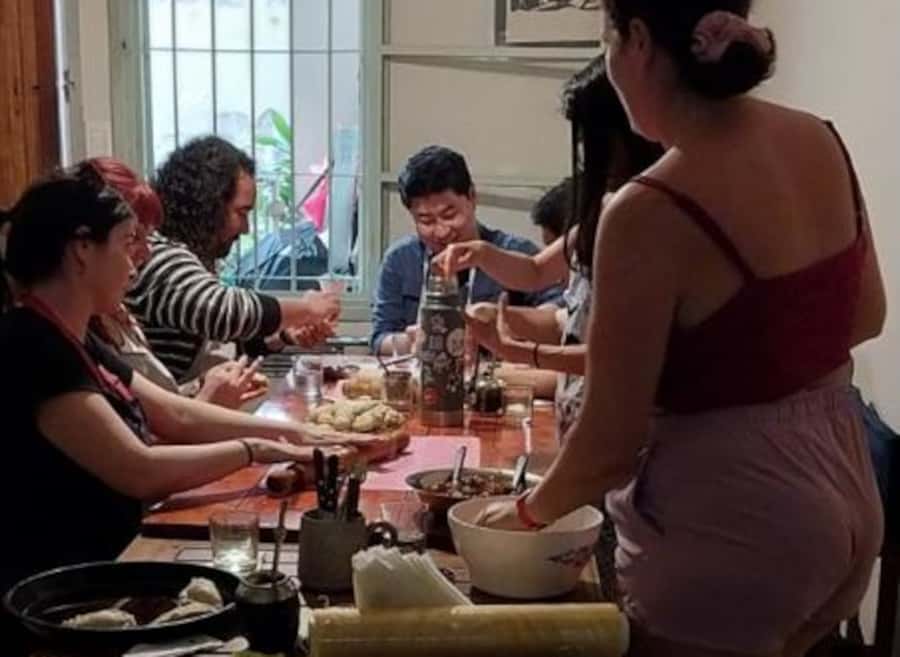
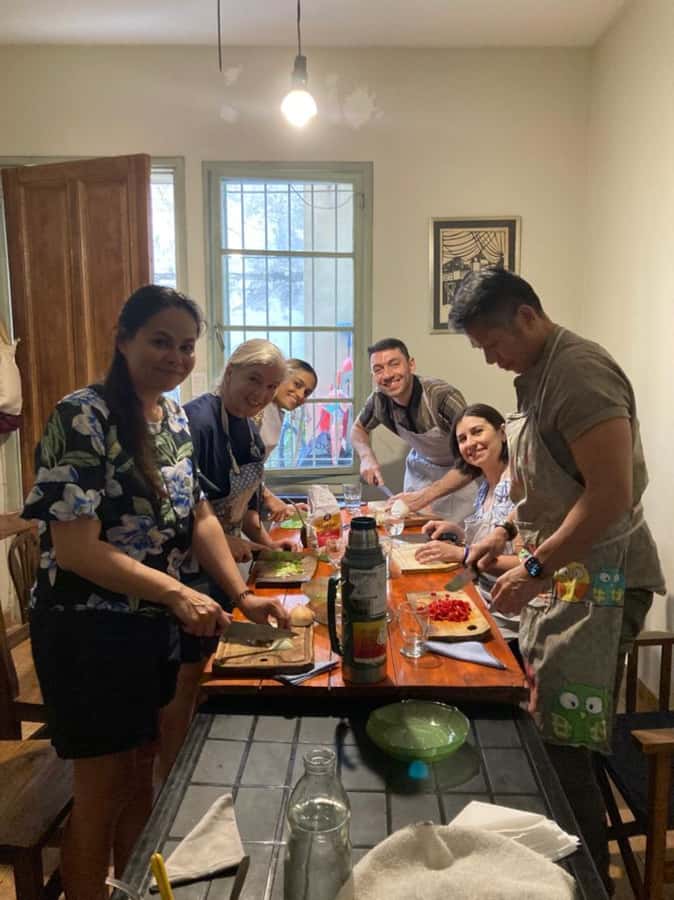
The setting is part of the appeal. You are not just learning a recipe. You are being welcomed into an Argentine household, with the hosts supplying the kitchen, equipment, family atmosphere, and conversation. One participant described the house as more than a century old, adding a sense of place that a standard classroom cannot easily copy.
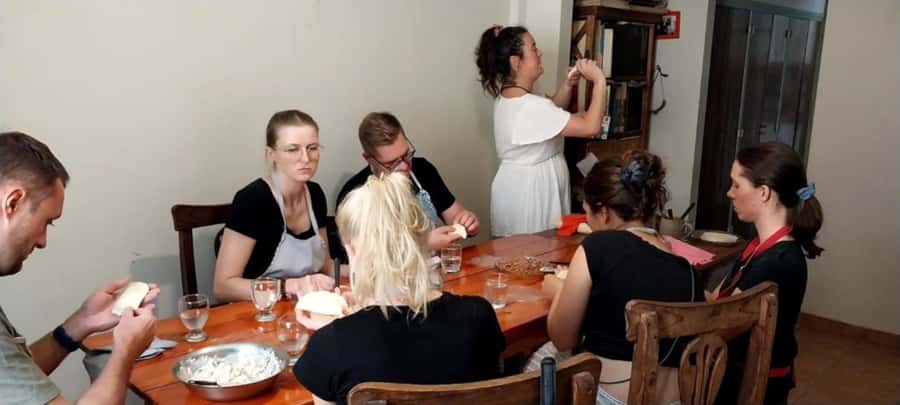
The space is cozy and personal. That helps the class feel relaxed, but it can also create a few practical limits. A table shared by eight people is social and friendly, though anyone sitting at the end may need to lean in or move closer when the instructor demonstrates a technique. If seeing every step clearly is important to you, choose a seat with a direct view of the work area when you arrive.
The hosts have included families, couples, solo visitors, and teenagers. The activity worked well for a 12-year-old, a 14-year-old, and a 16-year-old in separate family visits, so this is not an adults-only food lesson. Children should be comfortable following instructions and working at a shared table, but the hands-on format gives them a real role.
A few more Buenos Aires trips to weigh up
- Buenos Aires: Empanada & Alfajor Cooking Lesson in Palermo
★ 4.6 · 186 reviews - BA: Empanadas and Alfajores Cooking Experience in Palermo
★ 5.0 · 112 reviews - Argentinian Empanadas Cooking Experience in Palermo, Bs As
★ 4.8 · 50 reviews
Meeting the hosts and settling in
The class is offered in English and Portuguese. Several sessions have been led by Thomas or Sophia, while Maria and Stella have also been part of the welcoming host team. The exact person leading your class can vary, but the format remains centered on personal instruction and conversation.
I like the way the class uses food as a starting point for wider questions about Argentina. The hosts explain not only what to do with the ingredients, but also why empanadas, alfajores, and mate matter in local life. You may hear about Argentine customs, Buenos Aires, family food traditions, and the way people share meals.
This social element is one of the strongest reasons to book. People arrive as strangers, then work beside one another, pass ingredients around, compare folded dough, and sit down to eat together. The group may include people from several countries, which makes the meal feel like a small international table inside Buenos Aires.
One minor improvement would be a quick introduction from each participant at the beginning. That would make it easier to remember names and start conversations. Still, the cooking itself breaks the ice quickly, especially when everyone is trying to form a neat repulgue.
Making empanadas from dough to repulgue
Empanadas are the main event. In Argentina, these filled pastries can appear at almost any time of day. The dough may be baked or fried, and fillings can include meat, ham and cheese, vegetables, or other combinations.
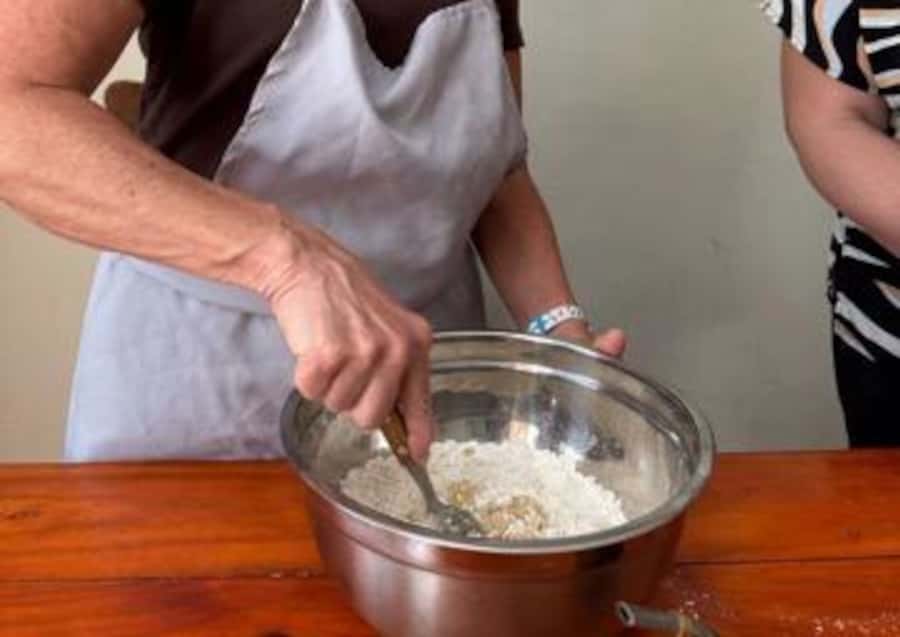
Here, you receive step-by-step help with the dough and filling before shaping your own pastries. The process gives you more than a taste of Argentine food. It shows you how much depends on texture, portion size, and the final seal.
The repulgue is the decorative folded edge that closes the empanada. It is also the part most likely to expose a beginner. Seal it too loosely and the filling may escape. Fold it neatly and you have made one of the clearest visual marks of an Argentine empanada.
The class includes a traditional meat filling, and vegetarian alternatives are available. That is useful for mixed groups, since nobody needs to sit out while the rest of the table cooks. One point to consider is variety: some sessions have used the same meat filling more than once instead of offering two different savory choices. If tasting several fillings is your main goal, ask the host what the class will prepare.
The cooking is practical rather than precious. You do not need to make every fold perfect. The point is to learn the method, take part, and enjoy the result. Still, pay close attention during the demonstration, especially if you have little kitchen experience. Instructions may feel less clear when several people are working at once.
Learning the Argentine mate ritual
Mate is more than a hot herbal drink. It is a daily Argentine custom tied to sharing, conversation, and hospitality. The class shows you the traditional way to prepare and drink it, giving the meal a cultural layer that a simple tasting would miss.
You learn how the herbs are arranged and how the drink is prepared before sharing it in the customary style. This is a small part of the evening, but it helps explain why mate is such a familiar sight in Argentina and why offering it can be an act of welcome.
I especially like this inclusion because it turns a common drink into a social practice. You are not simply handed a cup and told what it is. You take part in the ritual, then continue talking while the food comes together.
The details of the mate process can be unfamiliar at first, so do not worry about getting everything right immediately. Watch the host, ask questions, and treat it as part of the cultural lesson rather than a technical test.
Same city, a completely different kind of day:
- Buenos Aires Hop-On Hop-Off Bus, Free Walking Tours & Discounts
★ 4.5 · 2,218 reviews - Buenos Aires: Piazzolla Tango Show with Optional Dinner
★ 4.4 · 2,122 reviews - Buenos Aires: City Highlights Guided Tour with Transfer
★ 4.7 · 1,946 reviews - Buenos Aires: Hop-On Hop-Off City Bus Tour
★ 4.2 · 1,855 reviews
Preparing cornstarch alfajores with dulce de leche
After the savory work comes dessert. Alfajores are one of Argentina’s best-known sweet treats, and this class focuses on a tender version made with cornstarch and a creamy dulce de leche filling.
You prepare the cookie mixture, shape the pieces, and assemble them with the filling. The finished pastry is soft, sweet, and rich, so it provides a satisfying contrast to the savory empanadas.
This is also a good second recipe to take home. Empanadas teach you about dough, filling, and sealing. Alfajores add a different set of skills, including working with a delicate cookie and using dulce de leche as the central flavor. You leave with a broader picture of Argentine home cooking than you would get from making only one dish.
The class lets you eat the results, and portions are described as generous. Some people have even had empanadas left over to take away. That makes the experience feel like a meal, not just a demonstration followed by a small sample.
Sitting down to eat what you made
The final meal is where the class pays off. You sit with the hosts and the rest of the group, eat the empanadas and alfajores, drink mate, and continue the conversation. Water is included, while wine is available to buy if you want something else with dinner.
I value this ending because it gives the recipes context. Food tastes different when you have mixed the dough, filled the pastry, and tried to make the decorative seal yourself. You also have time to ask follow-up questions and compare how each person approached the same task.
The meal is informal. You may eat from napkins rather than small plates, which one participant found less convenient. That is not a major issue, but anyone expecting restaurant-style table service should adjust expectations. This is a home kitchen and a shared cooking session, not a formal dinner.
The hosts keep the atmosphere warm and easygoing. Thomas has been praised for combining clear ability with a good sense of humor, while Sophia has been described as patient, engaging, and well informed about Buenos Aires and Argentine traditions. The emphasis is on participation, not perfection.
What the $37 price really includes
At $37 per person, this is strong value if you want both a meal and a cultural activity. The fee covers the cooking class, all ingredients, mate, water, and the food you prepare. Wine costs extra, but you are not required to buy it.
A Buenos Aires food tour can give you several tastings in a short time. This class offers something different: three hours of instruction, a meal, and direct contact with local hosts. You also gain recipes and techniques you can try at home, though make sure you receive the recipes before leaving.
That last point is worth taking seriously. Some participants received recipes afterward, but the process was not always automatic. One person had to follow the guide on Instagram and ask directly. I would confirm the recipe arrangement during the class and check that you have the details before you say goodbye.
The value is strongest for anyone who enjoys meeting people and learning by doing. If you only want to eat empanadas, a neighborhood restaurant will be faster. If you want an evening activity that combines food, conversation, and local customs, $37 is a fair price.
Who will enjoy this class most
I would choose this for:
- Couples looking for a relaxed evening activity
- Solo visitors who want an easy way to meet people
- Families with older children or teenagers
- Home cooks who want recipes they can repeat
- Anyone curious about mate and Argentine food customs
- People who prefer a local home to a commercial cooking studio
It is especially useful early in your Buenos Aires stay. Once you know how empanadas and alfajores fit into local food culture, you may notice them differently in bakeries, cafés, markets, and restaurants.
You should think twice if you dislike group activities, need a quiet private lesson, or want a wide choice of empanada fillings. The group is small, but it is still a group. You will share equipment, work around one table, and eat at a casual household setting.
The class is wheelchair accessible. Instruction is available in English and Portuguese, which helps if you need detailed guidance with the dough and shaping. The three-hour length is long enough to feel substantial without taking an entire day.
A few practical tips before you go
Arrive at Paseo Colón 1355 at the start time and ring the bell. Since the class takes place in a home, do not expect a large sign or a standard reception desk.
Keep your hands free for cooking and allow room for food. You will be making several items and eating a full meal, so avoid planning another large dinner immediately afterward.
If you are vegetarian, mention it when booking or at the start. Vegetarian fillings are available, alongside the classic meat option.
Ask where to stand or sit during the demonstrations. The table can make it harder to see from one end, and moving closer for key steps will help you follow the dough work and repulgue.
Finally, confirm how you will receive the recipes. Having the instructions in hand turns a pleasant evening into a skill you can use after Argentina.
Should you book the Buenos Aires empanada class?
I would book it if you want a personal, social introduction to Argentine food rather than a quick tasting. The home setting, small group, mate ritual, hands-on cooking, and generous meal give the three hours a clear sense of purpose.
The class is not flawless. Demonstrations may be harder to see from some seats, novice cooks may want slower instructions, and filling choices can be limited. The recipe handoff also deserves a quick check before you leave.
Those are manageable concerns at $37, especially when ingredients, instruction, mate, water, and dinner are included. Choose this experience for the people, the setting, and the chance to make food with your own hands. Skip it only if you want a polished restaurant-style event or a private lesson focused on advanced technique.
FAQ
Where does the cooking class meet?
Meet at Paseo Colón 1355 in San Telmo, Buenos Aires, at the scheduled starting time. Ring the bell when you arrive.
How long does the experience last?
The cooking class lasts three hours.
How much does it cost?
The listed price is $37 per person.
What food will I make?
You will prepare Argentine empanadas with savory fillings and alfajores made with cornstarch and dulce de leche.
Will I learn how to prepare mate?
Yes. The class includes instruction in the traditional method of preparing and drinking mate.
Are vegetarian fillings available?
Yes. Vegetarian alternatives are available alongside a classic meat filling.
Is a meal included?
Yes. The ingredients, mate, water, and meal are included in the price.
Is wine included?
No. Wine is not included, but it is available for purchase.
What languages are offered?
The class is offered in English and Portuguese.
How many people are in the group?
The group is limited to eight participants.
Is the class wheelchair accessible?
Yes, the activity is wheelchair accessible.
Can I cancel for a full refund?
You can cancel up to 24 hours in advance for a full refund.
Just added around Buenos Aires
- Tango Show at El Querandi with optional Dinner★ 4.2 · 3 reviews
- Wine Tasting in Buenos Aires★ 4.2 · 4 reviews
- Walking Tour: Buenos Aires bookstores★ 4.3 · 12 reviews
- Velez Sarsfield Football Match★ 5.0 · 3 reviews
- Unique Tigre and Delta Private Day Cruise Navegation★ 5.0 · 3 reviews
- Private Underground Tango Immersion★ 5.0 · 31 reviews
- Tour Buenos Aires in one day on Electric Scooters★ 5.0 · 33 reviews
- Transfers from or to the airport In Argentina Your Best Choice★ 5.0 · 28 reviews
Cooking Classes, compared.
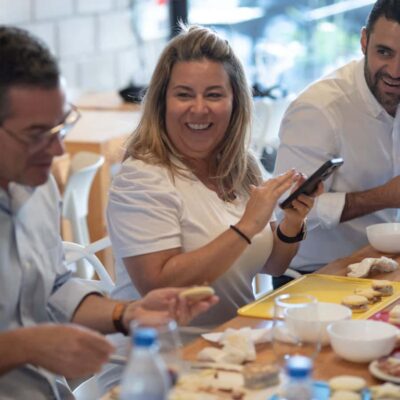

3h Cooking Class in Mendoza with 7 Recipes & Bottomless Drinks
Read our review →
BA: Empanadas and Alfajores Cooking Experience in Palermo
Read our review →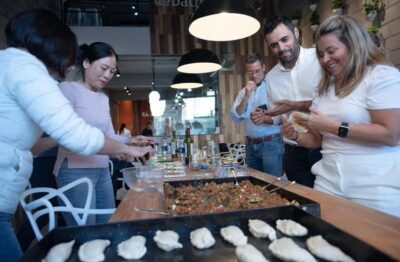
Argentinian Empanadas Cooking Experience in Palermo, Bs As
Read our review →
Private Argentine Cooking Class and Tango Lesson in Buenos Aires
Read our review →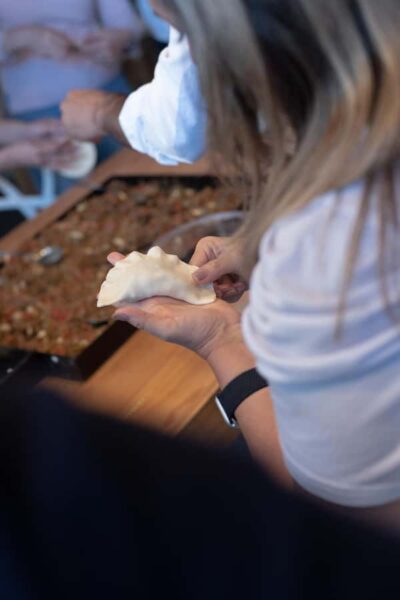
Premium Empanadas Cooking Class & Wine Tasting Experience
Read our review →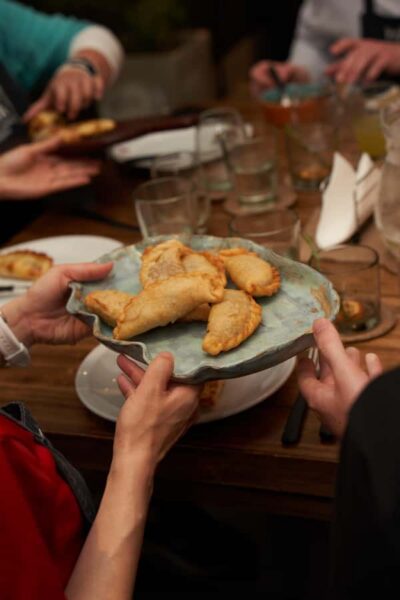
Pachamama – Argentine Cooking Experience in Buenos Aires
Read our review →Browse the lists this tour appears in