
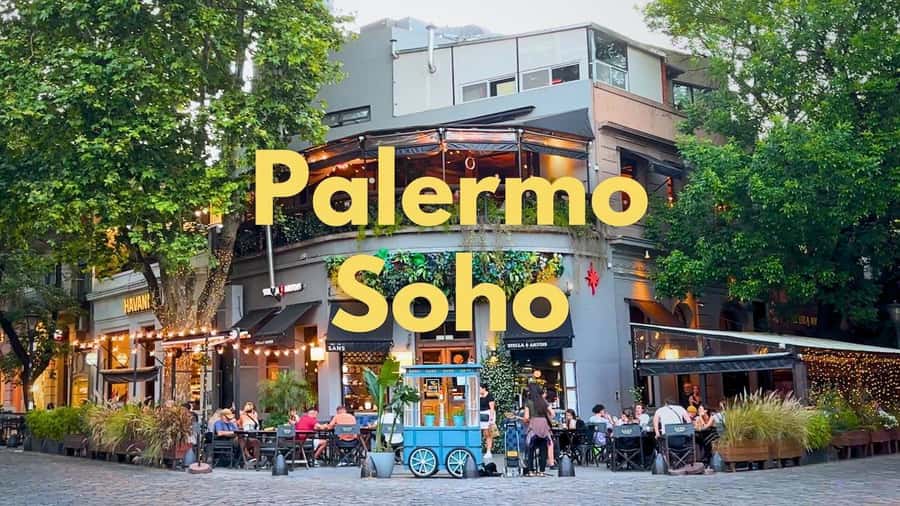
Reviewed · PALERMO NEIGHBOURHOOD TOURS
Palermo SoHo for curious people
Palermo SoHo looks polished on the surface, but this walk asks what lies behind the sourdough bakeries, designer shops, and packed parrillas. With anthropologist Nico, you explore how railways, immigration, real estate speculation, currency shifts, and changing food habits helped turn an older Buenos Aires district into its current fashionable identity.
I like the interactive format, which gives you room to ask questions instead of simply following a guide from one landmark to the next. I also like the unusual focus on immigration and gentrification, subjects that add meaning to Palermo’s stylish streets. The main consideration is that this is a discussion-led walk, so anyone wanting only famous sights and quick photo stops may find it less direct.
In This Review
- Key points
- Palermo SoHo beyond the polished facades
- Starting at Distrito Arcos and Puente Pacífico
- Polo Científico Tecnológico and Palermo’s changing identity
- Pasaje Emilio Zola and the value of smaller streets
- Ukrainian culture and the people who built Palermo
- El Preferido, Don Julio, and the politics of a good meal
- Plaza Inmigrantes de Armenia and Palermo’s social layers
- Helados Italia and a useful pause
- Pasaje Russel and the road to Plaza Serrano
- Argentina’s currency questions, explained on foot
- What $25 gets you in two hours
- Who will enjoy this Palermo walk most
- Languages, guide style, and practical details
- Should you book Palermo SoHo for curious people?
- FAQ
- How long does the Palermo SoHo walk last?
- Where does the tour begin?
- Where does the walk finish?
- What languages are available?
- Who leads the experience?
- Is the tour wheelchair accessible?
- Can I book a private or small-group tour?
Key points
- Railway and tram origins: Learn how transport helped shape Palermo’s early growth.
- Anthropological viewpoint: Talk with a university degree guide about who lives in Palermo and why the area changed.
- Immigration stories: Visit Ukrainian, Polish, Armenian, and other community-related sites.
- Gentrification explained: Connect trendy restaurants and rising property interest with Argentina’s economic shifts.
- Food and neighborhood culture: Pass El Preferido, Don Julio, Helados Italia, and the streets around Plaza Serrano.
- Small-group feel: Private and small-group options are available in English, Spanish, or French.
Palermo SoHo beyond the polished facades
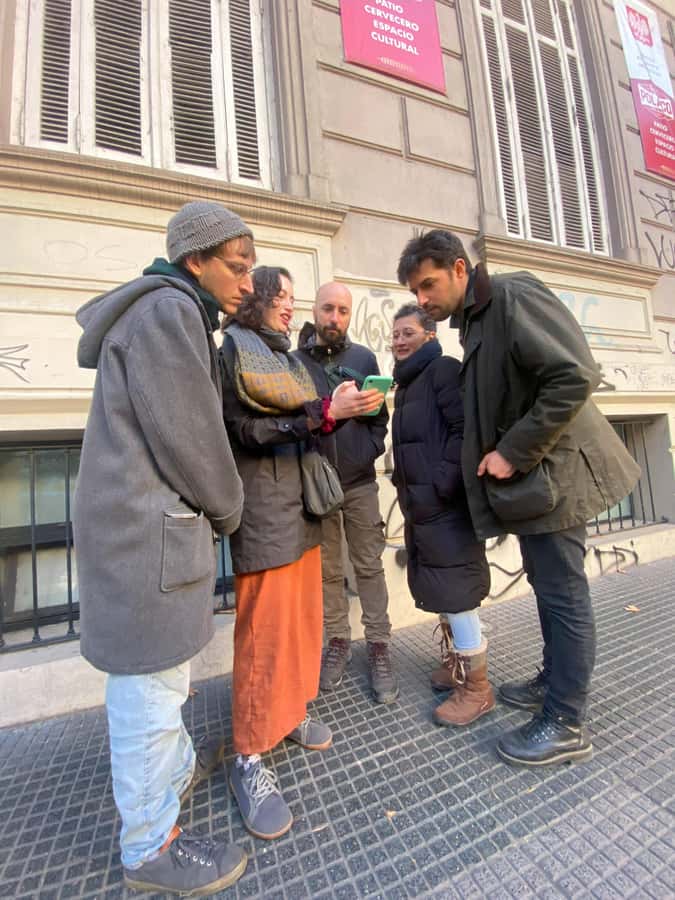
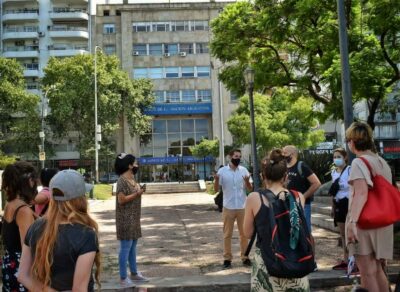
Palermo SoHo is one of Buenos Aires’ most fashionable districts, but fashion is only the latest layer. This two-hour walk begins near Distrito Arcos and moves toward Plaza Serrano, using streets, plazas, community buildings, restaurants, and passageways to explain how the neighborhood became what it is today.
The tour is led by an anthropologist, and that changes the tone. You are not simply told that a building is old or that a restaurant is famous. You are encouraged to ask why certain businesses arrived, who benefited from the changes, and what may happen next.
That makes this a good choice if you have already seen the city’s main monuments and want a closer look at urban life. It also works early in a Buenos Aires visit, since the guide can help you understand Palermo before you return on your own for dinner, shopping, or an evening around Plaza Serrano.
More palermo neighbourhood tours in Buenos Aires:
- Palermo: Graffiti and Street Art Guided Tour in English
★ 4.8 · 684 reviews - Buenos Aires: Empanada & Alfajor Cooking Lesson in Palermo
★ 4.6 · 186 reviews - BA: Empanadas and Alfajores Cooking Experience in Palermo
★ 5.0 · 112 reviews
Starting at Distrito Arcos and Puente Pacífico
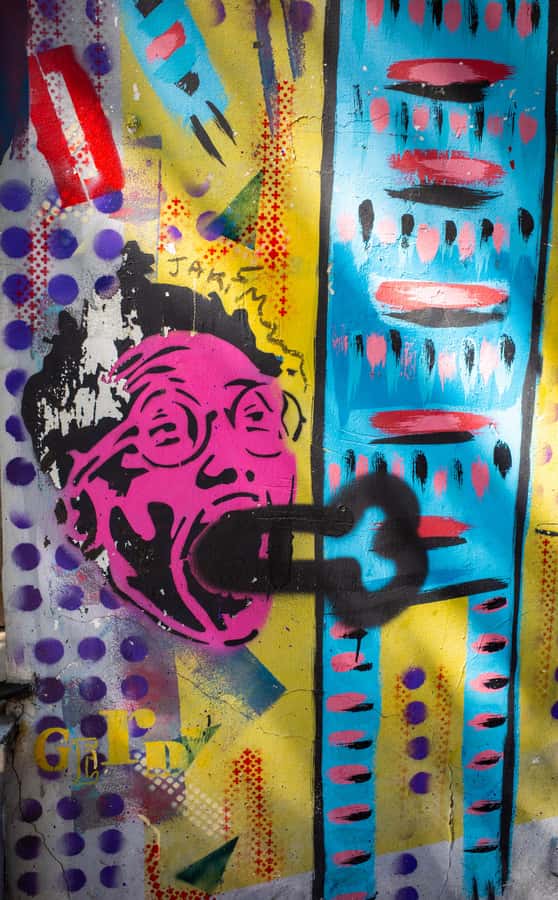
Meet by the amphitheater at Distrito Arcos, next to the Montagne store. The meeting point is near the premium outlet complex, so allow a little extra time to get your bearings. One participant had trouble finding it, but Nico helped resolve the problem. That is useful to know because the meeting place is more specific than simply saying Palermo.
The first substantial stop is Puente Pacífico, with about 15 minutes of guided explanation. Here, the discussion turns to transport and the forces that helped create the district. The train and tram are not minor details in this story. They help explain how people moved into and through the area, and why Palermo developed as more than a residential quarter.
You may not get a standard postcard moment here, and that is part of the point. The bridge works as a starting clue. Instead of treating the neighborhood as a collection of pretty streets, the guide asks you to think about infrastructure, access, and urban growth.
Polo Científico Tecnológico and Palermo’s changing identity
The walk continues to the Polo Científico Tecnológico for around 20 minutes. This is one of the longer stops, suggesting that the tour gives real weight to the relationship between institutions, investment, and neighborhood change.
The focus is not only on what the building or complex looks like. You discuss how different uses of urban space can alter a district’s profile. A neighborhood may attract research, business, restaurants, design shops, and property investment at different times, with each new arrival affecting rents, local services, and the feel of the streets.
This is where the idea of gentrification becomes practical rather than abstract. You can ask what changed, when the change began, and who the neighborhood serves now. The subject can be uncomfortable, but it is central to understanding why Palermo SoHo feels so different from older residential parts of Buenos Aires.
Pasaje Emilio Zola and the value of smaller streets
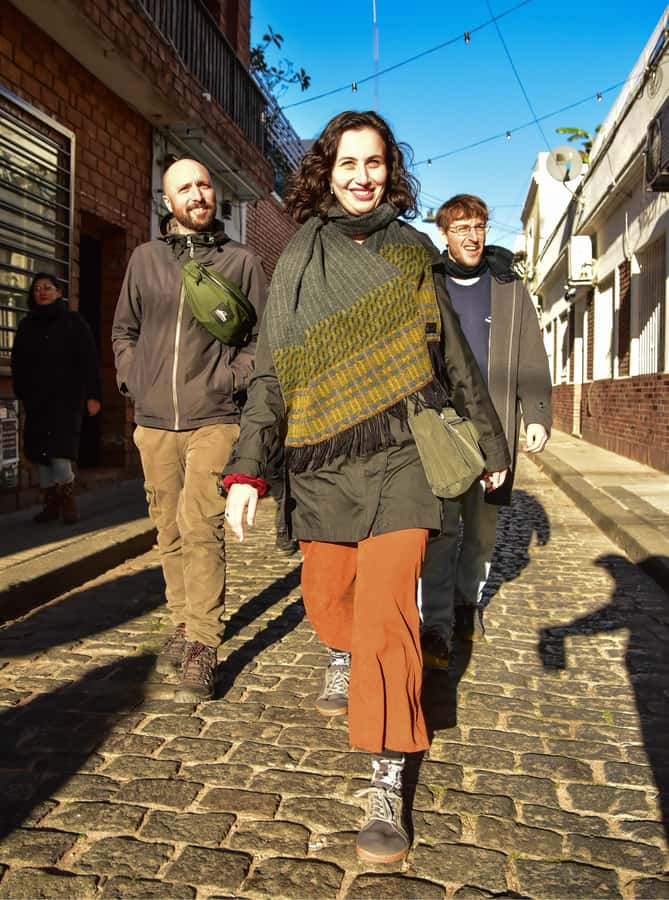
Pasaje Emilio Zola receives about 10 minutes. Smaller passages such as this help break up the larger story. They give you a chance to look at the scale of the neighborhood, not just its well-known commercial streets.
A passage can reveal how Palermo’s identity is made from close quarters: homes, shops, walls, entrances, and the connections between them. The stop also keeps the walk from becoming a lecture beside major roads. You are encouraged to notice the details around you and connect them to the broader discussion.
The drawback is simple: the tour does not promise entry into every place you pass. Some locations are visits or brief exterior stops, so you should think of this as a street-based cultural walk, not an attraction tour with interior access.
Same city, a completely different kind of day:
- Buenos Aires Hop-On Hop-Off Bus, Free Walking Tours & Discounts
★ 4.5 · 2,218 reviews - Buenos Aires: Piazzolla Tango Show with Optional Dinner
★ 4.4 · 2,122 reviews - Buenos Aires: City Highlights Guided Tour with Transfer
★ 4.7 · 1,946 reviews - Buenos Aires: Hop-On Hop-Off City Bus Tour
★ 4.2 · 1,855 reviews
Ukrainian culture and the people who built Palermo
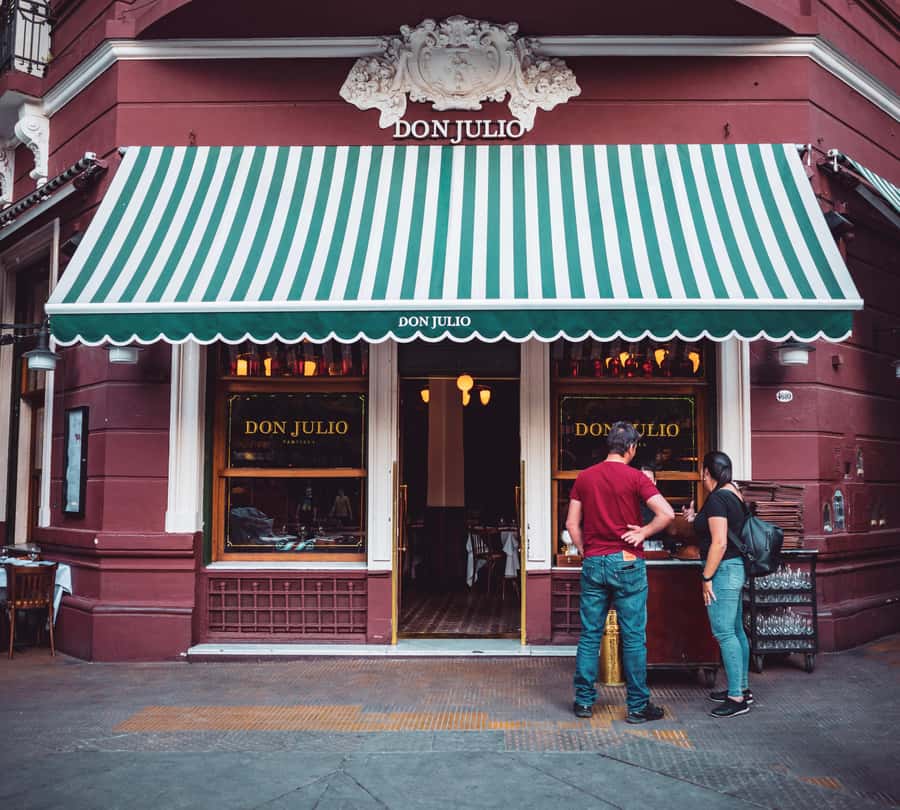
The Asociación Ucrania de Cultura PROSVITA en la República Argentina receives around 15 minutes. This is one of the walk’s most distinctive stops because it brings immigration directly into the route.
The discussion asks who Palermo’s first inhabitants were and how immigrant communities shaped the area. A Ukrainian cultural association offers a useful reminder that Buenos Aires neighborhoods are built by people from many places, not only by the fashionable businesses that arrived later.
The immigration theme continues as you move through Palermo. The route includes Klub Polaco, a Polish cultural reference, and passes ACILBA. It also reaches Plaza Inmigrantes de Armenia, where the guide spends about 10 minutes explaining another part of the area’s community story.
For me, this is the strongest reason to choose the walk. You get a more human account of Palermo. Immigration is not treated as a footnote, but as part of the neighborhood’s foundations. If you want a route based only on boutiques and restaurant recommendations, this may feel too serious. If you want to understand how Buenos Aires was formed, it adds something valuable.
El Preferido, Don Julio, and the politics of a good meal
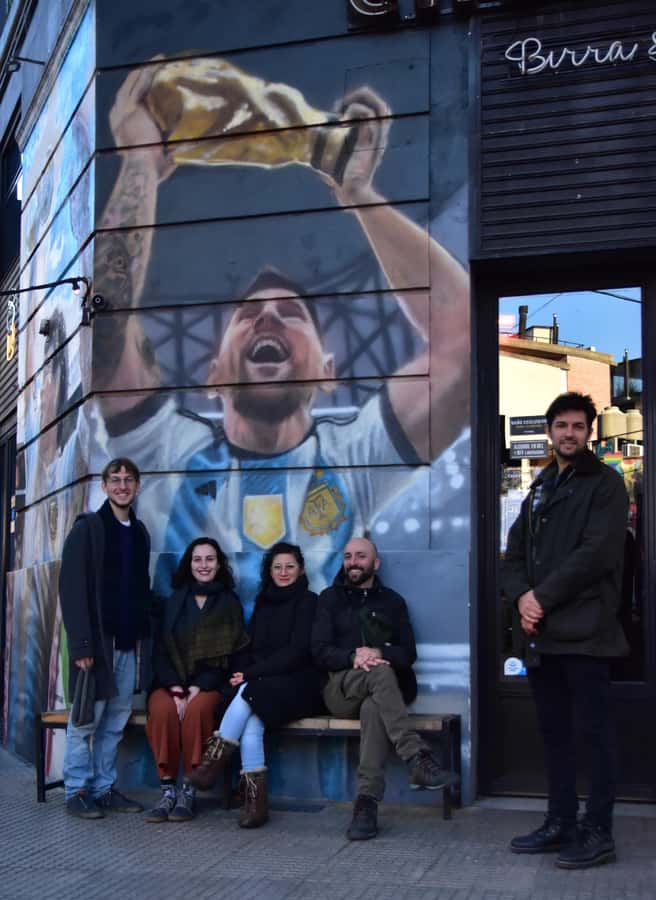
The stop at El Preferido de Palermo lasts about five minutes, followed by a visit to Don Julio Parrilla for another five minutes. These are famous food names, but the walk uses them as signs of Palermo’s wider transformation.
Restaurants tell you a great deal about a neighborhood. They show what kind of visitor the area attracts, what local businesses can charge, and how traditional Argentine food is presented to a newer audience. A parrilla is not simply a place to eat. In this setting, it becomes part of a conversation about taste, reputation, tourism, and commercial change.
You should not expect a meal at either restaurant as part of the experience. The route includes guided stops and visits, not food tastings. If you want to eat at Don Julio or El Preferido, plan that separately and check their own arrangements.
The guide also uses the food culture of Palermo to discuss avocado toast, sourdough bakeries, chic bars, and other signs of the SoHo label. The humor in that comparison helps keep the subject accessible. You can talk about gentrification without turning the walk into a dry university seminar.
Plaza Inmigrantes de Armenia and Palermo’s social layers
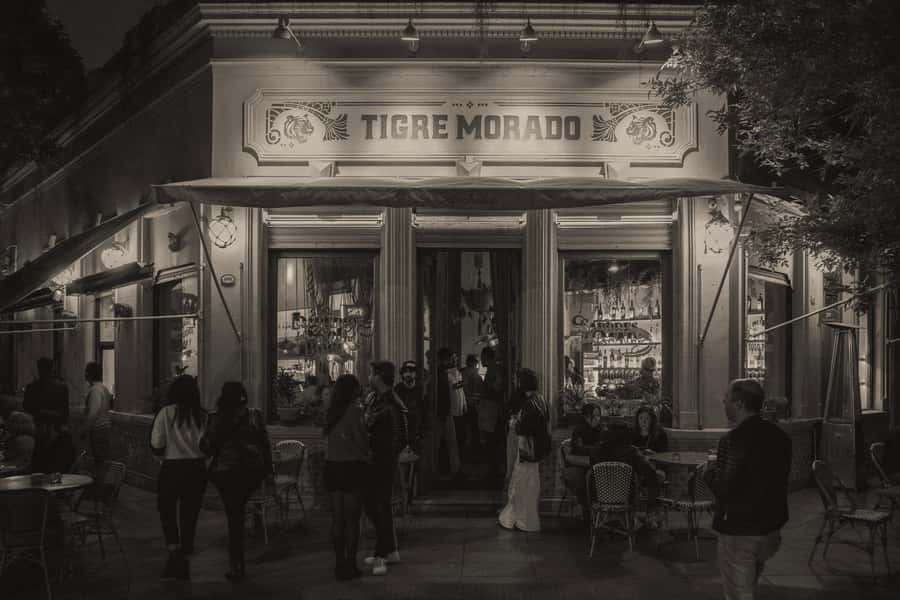
Plaza Inmigrantes de Armenia is one of the route’s longer stops, at around 10 minutes. It provides a clear place to connect community identity with the neighborhood’s current name and image.
The tour asks when Palermo became SoHo and why the label caught on. The name is not just a marketing trick. It reflects a particular version of Palermo, one associated with independent design, restaurants, nightlife, and visitors looking for a fashionable part of the city.
At the same time, the older identity does not vanish because a new label appears. Armenian, Ukrainian, Polish, and other community connections remain part of the area’s story. That contrast is the heart of the walk: the same streets can carry immigrant history, local routines, property speculation, and international tourism all at once.
Helados Italia and a useful pause
The itinerary includes a 15-minute break at Helados Italia. This is the route’s only clearly marked pause, and it comes at a sensible point after several history-heavy stops.
You have time to rest and consider the discussion without rushing from one explanation to another. The stop also fits the neighborhood well. Ice cream shops, cafés, and casual food businesses are part of the everyday experience of Palermo SoHo, and they give the walk a lighter moment.
The information provided does not say that ice cream is included in the $25 price, so plan on treating the break as your own purchase. That keeps expectations clear. The pause is useful, but this is not a tasting tour.
Pasaje Russel and the road to Plaza Serrano
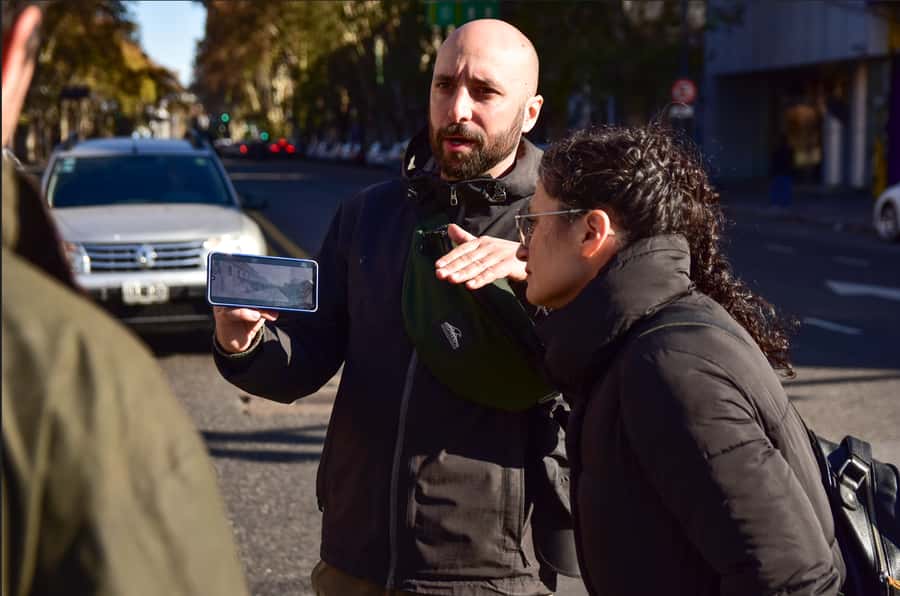
Pasaje Russel receives about 10 minutes and leads toward the final stop at Plaza Serrano. Like Pasaje Emilio Zola, it brings the tour back to the smaller-scale streets that make Palermo pleasant to explore on foot.
The final stretch gives you a chance to put the whole story together. You have looked at transport, institutions, immigrant communities, restaurants, cultural associations, and public spaces. Now the guide returns to the future of SoHo. Will the area keep its current identity? How much change can a neighborhood absorb before its old character becomes difficult to find?
Plaza Serrano is a practical ending point. It is a natural place to continue your evening, though the tour itself does not include a meal, drinks, or a further activity. You finish in the middle of the area’s social and commercial energy, with plenty of options nearby.
Argentina’s currency questions, explained on foot
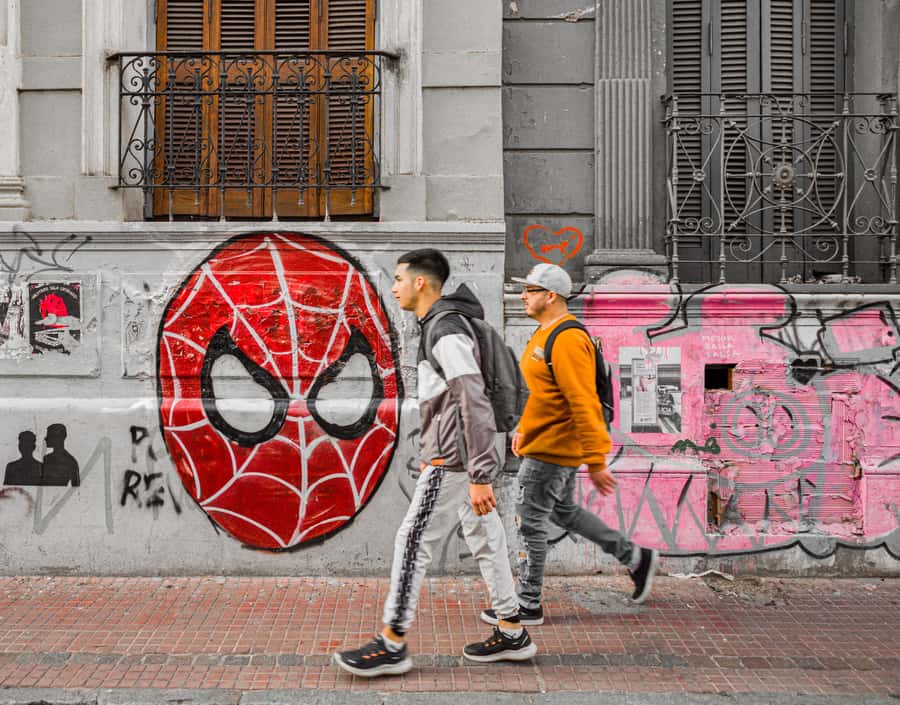
One unusual part of the walk is its attention to Argentina’s economy. The discussion covers real estate speculation, the devaluation of the Argentine peso, and the country’s two exchange rates.
These subjects matter because property values and neighborhood change are tied to money. Currency shifts can affect construction, rents, investment, restaurant prices, and the decisions of people who buy or sell property. Without that context, gentrification can look like a simple story of new cafés replacing old shops. With it, you get a clearer idea of why the changes happen and why they can be so rapid.
The guide does not present Palermo as either perfect or ruined. Instead, you are invited to question who gains from the neighborhood’s popularity and what the future may hold. That balanced approach is one reason the experience feels different from a standard sightseeing walk.
What $25 gets you in two hours
At $25 per person, this is a modestly priced cultural experience, especially if you value interpretation rather than a long list of sights. You are paying for two hours with an anthropologist, a carefully connected route, and the chance to ask questions in a small or private setting.
The value depends on your travel style. If you measure a tour by the number of monuments entered, this will not seem like a bargain because the route focuses on streets and exterior locations. If you want context that changes how you see a neighborhood, the price is fair.
The short length also helps. Two hours is enough to introduce Palermo SoHo without taking over your day. You can schedule it before lunch or later in the afternoon and still have time for your own plans.
Who will enjoy this Palermo walk most
I would choose this for travelers who like cities as living places rather than museum displays. It suits you especially well if you enjoy asking questions, comparing old and new neighborhoods, and learning how economics affects daily life.
It is also a strong match if you have already visited Buenos Aires’ major sights. Palermo SoHo is often presented as a place for food, shopping, and nightlife. This walk gives you a framework for understanding those attractions instead of treating them as isolated stops.
Families with older children, students, architecture fans, and people interested in migration may also find it rewarding. The route is wheelchair accessible, and private or small-group formats are available.
You may want another activity if you prefer a fast-paced highlights tour, a food tasting, or a guide who does most of the talking. This experience asks you to participate. Your questions help shape the conversation, so a quiet, passive approach may make it less satisfying.
Languages, guide style, and practical details
The walk is offered in English, Spanish, and French. Nico leads the experience, and the available feedback describes him as informative, humorous, professional, personable, and accommodating when the meeting point proved hard to find.
That combination matters. Anthropology can sound academic, but the guide’s reported style suggests that the material is presented in a friendly way rather than as a formal lecture. You should still expect ideas and discussion, not just entertaining anecdotes.
The tour runs for two hours and is available as a private or small-group experience. You meet by the Distrito Arcos amphitheater, next to Montagne, and finish at Plaza Serrano. Wear comfortable shoes because the experience is entirely based around walking and standing, although the activity is listed as wheelchair accessible.
You can cancel up to 24 hours ahead for a full refund, and the reserve-now, pay-later option gives you some flexibility when your Buenos Aires plans are still changing.
Should you book Palermo SoHo for curious people?
Book it if you want to understand why Palermo SoHo looks the way it does. The best parts are the unusual immigration stops, the honest discussion of gentrification, and the connection between restaurants, property speculation, and Argentina’s currency problems.
I would not book it as a replacement for a classic Buenos Aires sightseeing tour. It does not focus on grand monuments, and it does not include food or interior visits as a main feature. But for $25, you get a focused two-hour conversation with Nico that can make the rest of your time in Palermo more rewarding.
Choose it early in your stay if you want context before returning to Plaza Serrano on your own. Choose it later if you already know the cafés and shops and want to understand the forces behind them. Either way, this is a smart pick for a curious visitor who prefers questions, local stories, and a little economic reality with the ice cream.
FAQ
How long does the Palermo SoHo walk last?
The experience lasts two hours.
Where does the tour begin?
You meet by the amphitheater at Distrito Arcos, next to the Montagne store.
Where does the walk finish?
The tour ends at Plaza Serrano.
What languages are available?
The walk is offered in English, Spanish, and French.
Who leads the experience?
The walk is led by Nico, an anthropologist and university degree guide.
Is the tour wheelchair accessible?
Yes, the activity is listed as wheelchair accessible.
Can I book a private or small-group tour?
Yes, private and small-group options are available.
Just added around Buenos Aires
- Tango Show at El Querandi with optional Dinner★ 4.2 · 3 reviews
- Wine Tasting in Buenos Aires★ 4.2 · 4 reviews
- Walking Tour: Buenos Aires bookstores★ 4.3 · 12 reviews
- Velez Sarsfield Football Match★ 5.0 · 3 reviews
- Unique Tigre and Delta Private Day Cruise Navegation★ 5.0 · 3 reviews
- Tour Buenos Aires in one day on Electric Scooters★ 5.0 · 33 reviews
- Private Underground Tango Immersion★ 5.0 · 31 reviews
- Sailing with Wine Tasting in Buenos Aires★ 5.0 · 50 reviews
Palermo Neighbourhood Tours, compared.

BA: Empanadas and Alfajores Cooking Experience in Palermo
Read our review →
Buenos Aires Bike Tour: North Districts, Recoleta and Palermo
Read our review →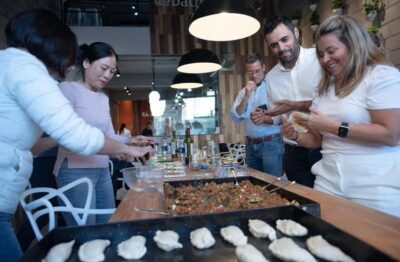
Argentinian Empanadas Cooking Experience in Palermo, Bs As
Read our review →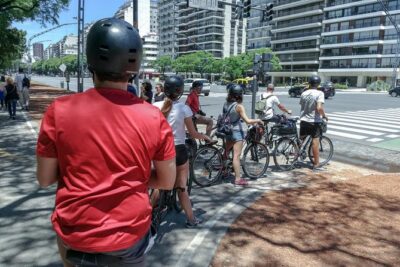
Cultural Experience by Bike around Palermo and Recoleta Max 6 ppl
Read our review →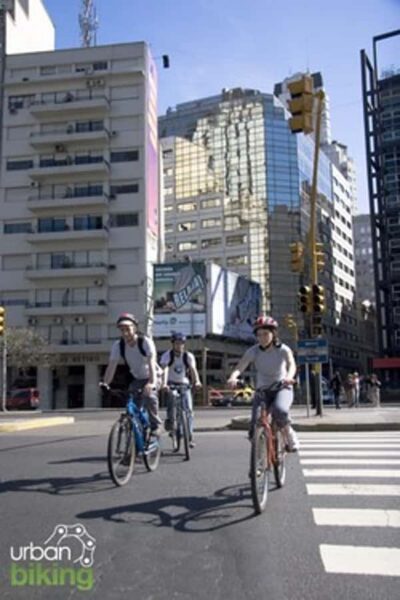
Browse the lists this tour appears in