
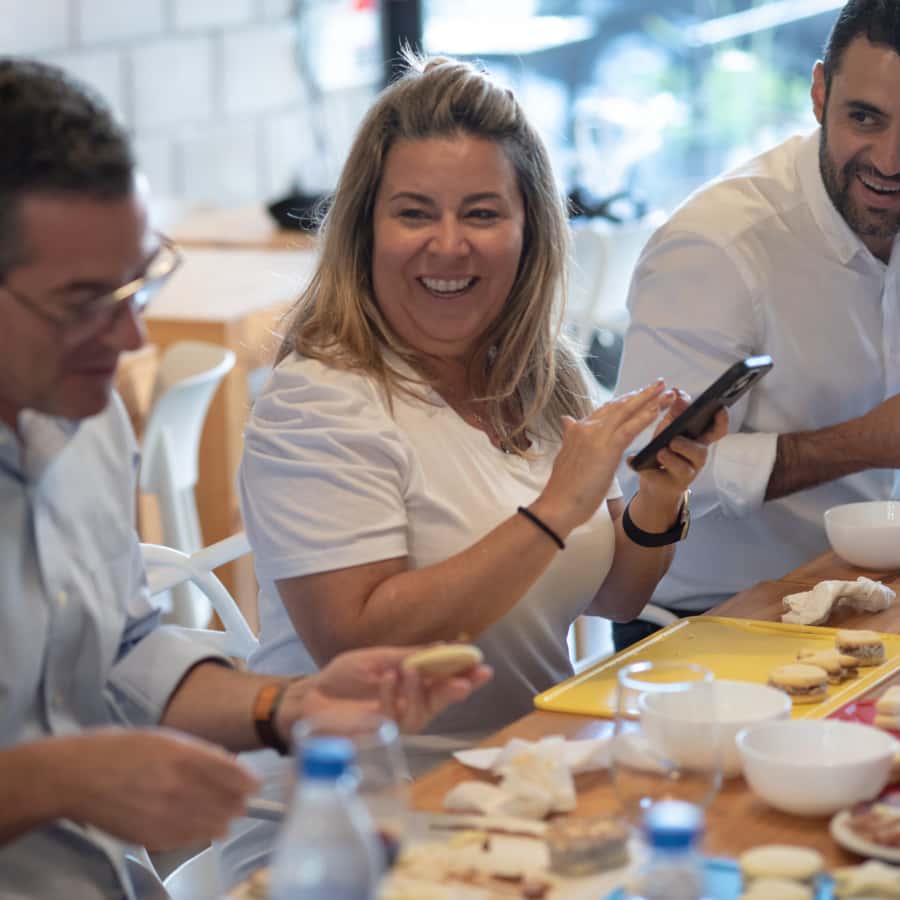
Reviewed · PALERMO NEIGHBOURHOOD TOURS
Buenos Aires: Empanada & Alfajor Cooking Lesson in Palermo
Argentina’s best food lessons start with two humble classics: the folded empanada and the dulce de leche alfajor. In this 150-minute Palermo class, you prepare both from the ground up, then sit down to enjoy what you made with mate tea and Argentine food stories.
I like the hands-on format, especially the chance to practice the tricky empanada fold instead of watching a chef do all the work. I also like the family-friendly pace and the choice of a vegan filling, which makes this useful for mixed groups.
The main thing to consider is that some steps may be demonstrated rather than handled by every person. One family noted they would have liked more active cooking time for everyone. The meeting address also appears as both Gorriti 4882 and Gorriti 4886, so confirm the exact door before setting out.
In This Review
- Key points at a glance
- Why these two foods belong together
- Starting with Argentine empanadas
- Making alfajores with dulce de leche
- Mate tea and the Argentine social side
- What the 150 minutes feels like
- Is $49 a fair price?
- Who should book this Palermo class?
- Practical tips for a smoother visit
- FAQ
- Where does the cooking class meet?
- How long does the experience last?
- What will I cook?
- Are vegan empanadas available?
- Is mate tea included?
- Which languages are offered?
- Is the activity suitable for children?
- Is hotel pickup included?
- Should you book it?
Key points at a glance
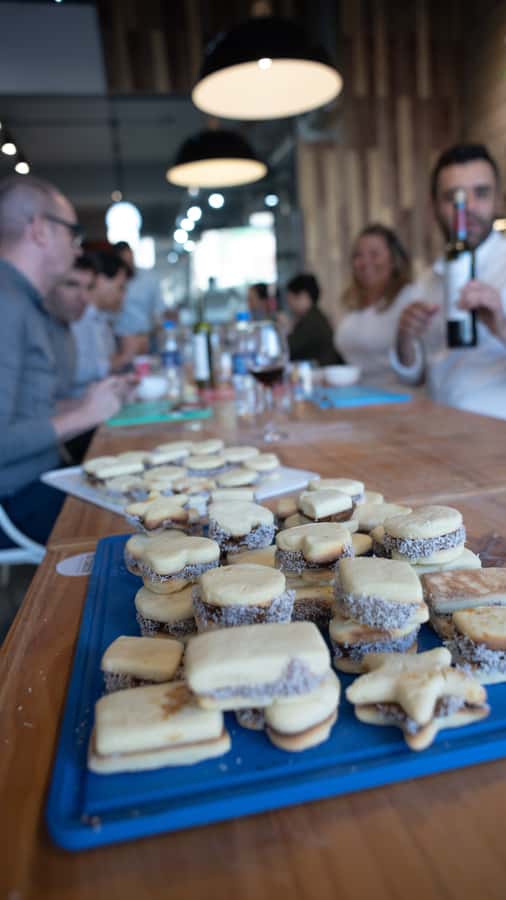
- Two Argentine staples in one lesson: Prepare savory empanadas and sweet alfajores filled with dulce de leche.
- Real folding practice: Learn the decorative repulgue, the sealed edge that helps define an Argentine empanada.
- Meat and vegan choices: The class can accommodate both traditional and plant-based empanadas.
- A social food lesson: Mate tea and cultural conversation make this more than a recipe demonstration.
- Useful for families: Children and adults can cook together, with activities suited to a wide age range.
- Flexible booking: The $49 price includes ingredients, instruction, and mate tea, with free cancellation up to 24 hours before the class.
Why these two foods belong together
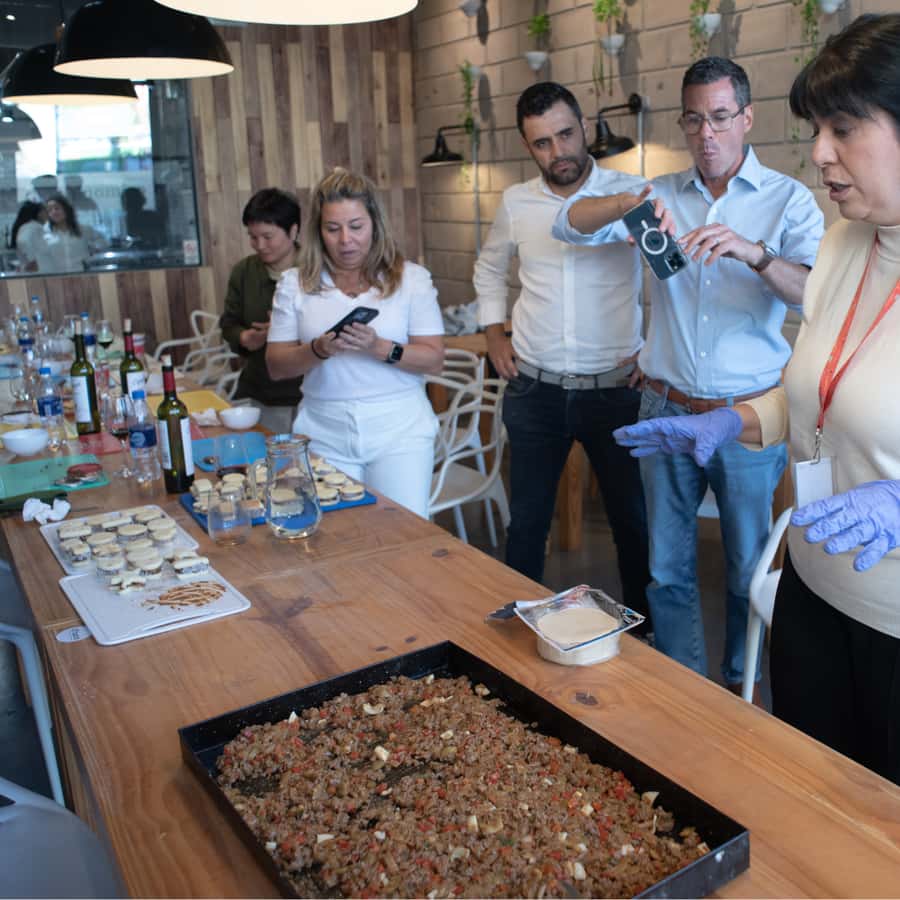
Empanadas and alfajores cover two sides of Argentine eating. The empanada is savory, portable, and adaptable. The alfajor is a soft cookie sandwich, usually made special with a generous layer of dulce de leche.
That contrast gives the class a good rhythm. You begin with practical cooking, move into baking and assembly, and finish with a meal and dessert. I like this pairing because you do not spend two and a half hours on one recipe. You learn a small piece of everyday Argentine food culture from both the lunch table and the pastry case.
The lesson is held in Palermo, one of Buenos Aires’ most popular areas for eating, shopping, and nightlife. The stated meeting point is on Gorriti Street, at number 4882 in one section of the information and 4886 in another. I would save both numbers and check the final meeting instructions carefully.
There is no hotel pickup or drop-off. You make your own way to the class, so allow extra time if you are crossing Buenos Aires from another neighborhood. The activity runs in rain or shine, which is useful on a changeable day, though you will still want comfortable clothes and shoes for moving around a kitchen.
More palermo neighbourhood tours in Buenos Aires:
- Palermo: Graffiti and Street Art Guided Tour in English
★ 4.8 · 684 reviews - BA: Empanadas and Alfajores Cooking Experience in Palermo
★ 5.0 · 112 reviews - Buenos Aires Bike Tour: North Districts, Recoleta and Palermo
★ 4.5 · 91 reviews
Starting with Argentine empanadas
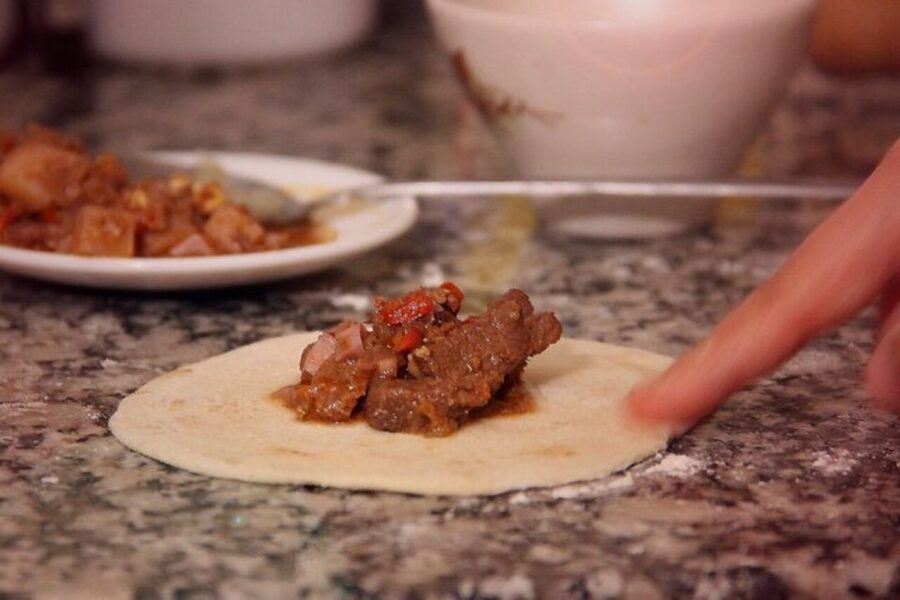
The first major task is preparing empanadas, one of the country’s most familiar dishes. The instructor takes you through the ingredients and the method, then you build your own pastries with either a meat or vegan filling.
The filling choice matters. Argentine empanadas vary by region and household, so there is no single universal version. This lesson gives you a practical base while leaving room for different dietary needs. If one person in your party eats meat and another does not, the group does not have to split up or skip the dish.
One of the most useful parts is working with the dough. A past participant specifically appreciated comparing packaged empanada dough with freshly made dough. That is a good lesson for home cooks: you see what changes when you make the dough yourself, while also learning the convenient shortcut many people use at home.
Then comes the fold. The sealed edge is not just decoration. It keeps the filling inside and gives the empanada its familiar shape. Your guide shows you how to pinch and turn the dough, and you get a chance to practice. It can take a few tries to make the folds neat, so do not worry if your first empanada looks more rustic than professional.
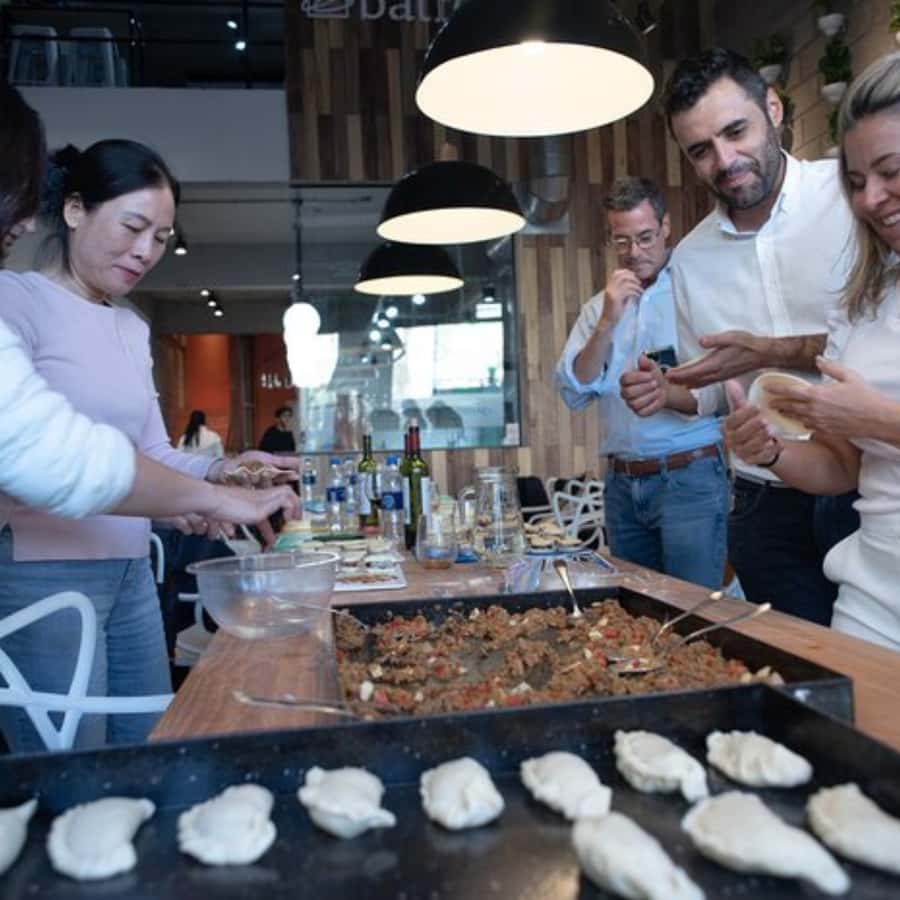
The cooking is split between explanation, demonstration, and participation. Most people find this easy to follow, but not every person may handle every step at all times. If you are booking for a family, ask how the work will be shared at the start so children and adults each get a turn.
Making alfajores with dulce de leche
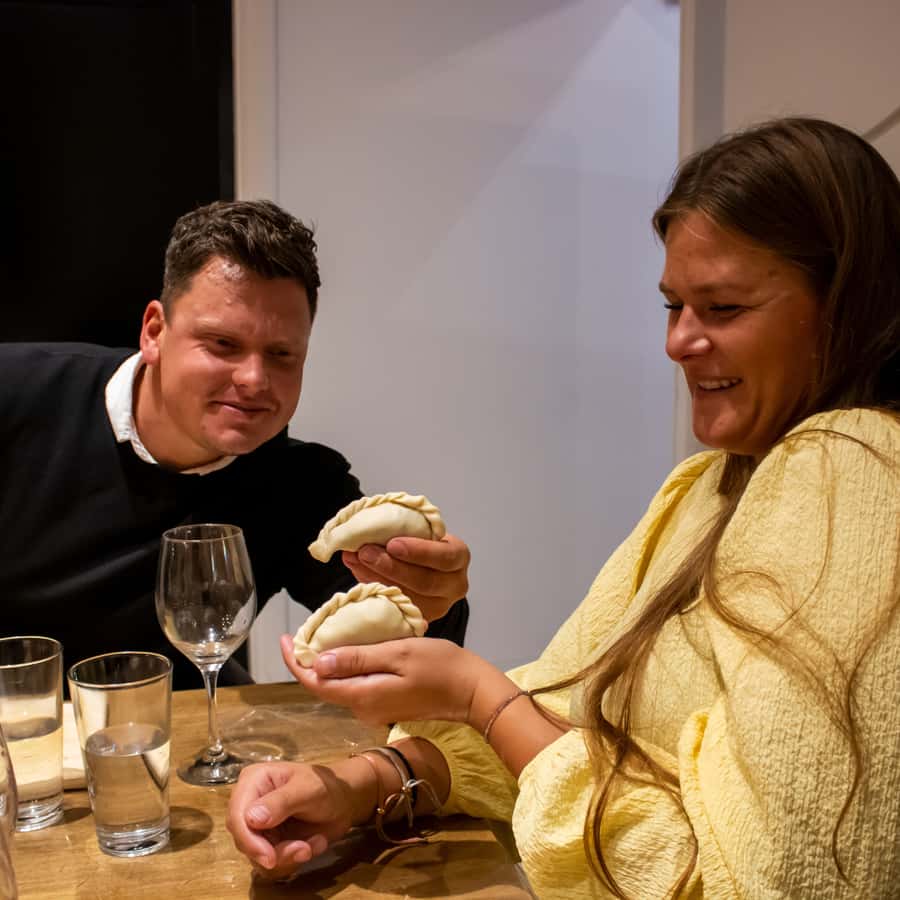
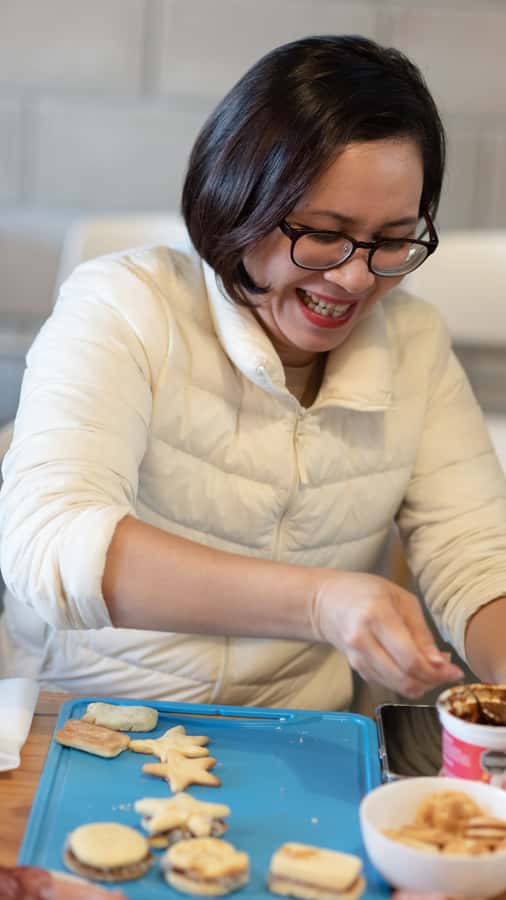
After the savory preparation, the lesson turns to alfajores. These Argentine cookies are made from baked rounds joined with creamy dulce de leche. You mix the dough, bake the pieces, and assemble the finished sweets with guidance from the instructor.
This is the part that may win over anyone with a sweet tooth. Dulce de leche is central to Argentine dessert culture, and an alfajor gives you a clear sense of why. The soft filling sits between tender cookies, making a simple-looking treat that is far more satisfying than its short ingredient list suggests.
The method is useful because it is easy to remember at home. You learn the order of mixing, baking, and filling rather than receiving a finished cookie with no idea how it came together. Several participants said they planned to make the alfajores for family after returning home, and one person taught the recipe to her mother.
I would pay attention to texture during this section. The cookies need to be handled carefully once baked, especially when you add the dulce de leche. Your guide helps with the practical details, so this is a good lesson for cooks who enjoy learning by doing rather than copying a recipe from a page.
You also make enough food to turn the class into a proper shared meal. One participant found there was more than enough to eat, and another noted that leftovers were packed to take away. Those extras depend on the day and the group, so I would treat them as a possible bonus, not a promised part of the booking.
Mate tea and the Argentine social side
Mate tea gives the class its cultural thread. You do not simply cook two recipes and leave. You learn about a drink that is closely tied to daily life and conversation in Argentina.
Mate is often shared, and the act of preparing and passing it around carries a social meaning. Having it during the lesson helps connect the food to local habits rather than treating empanadas and alfajores as isolated cooking projects.
The guides are also part of the appeal. The experience is led by a local instructor in English, Spanish, or Portuguese. Names that have led sessions include Carolina, Catalina, Tomas, Lourdes, Paulina, Layla, Nyla, and Graziela, though you should not assume which person will teach your particular date.
The strongest teaching style seems to be warm and personal. Carolina is described as patient while showing the folding process. Tomas is praised for clear instructions and practical cooking tips. Layla is noted for making sure everyone stayed involved, while Paulina welcomed a group into her home and shared food, culture, and conversation.
Those details matter because the instructor controls the feel of a small cooking class. A skilled teacher can keep the pace moving, explain unfamiliar ingredients, and help less confident cooks without making experienced cooks feel held back. The overall rating is 4.6 from 186 ratings, and the repeated praise centers on clear guidance, friendliness, and the pleasure of eating together afterward.
A few people also enjoyed wine with the meal. Wine is not listed among the included items, so do not book this expecting it as a guaranteed feature. Mate tea is the stated drink inclusion.
A few more Buenos Aires trips to weigh up
- Buenos Aires: Empanadas and Alfajores Guided Cooking Class
★ 4.8 · 486 reviews - Argentinian Empanadas Cooking Experience in Palermo, Bs As
★ 4.8 · 50 reviews - Private Argentine Cooking Class and Tango Lesson in Buenos Aires
★ 5.0 · 37 reviews - Premium Empanadas Cooking Class & Wine Tasting Experience
★ 4.9 · 35 reviews
What the 150 minutes feels like
Two and a half hours is a sensible length for this experience. It gives you enough time to cook, bake, talk, and eat without turning the activity into a full day commitment.
The opening portion focuses on the empanadas and ingredients. You learn the basic preparation, choose or receive your filling, and work with the dough. The exact order can vary with the kitchen and the group, but the class is built around active preparation rather than a simple demonstration.
The middle portion brings the alfajores together. You prepare the cookie mixture, bake the rounds, and fill them with dulce de leche. While one stage is waiting, the instructor can keep the group moving with cultural explanations or another task.
The final portion is the reward: eating the food you prepared. This is also when conversation tends to open up. You can compare folds, taste the finished pastries, and ask questions about Argentine cooking.
The pace should suit most families and first-time cooks. It is also worthwhile for experienced home cooks. One person who already knew how to make empanadas still learned new things, which suggests the class is not limited to complete beginners.
Is $49 a fair price?
At $49 per person, the value depends on how you measure a cooking class. You are paying for ingredients for two dishes, a local instructor, mate tea, cultural conversation, and a meal made during the session. There is no transport included, so your cost and effort begin with getting to Palermo.
For a visitor who wants a simple meal, a restaurant may cost less. But a restaurant will not teach you how to mix the dough, seal the empanada, or assemble an alfajor. I see the price as fair if you value participation and want recipes you can repeat at home.
The price also works well for a family activity. You get food, entertainment, and a shared project in one booking. Several families found the class enjoyable for children, while a family group ranging from age 11 to 48 found the format suitable across generations.
The main value is practical. You are not just tasting local food. You learn how to make it. That turns a one-time meal into something you can recreate for friends or family after your trip.
Who should book this Palermo class?
I would recommend it to families, couples, and solo visitors who enjoy meeting people through food. It is especially useful early in a Buenos Aires stay, since you learn dishes you will see throughout the rest of your visit.
It also works for people who want a break from museums and walking tours. The lesson is indoors and continues in bad weather, so it gives you a reliable plan for a rainy morning or afternoon.
Vegetarians and vegans should find the meal easier to manage because vegan empanadas are available. The alfajores contain dulce de leche, so anyone with dairy restrictions should confirm the ingredients before booking. The provided information does not specify other allergy accommodations.
This is less suitable if you want a private, highly technical chef course or a long lesson focused on advanced pastry work. It is designed as a friendly cultural activity, with social conversation and shared cooking at its center.
Practical tips for a smoother visit
Wear clothes you can cook in and avoid bringing more than you need. You will be working with dough, fillings, and dulce de leche, so a relaxed approach is best.
Arrive at the Palermo meeting point with the exact address checked. The information gives Gorriti 4882 and Gorriti 4886, a small difference that could cause a needless scramble on a busy street.
Choose your language when booking if possible. The guide languages are English, Spanish, and Portuguese. If your group includes children, tell the instructor at the beginning that you want everyone to take an active turn.
Do not plan a large meal immediately afterward. The class includes what you prepare, and the portions can be generous. If the schedule allows, leave room for the empanadas and alfajores rather than treating them as a small tasting.
The activity is wheelchair accessible. Hotel transportation is not provided. You can cancel up to 24 hours before the start for a full refund, and the reserve now, pay later option lets you keep your plans flexible.
FAQ
Where does the cooking class meet?
The meeting point is on Gorriti Street in Palermo, Buenos Aires. The provided information gives the address as Gorriti 4882 and also as Gorriti 4886, so confirm the exact number before attending.
How long does the experience last?
The cooking lesson lasts 150 minutes, or two and a half hours. Starting times depend on availability.
What will I cook?
You will prepare Argentine empanadas and dulce de leche alfajores. The class covers mixing, baking, filling, and assembling the foods.
Are vegan empanadas available?
Yes. Meat and vegan empanada options are available.
Is mate tea included?
Yes. Local mate tea is included, along with the ingredients for the empanadas and alfajores and the local instructor.
Which languages are offered?
The live guide can lead the experience in English, Spanish, or Portuguese.
Is the activity suitable for children?
Yes. It is presented as a family-friendly activity, and the cooking format is suitable for children and adults.
Is hotel pickup included?
No. You must make your own way to the meeting point in Palermo. Hotel pickup and drop-off are not included.
Should you book it?
Book this class if you want to do more than eat Argentine food. You will learn two important local recipes, practice the empanada fold, work with dulce de leche, and share mate while talking about Argentine food culture.
I would make it a strong choice for families, food lovers, and anyone who wants a practical souvenir from Buenos Aires. The only real cautions are the possibility that not every participant handles every cooking step, the lack of hotel transport, and the need to confirm the Gorriti street number.
At $49, it offers good value when you count the ingredients, instruction, meal, and recipes you can use later. If that sounds better than another passive restaurant meal, this is a worthwhile Palermo stop.
More Workshops in Buenos Aires
- Buenos Aires: Private Tango Lesson
★ 4.9 · 244 reviews - Tango Porteño Show with Optional Dinner and Tango Lesson
★ 4.0 · 97 reviews - Buenos Aires – Private Tango lesson
★ 5.0 · 96 reviews - Spanish Group Course in Buenos Aires, Argentina: 20 Lessons
★ 5.0 · 72 reviews
Just added around Buenos Aires
- Tango Show at El Querandi with optional Dinner★ 4.2 · 3 reviews
- Wine Tasting in Buenos Aires★ 4.2 · 4 reviews
- Walking Tour: Buenos Aires bookstores★ 4.3 · 12 reviews
- Velez Sarsfield Football Match★ 5.0 · 3 reviews
- Unique Tigre and Delta Private Day Cruise Navegation★ 5.0 · 3 reviews
- Private Underground Tango Immersion★ 5.0 · 31 reviews
- Tour Buenos Aires in one day on Electric Scooters★ 5.0 · 33 reviews
- Transfers from or to the airport In Argentina Your Best Choice★ 5.0 · 28 reviews
Palermo Neighbourhood Tours, compared.

BA: Empanadas and Alfajores Cooking Experience in Palermo
Read our review →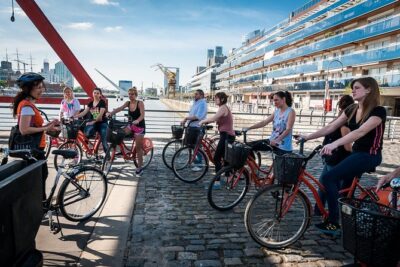
Buenos Aires Bike Tour: North Districts, Recoleta and Palermo
Read our review →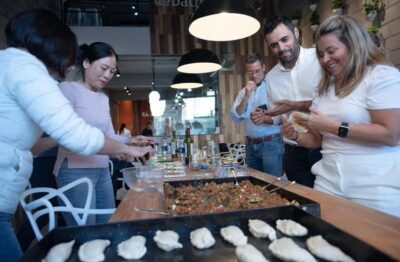
Argentinian Empanadas Cooking Experience in Palermo, Bs As
Read our review →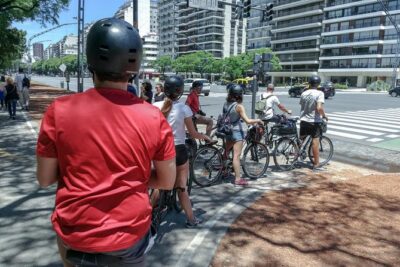
Cultural Experience by Bike around Palermo and Recoleta Max 6 ppl
Read our review →
Browse the lists this tour appears in