
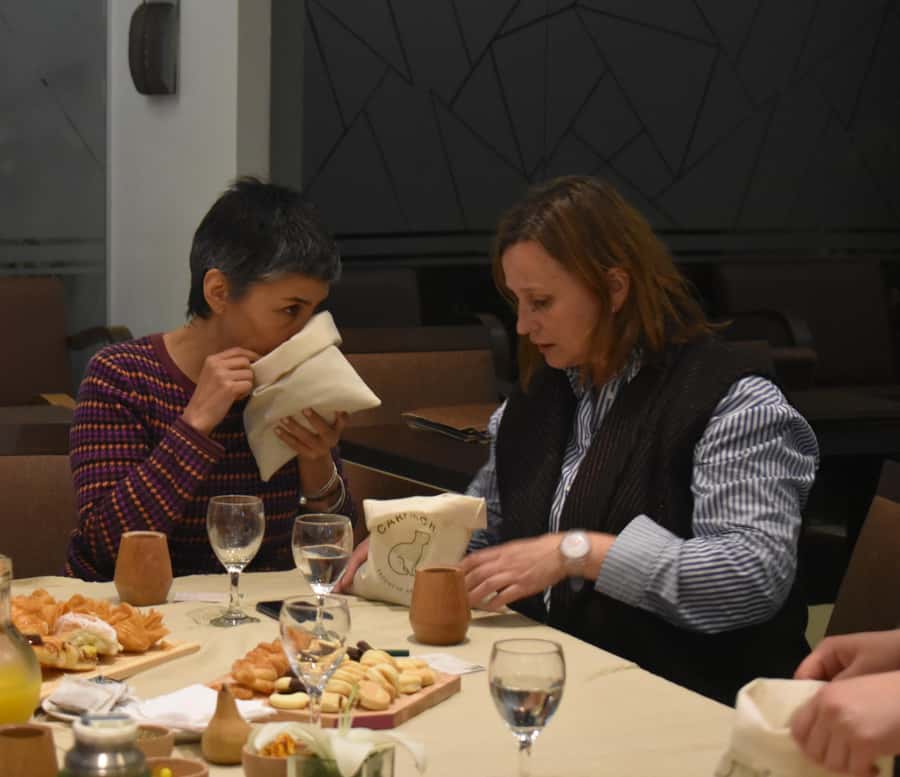
Reviewed · WORKSHOPS
Buenos Aires: Mate Workshop y Otras Yerbas
Mate is not simply a drink in Argentina. It is a social ritual, a welcome, and often the first thing offered when someone arrives at the house. This 60-minute workshop in Recoleta explains why the gourd and metal straw mean so much, then lets you taste four types of yerba and prepare your own mate.
I like the mix of useful instruction and personal stories from Vale and Juli of Carpincha. I also like the small food pairing: medialunas, biscochitos, and alfajores make the tasting feel like a shared Argentine snack rather than a classroom exercise. The main drawback is the short running time. You will get a focused introduction, not a long cultural course or a full Buenos Aires food tour.
In This Review
- Key points to know
- Why mate matters beyond the infusion
- Meeting Vale and Juli in Recoleta
- The opening lesson: origins, cultivation, and identity
- Tasting four types of yerba
- Learning to prepare your own mate
- Medialunas, biscochitos, and alfajores
- The people-first style of Carpincha
- Is $50 a fair price?
- Who should book this mate workshop?
- Timing, cancellation, and practical planning
- My final call on Carpincha’s mate experience
- FAQ
- Where does the mate workshop take place?
- How long does the activity last?
- How much does the experience cost?
- What languages are available?
- How many types of yerba mate will I taste?
- Do I receive a mate to use?
- What food is included?
- Can I cancel the booking?
Key points to know
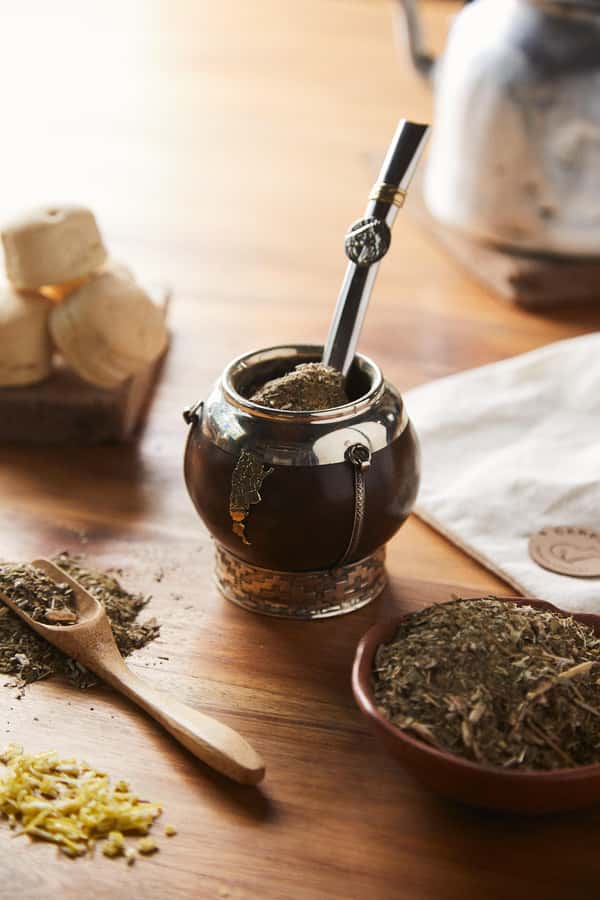
- Four yerbas in one tasting: Compare different herbs, varieties, production methods, and cultivation.
- Your own mate to use: Learn how to brew mate and test flavor combinations during the meeting.
- Culture beyond the cup: Hear about myths, legends, family customs, and Argentina’s national identity.
- Classic Argentine pastries: Medialunas, biscochitos, and alfajores accompany the mateada.
- Central Recoleta setting: The meeting takes place in Recoleta, with transportation left to you.
- Short and flexible booking: The activity lasts 60 minutes, costs $50 per person, and allows cancellation up to 24 hours before the start.
Why mate matters beyond the infusion
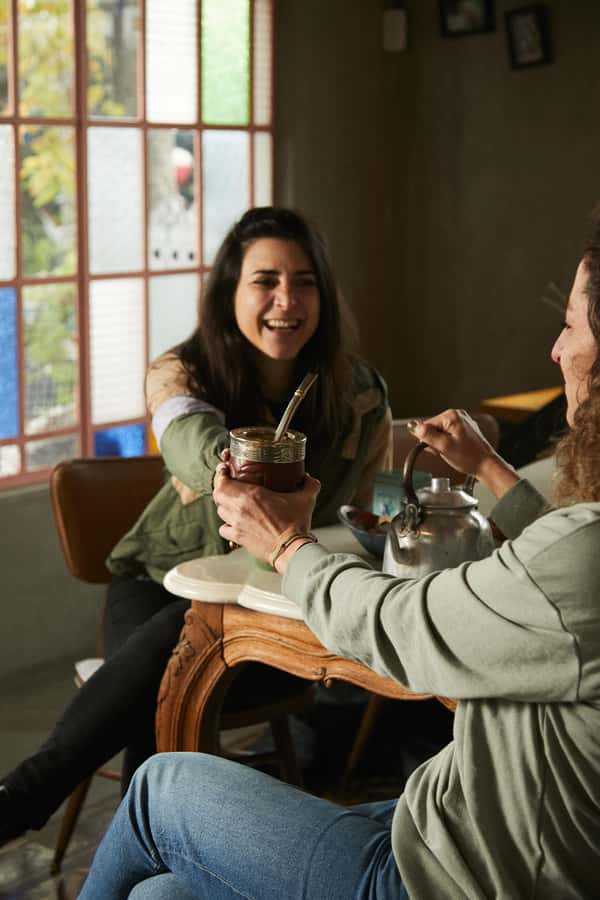
If you have only seen mate in a shop window or in the hands of someone walking through Buenos Aires, this workshop gives you the missing context. Mate is made from yerba mate, hot water, and a mate vessel, then sipped through a bombilla, the traditional metal straw.
The method looks simple. The meaning is not. Mate is tied to greetings, conversation, hospitality, family routines, and national identity. The phrase offered in the activity description captures the ritual well: after hello comes the invitation to share some mates. That small sequence tells you how ordinary and social the custom can be.
Carpincha presents the session as a poetic experience, but the useful part is practical. You are not asked to admire the ritual from a distance. You receive a mate to use, learn how to prepare it, and try several kinds of yerba. That hands-on approach helps you understand why small changes in the herb, water, or preparation can affect the cup.
I like this balance. A lecture about mate could feel dry, while a quick tasting without context would leave you with little more than a caffeine memory. Here, the stories explain the ritual, and the tasting gives you something concrete to remember.
A few more Buenos Aires trips to weigh up
- Buenos Aires: Empanadas and Alfajores Guided Cooking Class
★ 4.8 · 486 reviews - Buenos Aires: Private Tango Lesson
★ 4.9 · 244 reviews - Buenos Aires: Empanada & Alfajor Cooking Lesson in Palermo
★ 4.6 · 186 reviews
Meeting Vale and Juli in Recoleta
The activity takes place in the Recoleta area of Buenos Aires. You must make your own way to the meeting point because transportation is not included, so check the exact location and allow enough time to arrive before the 60-minute session begins.
Vale and Juli, the creators of Carpincha, frame the workshop around customs and rituals. Their role is not just to show you how to fill a gourd. They explain the place mate holds in Argentine life and connect the drink to anecdotes, family experiences, myths, and legends.
That personal approach matters. Mate can be explained as a list of steps, but the custom makes more sense when you hear how it fits into everyday relationships. The activity is built around sharing, and the hosts aim to recreate the feel of being welcomed into someone’s home for a round of mates.
English and Spanish instruction is available. Some material is presented in its original language, which may be a plus if you want to hear local expressions as they are used. If you need every detail translated, keep in mind that the experience is not presented as an English-only session.
The workshop is wheelchair accessible. The supplied information does not state the group size or the precise meeting address, so check those details when you reserve.
The opening lesson: origins, cultivation, and identity
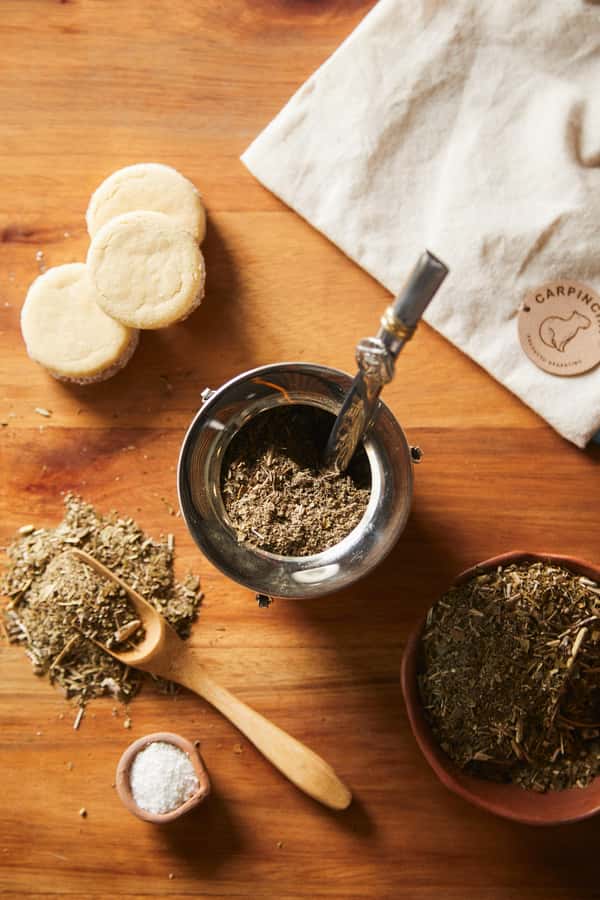
The first part of the session covers the origin and importance of mate. You will hear how yerba mate is cultivated and produced, along with an explanation of the different types of yerba used for drinking.
This is where the workshop goes beyond the familiar image of an Argentine carrying a thermos and gourd. You learn that the final flavor begins well before the hot water is added. Cultivation, processing, variety, and herb combinations all shape what you taste.
The hosts also discuss myths, legends, and anecdotes about mate and Argentines. Those stories give the drink a human scale. Instead of treating mate as a national symbol on a museum label, the session connects it to family habits and shared moments.
I would pay attention to this portion if you plan to drink mate later during your trip. Understanding the custom can help you approach it with respect. Mate is often passed around, and learning its social role is just as important as learning how to prepare it.
The session does not promise a technical course in agriculture or a lengthy historical seminar. The one-hour format means the discussion is introductory. Still, it gives you enough background to recognize why yerba choice matters and why mate is about company as much as flavor.
Tasting four types of yerba
The tasting is the heart of the activity. You sample four types of yerba and compare their variety, production, and cultivation. This is a useful feature for first-time drinkers because one cup can give you a very narrow idea of mate.
The supplied details do not specify the exact four varieties or their individual flavor profiles, so you should not expect a fixed menu of named brands. What you can expect is a guided comparison of different yerbas and a chance to notice how their character changes.
The hosts provide herbs described as high quality, and the tasting includes possible herb and flavor combinations. That makes the session more practical than a single ceremonial serving. You get to test options and decide what suits your taste.
You may find that mate has more range than expected. Some preparations can feel stronger, more herbal, or more bitter than a familiar tea. The workshop is a good place to ask questions and take small sips while the hosts explain what you are trying.
One attendee, Jansen de Souza, specifically praised the quality of the herbs and the clarity of the explanations. That matches the strongest reason to book this activity: you are not merely handed a cup and left to guess what it is. The tasting is paired with guidance.
Same city, a completely different kind of day:
- Buenos Aires Hop-On Hop-Off Bus, Free Walking Tours & Discounts
★ 4.5 · 2,218 reviews - Buenos Aires: Piazzolla Tango Show with Optional Dinner
★ 4.4 · 2,122 reviews - Buenos Aires: City Highlights Guided Tour with Transfer
★ 4.7 · 1,946 reviews - Buenos Aires: Hop-On Hop-Off City Bus Tour
★ 4.2 · 1,855 reviews
Learning to prepare your own mate
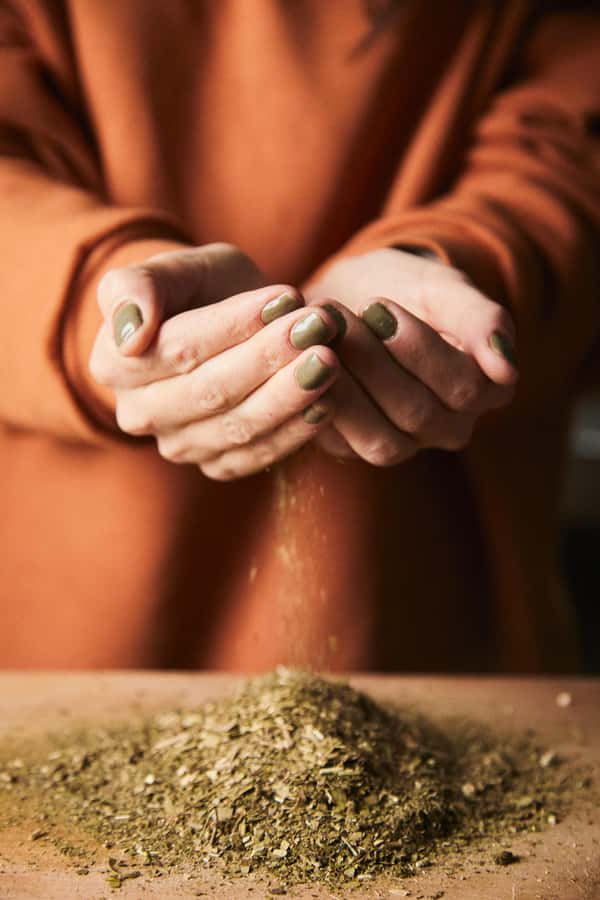
Each person receives one mate to use during the meeting. You learn how to brew your own, try different herb combinations, and pick up tips for making a good mate.
The exact preparation sequence is part of the lesson, so this is the moment to ask about anything that seems unclear. You can use the workshop to learn how the yerba is arranged, how the bombilla is used, and how hot water is added. The supplied information does not give a full recipe or state the water temperature, so the hosts are the best source for those details during the session.
This hands-on element gives the $50 price more weight. You are paying for instruction, tasting, food, and cultural explanation, not just a prepared drink. You also leave with practice using the vessel, which is more useful than watching someone else prepare it.
Do not expect to become a mate expert in one hour. The goal is to give you a sound introduction and enough confidence to recognize the basics. If you enjoy food and drink workshops with a social angle, the format should feel active without becoming demanding.
The word mateada refers to the shared act of drinking mate. That idea shapes the workshop. The drink is passed through a group, and conversation is part of the experience. Even if you are new to the custom, the lesson shows why the object itself is only half the story.
Medialunas, biscochitos, and alfajores
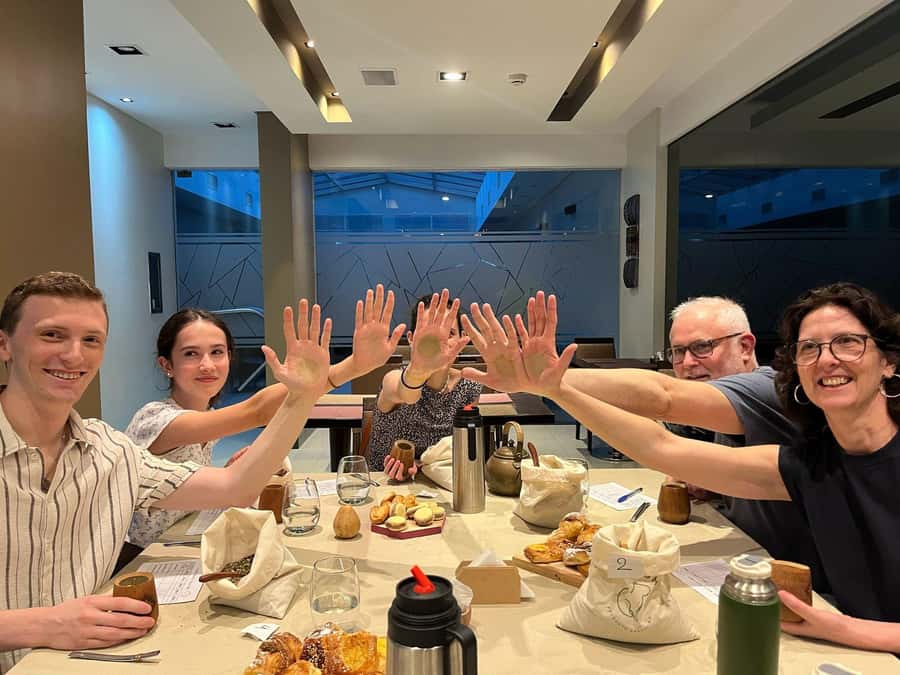
The snack pairing is simple but well chosen. You share typical Argentine pastries including medialunas, biscochitos, and alfajores while tasting the yerbas.
Medialunas are crescent-shaped pastries often associated with Argentine breakfast and coffee breaks. Biscochitos are small biscuits, and alfajores are filled sandwich cookies that are a familiar sweet across Argentina. The activity does not specify the exact fillings or styles, so think of these as traditional accompaniments rather than a detailed pastry class.
I like that the food is tied to the mate ritual. It helps make the meeting feel like a visit built around conversation. The pastries also offer a break if you find the herbal taste of mate unfamiliar.
A tasting does not need a large meal to be worthwhile, but do not book this expecting lunch. The portions are described as sweet snacks to accompany the mateada. If you are hungry, eat beforehand or plan another meal afterward.
The food received clear praise from Jansen de Souza, who found the pastries delicious and felt they added to the authenticity and value. That is a fair way to view them. They are not the main event, but they make the short workshop more complete.
The people-first style of Carpincha
Carpincha’s approach is personal. Vale and Juli created the proposal to share part of their customs and rituals, and the activity is designed around an intimate exchange rather than a large sightseeing circuit.
That tone is important because mate is a drink made for sitting and talking. You are not rushing between landmarks or trying to photograph a performance. You are given time to listen, taste, prepare, and ask questions.
A participant from France described the experience as a close, shared moment shaped by stories, anecdotes, and family life. An Italian participant called it a way to connect with Argentine culture and praised Julieta for her kindness and empathy. Those comments point to the human side of the activity, especially the hosts’ enthusiasm and warmth.
The names in the provider information are Vale and Juli, while the Italian feedback refers to Julieta. If meeting a particular host matters to you, confirm who will lead your session when booking. The important point is that the workshop is led by Carpincha’s own hosts rather than presented as a generic tasting.
The experience will suit you best if you enjoy asking questions and trying local customs. If you prefer a fast list of sights, you may find the conversational format too gentle. Its value comes from the stories and shared ritual, not from covering a large number of attractions.
Is $50 a fair price?
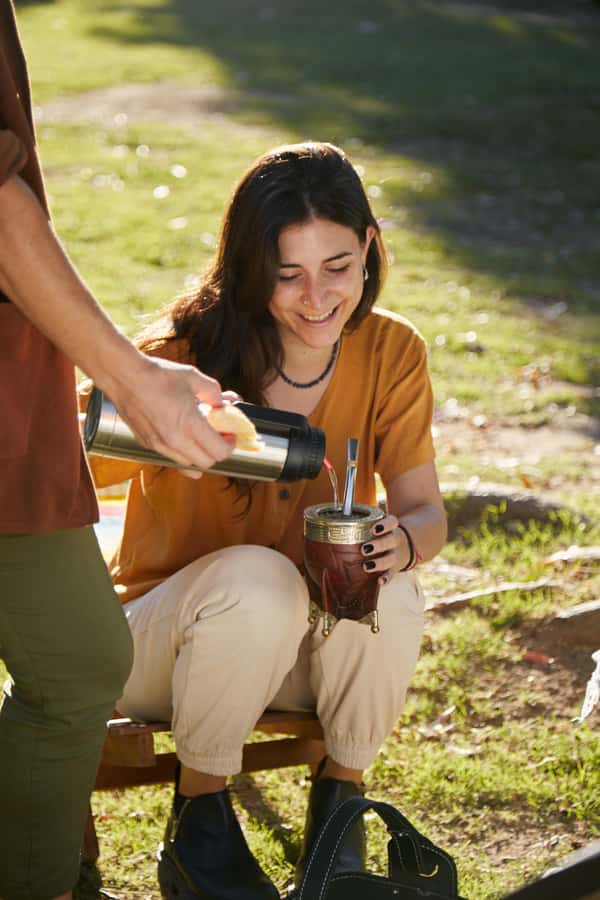
At $50 per person, this is not the cheapest way to taste a drink in Buenos Aires. You can find mate and pastries elsewhere for less. The price makes more sense if you want instruction, context, and a guided comparison of four yerbas in one sitting.
Your fee includes:
- A 60-minute masterclass
- Four types of yerba to taste
- One mate per person to use during the workshop
- Guidance on preparing mate and trying combinations
- Typical pastries including medialunas, biscochitos, and alfajores
- Stories about mate culture, myths, legends, and Argentine history
- English or Spanish instruction
Transportation is not included, so add the cost and time of reaching the Recoleta meeting point. The precise group size is not given, which may affect how much personal attention you receive.
For someone already planning to visit Recoleta, the location keeps the activity easy to add to a day in the area. For a visitor staying far away, the short duration means you should consider the full journey rather than looking only at the one-hour schedule.
I see this as a specialty cultural workshop, not a bargain snack stop. If you value local context and want to learn a skill you can use later, the price is reasonable. If your only goal is to taste mate once, you may find the cost harder to justify.
Who should book this mate workshop?
This is a strong fit for first-time visitors to Argentina who want an introduction to a custom they will likely encounter during their trip. It also suits food-focused visitors, people interested in social rituals, and anyone who enjoys small-group cultural activities.
Families and mixed-age groups may appreciate the accessible format, though the supplied details do not specify a minimum age. Ask the provider if you are booking for children.
You should also consider it if you already know a little about mate but want to compare yerbas and improve your preparation. The four-herb tasting adds value for repeat drinkers, especially if you want to understand why one mate tastes different from another.
This is less suitable if you want a long historical lecture, a full meal, or a tour of Buenos Aires landmarks. The workshop stays focused on mate and the stories around it. That focus is a strength, as long as it matches what you want.
The activity is offered in English and Spanish, but some content remains in its original language. If language access is central to your decision, ask how much translation will be provided in your chosen session.
Timing, cancellation, and practical planning
The meeting lasts 60 minutes, with starting times available according to the date you choose. Because the session is short, arrive ready to begin. You will get more from the workshop if you can focus on the tasting and questions rather than spending part of the hour finding the location.
You can reserve now and pay later, which keeps your plans flexible. Free cancellation is available up to 24 hours in advance for a full refund.
The meeting is in Recoleta, and no transportation is included. The activity is wheelchair accessible. Weapons, sharp objects, alcohol, and drugs are not allowed.
Those rules are straightforward, but the most useful planning point is the fixed duration. This works well before dinner, after a museum visit, or as a compact cultural stop in Recoleta. It is not designed to fill half a day.
My final call on Carpincha’s mate experience
Book this workshop if you want to understand why mate is part of Argentine identity, not just taste a bitter herbal drink. The four-yerba comparison, personal stories, brewing practice, and classic pastries give you several ways into the custom.
I especially like that you receive a mate to use and learn how to prepare it yourself. The strongest praise centers on the hosts’ clear answers, quality herbs, tasty pastries, and warm manner, all of which are central to the experience.
Skip it if you need a full meal, a longer tour, or a broad introduction to Buenos Aires. At $50, the value depends on your interest in the subject. For a curious visitor who wants a friendly, focused look at an everyday Argentine ritual, Carpincha offers a worthwhile hour in Recoleta.
FAQ
Where does the mate workshop take place?
The meetings take place in the Recoleta area of Buenos Aires. Transportation to the meeting place is not included.
How long does the activity last?
The workshop lasts 60 minutes.
How much does the experience cost?
The price is $50 per person.
What languages are available?
The instructor can provide the activity in English or Spanish. Some content is shown in its original language.
How many types of yerba mate will I taste?
You will taste four types of yerba mate and learn about their variety, production, and cultivation.
Do I receive a mate to use?
Yes. One mate per person is included for use during the meeting, along with instruction on how to prepare it.
What food is included?
The experience includes typical Argentine pastries such as medialunas, biscochitos, and alfajores.
Can I cancel the booking?
Yes. You can cancel up to 24 hours in advance for a full refund. You can also reserve now and pay later.
Just added around Buenos Aires
- Tango Show at El Querandi with optional Dinner★ 4.2 · 3 reviews
- Wine Tasting in Buenos Aires★ 4.2 · 4 reviews
- Walking Tour: Buenos Aires bookstores★ 4.3 · 12 reviews
- Velez Sarsfield Football Match★ 5.0 · 3 reviews
- Unique Tigre and Delta Private Day Cruise Navegation★ 5.0 · 3 reviews
- Private Underground Tango Immersion★ 5.0 · 31 reviews
- Tour Buenos Aires in one day on Electric Scooters★ 5.0 · 33 reviews
- Transfers from or to the airport In Argentina Your Best Choice★ 5.0 · 28 reviews
Workshops, compared.

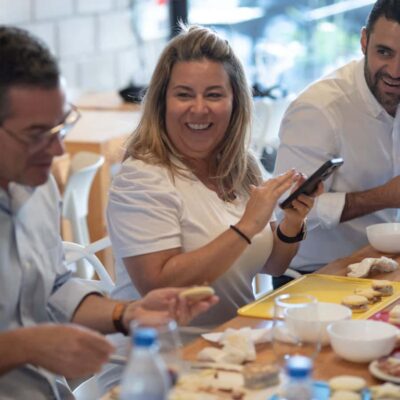

3h Cooking Class in Mendoza with 7 Recipes & Bottomless Drinks
Read our review →
Tango Porteño Show with Optional Dinner and Tango Lesson
Read our review →
Spanish Group Course in Buenos Aires, Argentina: 20 Lessons
Read our review →
Browse the lists this tour appears in