
Reviewed · HISTORICAL TOURS
Indigenous People of Patagonia History Tour
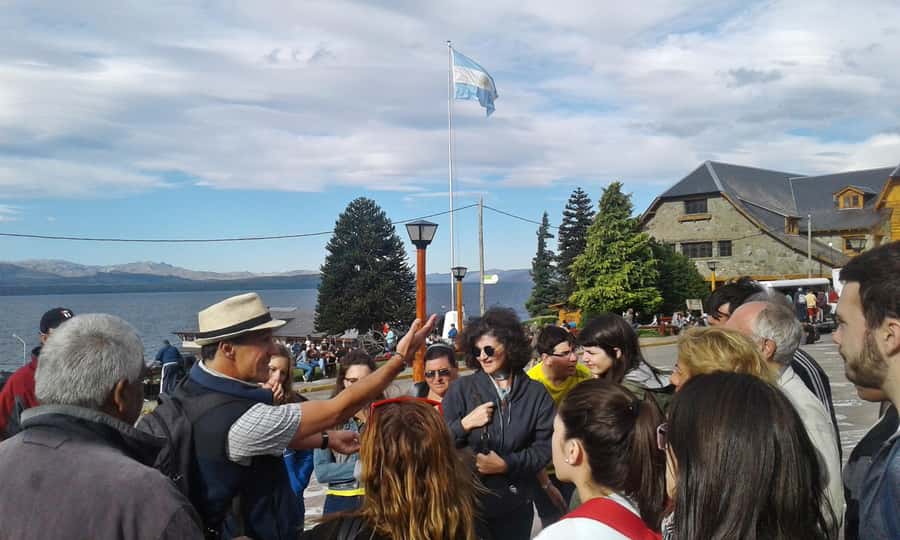
Bariloche’s story is bigger than chocolate shops and ski slopes. This 90-minute walking tour links the city’s Indigenous past with its civic buildings, cathedral, and the broad waters of Nahuel Huapi Lake. Guide Diego has led several recent departures, explaining Native Patagonian culture clearly and fitting a surprising amount into a short route.
I like two things right away: you visit the Museum of Patagonia in the Civic Center, and your ticket lets you return later that day to look at its fossils, tools, and implements at your own pace. I also like the easy finish beside the lake, where the glacial valleys provide a fine visual ending. The main consideration is time: 90 minutes goes quickly, so this is an introduction rather than a full study of Patagonia’s Indigenous peoples.
In This Review
- Key points
- Starting at Bariloche’s Civic Center
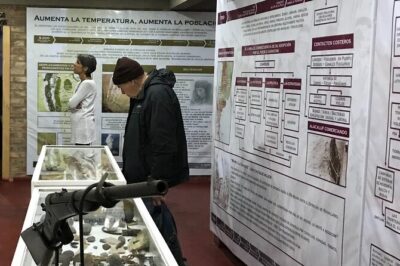
- What you see inside the Museum of Patagonia
- Why the Indigenous history section matters
- From the museum to the Cathedral of Our Lady of Nahuel Huapi
- Finishing beside Nahuel Huapi Lake
- How much do you get for $41?
- Language, pace, and guide quality
- Who should book this walking tour?
- Should you book the Indigenous People of Patagonia History Tour?
- FAQ
- Where does the tour meet?
- How long does the tour last?
- What languages are available?
- What is included in the price?
- Is the museum entry included?
- Can I return to the museum later?
- What will I see at the Museum of Patagonia?
- What will I see at the cathedral?
- What should I bring?
- Can I bring a pet?
- Can I cancel the booking?
- Do I have to pay when I reserve?
Key points
- Museum of Patagonia access: Explore natural history and Indigenous collections in the Civic Center, then return later the same day if you want more time.
- Guide Diego’s clear explanations: Recent bookings single out Diego for covering a lot of history and Native Patagonian culture in a short tour.
- Three distinct Bariloche stops: The route connects the museum, the Cathedral of Our Lady of Nahuel Huapi, and the lakeshore.
- A useful $41 introduction: The price covers the guided walk and official English or Spanish-speaking guide, with only an optional $2 museum contribution.
- A short, central outing: Meet at the tourist information office door on Centro Civico Square and walk from there.
- Good practical preparation: Wear comfortable shoes, and leave pets behind.
Starting at Bariloche’s Civic Center
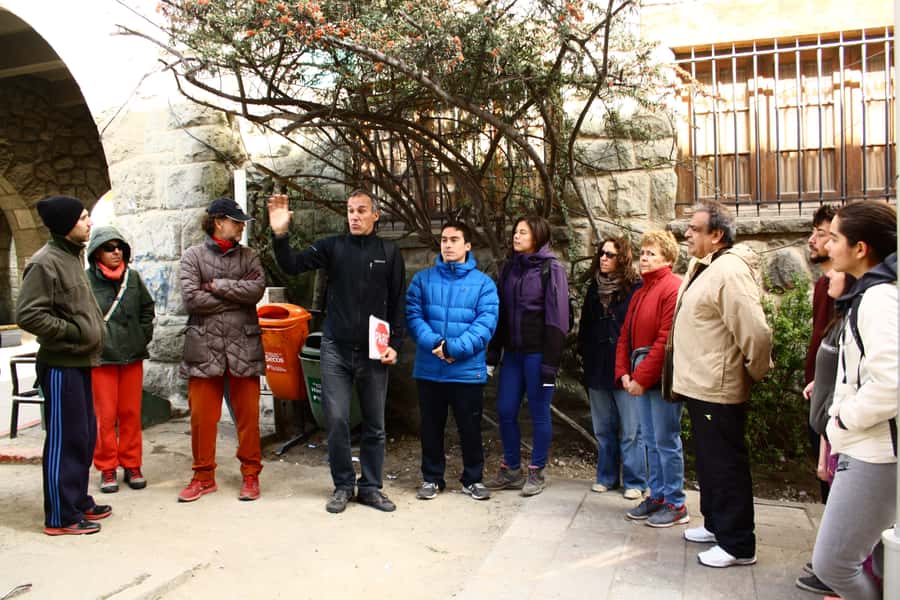
The tour begins by the door of the tourist information office at Centro Civico Square. That makes the meeting point fairly easy to locate, especially if you are already exploring central Bariloche. You do not need to arrange transport between the main stops, since this is a walking tour through downtown.
The Civic Center is the right place to begin. Bariloche is often presented as a resort town, but its public buildings also frame the city’s official story. Here, the tour turns your attention to the people and natural forces that came before the ski-town image.
Your guide leads the group into the Museum of Patagonia, which was established in 1940 by the national government as part of the development of this then-remote resort town. That date matters. The museum is not just a display of old objects. It also reflects the period when Bariloche was being shaped for tourism and given a public identity.
A good guide can help you hold both ideas at once: Patagonia has a long Indigenous history, and Bariloche’s modern resort identity is much newer. That contrast gives the first part of the walk useful context.
A few more Bariloche trips to weigh up
- Bariloche: German Immigration and History Walking Tour
★ 4.8 · 169 reviews - Maria Fumaça – Wines and History
★ 4.0 · 242 reviews - Nazis in Buenos Aires: a historical walking tour
★ 4.9 · 193 reviews
What you see inside the Museum of Patagonia
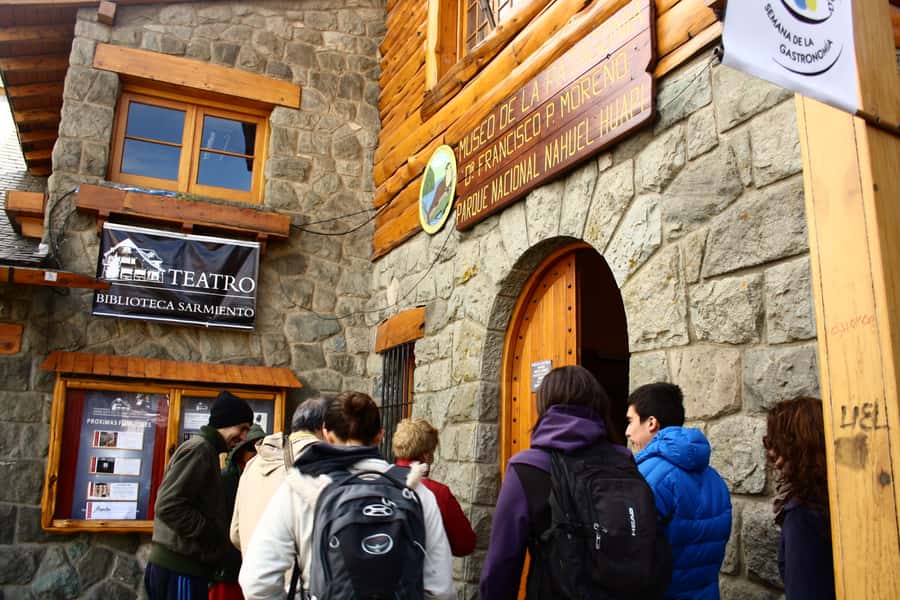
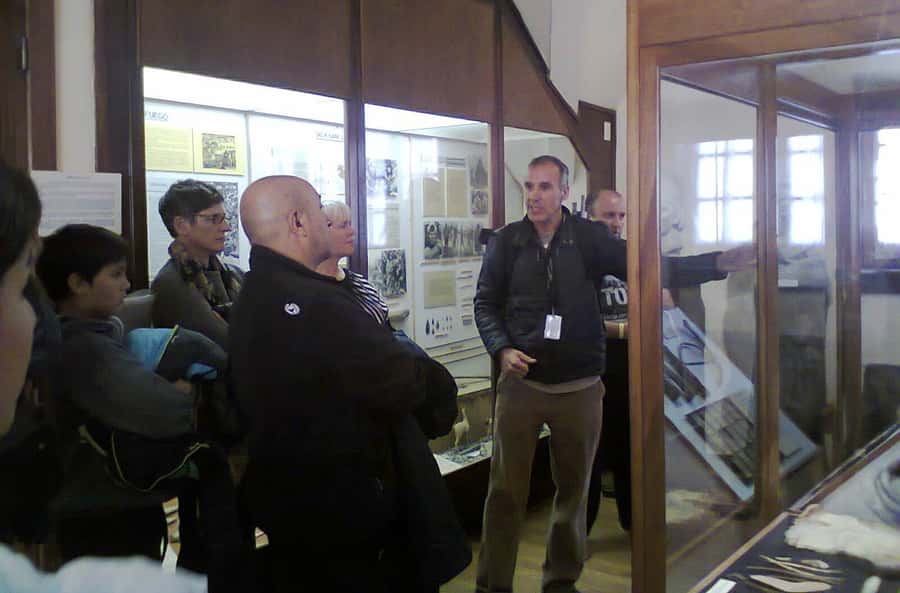
The museum covers both the natural history of the area and its original inhabitants. You can expect displays involving fossils, tools, and other implements. These objects help connect the region’s geology and wildlife with the people who lived here and used local materials long before modern tourism.
The Indigenous history is the heart of this experience. Recent bookings repeatedly point to the guide’s explanations of Native Patagonian people as the strongest part of the walk. Diego is specifically praised for explaining a large amount of history in a limited time, and that is important here. A museum collection can be hard to understand if you are simply moving from case to case without a thread tying the objects together.
The tour does not promise a full museum lesson. Instead, the guide introduces the main sections and gives you a framework for understanding what you are seeing. If an artifact catches your eye, you can make a note of it and return later.
That return privilege is one of the tour’s best practical features. Your entry ticket allows you to go back later the same day and examine the collections at your own pace. The guided visit gives you direction, while the second visit gives you quiet time for the details you may have missed.
There is an optional $2 contribution to enter the museum. It is not included in the $41 tour price, so bring a little extra if you want to go inside. The contribution is modest, but it is worth knowing about before you arrive.
Why the Indigenous history section matters
A short city walk can easily become a string of dates and buildings. This one has a clearer purpose because it asks you to look at Bariloche through the experience of its original inhabitants.
You may find the museum’s tools and implements especially useful for making the subject tangible. Big historical themes can feel distant, while an everyday object suggests how people worked, adapted, and lived in this part of Patagonia. The fossils add another layer, placing human history within a much older natural setting.
The guide’s role matters more here than at a simple sightseeing walk. The strongest feedback about Diego focuses on clarity, thoroughness, and the amount of cultural information he shares. That does not mean the tour can cover every Indigenous group or every period in Patagonia in 90 minutes. It means you get a focused starting point, with enough background to make later museum visits, reading, or regional excursions more meaningful.
If Indigenous history is your main reason for booking, keep your expectations measured. The title promises a history tour, but the route also includes major Bariloche sights. You will receive an accessible introduction rather than an extended academic program.
From the museum to the Cathedral of Our Lady of Nahuel Huapi
After the museum, the route continues to the Cathedral of Our Lady of Nahuel Huapi. The cathedral is surrounded by gardens, giving this stop a different feel from the Civic Center and museum.
The focus here is visual. You can admire the stained glass windows and the Via Crucis, or Stations of the Cross. These details make the cathedral more than a quick exterior photo stop. They also show another part of Bariloche’s public and cultural identity, following the museum’s focus on Indigenous people and natural history.
I like this change of subject because it keeps the walk from becoming too narrow. You move from artifacts and historical explanation to religious art and architecture, then finish outdoors by the lake. The result is a compact introduction to several layers of the city.
The cathedral portion may feel brief if you want a long architectural visit. That is the tradeoff of a 90-minute route. You are seeing the stained glass and Via Crucis as part of a wider city walk, not taking part in a dedicated cathedral tour.
Still, it is a worthwhile stop for first-time visitors. If you are arranging your own day in Bariloche, the cathedral is easy to overlook while chasing mountain views. This tour makes sure you see it and understand where it fits in the city’s story.
Same city, a completely different kind of day:
- Bariloche: 7 Lakes & San Martin de Los Andes Road Trip
★ 4.5 · 624 reviews - Bariloche: Circuito Chico with optional Cerro Catedral
★ 4.5 · 316 reviews - San Martín de los Andes por 7 Lagos
★ 4.4 · 155 reviews - Circuito Chico
★ 4.5 · 146 reviews
Finishing beside Nahuel Huapi Lake
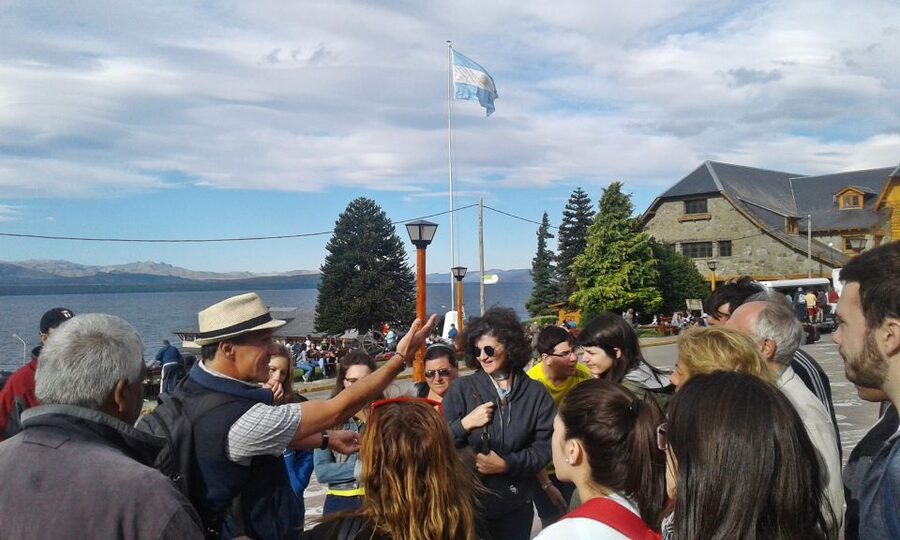
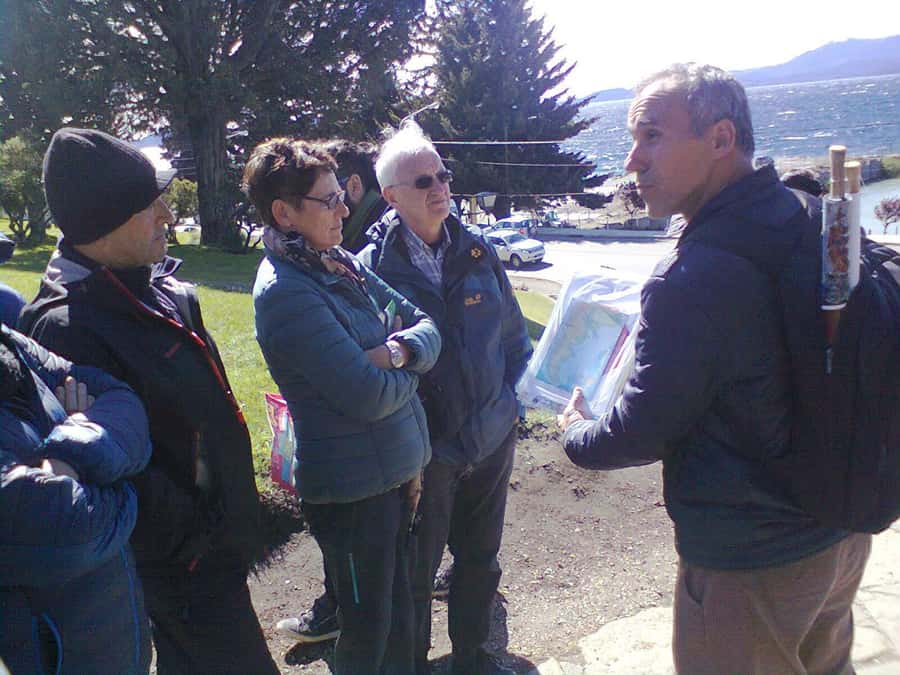
The final stop is on the shore of Nahuel Huapi Lake. From here, you look toward glacial valleys and get the broad outdoor view that many people expect from Bariloche.
This ending works well because it shifts the tour from objects and buildings to the setting itself. The lake is not just a scenic backdrop. It helps explain why Bariloche developed as a destination and why the area has attracted attention for its natural features.
You should allow a little time to take in the view, but do not expect a boat trip or a separate excursion into the valleys. The experience ends at the lakeshore, and the stated tour duration is 90 minutes. The value is the guide’s explanation and the city walk that brings you there, not an extended outdoor activity.
Weather may affect how impressive the final view feels, since the attraction depends on what you can see across the water. Even so, the lakeside finish gives the itinerary a pleasant sense of direction. You start with human and natural history indoors, see religious art in the middle, and end with Patagonia’s open setting in front of you.
How much do you get for $41?
At $41 per person, this is best judged as a guided introduction to central Bariloche, not as a museum ticket alone. The price includes an official English and Spanish-speaking guide and a 1.5-hour historical walking tour. The optional $2 museum contribution is the only listed extra connected with the route.
The value is strongest if you want context. You could walk past the Civic Center, cathedral, and lake on your own, but you would not automatically get the same connection between Bariloche’s Indigenous past, its natural history, its resort development, and its public landmarks.
The museum return privilege improves the value. You can follow the guide’s main points during the tour, then revisit the exhibits later that day without rushing. If you are the sort of person who likes to read every label, this makes the short guided format less restrictive.
The price may feel less compelling if you only want lake views or a quick orientation. In that case, the tour spends meaningful time inside the museum and discussing history. It suits people who want to understand the city, not just photograph it.
The perfect length also depends on your schedule. Ninety minutes is easy to fit before lunch, after arriving in town, or alongside other central sightseeing. It is long enough to provide substance without consuming half a day.
Language, pace, and guide quality
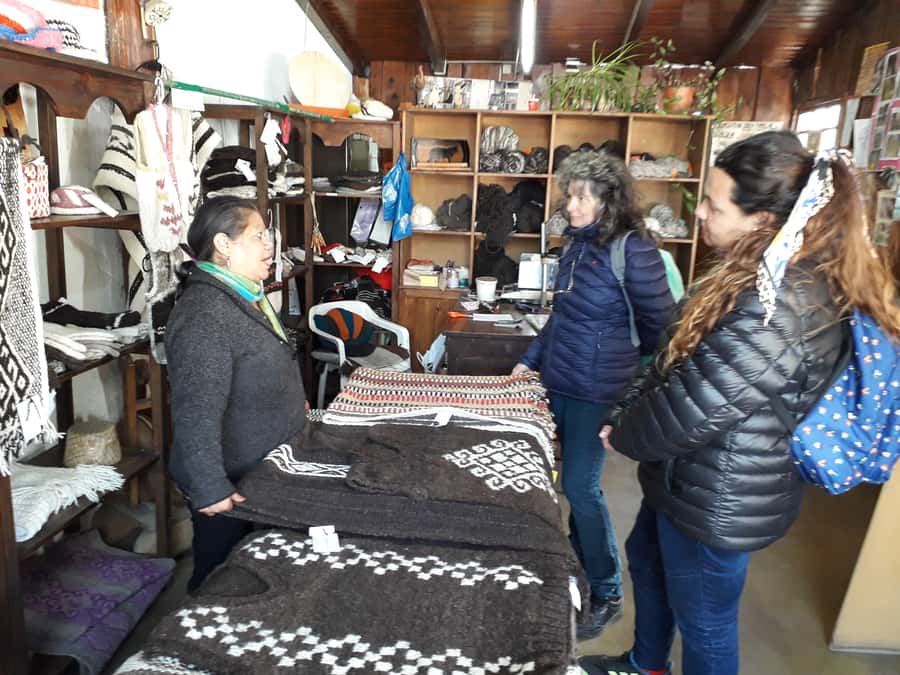
The tour runs in English or Spanish with a live guide. That makes it useful for visitors who want more than a self-guided walk but do not speak Spanish comfortably.
The strongest pattern in the available feedback is the guide’s ability to explain a lot in a short time. Diego is named repeatedly, with specific praise for his thorough coverage of Native Patagonian people and Bariloche’s history. Other comments describe the tour as informative, interesting, and easy to follow.
That kind of feedback points to a history-focused experience rather than a casual stroll. You should expect explanations at the museum and along the route, so comfortable shoes are important even though the tour lasts only 90 minutes.
The pace may be brisk because the itinerary includes three different areas. If you prefer long stops for photos, you may need to take a few pictures quickly or return to the sights later. The museum ticket helps with that, since you can go back on your own later in the day.
Group size is not specified, so I would not book this expecting a private tour. The available information confirms a live guide, but not the number of people in each departure.
Who should book this walking tour?
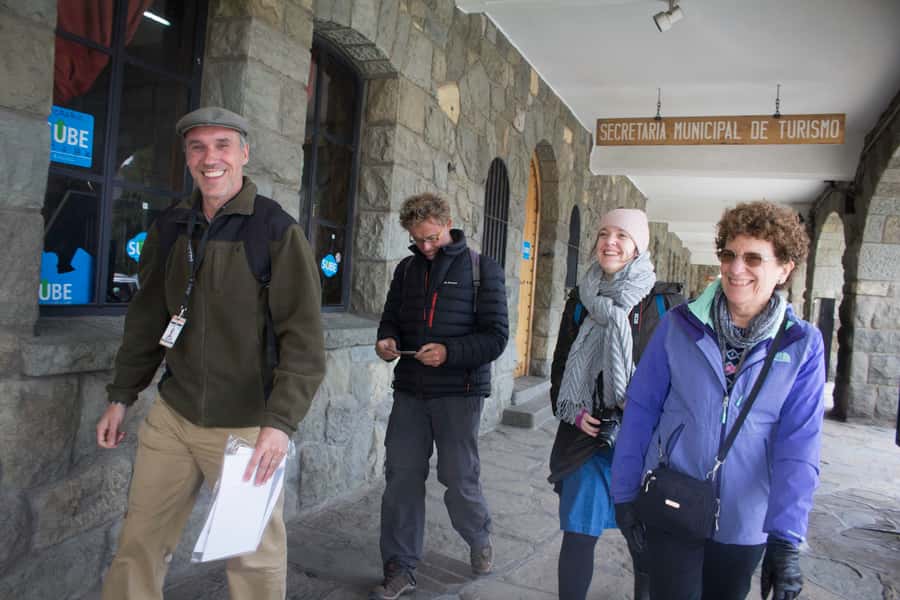
I would recommend it to first-time visitors who want a strong orientation to Bariloche’s center and a clear introduction to Indigenous history. It also suits anyone who enjoys museums but wants a guide to explain why the collections matter.
It is a good fit if you have a short stay. In 90 minutes, you see the Museum of Patagonia, the cathedral, and Nahuel Huapi Lake without arranging several separate visits. The central meeting point also makes it convenient to combine with other downtown plans.
Families with older children may find the mix of fossils, tools, stained glass, gardens, and lake views more engaging than a single-subject museum visit. The tour does require walking, however, so comfortable shoes are essential.
You may want something else if you are looking for a long specialist lecture on Indigenous cultures, a dedicated cathedral tour, or an outdoor excursion across the lake. None of those is the main purpose here. This tour gives you several well-chosen stops and an accessible historical thread.
Pets are not allowed, so plan accordingly. Free cancellation is available up to 24 hours before the start time, and you can reserve now and pay later, which is useful when your Bariloche plans are still shifting.
Should you book the Indigenous People of Patagonia History Tour?
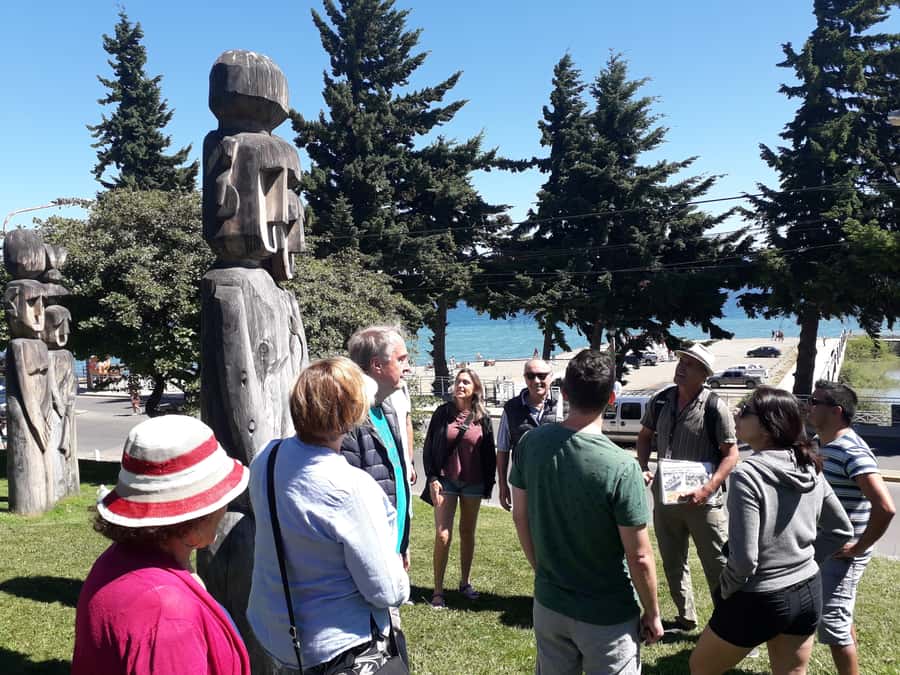
Book it if you want to understand Bariloche before moving on to the region’s bigger outdoor activities. The combination of the Museum of Patagonia, cathedral art, and Nahuel Huapi views gives you a thoughtful first look at the city, while the guide adds the cultural context that a solo walk may lack.
The $41 price is fair for the guided access and the return option at the museum, especially if you use that second visit. Just remember that the Indigenous history is covered within a short, mixed city itinerary. If you want a detailed specialist course, choose a longer experience. If you want an informative, central introduction with a memorable lakeside finish, this is a sensible choice.
FAQ
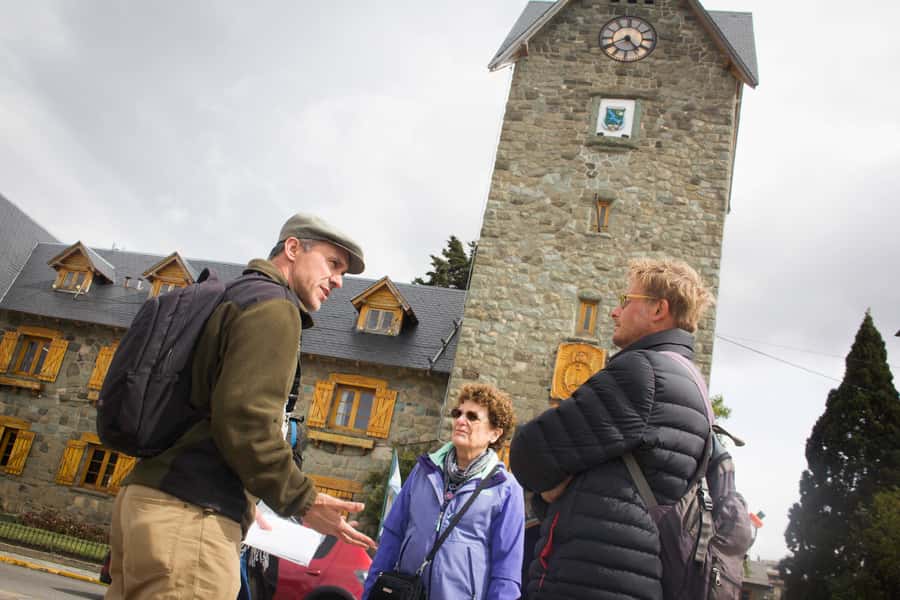
Where does the tour meet?
Meet by the door of the tourist information office at Centro Civico Square in Bariloche.
How long does the tour last?
The walking tour lasts 90 minutes, or 1.5 hours.
What languages are available?
The tour is offered in English and Spanish with a live guide.
What is included in the price?
The price includes an official English and Spanish-speaking guide and the 1.5-hour historical walking tour.
Is the museum entry included?
An optional $2 contribution is required to enter the Museum of Patagonia and is not included in the tour price.
Can I return to the museum later?
Yes. Your entry ticket allows you to return later the same day and view the collections at your own pace.
What will I see at the Museum of Patagonia?
The museum includes sections on the area’s natural history and its original inhabitants, along with fossils, tools, and implements.
What will I see at the cathedral?
You will visit the Cathedral of Our Lady of Nahuel Huapi, see its stained glass windows, and view the Via Crucis. The cathedral is surrounded by gardens.
What should I bring?
Bring comfortable shoes for the walking route.
Can I bring a pet?
No. Pets are not allowed on the tour.
Can I cancel the booking?
Yes. You can cancel up to 24 hours in advance for a full refund.
Do I have to pay when I reserve?
No. The reserve now and pay later option lets you book your place without paying immediately.
Just added around Bariloche
- Road of the Seven Lakes from San Martin de los Andes★ 4.5 · 32 reviews
- Kayak paddling adventure around Bariloche★ 5.0 · 49 reviews
- OneWay Journey: from Bariloche, Argentina to Puerto Varas, Chile★ 4.0 · 52 reviews
- From Bariloche: San Martin de los Andes and 7 Lakes Circuit★ 4.6 · 22 reviews
- From Bariloche: Half-Day Circuito Chico Sightseeing Tour★ 4.3 · 9 reviews
- Crossing to Puerto Blest and Cascada de los Cántaros★ 4.4 · 5 reviews
- Chico Circuit and Cerro Campanario★ 4.6 · 48 reviews
- Bariloche: Tour to Circuito Chico + Optional: Arrayanes★ 4.2 · 3 reviews
Historical Tours, compared.

Nazis in Buenos Aires: a historical walking tour
Read our review →
Historical Guided Tour with Street Food & Drinks
Read our review →
Recoleta Cemetery – Small Group Tour of History & Secrets
Read our review →
Browse the lists this tour appears in